
It didn't take long, once I started following where rescue chihuahuas actually come from, to see that the little dog asleep on a couch in Vancouver often began his story two thousand miles south, in a shelter that was full to the walls. The adoption photo is the happy ending. The route that got him there is the part worth telling.
Chihuahuas are at once one of the most surrendered dogs in North American shelters and one of the hardest to find in others. National welfare groups such as the Humane Society of the United States run transport programs between regions for exactly this reason. If you are thinking about adopting one, it helps to understand that gap, because it is the whole reason a healthy six-pound dog might fly across a continent to reach you.
Quick answer: Most rescue chihuahuas come from overcrowded shelters in warm-weather regions such as California and the Southwest, then travel north and east through volunteer transport relays to areas where small dogs are scarce. Start with local shelters, breed-specific chihuahua rescues, and Petfinder, and tell rescues you are open to a transported dog if few are listed near you.
Why shelters are full of chihuahuas
Three things stack up. The breed is wildly popular, which means a great deal of careless backyard breeding and a great many dogs surrendered when the novelty wears off or a life changes. Hoarding cases produce them by the dozen; a single seizure can empty a house of forty or fifty small dogs at once, all needing homes the same week. And in warm-weather regions, especially California and the Southwest, intake never really slows, so the shelters there run permanently over capacity.
The result is a strange geography of supply and demand. Across much of the American South and West, chihuahuas wait in crowded kennels. In the Pacific Northwest and across Canada, would-be adopters scroll for weeks and turn up almost none.
The transport network nobody sees
That gap is bridged by one of the quiet marvels of modern rescue: transport. Volunteers and rescue groups move dogs from the overcrowded south to the under-supplied north in relays, a few hundred miles per driver, or by the vanload on long "freedom rides." A chihuahua pulled from a kill shelter in Los Angeles can be in a foster home in British Columbia within the week. PetFinder and listings like it are where most adopters first meet these travelers.
This is the part of rescue I find genuinely moving, and I am not a sentimental person about it. There is no profit at the heart of it, just a chain of people handing a frightened animal north toward a better life. Goodness, do I ever wish more people knew the system existed before they assumed there were no small dogs to adopt.
What to expect from a hoarding survivor
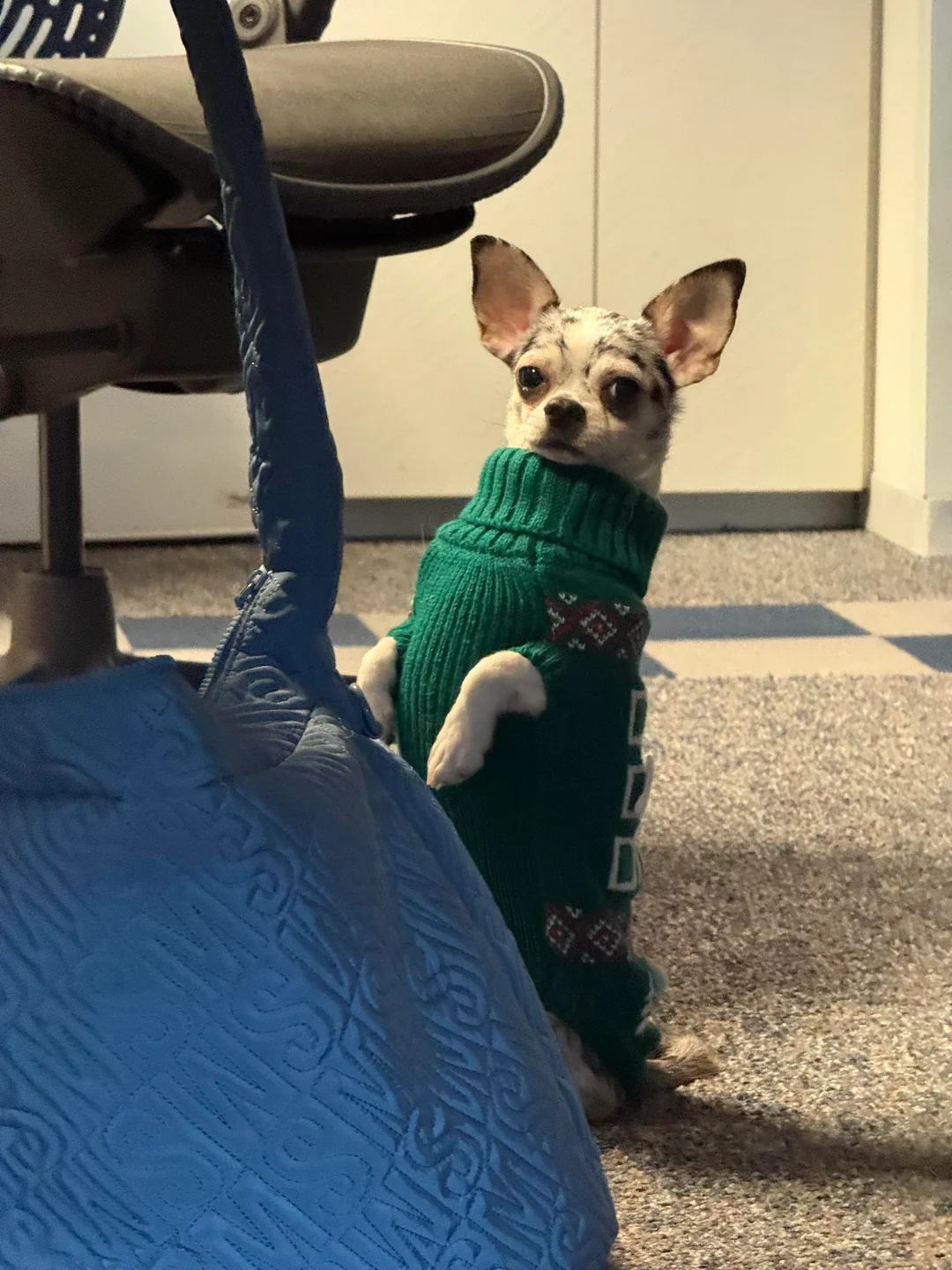
Many rescue chihuahuas come out of hoarding or neglect, and that history can show. A dog who spent his early life as one of fifty may be shy of hands, unsure about stairs, slow to trust, not yet house-trained. The good news is how often that fades. With patience, routine, and a warm lap, these dogs tend to come into themselves remarkably fast, and the gentlemanly little companion who results was in there the whole time. Ask the rescue what they know about the dog's history and temperament, and arrive with patience rather than a timeline.
Fostering, especially when disaster hits
If adopting is not the right step for you yet, fostering is the hinge the whole system turns on. A foster home is what lets a rescue pull one more dog from a shelter that is out of space. The need spikes after disasters: wildfires, hurricanes, and floods displace thousands of animals at once and overwhelm local shelters overnight. Opening your home to a foster dog for a few weeks, even one, is often what creates the room that saves another.
How to adopt a rescue chihuahua
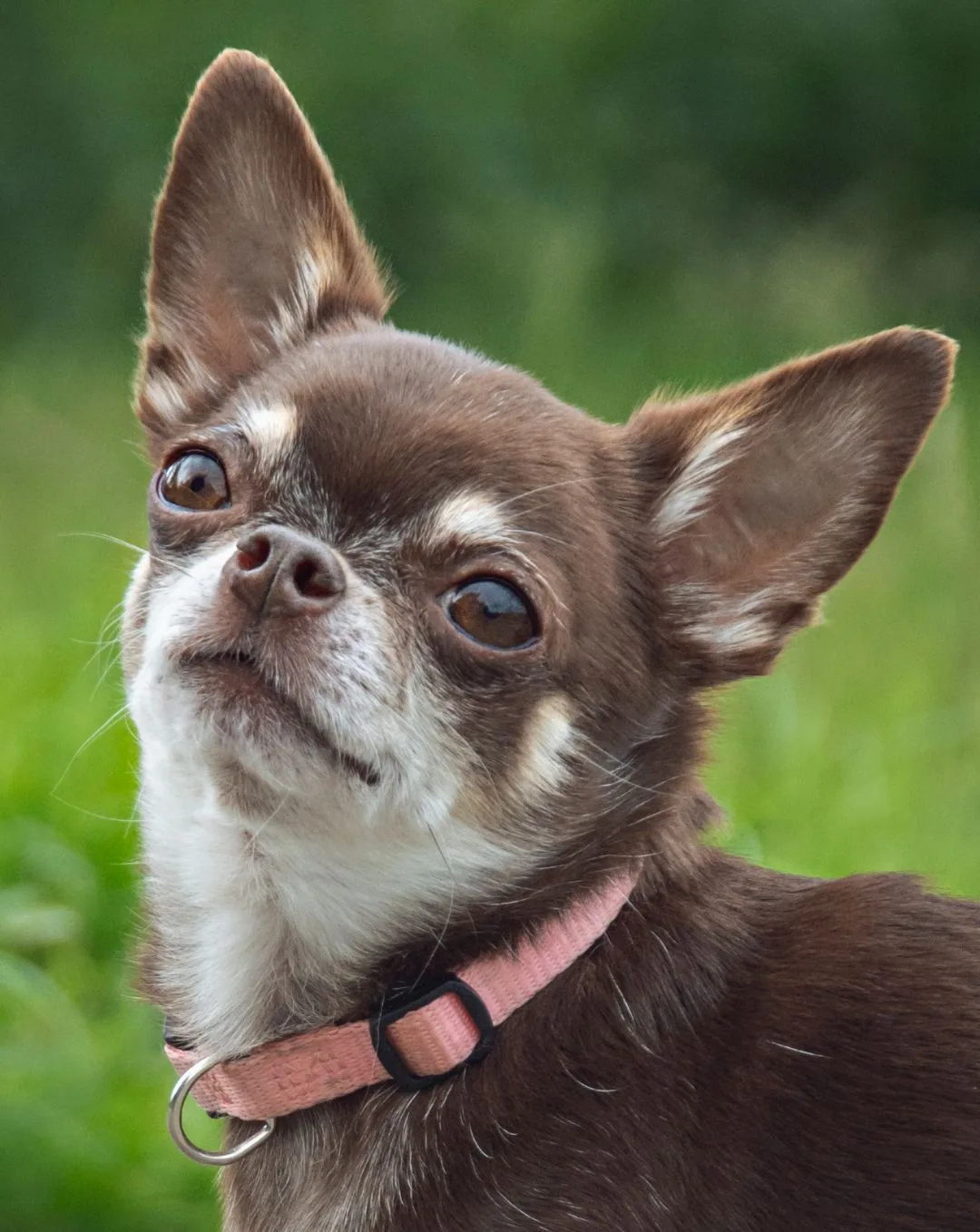
Start on PetFinder and with breed-specific chihuahua rescues, and tell them plainly that you are open to a transported dog; that one sentence widens your options enormously. Expect a real application, sometimes a home check, and an adoption fee that helps cover the vetting and the transport. Be honest about your home and your schedule, ask about medical and behavioral history, and stay a little flexible on which dog. A good rescue is trying to make a match that lasts, not move inventory, and that is exactly what you want from them.
What you get for the gamble
Adopting a rescue is a leap, especially sight-unseen from far away. It tends to pay off out of all proportion. Chihuahuas bond hard and fast, and a rescue who has known the inside of a crowded shelter seems to grasp, in some wordless way, exactly what a couch and a person of his own are worth. You did not simply get a dog. You pulled one thread that ran all the way back to a full kennel two time zones away, and on the other end of it, a small dog finally exhaled. The work behind a single placement is rarely visible, which is why how volunteers brought Chihuahua Clyde home is worth reading in full.
Frequently asked questions
Where can I adopt a rescue chihuahua?
Start with PetFinder, your local shelters, and breed-specific chihuahua rescues. If small dogs are scarce where you live, tell rescues you are open to a transported dog, since many groups regularly move chihuahuas from overcrowded regions to areas with few available.
Why are there so many chihuahuas in shelters?
A mix of overbreeding, impulse adoptions that do not last, hoarding seizures, and chronic overcrowding in warm-weather regions such as California and the Southwest. Demand is high in some areas and supply is high in others, which is why transport exists.
What is a rescue transport or "freedom ride"?
It is the volunteer-run movement of adoptable dogs from overcrowded shelters to regions where homes are waiting, often in relays of a few hundred miles each or by van over long distances. It is how a dog from a southern kill shelter can reach an adopter in Canada.
Are rescue chihuahuas from hoarding situations good pets?
Very often, yes. They may need extra patience and socialization at first, but most settle into affectionate, well-mannered companions once they feel safe. Ask the rescue about the individual dog's history and temperament.
If you have room in your life, even temporarily, there is a small dog at the far end of a long transport route hoping you do. When you are ready, our guides to adopting a senior chihuahua and, for the harder days, chihuahua grief and loss, are here too. For now, consider fostering, consider adopting, and reach out to a rescue near you. We will be cheering you on from Cheewawa. Goodness, do I hope you do.
