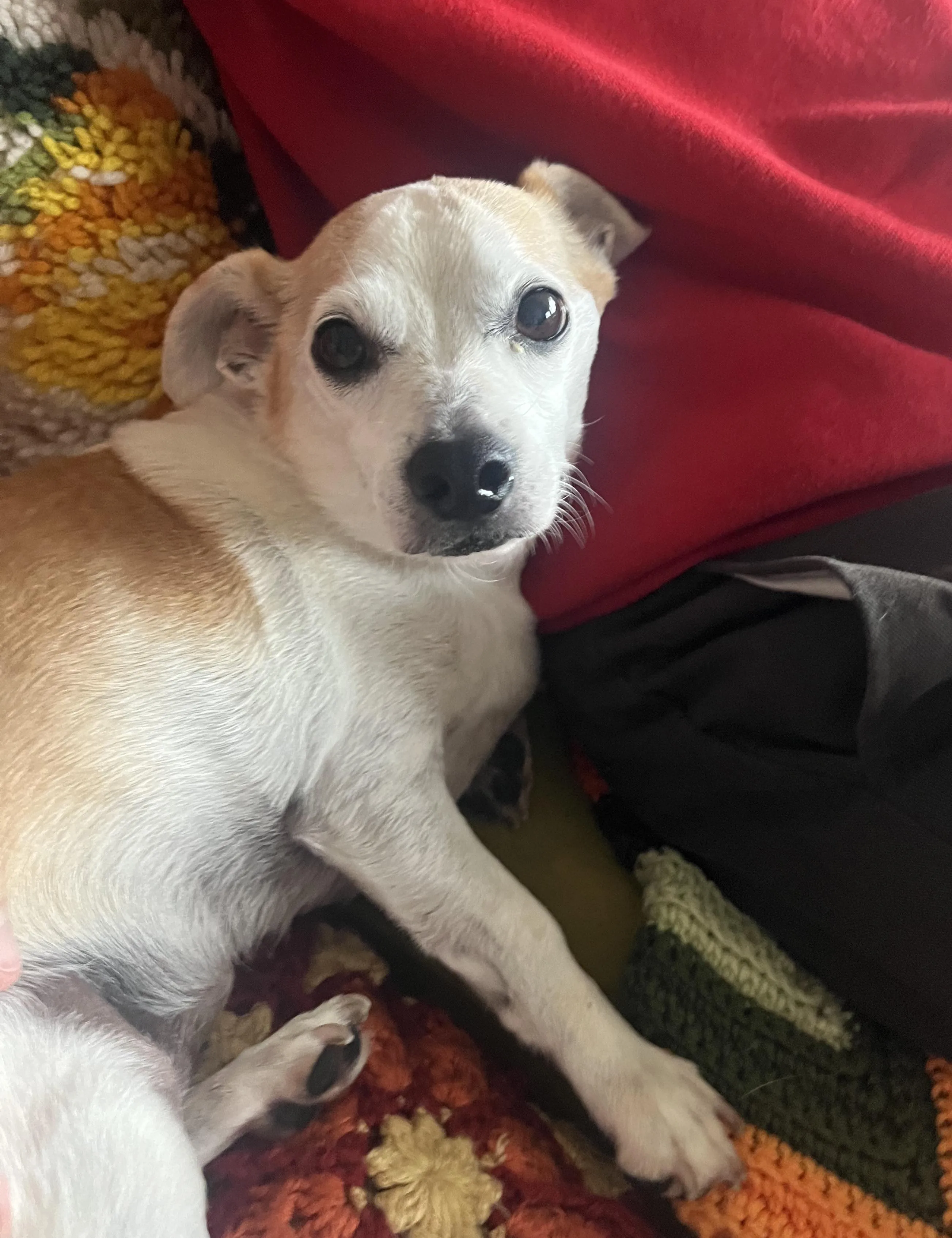
Ask almost anyone who works in rescue which dogs wait the longest, and the answer rarely changes; the seniors, to be exact. The gray-muzzled ones, the twelve-year-olds, the small dogs with a heart murmur already noted on the intake sheet. They are the hardest to place, and, by most accounts, the quickest to settle once somebody finally takes them home.
I keep coming back to one kind of adoption story for Cheewawa: the person who walks into a shelter with no intention of leaving with a dog, often grieving another animal, and walks out an hour later holding a senior chihuahua nobody else had looked at twice. It happens all the time. If you have ever considered it, or you are sitting in a shelter parking lot right now talking yourself out of it, here is the honest version of what you would be taking on.
Quick answer: Senior chihuahuas wait longest in rescue and settle fastest once somebody takes them home. Because the breed commonly lives fourteen to sixteen years, a senior of ten or twelve may have real time left, and a managed heart condition is usually a medication schedule and a budget line rather than a short life. Hospice or fospice adoption means taking a dog whose remaining time is expected to be short, and many shelters help with the medical costs.
Why senior chihuahuas wait the longest
Most people come to a shelter wanting a puppy, or at least a young dog with a long, uncomplicated runway ahead of it. A senior arrives with a history nobody fully knows and a vet bill nobody can predict, and that uncertainty scares adopters off. Chihuahuas land in this spot more than their share; they are surrendered when an elderly owner dies or moves into care, and a frightened ten-year-old in the back of a kennel does not show well next to a wiggling pup.
Whole organizations now exist to close that gap. The Grey Muzzle Organization funds senior-dog programs at shelters around the country; Muttville, in San Francisco, places thousands of older dogs and helped put the word "fospice" into circulation. The need is real, and so is the network built to meet it.

The heart-murmur question
This is the line most adopters get stuck on, so here is the plain version. Small breeds like the chihuahua are prone to a degenerative heart-valve disease that can, over time, lead to congestive heart failure. It sounds like a death sentence and frequently is not. Caught and managed with medication, many dogs go on living comfortably for months or years; the cough eases, the energy comes back, the dog naps in the sun like nothing is wrong.
None of that is a substitute for a real exam. Before you fall the rest of the way, get the dog in front of a veterinarian, ask what stage the heart is at (the Merck Veterinary Manual has a plain-English primer on heart failure in dogs), and ask what the monthly cost of keeping it steady looks like. Go in with the number, not a guess.
What hospice, or fospice, adoption really means
Fospice is foster plus hospice; you take a dog whose time is genuinely short and give it a soft place to land for whatever is left. Some shelters run formal programs, cover the medication, and ask only that you provide the couch and the company. The arrangement sounds grim from the outside. From the inside, owners tend to describe it the same way, over and over: the most meaningful thing they have ever done with a dog.
And the math is rarely what you expect. A "few weeks" prognosis turns into another year more often than anyone advertises. You are not signing up for a funeral. You are signing up to be the good ending to a story that was not heading toward one.
What you actually get
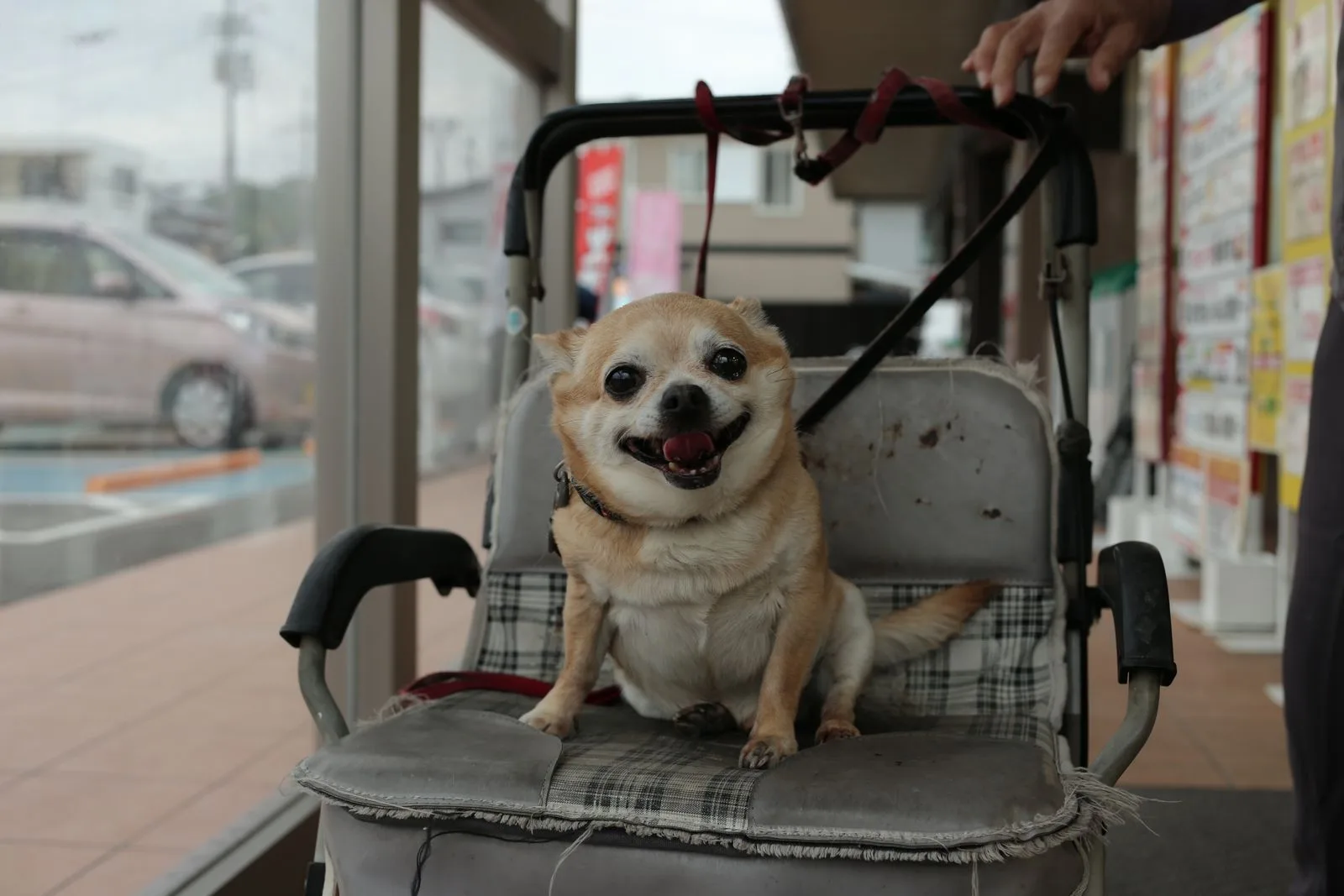
Here is the part the heart-murmur conversation leaves out. A senior chihuahua is usually house-trained, past the chewing, and finished auditioning for anybody. It wants a warm lap, a slow walk, and you, in roughly that order. It will follow you room to room, learn your schedule in a week, and sleep against your leg as though it has always lived there.
Goodness, do I ever wish more people understood that the gift is not the number of years. It is the quality of the company, and senior dogs are extraordinary company. They have nothing left to prove and a great deal of love left to give, and they seem to know, in a way younger dogs do not, exactly what you did for them.
Going in with your eyes open
Adopt the dog, not the rescue fantasy. Book the vet visit in the first week. Budget for medication and the occasional bad night. Ask the shelter for whatever history exists, and ask whether they run a fospice program or offer financial help; many do, and groups such as the Grey Muzzle Organization exist precisely to underwrite it.
One more thing, because it comes up constantly. A lot of people who adopt a senior are doing it soon after losing a pet of their own. If that is you, and you are wondering whether it is too soon or somehow disloyal, it is neither. Grief and a new dog can share a house. Loving the next one takes nothing from the last. Sometimes the match needs no persuading at all, as the eleven-year-old chihuahua who chose a hundred-year-old's lap demonstrated in 2022.
Frequently asked questions
How long do senior chihuahuas live after adoption?
It depends entirely on the dog and its health, and nobody can promise a number. Chihuahuas are a long-lived breed to begin with, commonly fourteen to sixteen years, so a "senior" of ten or twelve may have real time left. Even dogs adopted with a serious diagnosis often live comfortably for months or years on the right care.
Is it worth adopting a chihuahua with a heart condition?
For many people, yes, with eyes open. A managed heart condition is a budget line and a medication schedule, not necessarily a short or unhappy life. Have a veterinarian assess the stage and the monthly cost before you commit, then decide.
What is fospice or hospice adoption?
It is taking in a dog whose remaining time is expected to be short and giving it comfort, care, and company for the rest of it. Many shelters run formal programs and help with the medical costs, and the time frame is often longer than the label suggests.
Where can I adopt a senior chihuahua?
Start with your local shelter and breed-specific chihuahua rescues, and look at senior-focused groups such as Muttville and the programs the Grey Muzzle Organization supports. Tell the staff you are open to an older dog; they will know exactly who has been waiting.
You will not get forever with a dog like this, but you were never going to get forever with any of them. What you get is the part that matters: a frightened little animal that exhales the day it understands it is finally home. Goodness, do I hope you go and meet the one who has been waiting. Bring a blanket. They get cold, and they will want to sit on you the whole way back.
