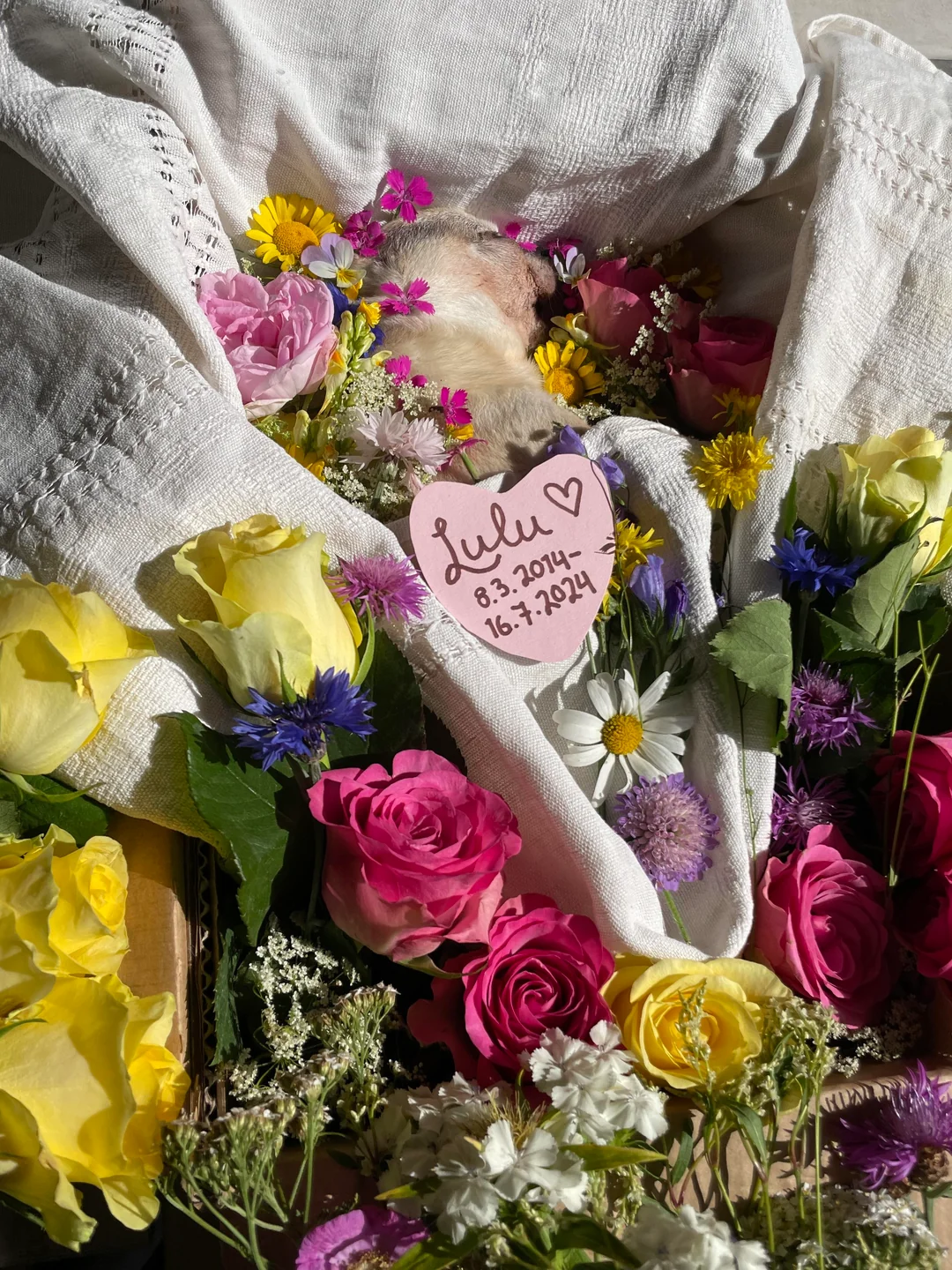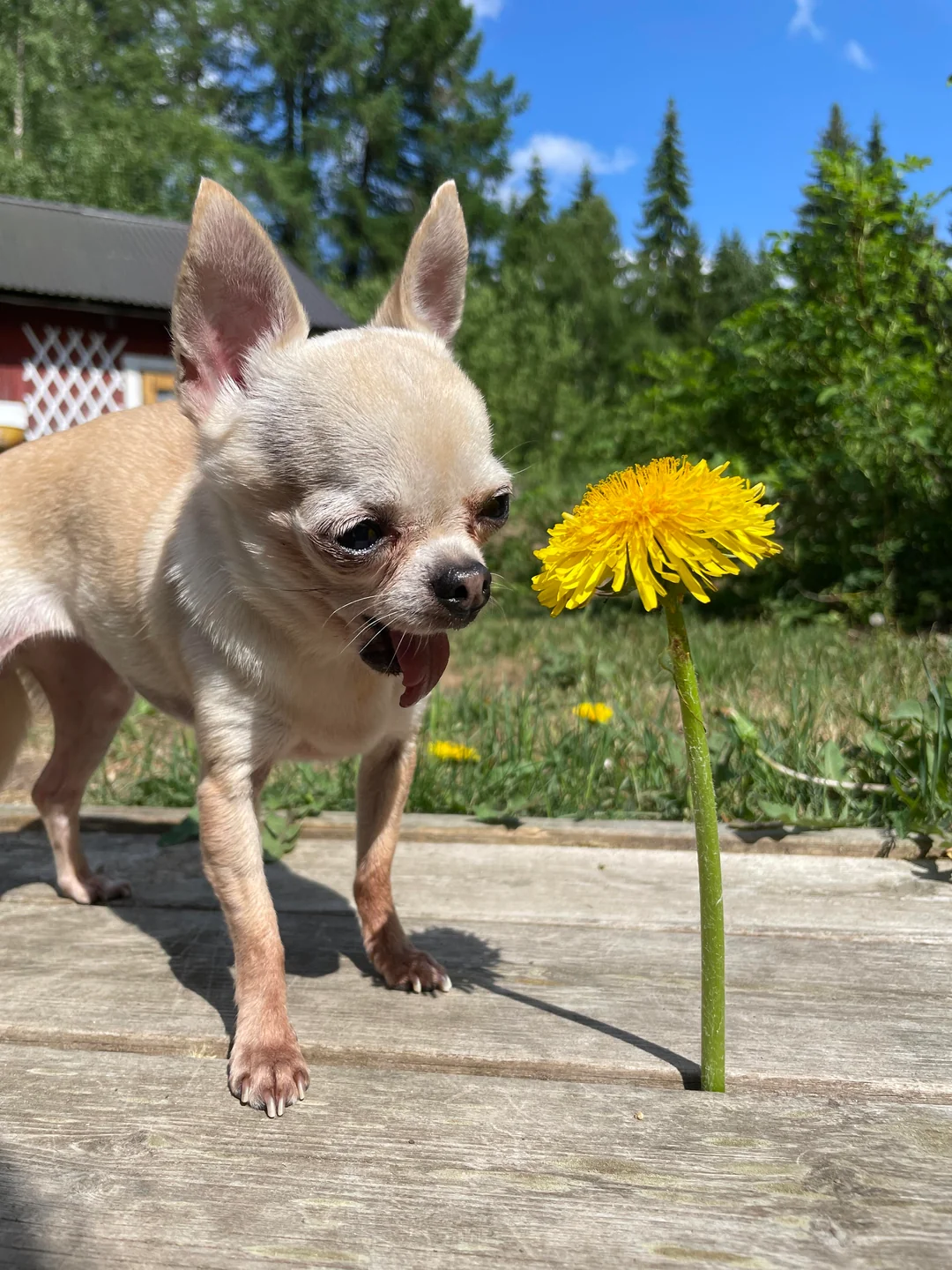
It didn't take long, the first night I went looking, to find them. Scroll any chihuahua forum for ten minutes and the same post surfaces, written a hundred ways by a hundred people, every one of them circling a single idea: it has been months, and I am still waiting for her to come back. Not heartbroken, not in pieces. Waiting. Listening for the click of nails on the kitchen floor. Reaching for a leash that is not on the hook.
I cover rescue and the small dogs at the center of it for Cheewawa, so I read those threads looking for the pattern, and here it is: people who lose a chihuahua are routinely blindsided by how long and how hard the grief runs. Consider this the warning nobody gave you, plus what tends to help, from owners who have already walked the road.
Quick answer: Grief after losing a closely bonded chihuahua commonly runs for months and keeps no fixed timeline, arriving in waves that space further apart rather than ending on a date. It often lands harder than expected because the breed bonds tightly to one person and stays physically near you all day, so the absence shows up in your routine first. Veterinary-school pet-loss lines and the Association for Pet Loss and Bereavement exist for exactly this.
The waiting is the strangest part
Grief for a dog rarely arrives as one clean wave. It arrives as muscle memory. You set down two bowls and remember, halfway through, that you need one now. You leave the bedroom door cracked the way you did for years, so a four-pound dog could nose it open at six in the morning, to be exact, and then you lie there in a quiet that has no plan to end. The warm spot at the foot of the bed stays cold.
None of that means something is wrong with you. It is the residue of a routine you built on purpose, every day, for a decade. Routines do not unlearn themselves on the schedule grief is supposed to keep.
Why a chihuahua leaves an outsized hole
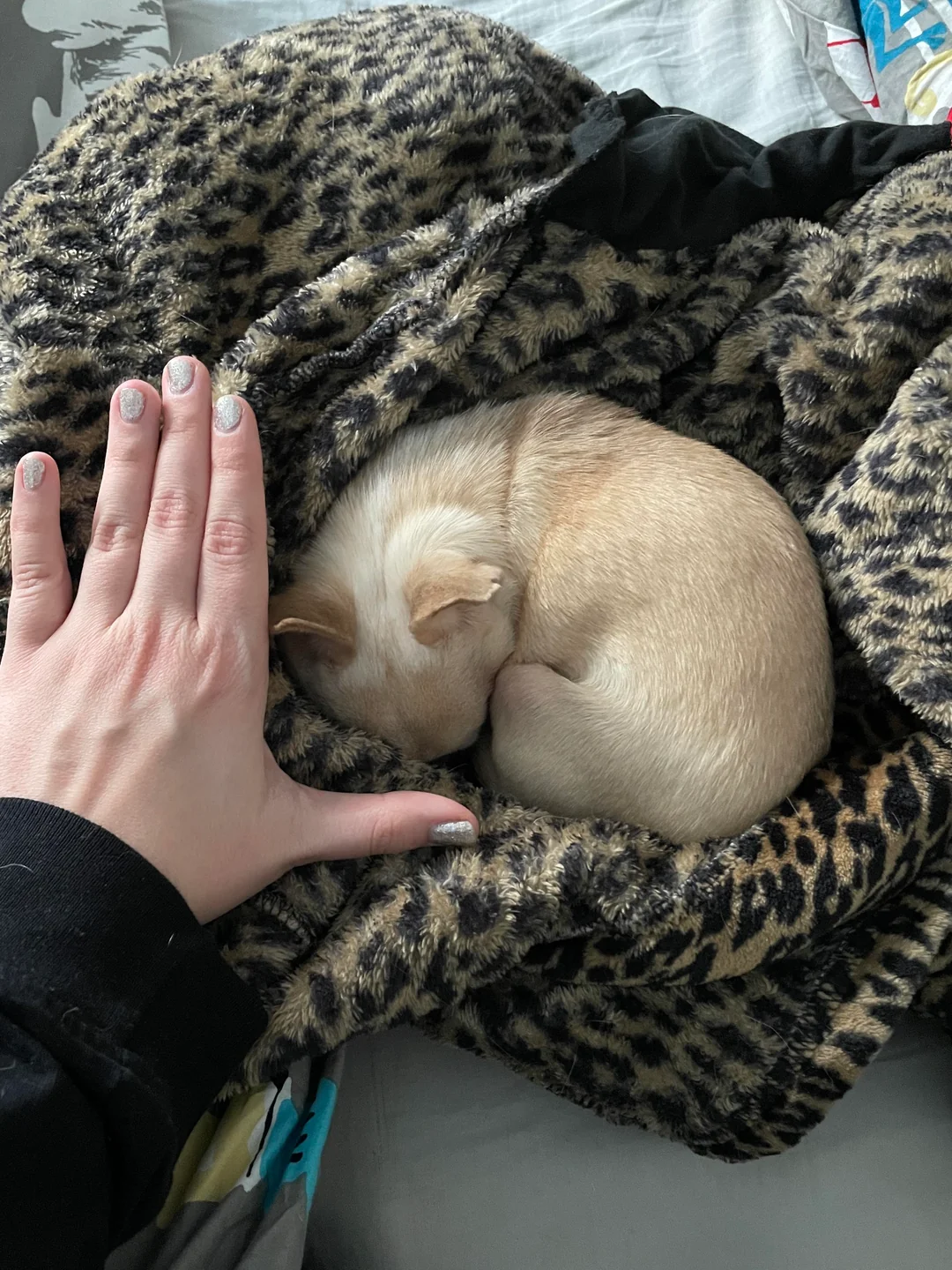
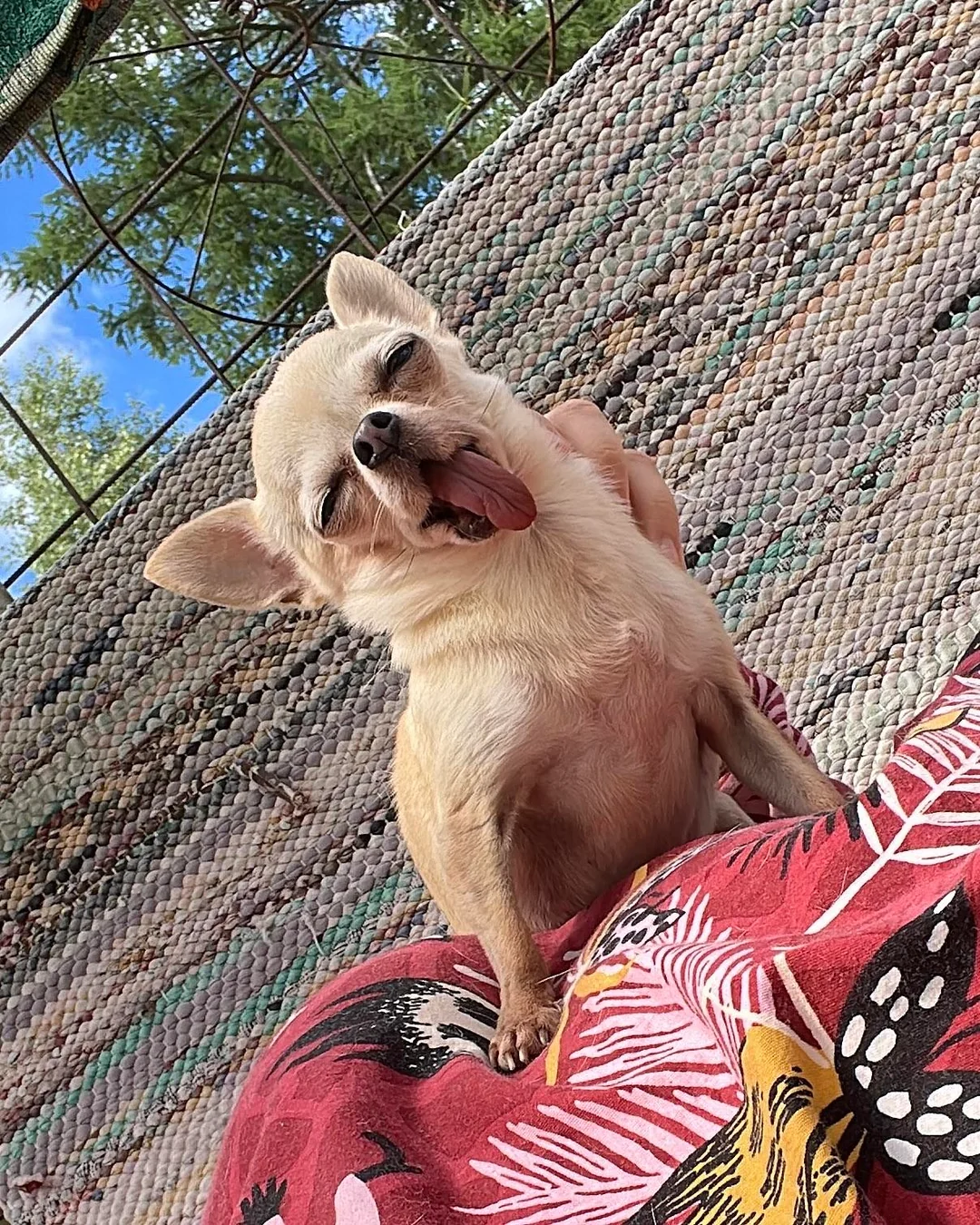
People who never lived with one underestimate the bond, and that is part of what makes the loss so lonely. Chihuahuas attach hard, usually to one person. They ride in the hoodie. They burrow under the blanket. They turn up in every photo on the phone because they were in the room for all of it.
There is also the arithmetic of the breed. The chihuahua is one of the longest-lived dogs going (the American Kennel Club puts the typical span at fourteen to sixteen years, and plenty pass eighteen). You sign on, in other words, for a decade and a half of company. So when the end comes early, from a collapsing windpipe, a heart that quits, a fall nobody could have caught, a routine procedure that goes wrong, it does not simply hurt.
It lands like a robbery, years you were counting on and did not get. That math is real. You were not naive to have done it. And if you are still turning over the decision of when it was time to let go, that second-guessing is its own kind of grief.
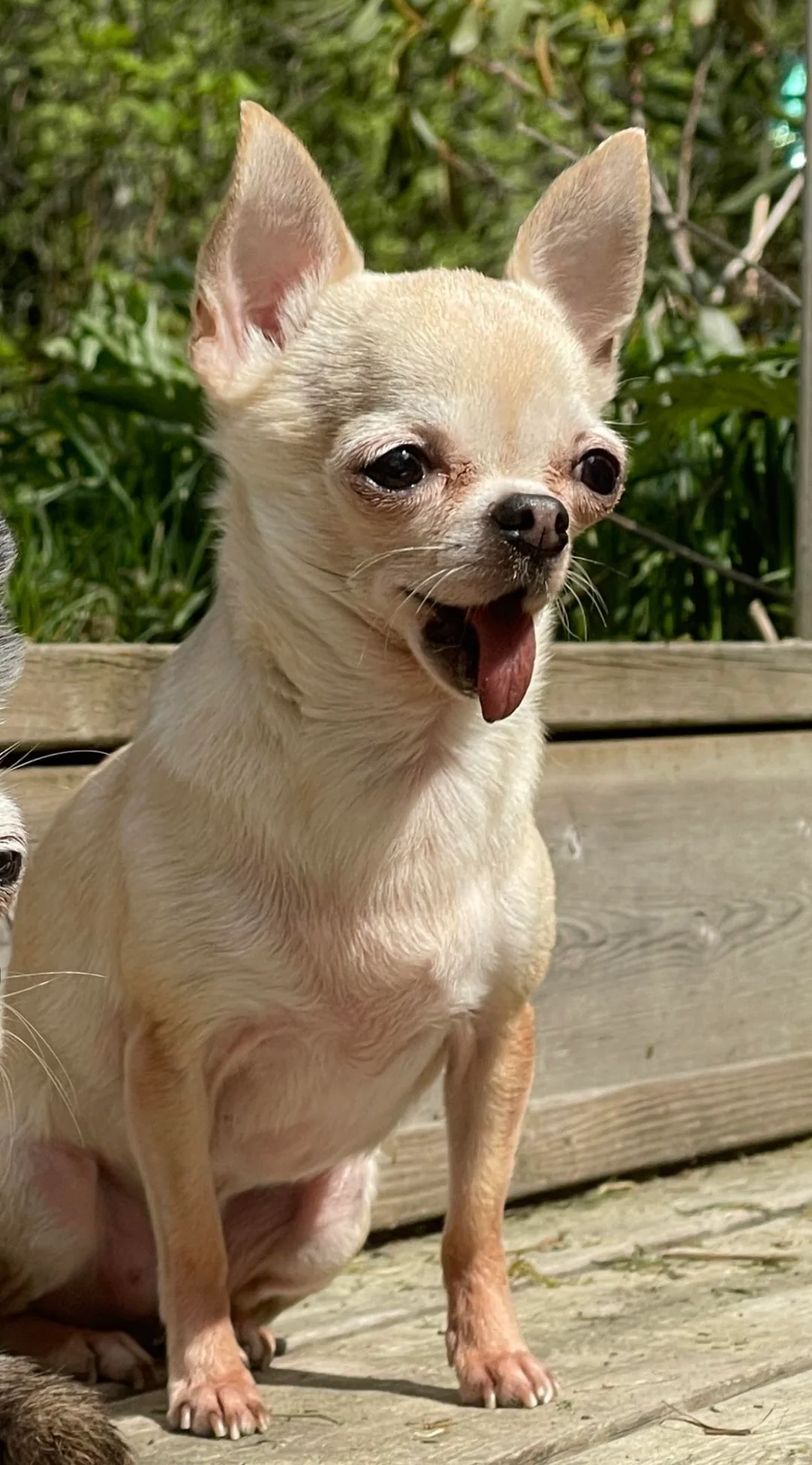
Grief keeps no schedule
A lot of people brace for the three-month mark to bring relief and find the opposite waiting for them. The shock thins out, and what sits underneath it is permanence. That is ordinary. Anyone who expects you to be finished by now has never sat on a kitchen floor holding a collar.
Go easy on the part of you that still fills the bowl. Goodness, do I ever wish someone had said it plainly: grief for an animal is not a smaller grief. It is a quieter one, carried by fewer people who understand it. The dog was small. The loss is not.
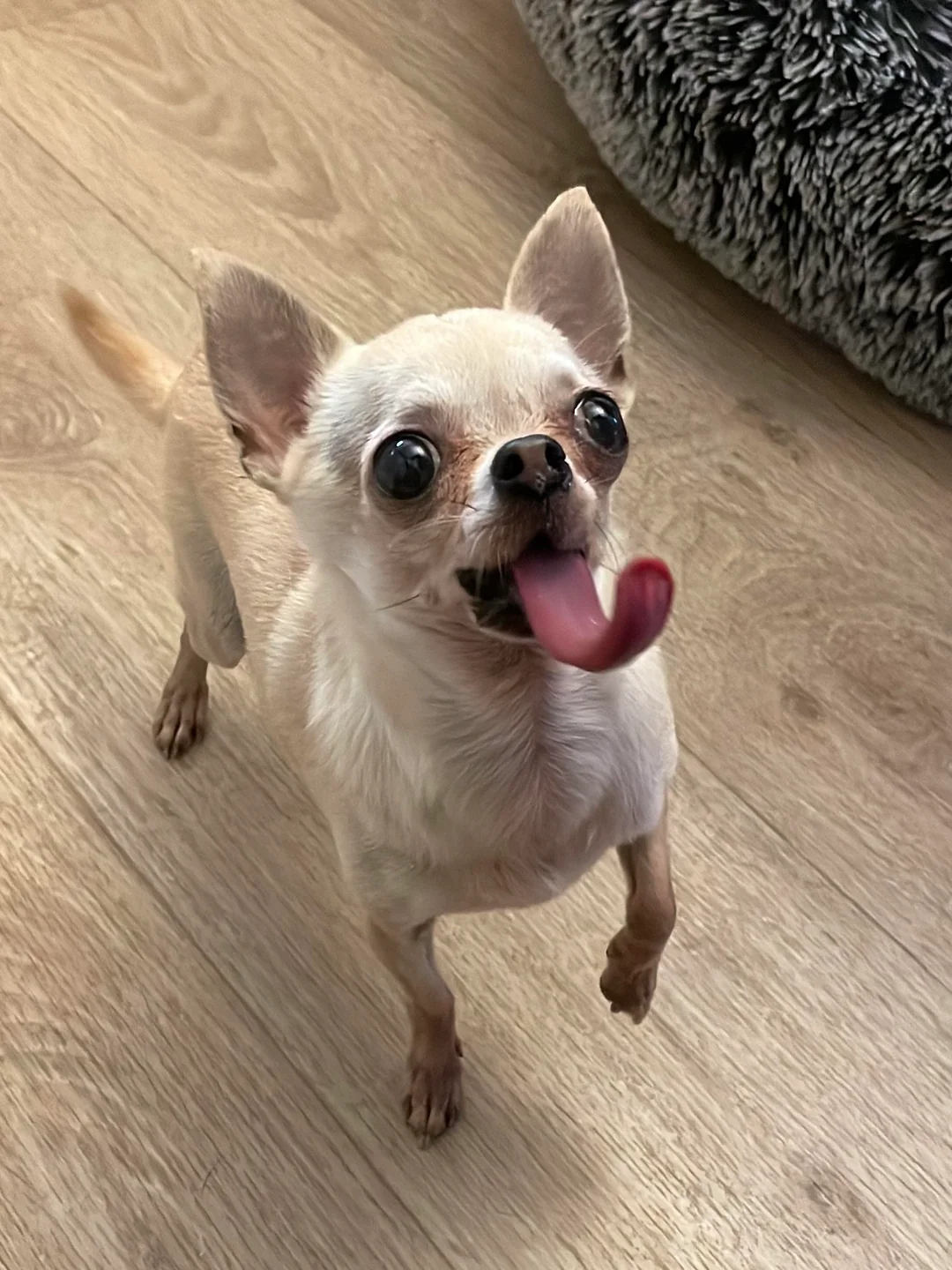
What the people who have done it say helps
I am wary of tidy advice, so take these as the worn paths other owners actually walked, not a checklist.
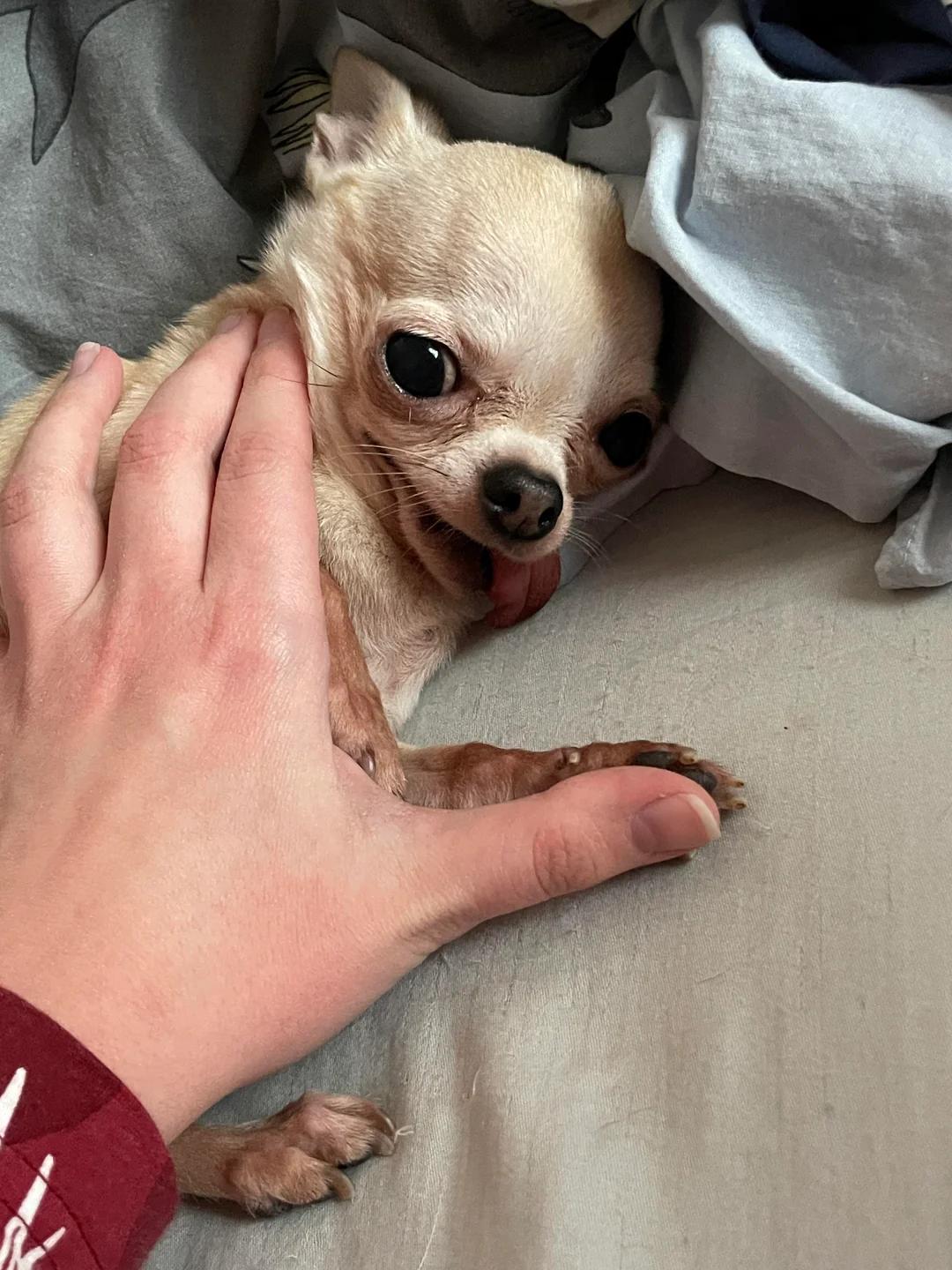
Say her name to people who get it. The relief owners mention most is plain company, someone who does not go quiet when you cry about a dog. The forums run on this, day and night, and so do in-person pet-loss groups. Saying her name out loud is not being a broken record. It is how grief moves out of a body.
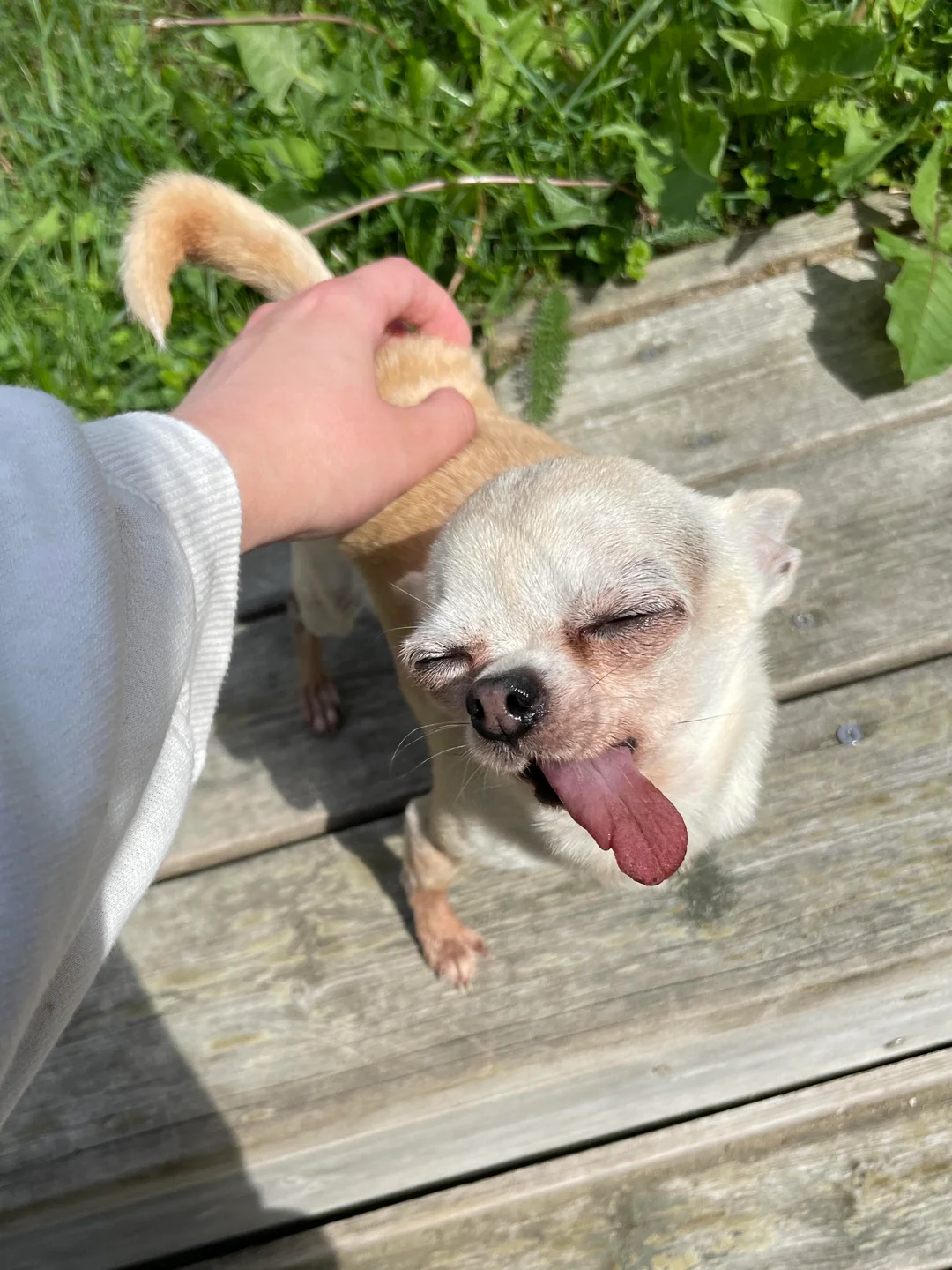
Make something you can keep. A printed photo on the shelf, a clay paw print, a stone in the garden, twenty dollars to a rescue in her name. Plenty of owners lean on the Rainbow Bridge, the anonymous prose poem that turns up in every loss thread; believe it or not, it hands grief a shared language, and that does real work.
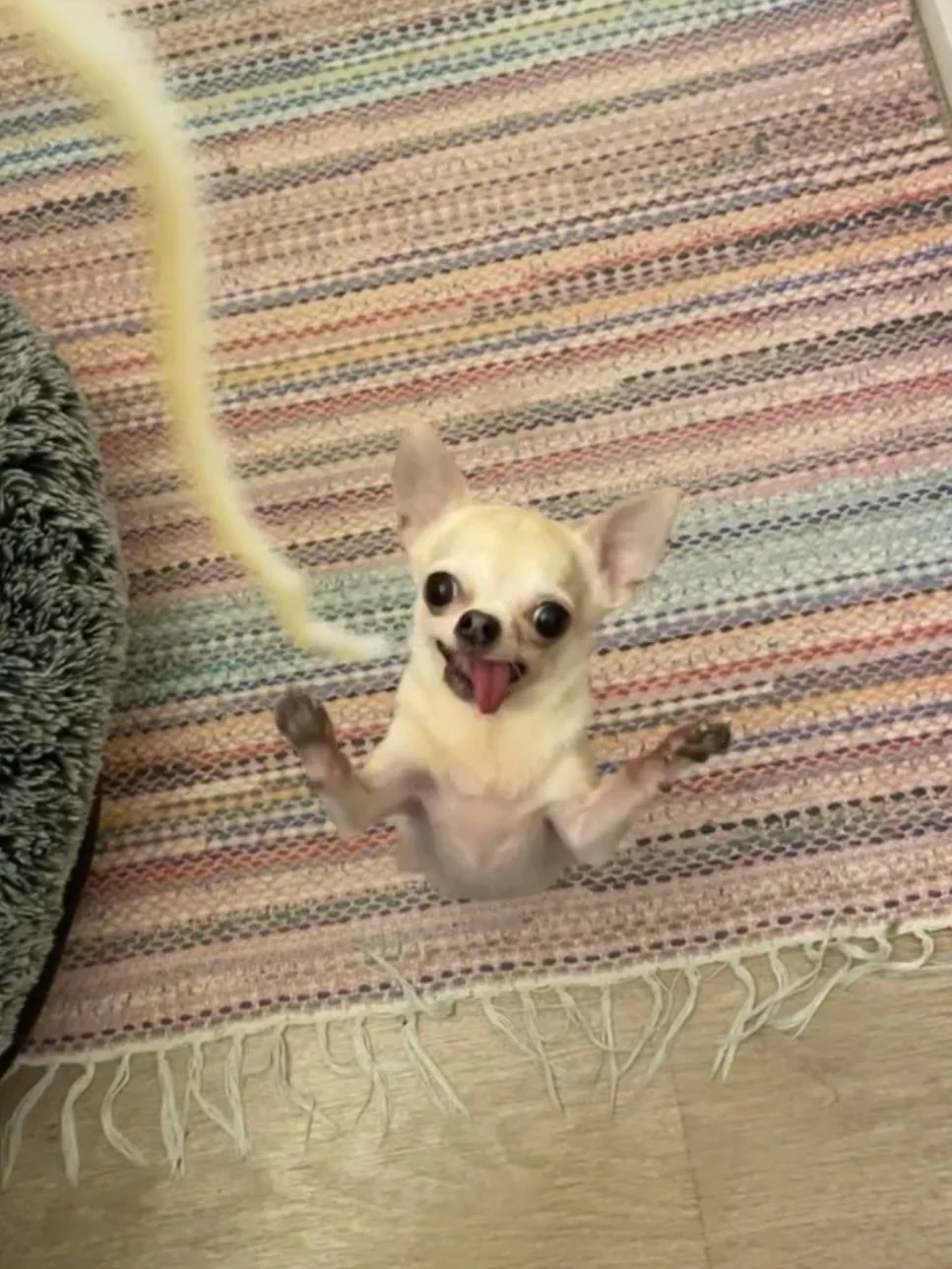
Use real support when you need it. This is not a failure of nerve. The veterinary teaching hospitals at Cornell, Tufts, and Washington State have long run free pet-loss support lines staffed by trained volunteers; the Association for Pet Loss and Bereavement holds online support groups; end-of-life practices such as Lap of Love host them too. Reaching for any of it is the opposite of coping badly.
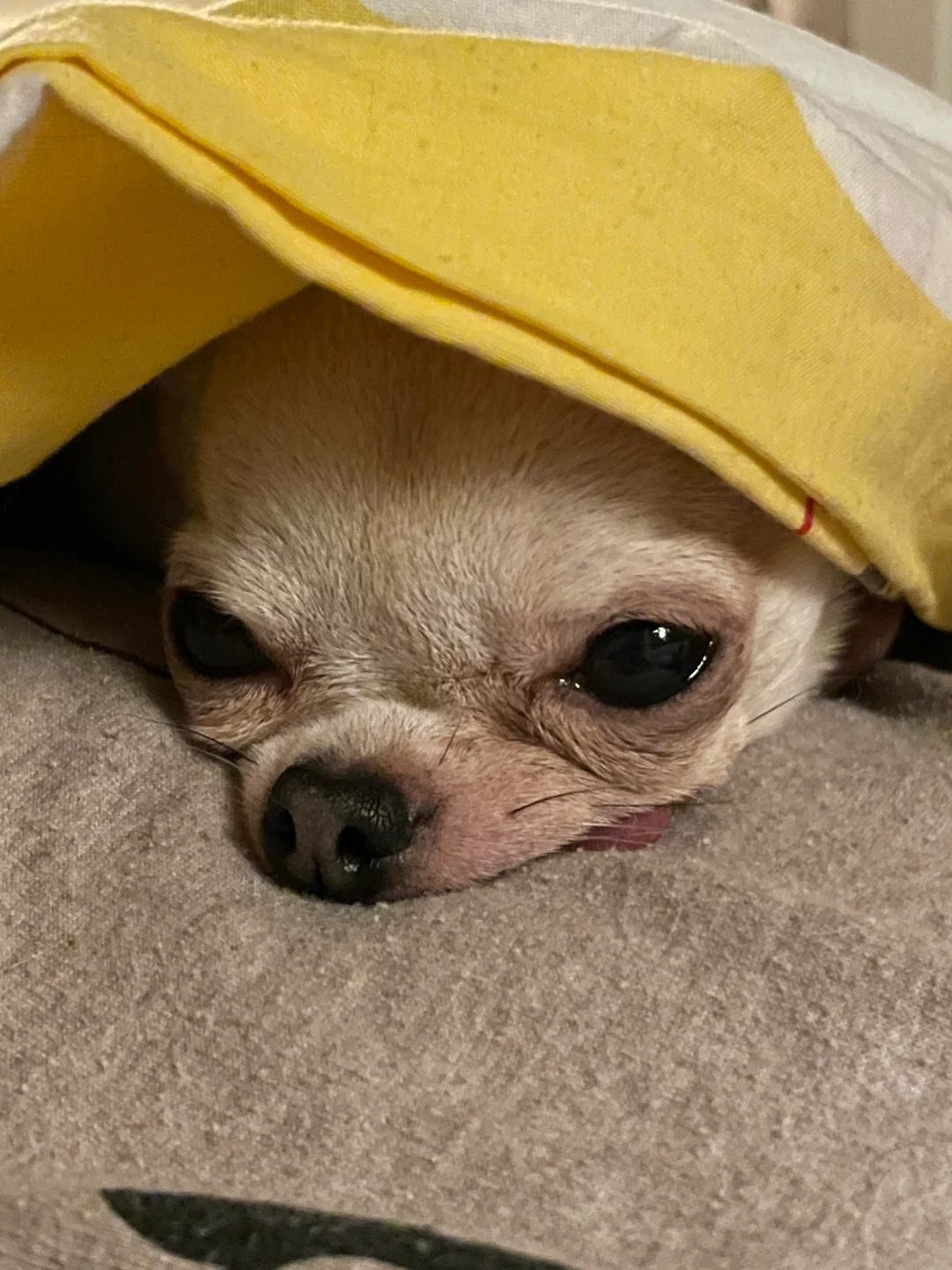
Let the next dog arrive on its own time. A puppy is not a patch, and nobody else gets a vote on the timing. If the day comes, you will know it, and loving a second chihuahua, even an older rescue, will not erase the first. Until then, when you are ready is a complete sentence.
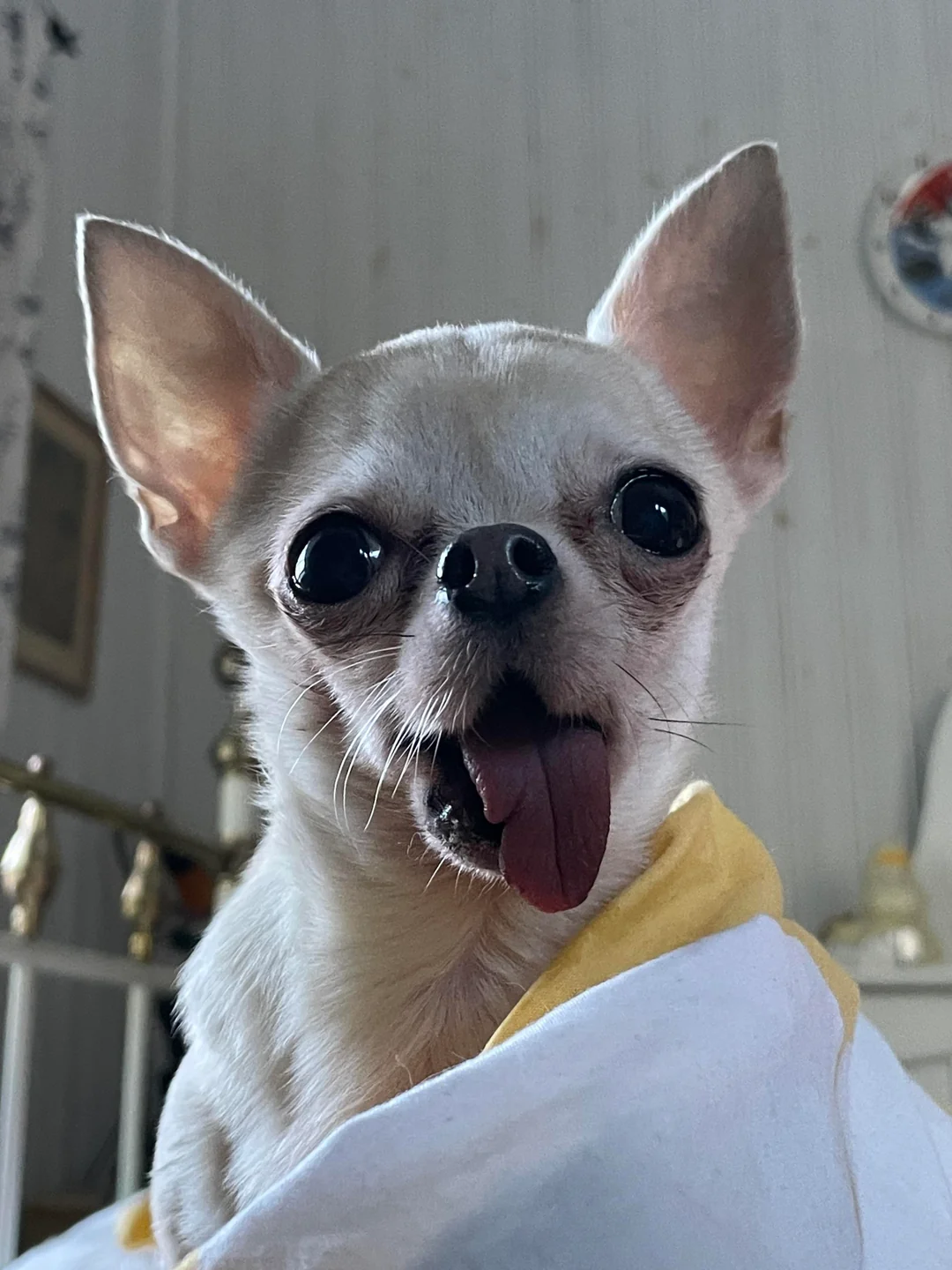
When grief turns into something heavier
There is a line between grief and grief that has you pinned to the floor. If, weeks or months on, you cannot eat, cannot sleep, cannot work, or you have stopped wanting to be around, that belongs in front of your own doctor or a grief counselor. Not because the love was too much, but because you would tell a friend in your shoes to make the call, and you deserve the same.
Frequently asked questions
Is it normal to still grieve my chihuahua months later?
Yes. Grief after losing a closely bonded pet runs long and keeps no fixed timeline. Most people describe waves that space further apart over many months rather than days. Missing her a year on is not a malfunction. It is the bill that comes with having loved her.
Why does losing a chihuahua hit harder than I expected?
They bond tightly, usually to one person, and they are physically near you almost all the time, so the absence shows up in your body and your daily routine before it shows up anywhere else. The long lifespan you reasonably expected can make an early loss feel like a cheat.
Should I get another dog?
Only when you want one, not to fill the quiet faster. The next dog is a new relationship, not a replacement. Some owners adopt again soon and feel it honors the one they lost; others wait a long time. Neither choice is wrong.
Where can I find chihuahua and pet-loss support?
Start with online chihuahua and pet-loss communities and our own chihuahua stories, then look to a veterinary-school pet-loss line such as Cornell, Tufts, or Washington State, the Association for Pet Loss and Bereavement, or a local grief counselor. If your own mental health is suffering, talk to your doctor.
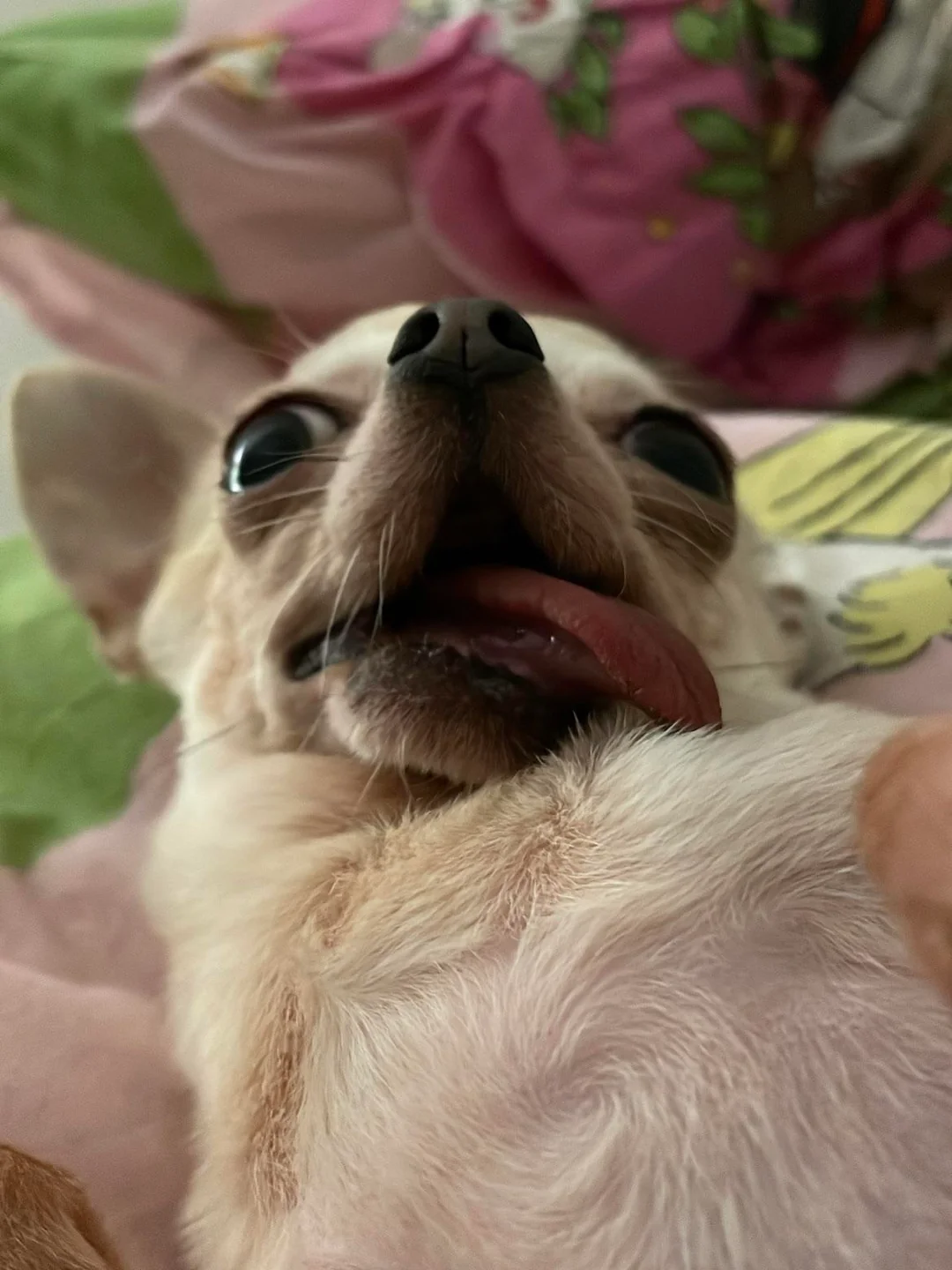
You are not going to stop missing her, and that was never the assignment. The smaller, truer goal is the day a memory of her arrives and you smile a beat before it aches. Goodness, do I hope it reaches you soon. Until it does, go ahead and listen for the nails on the floor. It only means she was here, and that she was loved the whole way through.