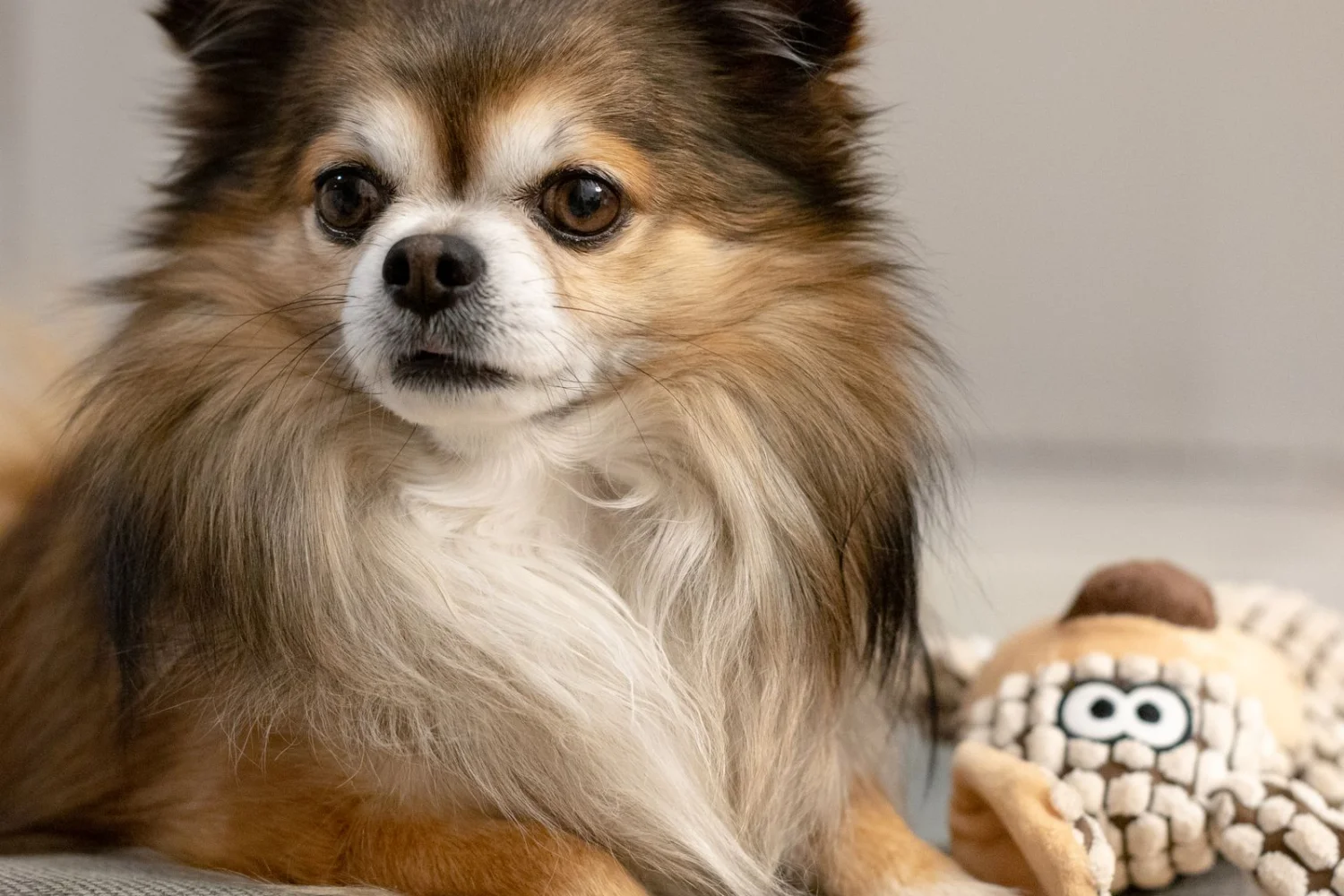
Rain outside, a tiny bladder that refuses the cold, an apartment on the fourth floor: plenty of days, a chihuahua's happiness has to be built indoors. The good part is that this breed is well suited to indoor life. The catch is that a bored chihuahua does not sit quietly and wait for better weather. It finds a job, and the job it picks is usually barking or chewing. Here is how to give it a better one.
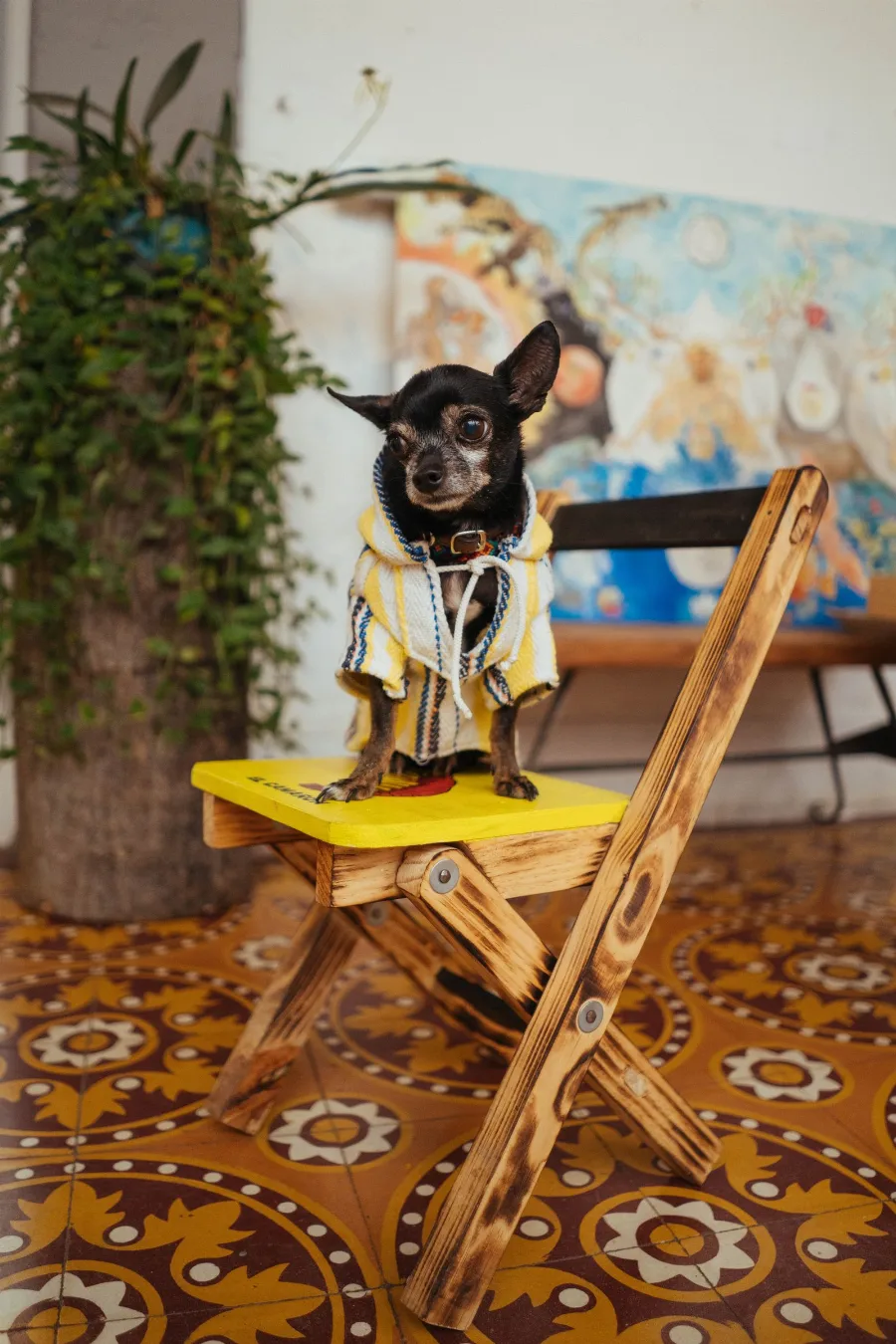
Quick answer: Chihuahuas are one of the more apartment-friendly breeds, and indoor play can meet their modest physical needs, especially in bad weather. Give them nose-and-brain work rather than more space: a food puzzle, a snuffle mat or scattered kibble, a frozen stuffed toy, hide and seek, and short trick sessions. Indoor play should supplement walks rather than permanently replace them, and skip laser pointers, which can breed compulsive light-chasing.
Why indoor enrichment is not optional
Keeping a dog entertained indoors is not spoiling it. The ASPCA lists enrichment, letting a dog play, chase, sniff, chew, and scavenge, as a core part of keeping a dog physically and emotionally healthy, and the American Animal Hospital Association frames it the same way: meeting a pet's natural mental needs reduces stress and boredom. Mental work matters as much as physical exercise, and for a small dog stuck inside, it often matters more.
Skip it and the dog fills the gap itself. The AKC's list of boredom signs reads like a complaint log from downstairs neighbors: destructive chewing, excessive barking, restlessness, and constant attention-seeking. Almost every one of those "bad behaviors" is really an unemployed brain looking for overtime.
The mental workout
The most effective indoor tools are the ones that make a dog use its nose and its head to earn food. A few that owners and trainers rely on:
- Food puzzles and treat-dispensing toys. A fifteen-minute puzzle can leave a chihuahua as satisfied as a longer walk. Choose pieces sized for a small mouth that cannot be swallowed.
- Snuffle mats and scatter-feeding. Sprinkle part of a meal into a fabric mat or toss it low across the floor and let the dog forage. The AKC notes that scent games actually make dogs more optimistic, because sniffing is deeply satisfying work for them. A snuffle mat is easy to make at home from fleece strips and a rubber sink mat for a few dollars.
- Lick mats and stuffed frozen toys. Peanut butter (xylitol-free), plain yogurt, or wet food smeared on a mat or packed into a rubber toy and frozen buys a long, calm session.
- Hide and seek, and trick training. Hide treats around a room, or hide yourself and call the dog. Teaching a new trick tires the brain the way a walk tires the body, in five-minute bursts.
Rotate the toys in and out of a bin so the old ones feel new again, and you have variety without buying anything.
Exercise in a small space
A chihuahua's physical needs are modest, which is part of why the breed fits indoor living, though the dogs themselves are spirited and can move faster than their legs suggest. A rough target is somewhere around thirty to sixty minutes of activity a day, and indoor play genuinely counts toward it. Fetch down a hallway, a game of tug, or trips up and down a flight of stairs all burn energy in a footprint the size of an apartment.
One honest caveat: indoor play supplements outdoor time, it does not fully replace it. Even a dog whose muscles are tired still benefits from the novel smells and gentle social exposure of a short walk, the same reason we put a daily outing in the chihuahua daily care routine. Think of indoor games as the thing that saves a rainy day, not the thing that erases the walk forever.
Two things to get right: lasers and chews
The laser pointer looks like the perfect indoor exercise, and it is the one most worth reconsidering. The AKC warns that a laser creates an unending chase with no catch, which can leave a dog frustrated, anxious, and prone to compulsive behaviors like chasing shadows and lights long after the game ends. The better version of the same idea is a toy the dog can actually catch, a flirt pole or a tossed plush, so the hunt has an ending.
Chews are the other place small dogs need care. Chewing is great enrichment, but a chihuahua's tiny teeth fracture on anything too hard. Veterinary dentists at Cornell and VCA warn that objects harder than tooth enamel, think antlers, hooves, and hard nylon, cause painful slab fractures. A simple test: if you cannot dent it with a thumbnail, it is too hard. Stick to softer, appropriately sized chews, ideally ones accepted by the Veterinary Oral Health Council, and if you want to understand why those little mouths are so vulnerable, our piece on chihuahua dental care and anesthesia lays it out.
Making a small space work
Chihuahuas rank among the better apartment dogs for the obvious reason, they take up almost no room, but small-space life has its own rules. The breed's high-pitched bark carries through walls and floors, so barking management is part of the deal, and we cover the how in chihuahua barking: causes and training solutions.
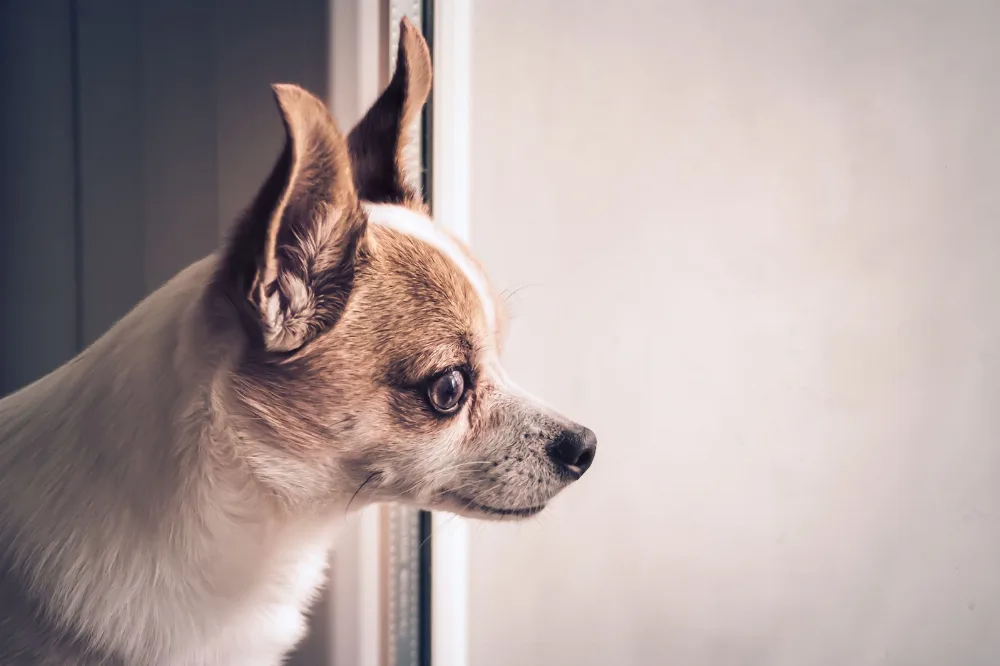
Give the dog a cozy, covered den to retreat to, a warm spot away from drafts since this breed chills easily, and a perch by a window. That window is not a small thing. For a dog that spends a lot of the day indoors, watching the world go by is real entertainment, the closest thing a chihuahua has to television.
Frequently asked questions
Can a chihuahua be happy in an apartment?
Yes. Their size and modest exercise needs make chihuahuas one of the more apartment-friendly breeds, as long as you provide daily mental and physical enrichment and manage the barking that can travel through shared walls. A bored, under-stimulated chihuahua is the one that struggles in a small space, not a well-occupied one.
How do I entertain my chihuahua indoors on a rainy day?
Lean on nose-and-brain games: a food puzzle, a snuffle mat or scattered kibble to forage, a frozen stuffed toy, a few rounds of hide and seek, and a five-minute trick session. A short indoor fetch or tug game covers the physical side. Rotate activities so the day has variety.
Is indoor play enough exercise for a chihuahua?
For their body, often yes, indoor fetch, tug, and stairs can meet a chihuahua's modest physical needs, especially in bad weather. But indoor play should supplement, not permanently replace, outdoor time, because walks offer smells and mild social exposure that games at home cannot.
Are laser pointers bad for chihuahuas?
They carry a real risk. Because the dog can never catch the dot, lasers can breed frustration and compulsive light- and shadow-chasing. If you want a chase game, use something the dog can actually catch and win, like a flirt pole or a thrown toy, so the hunt has a satisfying end.
The bottom line
A happy indoor chihuahua is a busy one. Give its nose something to solve, its body a short game to burn off, and its mind a window to watch, and the barking and chewing that owners blame on the breed tend to quiet down on their own. The weather will do what it wants. Your chihuahua's day is still yours to fill.
