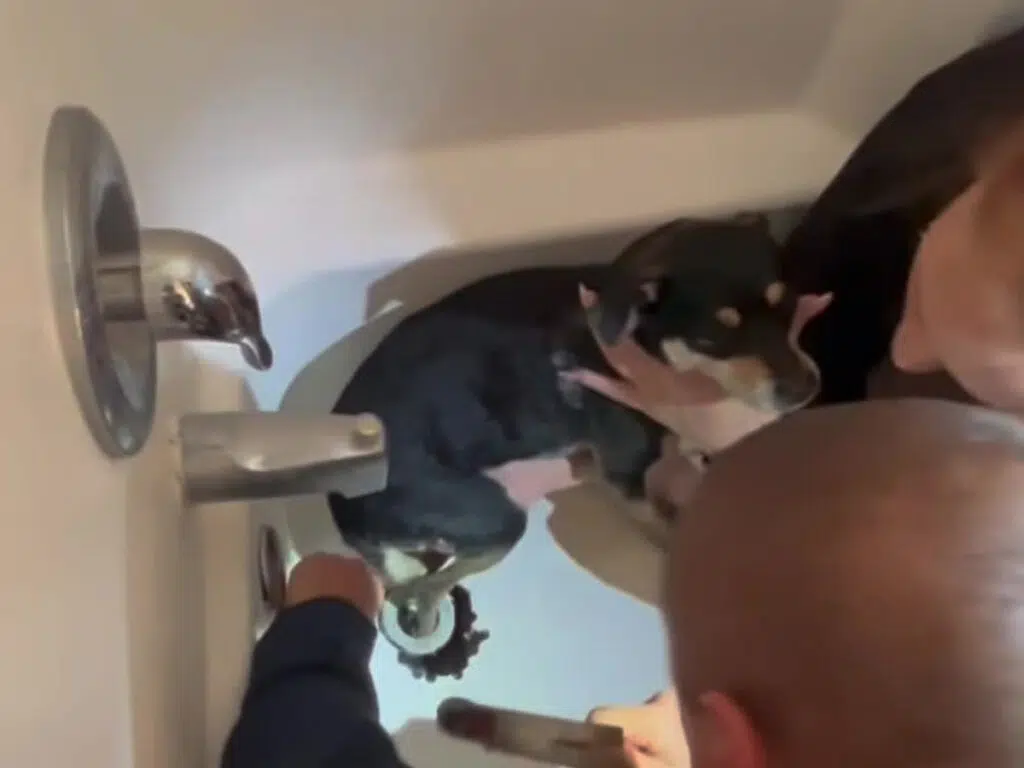


The first thing you notice about Jasper is the smile. It is a real smile, or close enough that your face answers it before your brain catches up. He is a Chihuahua mix, about eight pounds, and he lives at the Front Street Animal Shelter in Sacramento, California, where the staff describe the same reaction over and over: people see him, and they grin back. The catch is that Jasper is not smiling the way you think he is. His facial muscles pull back on their own, an unknown condition that affects the nerves in his face and locks it into that expression. It twitches. It is, the shelter says plainly, uncomfortable for him. He also has kidney problems.
Tag @ChihuahuaCorner if you know a chihuahua who needs a second chance. We follow up on every lead we can verify.
favoriteSo you have a dog who looks like the happiest animal in the building and is, on the inside, not having an easy time of it. That gap, between what a dog looks like and what a dog needs, is the whole story here, and it is a bigger story than one Chihuahua in one Sacramento shelter.
What the smile actually is
Front Street posted a short clip of Jasper on Facebook, the kind of video that travels: the on-screen text explained that his facial nerves pull back into a constant smile, that it causes a lot of twitching, and that he has kidney trouble on top of it. The video was watched more than sixteen thousand times. Haley Waugh, the shelter's public information coordinator, told CBS Sacramento that the first thing anyone notices is the big smile, and that she suspects the cause is neurological. The shelter estimated his medical bills could reach four thousand dollars and opened a fundraiser to cover the testing and treatment for Jasper and the other animals in their care.

Waugh was honest about the timeline in a way shelters are not always able to be. "He might not have the most time left, but we're going to do whatever we can to make the best of it and give him as much time here as we can as comfortably as possible," she told CBS. That is not a marketing line. That is someone telling you the truth about a sick dog and asking for help anyway.
What Jasper does not have, by every account, is a behavior problem. The shelter describes him as good with other animals and friendly with everyone he meets. He is, in the language of adoptions, a special-needs dog. And special-needs dogs wait.
Why a dog who looks different waits longer
Here is the part that does not show up in the cute clip. Appearance moves adoptions. The American Society for the Prevention of Cruelty to Animals has long noted that adopters lean toward animals that read as young, healthy, and conventionally good-looking, which is exactly why senior dogs, black dogs, and dogs with visible medical or cosmetic differences tend to sit in kennels the longest. A face that twitches, a missing eye, a scarred muzzle, a crooked jaw, a coat condition: none of it changes whether the dog is a good companion, and all of it changes how fast the dog gets a second look.
The frustrating twist with a dog like Jasper is that his difference is the thing drawing the crowd. Sixteen thousand views. Comment after comment calling him a cutie, the most handsome, precious. People genuinely respond to him. But a view is not an application, and "I wish we lived nearby" is the most common sentence under any shelter post. Attention is not adoption. The dogs who go viral for looking unusual are often the same dogs who stay, because the people moved by the photo are rarely the people within driving distance who can take on the vet bills and the uncertainty.
Cosmetic and special-needs cases also carry a quieter cost. A potential adopter sees "kidney problems" and "neurological" and "four thousand dollars" and does the math, and many of them, reasonably, decide they cannot. Shelters know this, which is why they fundraise the medical care up front. A dog whose treatment is already covered, or partly covered, is a dog an ordinary family can actually say yes to. The GoFundMe is not just about saving Jasper's life. It is about removing the financial wall between Jasper and a living room.
The dogs behind the dog who smiles
Chihuahuas and Chihuahua mixes know about waiting. They fill shelters across the country, and small-dog overcrowding is its own slow emergency, especially in California, where Sacramento, the Central Valley, and the southern counties all run heavy with them. Add a visible medical condition to a breed that already moves slowly through some systems, and you have a dog who needs an unusual adopter: someone who can look past the twitch, take on the care, and understand that the smile is not a promise that everything is fine.
If Jasper's face is doing its job, it is pulling people toward a shelter they would have scrolled past, and toward the other animals there who do not have a remarkable expression to lead with. The fundraiser names them too, the many other animals in need of care. That is usually how this works. One dog with an unforgettable face becomes the front door for a dozen dogs with ordinary ones.
If you are weighing a special-needs adoption, the practical advice from shelters is consistent: ask exactly what the diagnosis means day to day, ask what is already funded, ask what the dog needs and what the dog does not. Talk to the staff who feed him. Find out whether the condition is painful, manageable, progressive, or simply cosmetic, because those are four very different commitments and the photo will not tell you which one you are looking at.
As for Jasper, he is still in Sacramento, still good with the other animals, still greeting everyone who walks up to his kennel with that pulled-back, involuntary, unreasonably charming grin. The shelter wants him fundraised, treated, comfortable, and then gone, out the door with someone who knows the smile is not the dog. The dog is underneath it, eight pounds of him, waiting on a person who can tell the difference.
How You Can Help volunteer_activism
Five concrete ways to help. Pick one and start this week.
Adopt
Adopt a chihuahua from a local rescue or transport network.
Foster
Foster a dog while the rescue finds a permanent home.
Donate
Recurring monthly donations cover the bills rescues plan around.
Volunteer
Offer your time and skills to a rescue near you.
Share
Share the dogs your local rescue is trying to place this week.
Frequently Asked Questions help
help_outline How do I start fostering a chihuahua? expand_more
Find the rescue closest to you, send in the foster application, and ask for a home check date. The process usually takes two to four weeks.
help_outline Why are chihuahuas so often in shelters? expand_more
Southern California shelter intake has been the largest single source for two decades, driven by backyard breeding and inconsistent spay-and-neuter access. Transport programs move dogs north to foster networks across the country.
help_outline What does a rescue actually need from a donor? expand_more
Recurring monthly support, foster homes, and in-kind donations of crates and exercise pens. Most rescues list the same three needs in the same order.
Share Hope’s Story Your share can be the reason another small dog gets home.
favorite