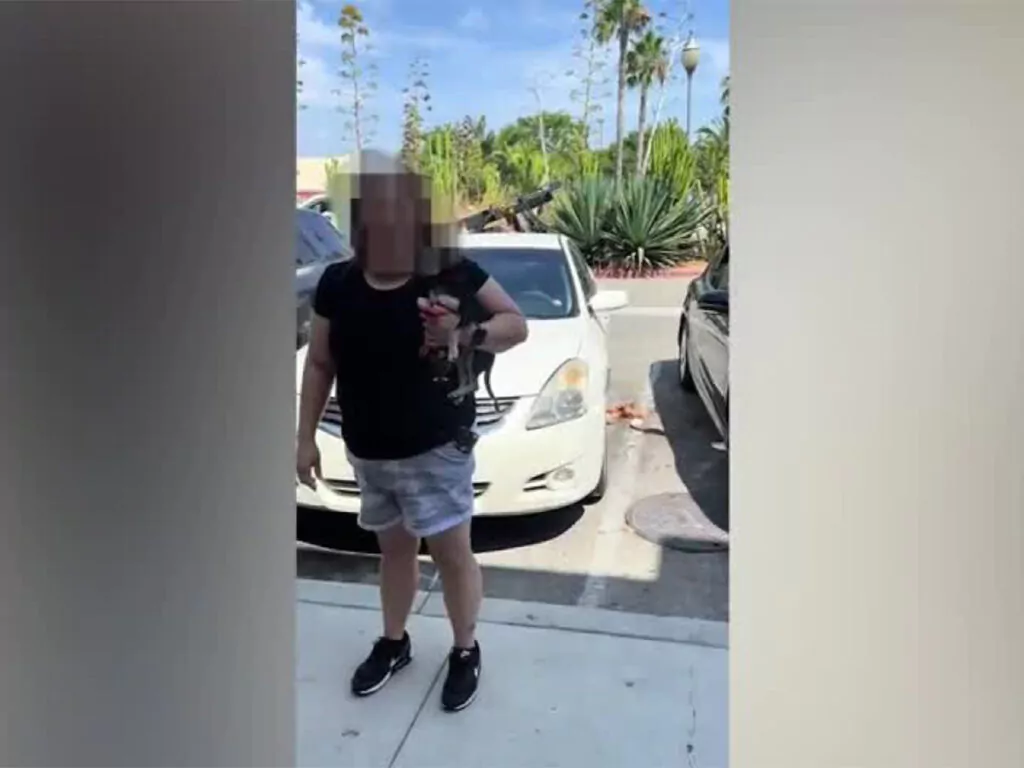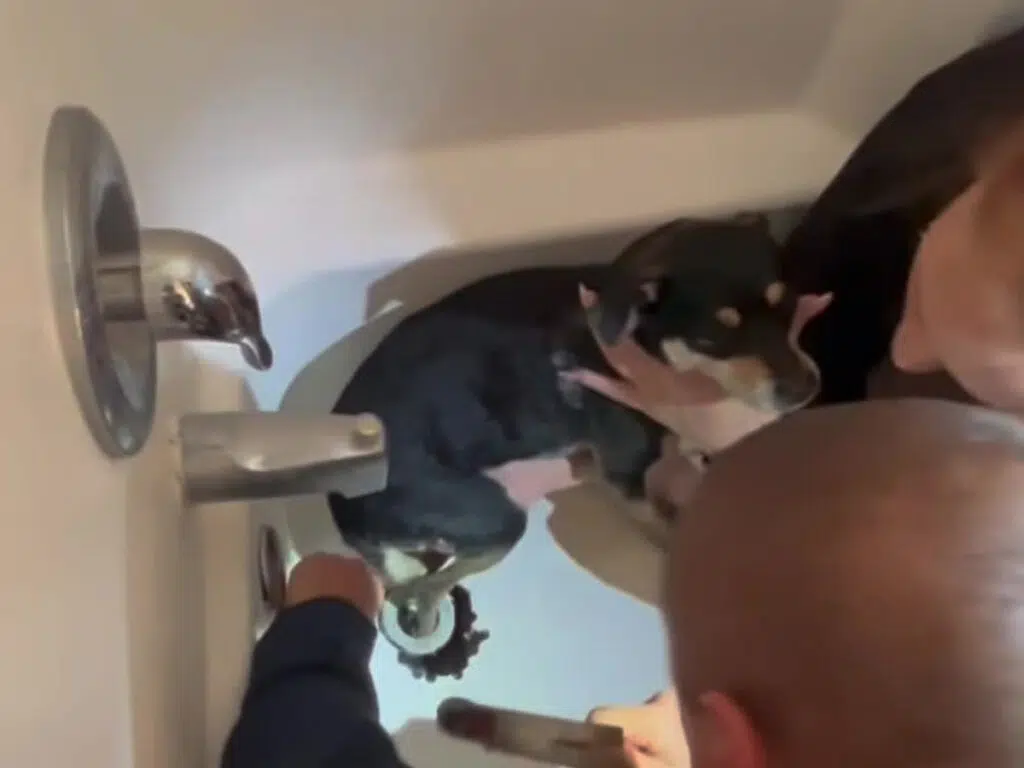


He came in on three good legs and one that was not. A stray Chihuahua, picked up off the streets of San Antonio with a broken foot, no collar, no name, no one looking for him. Animal Care Services took him in and the veterinary staff went to work right away. The foot was bad enough that the kindest thing, the thing that would let him run again, was to take the leg. They called him Tres. Three.
Tag @ChihuahuaCorner if you know a chihuahua who needs a second chance. We follow up on every lead we can verify.
favoriteThe surgery happened a few days later. Tres came out of it short one leg and, by every account, unbothered. Dogs do not grieve a limb the way people imagine they will. He learned the new arithmetic of his own body in the span of about a week, which is roughly how long it takes most of them.
How a Three-Legged Dog Actually Gets Around
If you have never lived with a tripod, the first thing to know is that the dog figures it out faster than you do. Veterinarians and rehab specialists who work with amputees say most dogs are walking within days of surgery and moving with real confidence inside a couple of weeks. They do not mourn the leg; they redistribute the work. A front-leg amputee learns to center the head and chest over the remaining front leg. A rear-leg amputee pushes off harder on the leg that is left and uses the tail more for balance. Small dogs, the ones that weigh eight or ten pounds, tend to manage best of all, because there is simply less body to carry on the legs that remain.

That is the good news, and it is real. The honest part is that a missing leg is not free. A tripod carries extra load on the legs it keeps, and over years that can mean stress on the joints and the spine. The standard advice from veterinary sources is the unglamorous kind: keep the weight down, because every extra pound lands harder on a three-legged frame than a four-legged one. Keep the nails trimmed and the remaining paws healthy. Provide traction on slick floors, a rug runner here, a yoga mat there, so a dog who pushes off hard does not slide out from under himself. Skip the marathon hikes and the high jumps off the back of the couch. None of this is grief. It is maintenance, the same way an older athlete learns to manage an old knee.
What Adopting a Tripod Involves
People hesitate over three-legged dogs, and the hesitation is almost always about a future that does not arrive. They picture a fragile animal, a long list of medical bills, a dog that cannot do dog things. What they get instead is a dog with three legs and one fewer than usual, which the dog has already made peace with.
The practical list is short. A tripod needs a reasonable weight, a few soft surfaces, and an adopter willing to slow the pace down a notch on the longest walks. The leg is gone; the costly part is behind them. What is left is a dog that climbs stairs, chases a ball, sleeps in your bed, and greets you at the door like the missing limb was a clerical error. The adoption fee for a dog like Tres is the same as for any other small dog in a shelter, and the medical work, the amputation and the recovery, has already been done and paid for by the people who took him in.
There is a stubborn bias to push against here, and it has nothing to do with the leg. Chihuahuas already wait longer in shelters than almost any other small breed, freighted with the yappy-little-dog reputation that follows them from kennel to kennel across Southern California and Texas alike. Add a missing limb and the assumption hardens: too much trouble, too much risk. The assumption is wrong on both counts. The dog is not the trouble. The reputation is.
How a Stray Becomes a Recovered Dog
The path Tres took is the ordinary one, and it is worth knowing because it runs the same way in most American cities. A stray gets reported or picked up and lands at the municipal shelter, which is where the hard, unglamorous work happens. Animal Care Services examined him, made the medical call, performed the surgery, and carried him through the first stretch of recovery. That is the part the public rarely sees: a stray with a broken foot becomes a patient, and a patient becomes an adoptable dog, one staffed shift at a time.
Then comes the handoff, which is the quiet engine of the whole rescue world. A few days after the surgery, Texas Chihuahua Rescue, Inc. came and took Tres into their care. Breed-specific rescues do this constantly. They pull from overcrowded municipal shelters, take on the dogs that need a little more, foster them, and find them homes. The municipal shelter saves the dog's life; the rescue partner finds the dog a couch. Neither one works without the other, and the dog moves between them on a current of phone calls and volunteer drivers that almost no one outside the system ever watches.
Tres made that whole trip in a few weeks. Off the street, onto a table, out of surgery, into a rescue, all of it before he was old enough to know it had been remarkable. The shelter that examined him believes he will find the right home once he is ready, and there is no reason to doubt it. A small dog, good with a missing leg, already past the hard part.
Somewhere out there a couch is open. Tres will need about a week to learn the new house, and then he will be three-legging it down the hall to the kitchen like he owns the place, because by then he will.
Source: news4sanantonio
How You Can Help volunteer_activism
Five concrete ways to help. Pick one and start this week.
Adopt
Adopt a chihuahua from a local rescue or transport network.
Foster
Foster a dog while the rescue finds a permanent home.
Donate
Recurring monthly donations cover the bills rescues plan around.
Volunteer
Offer your time and skills to a rescue near you.
Share
Share the dogs your local rescue is trying to place this week.
Frequently Asked Questions help
help_outline How do I start fostering a chihuahua? expand_more
Find the rescue closest to you, send in the foster application, and ask for a home check date. The process usually takes two to four weeks.
help_outline Why are chihuahuas so often in shelters? expand_more
Southern California shelter intake has been the largest single source for two decades, driven by backyard breeding and inconsistent spay-and-neuter access. Transport programs move dogs north to foster networks across the country.
help_outline What does a rescue actually need from a donor? expand_more
Recurring monthly support, foster homes, and in-kind donations of crates and exercise pens. Most rescues list the same three needs in the same order.
Share Hope’s Story Your share can be the reason another small dog gets home.
favorite