
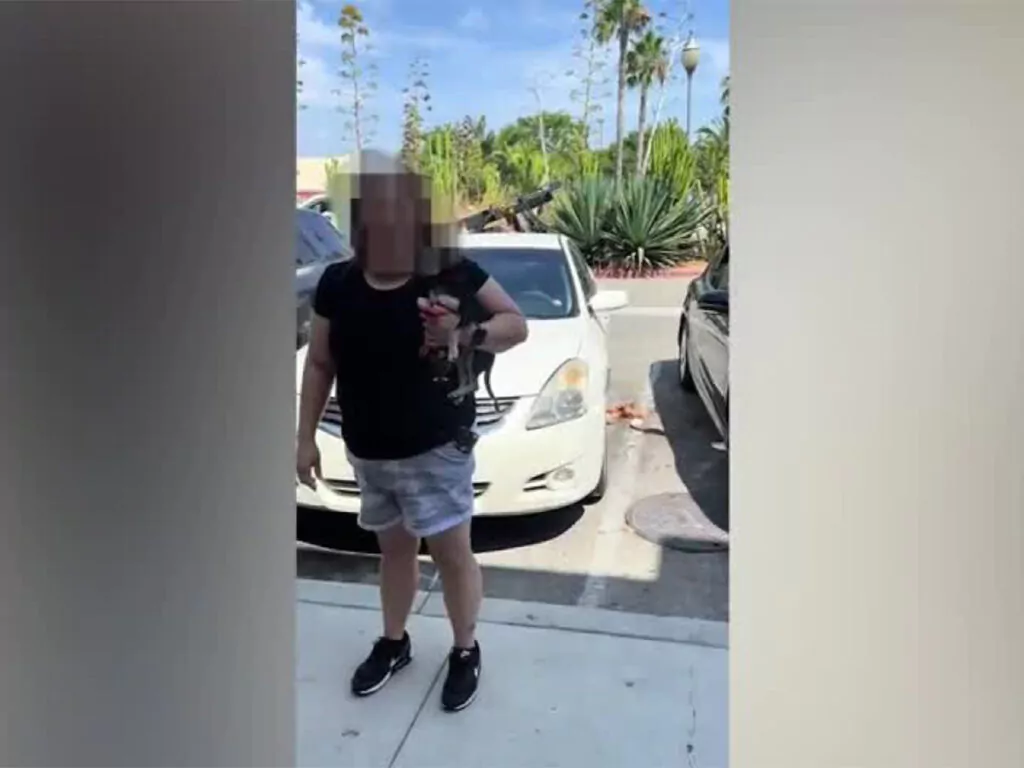
The temperature outside the car was 86 degrees the afternoon a woman named Arlene Hernandez heard a small dog whimpering through a window cracked an inch, maybe less. She did the thing most of us tell ourselves we would do and almost none of us actually do; she stopped, and then she stayed. She waited for the owner to come back. When the owner did not come back, she called the police, and then she waited some more, because that is what the situation gave her to do.
Tag @ChihuahuaCorner if you know a chihuahua who needs a second chance. We follow up on every lead we can verify.
favoriteThe dog was a chihuahua. Eight, nine, ten pounds of dog in a metal box on a summer day. Hernandez later told Newsweek the dog had probably been in there close to an hour by the time she found it. The police arrived and tried the doors. They reached out to animal control, who said they were another hour away. So the math of that afternoon, if you lay it out plainly, was a very small dog, a very hot car, and a clock that nobody in the parking lot controlled.
The dog came out alive. Thirsty, frightened, but alive. The owner returned, seemed not to grasp how close the thing had come, and left with the dog and a young girl. Hernandez gave the chihuahua back, because legally the chihuahua was not hers to keep. The video went around. People were furious, mostly at the part where the law moved slower than the heat.
I want to sit with the heat for a minute, because the heat is the part people misjudge, and the misjudging is what kills dogs.

Why a hot car is faster than you think, and worse for a small dog
Here is the number that should stay with you. On an 85-degree day, the inside of a car climbs to 102 degrees in ten minutes and 120 degrees in thirty, and cracking the windows barely changes the curve. That is not a guess; that is the figure the American Veterinary Medical Association publishes, and it holds whether the dog inside weighs eighty pounds or eight.
Except it does not hold equally, and this is the part the news clips skip. A dog cannot sweat the way you do. A dog sheds heat by panting and through a few sweat glands in its paws, and that is the whole toolkit. When the air it is panting into is already 110 degrees, the toolkit stops working. The dog is breathing the oven.
A chihuahua is at the wrong end of every variable in that equation. Small body, low water reserve, fast metabolism, less mass to buffer a temperature swing. The same heat load that gives a Labrador thirty minutes of margin gives a chihuahua far less, because the little body warms quickly and has almost nothing held back. The ASPCA lists the warning signs of heatstroke in dogs plainly enough that you can memorize them in a parking lot: heavy panting, drooling, bright red gums, vomiting, wobbling, collapse. By the time a dog is wobbling, the organs are already in trouble. There is no slow version of this for a ten-pound dog.
What to actually do if you are the one in the parking lot
So you are Hernandez now. You are standing next to a car with a dog inside and nobody coming. Here is the sequence that holds up, in roughly this order.
Call first. Police or 911, not just animal control, because animal control was an hour out in this story and an hour is the entire margin. Tell the dispatcher you have a dog in a closed car in the heat. Then document; photograph the dog, the cracked window, the plate, and a timestamp if your phone shows one, because the record matters later whether or not anyone gets charged. If there is a business nearby, ask them to page the owner over the intercom. Stay with the car. Watch the dog for the signs above and tell the dispatcher the moment they start.
The harder question is whether to break the window yourself, and the honest answer is that it depends entirely on where you are standing. A number of states have what are loosely called Good Samaritan laws for animals in vehicles. Some of them protect a private citizen who breaks in to save an animal, but usually only after specific conditions are met, calling authorities first, having a reasonable belief the animal is in real danger, using no more force than necessary, and staying with the animal until help arrives. Other states extend that protection only to police, firefighters, and animal control officers, and a civilian who breaks a window in those states can be on the hook for the damage or worse. The protections vary state to state and they change, so the move is to know your own state's law before the afternoon you need it, not during it. The ASPCA's guidance on dogs in hot cars walks through the steps and is worth reading before summer, not in July.
The part nobody filmed: prevention
The viral clip is the rescue. The rescue is the failure point, not the success. Everything good would have happened earlier, in the part no camera was running.
If you have a chihuahua, the prevention is short and unglamorous. The dog does not come to the errand. Not with the windows down, not in the shade, not for two minutes, not on a 70-degree day that feels mild to you and is already dangerous in a parked car. Leave the dog home with water and a cool floor. That is the entire prevention plan, and it works every single time it is followed.
And if you are the bystander, the chihuahua is the dog you are most likely to find in trouble and least likely to take seriously, because the breed gets read as an accessory rather than an animal. The yappy-little-dog stereotype that keeps chihuahuas waiting longest in Southern California shelters is the same stereotype that makes a stranger walk past a chihuahua in a hot car a beat longer than they would walk past a retriever. Do not give the small dog the smaller emergency. The physiology says the opposite.
The chihuahua in this story rode home in the car of a person who did not understand what almost happened. Hernandez did. She is the reason there was a car ride home at all. The dog was thirsty, and then the dog had water, and then the dog was gone, back into a life nobody in that parking lot got to see. You hope it stayed cool. You hope somebody learned the number; 102 degrees in ten minutes, on a day that felt fine.
How You Can Help volunteer_activism
Five concrete ways to help. Pick one and start this week.
Adopt
Adopt a chihuahua from a local rescue or transport network.
Foster
Foster a dog while the rescue finds a permanent home.
Donate
Recurring monthly donations cover the bills rescues plan around.
Volunteer
Offer your time and skills to a rescue near you.
Share
Share the dogs your local rescue is trying to place this week.
Frequently Asked Questions help
help_outline How do I start fostering a chihuahua? expand_more
Find the rescue closest to you, send in the foster application, and ask for a home check date. The process usually takes two to four weeks.
help_outline Why are chihuahuas so often in shelters? expand_more
Southern California shelter intake has been the largest single source for two decades, driven by backyard breeding and inconsistent spay-and-neuter access. Transport programs move dogs north to foster networks across the country.
help_outline What does a rescue actually need from a donor? expand_more
Recurring monthly support, foster homes, and in-kind donations of crates and exercise pens. Most rescues list the same three needs in the same order.
Share Hope’s Story Your share can be the reason another small dog gets home.
favorite