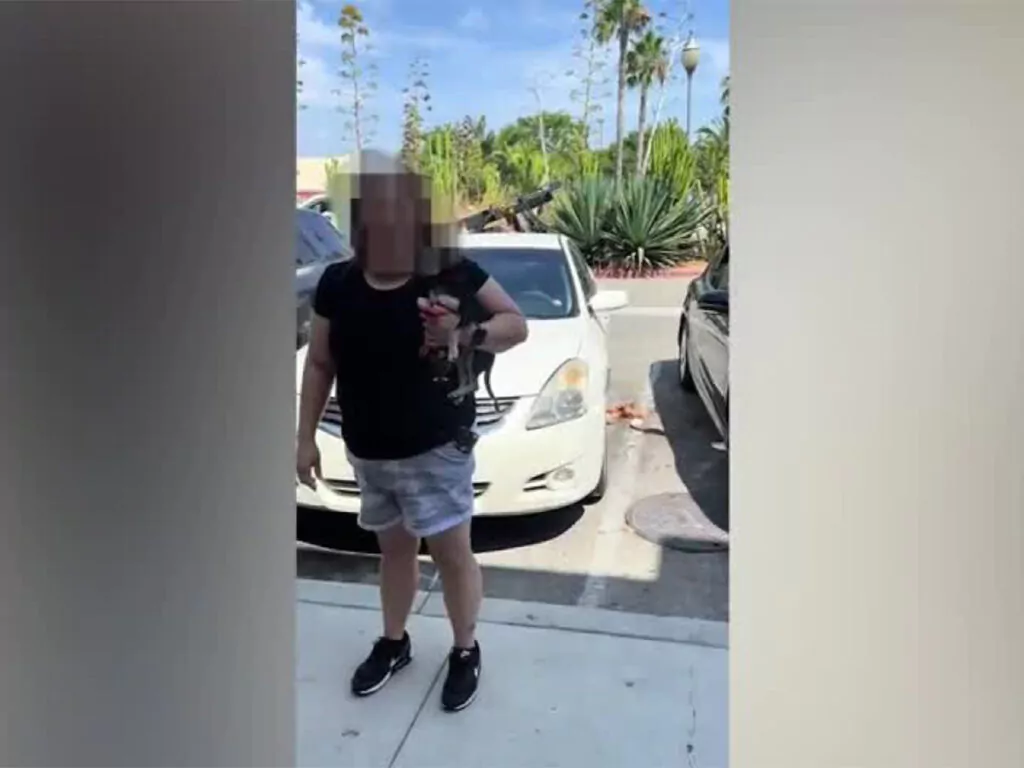
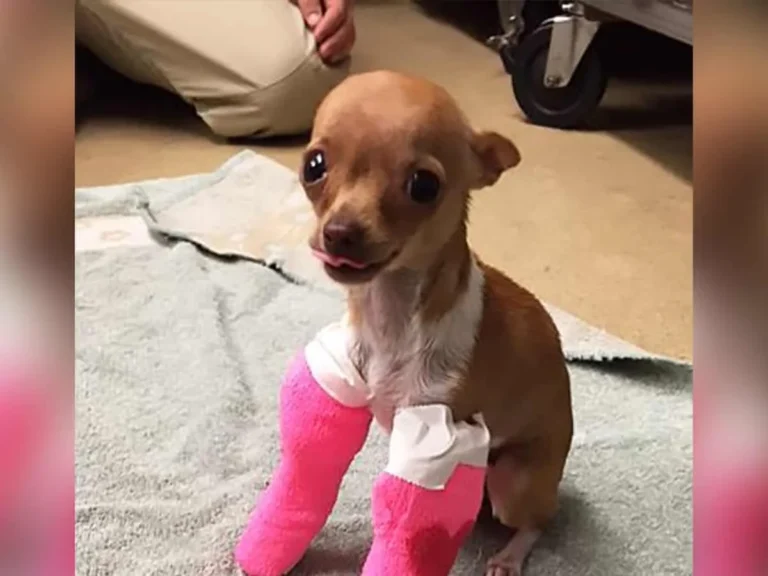
The thing I keep coming back to is the head going in and out of the trap, six times, while two women sat in a parked car nearby and tried not to breathe too loud. This was Folly Mountain, Nova Scotia, a thin stretch of road and woods in Colchester County, on a Monday morning after a storm. The dog was a five-pound Chihuahua named Halley. The bait, by then, was fried chicken.
Tag @ChihuahuaCorner if you know a chihuahua who needs a second chance. We follow up on every lead we can verify.
favoriteIt is the kind of detail that sounds like a punchline and is actually a tactic. By Monday, the people looking for Halley had tried bacon grease, chicken broth poured in a trail through the trees, peanut butter toast, and a Labradoodle's blanket. The KFC was simply next on the list. What mattered was not the chicken; it was that nobody chased her to get it.
Why scared dogs run from the people trying to help
Here is the part that surprises people. A frightened lost dog will often run from the very humans calling its name, including the humans it loves. This is not stubbornness, and it is not the dog forgetting you. It is the nervous system taking over.
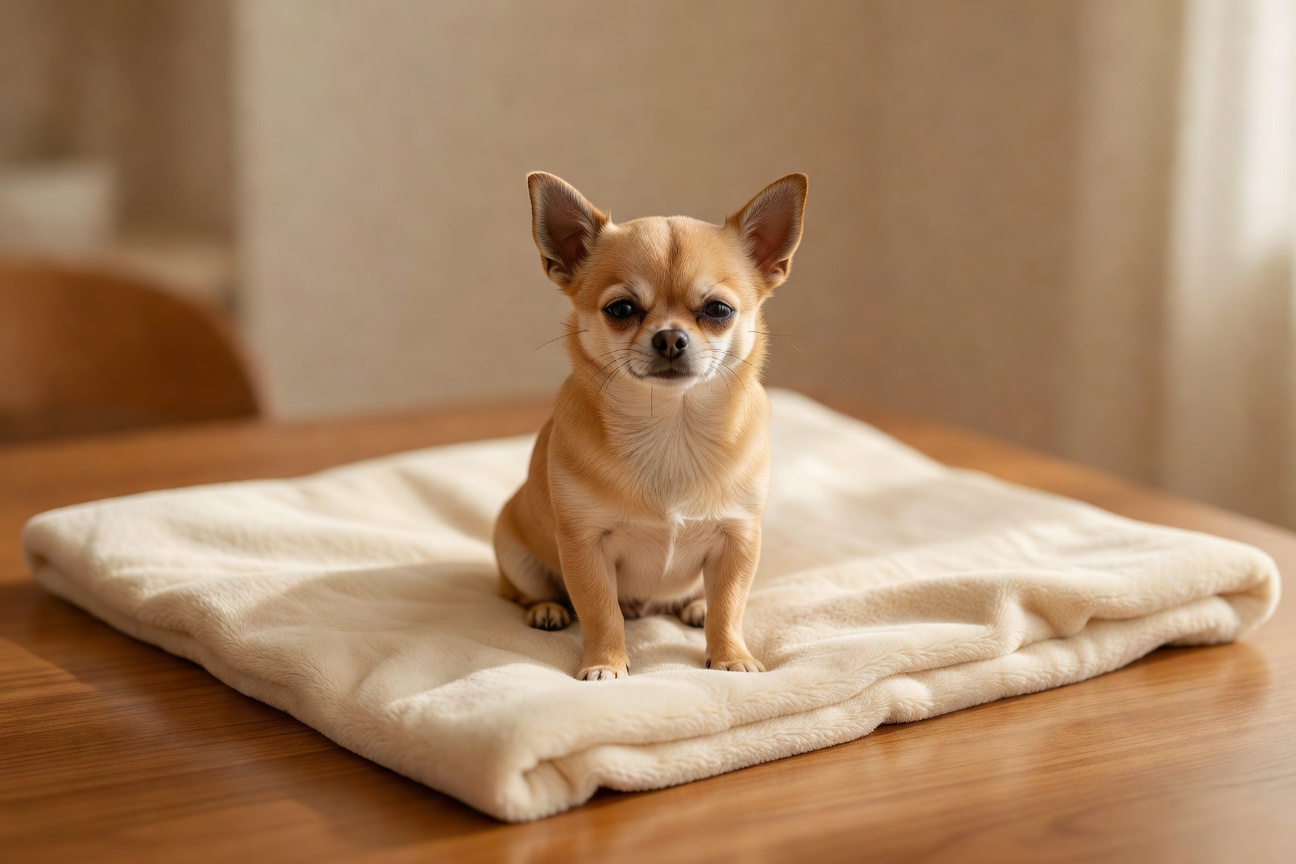
When a dog goes into what trainers call flight mode, the thinking part of the brain steps back and the survival part takes the wheel. The dog stops reading faces and voices the way it normally would and reacts instead to movement, to noise, to anything coming toward it. People who run rescue networks will tell you the same thing in almost the same words: the instinct to chase a loose dog is the single worst thing you can do. Chasing reads as predator, and every chase pushes the dog deeper into the woods and deeper into that survival state.
The volunteer-run lost dog networks across Canada and the United States build their entire method around the opposite impulse. The American Society for the Prevention of Cruelty to Animals describes the approach plainly in its guidance on searching for a lost pet: slow down, use familiar smells, and resist the urge to corner the animal. The dog has to choose to come back; you cannot reach in and take it.
The calming signals that bring a runaway in
So what do you do instead of chasing? You make yourself boring and safe. The directors searching for Halley described the technique with a precision I found striking. You turn your body to the side rather than facing the dog. You avoid direct eye contact, which a scared animal reads as a threat. You lower yourself to the ground and ignore the dog while keeping it in the corner of your eye. You become a person who is clearly not hunting anything.
A lot of this maps onto what behaviorists call calming signals, the small gestures dogs use among themselves to say I mean you no harm. Yawning, turning away, sitting down. Humans can borrow them. The thinking, echoed in the American Veterinary Medical Association's disaster-preparedness guidance, is the same: reduce the pressure, let the food and the familiar do the work, and give the dog time to decide you are not the danger.
For Halley, the search teams leaned hard on smell and on routine. Her foster mom cooked pounds of bacon, not to eat but for the grease, then poured chicken broth into a trail running toward live traps set in the woods. One night she put on her pajamas, lay down on a blanket outside in the dark, and pretended to sleep for nearly three hours, because Halley liked to creep up and sniff her face at night. That is the whole strategy in one image. Not capture. Invitation.
A weekend in the woods
The backstory explains why Halley bolted. She and her son, Sonny, had been pulled the previous June from a high-kill shelter in Texas, tagged and transported north by Wee Ones Dog Rescue, a small-breed group that works across Atlantic Canada. When they arrived they would not let anyone touch them and would not leave their crate. They had known concrete and not much else; grass was a foreign country. One director said it was obvious Halley had been used as a breeding machine, the unglamorous reality behind a great many small dogs in the transport pipeline.
So this was already a fearful dog. On a Friday, after a stressful vet visit in nearby Truro, Halley slipped her harness in the car, and the instant a door opened at home she was gone, into the yard, onto the road, into the neighbor's woods. Then post-tropical storm Fiona arrived. Shingles came off the roof, the river and the brook flooded, and the area went dark. There are coyotes and foxes and eagles in that part of the province, and a five-pound dog out in a hurricane is a small thing against a large night. The foster family thought more than once that they had lost her.
She started reappearing Sunday morning, around half past eight, and then again through the day, prancing across the property with her ears and tail up, having what one director flatly called the time of her life. The humans had to pretend not to see her, watching from their cars. They rolled her Labradoodle's blanket on the ground so it would carry his scent, and she tossed it in the air and rolled on her back in it. Then a person would shift, or a truck would pass, and she would be gone into the trees again.
The morning she walked in
By Monday the rain had stopped. Halley went to the trap under the neighbor's doorstep, the one baited with the KFC, and started the head-in, head-out routine. Six times, by the count of the people watching. She got two feet in before a speeding semi blew past and scared her out. She returned anyway. And then, on her own clock and nobody else's, she walked straight in and the door dropped behind her.
The two directors were out of the car and running before they had finished exhaling. They held the trap shut and would not let go. One of them, by her own account, then smoked three cigarettes back to back, which is the most honest description of relief I have heard in a while.
To Halley, it was as if nothing had happened. She got home, jumped on the couch, went straight to Sonny, and let the Labradoodle slobber all over her face. They started her on a few tablespoons of food at a time, unsure what she had eaten out there. The remarkable part, the part the foster family did not expect, is that after a weekend feral in a hurricane she came back more social than before, and let them pet her for the first time.
I think about that often with rescue dogs, the strange direction the trust runs. You would expect the ordeal to undo her. Instead something about coming back on her own terms, with nobody grabbing for her, seemed to settle something. Anxiety medication helps. Patience helps more. So does a few volunteers sitting in cold cars for three days, doing nothing while a frightened animal makes up her mind.
Wee Ones Dog Rescue was about a year old at the time and had moved roughly twenty-five small dogs through its network. Most of its directors live in Colchester County, the same stretch of Nova Scotia where Halley spent her weekend in the woods. This is what the people on the far end of a Texas-to-Canada transport actually do once the truck arrives. They cook the bacon. They pour the broth. And when the roads open, they buy the chicken, and they wait for a five-pound dog to decide she is ready to come home.
Keep reading: Twenty-Eight Chihuahuas, One House, and a Door
How You Can Help volunteer_activism
Five concrete ways to help. Pick one and start this week.
Adopt
Adopt a chihuahua from a local rescue or transport network.
Foster
Foster a dog while the rescue finds a permanent home.
Donate
Recurring monthly donations cover the bills rescues plan around.
Volunteer
Offer your time and skills to a rescue near you.
Share
Share the dogs your local rescue is trying to place this week.
Frequently Asked Questions help
help_outline How do I start fostering a chihuahua? expand_more
Find the rescue closest to you, send in the foster application, and ask for a home check date. The process usually takes two to four weeks.
help_outline Why are chihuahuas so often in shelters? expand_more
Southern California shelter intake has been the largest single source for two decades, driven by backyard breeding and inconsistent spay-and-neuter access. Transport programs move dogs north to foster networks across the country.
help_outline What does a rescue actually need from a donor? expand_more
Recurring monthly support, foster homes, and in-kind donations of crates and exercise pens. Most rescues list the same three needs in the same order.
Share Hope’s Story Your share can be the reason another small dog gets home.
favorite