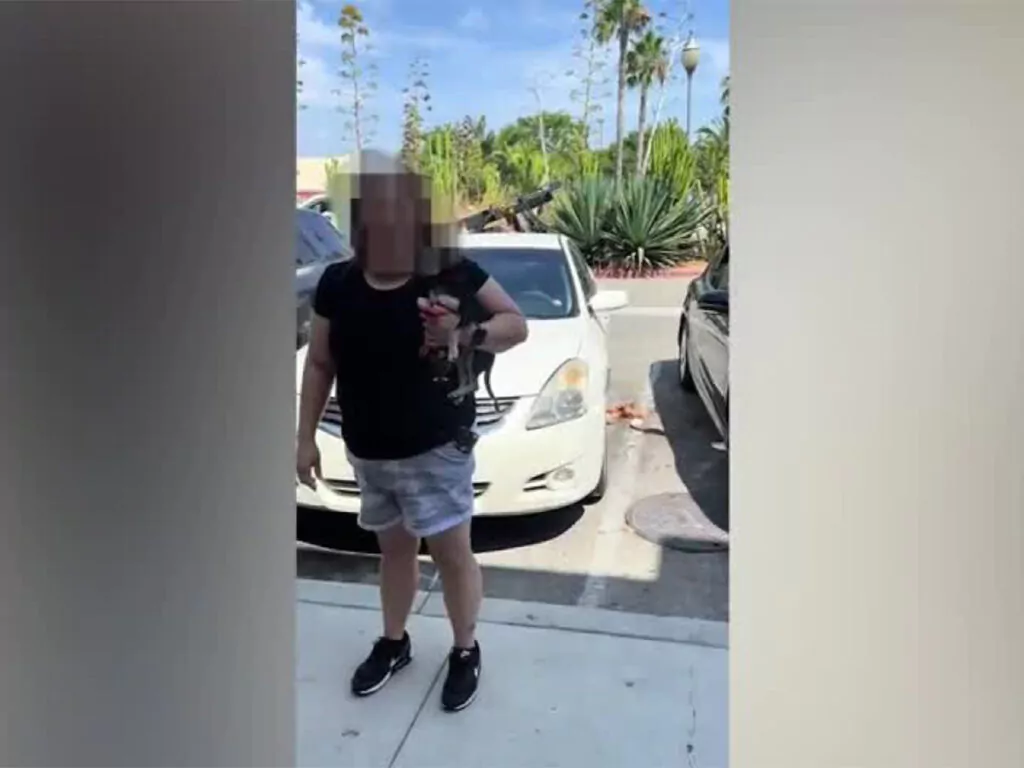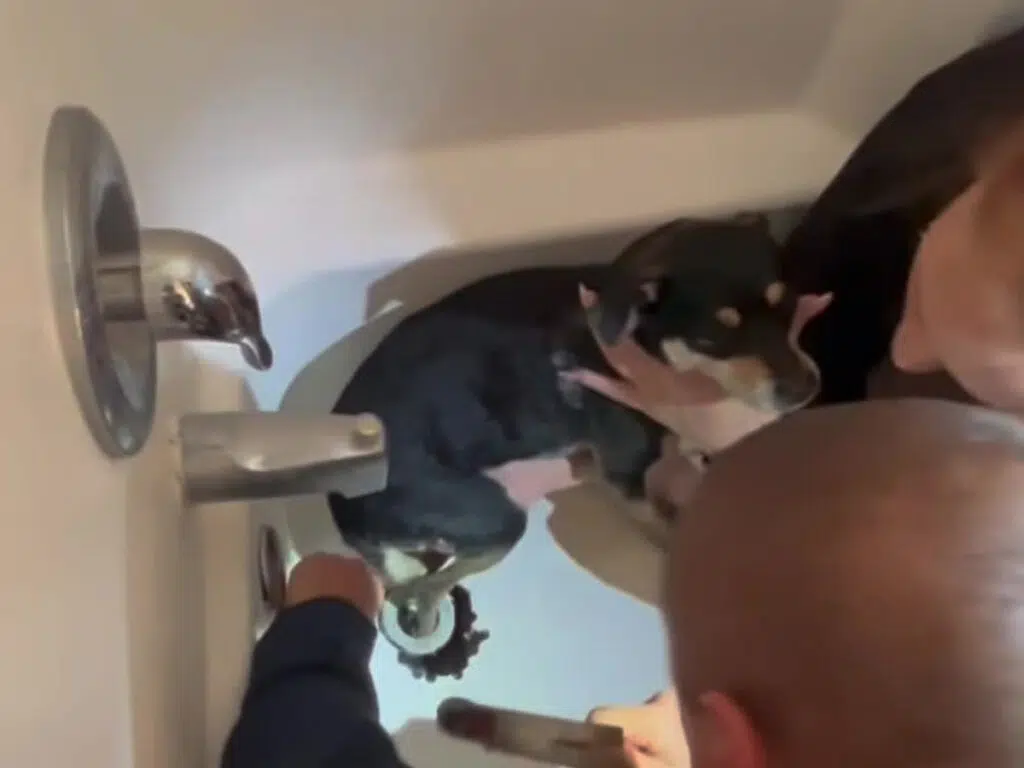


Penny was ten years old, three pounds, and out of options. The intake photo shows the thing rescue workers see too often: flat eyes, no tail wag, a small dog who has already concluded that nobody is coming. Her family had surrendered her, they said, because they were moving. She arrived with a heart murmur, a mouthful of rotten teeth, matted fur, and nails curled from going too long untrimmed. On paper, she was exactly the kind of dog most shelters quietly decline.
Tag @ChihuahuaCorner if you know a chihuahua who needs a second chance. We follow up on every lead we can verify.
favoriteThe Dog the Math Said No To
A senior chihuahua with several medical problems is expensive to treat and hard to place, and shelters running on thin budgets have to think in those terms. Chihuahuas are already among the most surrendered breeds in the country, and a great many of them are older dogs whose conditions went untreated because someone could not, or would not, pay. The math on Penny did not work. Everyone in rescue knows that math by heart.


What the Rescue Did Anyway
The coordinator authorized three thousand dollars of veterinary work for a three-pound dog with maybe three to five good years left. Penny had fourteen teeth extracted. She was started on heart medication, bathed, groomed, and put on a proper feeding plan. A foster volunteer took her home and spent the first week sitting on the floor beside her bed, because Penny was afraid to be alone. The notes from that week are mundane and quietly devastating: what she ate, whether she flinched, how long she would tolerate a hand resting near her back. That is the texture of rescue work that never makes the photo — hours on a floor, waiting for a frightened animal to decide you are not a threat. None of that is dramatic. It is just expensive, patient, unglamorous work, repeated until it adds up to something.
The Tail That Moved on Day Five
For four days, nothing. Penny ate when she was supposed to and slept and watched the room with the wariness of a dog keeping its expectations low. On the fifth day, the foster's other chihuahua wandered over and lay down next to her, and Penny's tail moved. Once. Barely. But it moved, and the foster cried, and anyone who has done this work would have cried too. Rescued dogs tend to start showing trust somewhere between three days and two weeks in a stable home. Penny was right on schedule; she just needed someone to wait out the schedule with her.
Why There Are So Many Pennys
Penny is one dog, but she is also a category. Small dogs are overbred and easy to come by, and the ones who cost the most to keep — the seniors, the dogs with heart conditions and bad teeth — are often the first to be surrendered when a household's circumstances change. The result is a steady supply of older chihuahuas arriving at rescues already behind on care, landing in a system that runs on volunteer fosters and donated veterinary hours rather than budget. Rescues survive by deciding, case by case, which dogs they have the room and the money to say yes to, and a three-pound senior with a heart murmur is precisely the dog the spreadsheet argues against. That is what makes the yes worth writing down. It is not sentiment. It is a choice made against the math, by people who keep making it anyway.
The Adoption That Almost Did Not Happen
A woman in her sixties applied. She had lost her own chihuahua six months earlier and was not sure she was ready, but she saw Penny's photo and said something in her simply knew. On pickup day Penny walked in, traced a path another small dog had worn into the carpet over the years, climbed onto the couch, and laid her head on the woman's leg. Neither of them moved for twenty minutes. Two creatures who had both lost something, sorting it out in the quiet.

How to Be the Yes in the Next Story
You do not have to adopt to make a difference. Foster homes are the constant shortage, especially for seniors and medical cases. Donations cover the veterinary costs that adoption fees never fully meet. Volunteers drive transport runs, do home checks, and staff events. Even sharing an adoptable dog's photo can put the right animal in front of the right person. It helps to understand why so many chihuahuas end up in shelters in the first place, and what adopting one with a history actually asks of you. Last anyone heard, Penny had gained half a pound, learned to bark at the mail carrier, and claimed the left side of the bed. She is not a statistic. She is home.
How You Can Help volunteer_activism
Five concrete ways to help. Pick one and start this week.
Adopt
Adopt a chihuahua from a local rescue or transport network.
Foster
Foster a dog while the rescue finds a permanent home.
Donate
Recurring monthly donations cover the bills rescues plan around.
Volunteer
Offer your time and skills to a rescue near you.
Share
Share the dogs your local rescue is trying to place this week.
Frequently Asked Questions help
help_outline How do I start fostering a chihuahua? expand_more
Find the rescue closest to you, send in the foster application, and ask for a home check date. The process usually takes two to four weeks.
help_outline Why are chihuahuas so often in shelters? expand_more
Southern California shelter intake has been the largest single source for two decades, driven by backyard breeding and inconsistent spay-and-neuter access. Transport programs move dogs north to foster networks across the country.
help_outline What does a rescue actually need from a donor? expand_more
Recurring monthly support, foster homes, and in-kind donations of crates and exercise pens. Most rescues list the same three needs in the same order.
Share Hope’s Story Your share can be the reason another small dog gets home.
favorite