
It didn't take long for the morning fog to clear over the tarmac at the San Francisco airport; 9:30 AM on a crisp Thursday, to be exact. I was watching a transport vehicle from Muttville Senior Dog Rescue pull into the gravel driveway of their headquarters on Alabama Street. The driver, a retired public school teacher named Robert, had driven sixty miles from a suburban shelter to bring this specific shipment of senior dogs into the safety of the rescue's dedicated care facility. Among the intake list, nestled in crate number three, was a seven-year-old Chihuahua mix named Sparklette.
Tag @ChihuahuaCorner if you know a chihuahua who needs a second chance. We follow up on every lead we can verify.
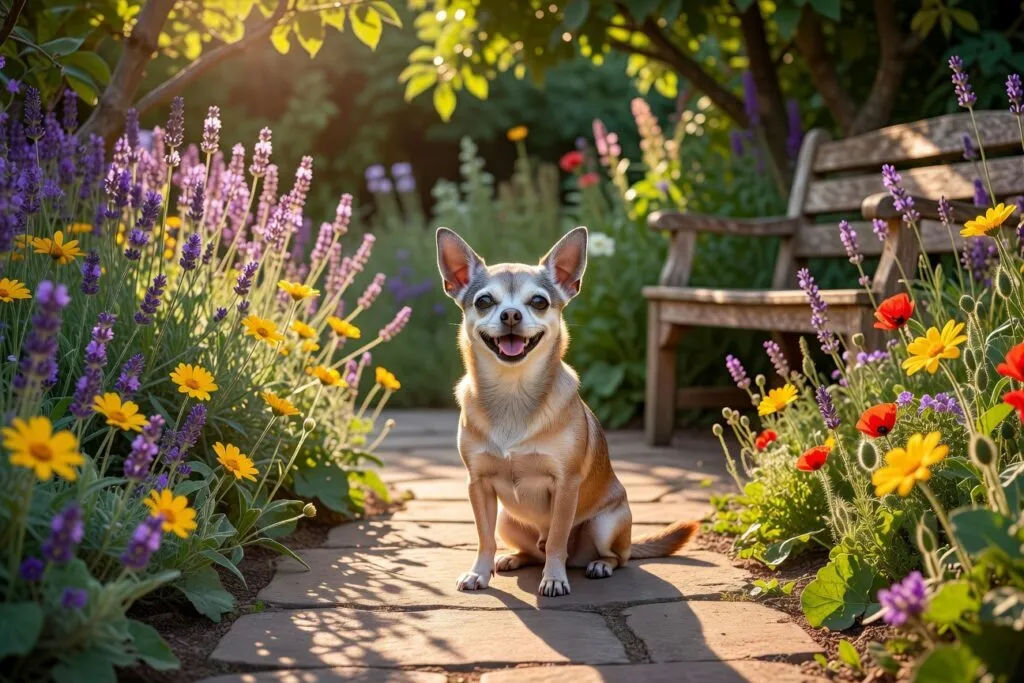
favoriteIn the language of municipal shelter facilities, older dogs with physical imperfections are the kind of animals that rarely find a place at the front of the adoption kennels. Sparklette arrived at the rescue with a pronounced dental deformity that left her lower lip perpetually pulled to one side; a crooked smile that, under less fortunate circumstances, would have landed her directly on a euthanasia list.
Having spent years documenting the regional rescue networks of California, I have observed that municipal shelters are rarely designed to handle the complex needs of senior foster dogs. Thanks to the logistics of specialized senior rescue groups, dogs like Sparklette are pulled from municipal overcrowding and transitioned into private foster networks. This is a story about the unglamorous mechanics of senior animal rehabilitation, the foster networks of northern California, and the quiet reality of rescuing a dog with a crooked smile.
The Logistics of the Muttville Pipeline

The Muttville rescue operation is a highly structured, systems-aware organization designed to handle animals that traditional shelters might write off. When a new senior dog arrives, they do not go straight to an adoption floor. Instead, they enter a comprehensive medical and behavioral assessment pipeline.
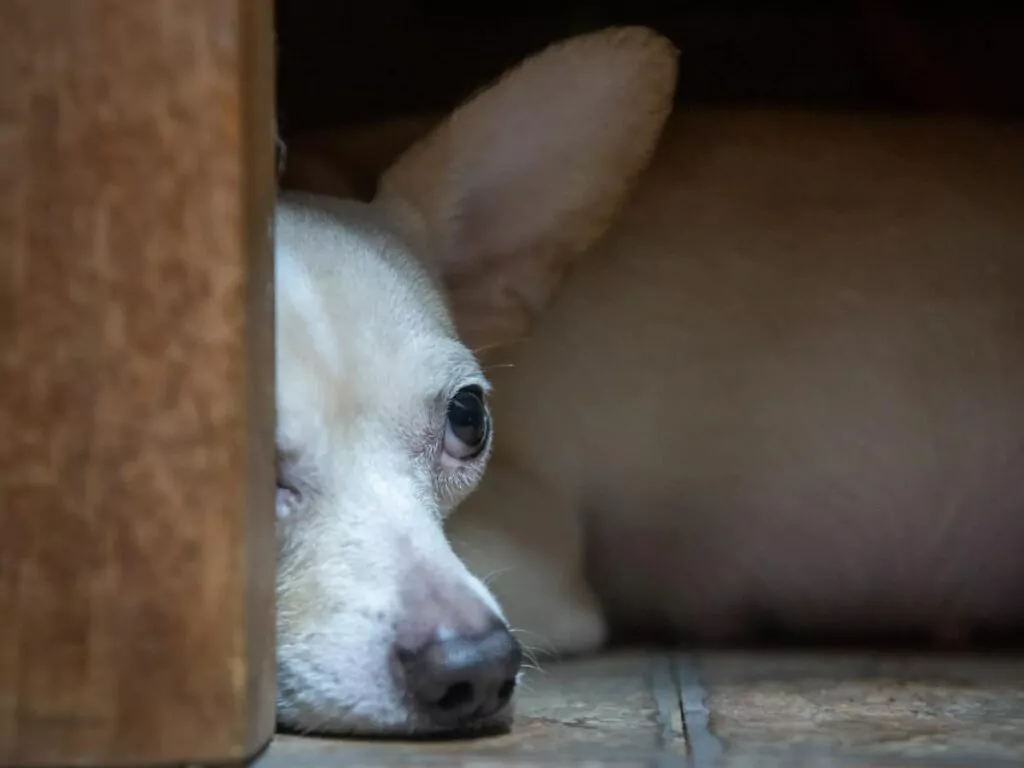
Lisa, Sparklette’s foster caregiver under the Muttville program, stood by the sunlit kitchen window of her San Francisco apartment. "She spent the first seven years of her life in an overcrowded hoarding environment where she had to compete for every scrap of food," Lisa told me, placing a small bowl of senior-formulated kibble on the floor. "Yet she has no bitterness in her. She just wants to find the warmest spot of sunlight on the floor and sleep."
For an animal coming from a hoarding situation, the transition to a quiet apartment is a logistical challenge. The dog must learn to navigate stairs, understand the boundaries of a leash, and adjust to the unfamiliar silence of a single-owner home. Many senior Chihuahuas face immediate challenges with blindness or sensory issues, requiring foster caregivers to map out furniture layouts to prevent accidents. In Sparklette's case, her physical healing began with dental surgery to resolve the chronic infections causing her crooked lip, a procedure funded entirely by the rescue's donor network.
Understanding the Senior Shelter Crisis
To understand why so many senior Chihuahuas populate California's rescue pipelines, we must look at the systemic pressures facing local shelters. Senior dogs are the most vulnerable population in municipal systems. Unlike puppies, which are surrendered due to behavioral training issues, older dogs are almost always surrendered due to a collapse in their human family's circumstances.
In many cases, an elderly owner passes away, leaving a senior pet behind with relatives who cannot take them in. In other cases, rising rental costs force families to relocate to housing units that strictly prohibit pets, or the family simply cannot afford the rising cost of veterinary care.
When a family is forced to make the heartbreaking decision to surrender an older pet, they often do so in the belief that the shelter will find them a home. Unfortunately, in underfunded county facilities, senior dogs are highly unlikely to leave alive. Muttville serves as a critical safety valve for these animals, pulling them from high-kill environments and giving them a second chance. Sparklette is not alone in this pipeline. The facility currently houses several other senior residents, including Copper, an eleven-year-old Chihuahua who quieted his kennel with gentle snoring, and Yertle, an eleven-year-old Skye Terrier mix who had spent three months waiting for a quiet home.
The Reality of Living with a Senior Companion
The ultimate goal of foster care is matching these senior residents with permanent, adoptive homes. Promoting senior adoptions requires reframing how prospective owners view older dogs. While puppies command high demand, senior Chihuahuas offer a stable, low-maintenance companionship that fits perfectly into modern domestic lives.
When you adopt a senior dog, their personality is fully developed. You know exactly how they behave around other dogs, how they walk on a leash, and how they react to quiet environments. They do not chew your baseboards, they do not require miles of daily running, and they are perfectly content to spend eighteen hours a day curled up on a soft fleece blanket near your desk.
In my years of writing about rescue, I have observed a quiet, profound gratitude in dogs that get a second chance later in life. They understand routine, they value comfort, and they bond deeply with the people who give them safety. By choosing to adopt a senior dog, you are not only saving a life but also freeing up critical resources and kennel space within the local shelter system.
In the afternoon, Sparklette moved her cushion two inches to the left to catch the remaining sliver of California sun. She sat there quietly, her crooked lip slightly turned, watching the shadows lengthen across the rug.
She didn't move again until dinner.
How You Can Help volunteer_activism
Five concrete ways to help. Pick one and start this week.
Adopt
Adopt a chihuahua from a local rescue or transport network.
Foster
Foster a dog while the rescue finds a permanent home.
Donate
Recurring monthly donations cover the bills rescues plan around.
Volunteer
Offer your time and skills to a rescue near you.
Share
Share the dogs your local rescue is trying to place this week.
Frequently Asked Questions help
help_outline How do I start fostering a chihuahua? expand_more
Find the rescue closest to you, send in the foster application, and ask for a home check date. The process usually takes two to four weeks.
help_outline Why are chihuahuas so often in shelters? expand_more
Southern California shelter intake has been the largest single source for two decades, driven by backyard breeding and inconsistent spay-and-neuter access. Transport programs move dogs north to foster networks across the country.
help_outline What does a rescue actually need from a donor? expand_more
Recurring monthly support, foster homes, and in-kind donations of crates and exercise pens. Most rescues list the same three needs in the same order.
Share Hope’s Story Your share can be the reason another small dog gets home.
favorite