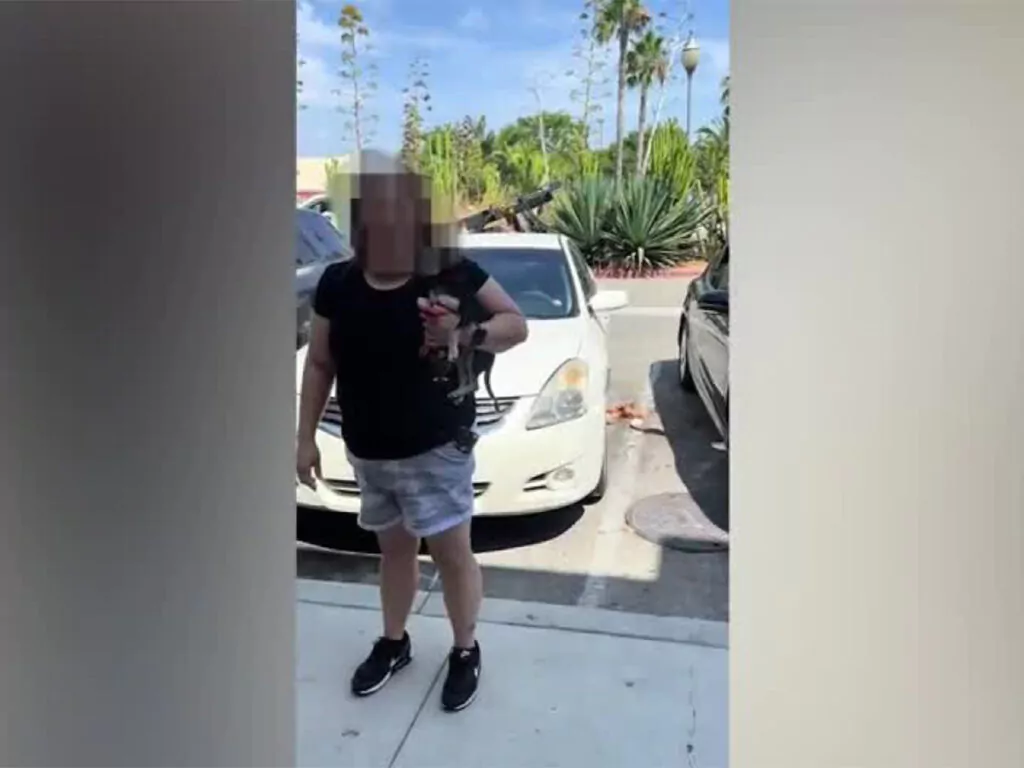
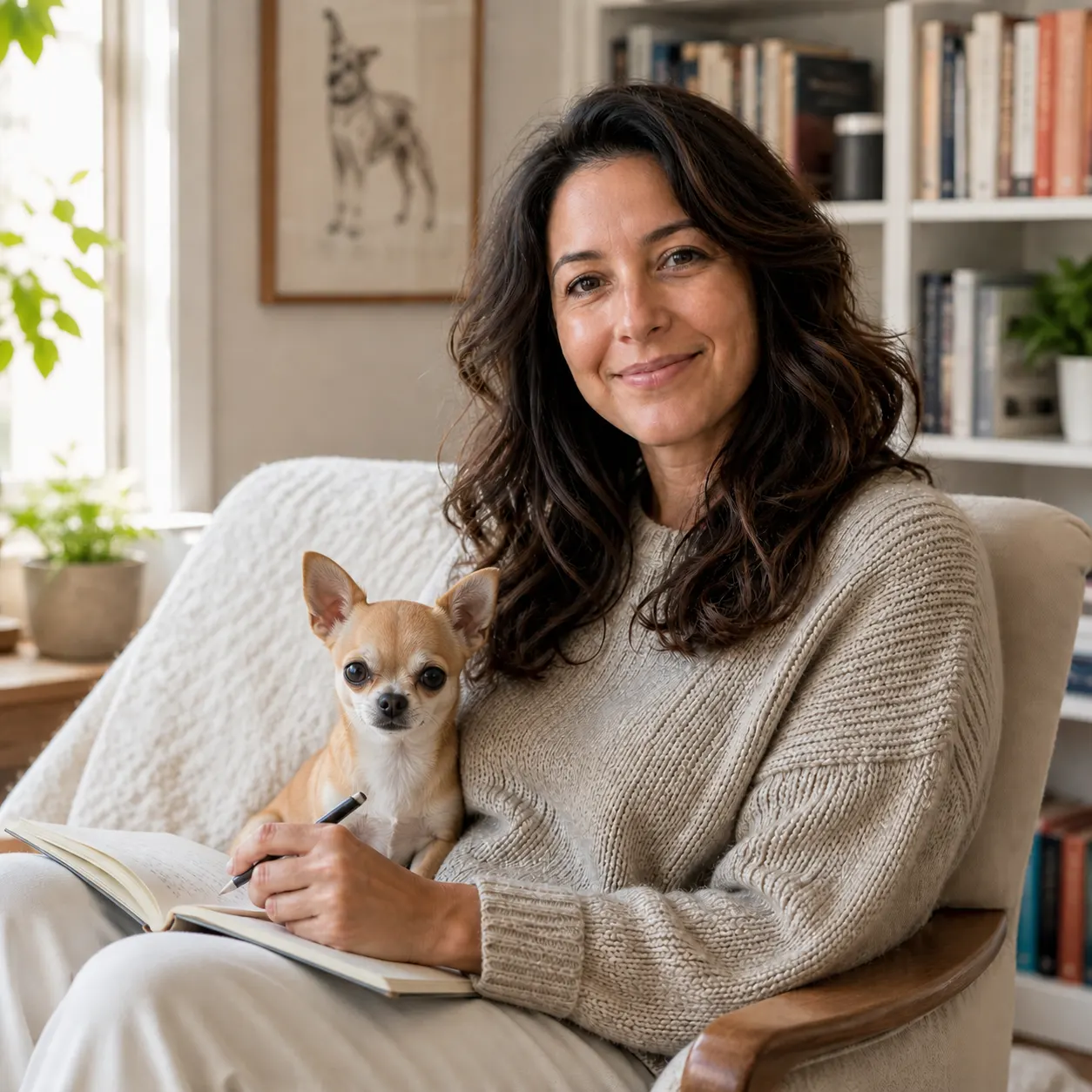
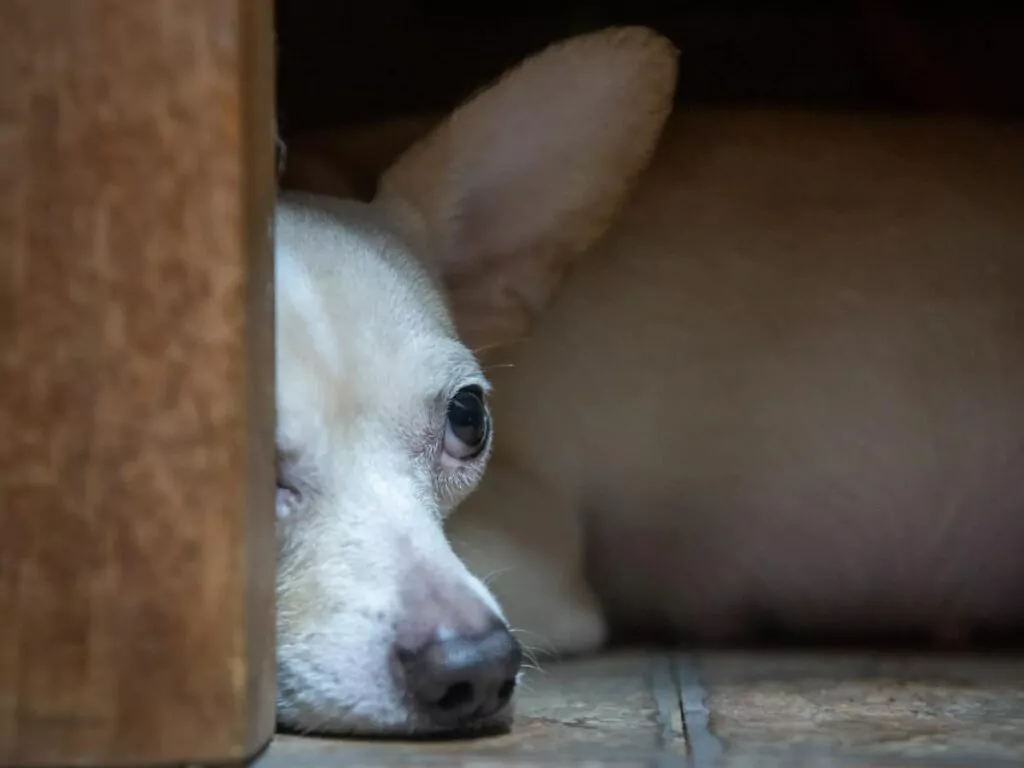
The first time I walked the small-dog row at a municipal shelter in Riverside County, California, I counted before I did anything else; eleven of the fourteen dogs in those kennels were chihuahuas or chihuahua mixes. A volunteer named Theresa had been there longer than the building's air conditioning had been working, and she told me, while we stood in front of a four-pound senior named Pancho who had been surrendered after his owner went into assisted living, that the ratio almost never changes. Some weeks it's worse. Pancho watched us through the bars and shivered, the way they do, and Theresa said the trembling was the first thing that scared off adopters and the last thing they should worry about.
Tag @ChihuahuaCorner if you know a chihuahua who needs a second chance. We follow up on every lead we can verify.
favoriteThat ratio is the whole story, and it is worth understanding why it exists.
The math nobody planned
Southern California shelters have carried a chihuahua surplus for the better part of two decades. Los Angeles, Bakersfield, Riverside; the breed shows up in their intake numbers year after year, often the single most-surrendered dog in the building. The ASPCA's national shelter estimates tell you how many dogs enter shelters in a given year; they don't tell you why so many of them are this one small breed. For that, you have to look at how the dogs got there.
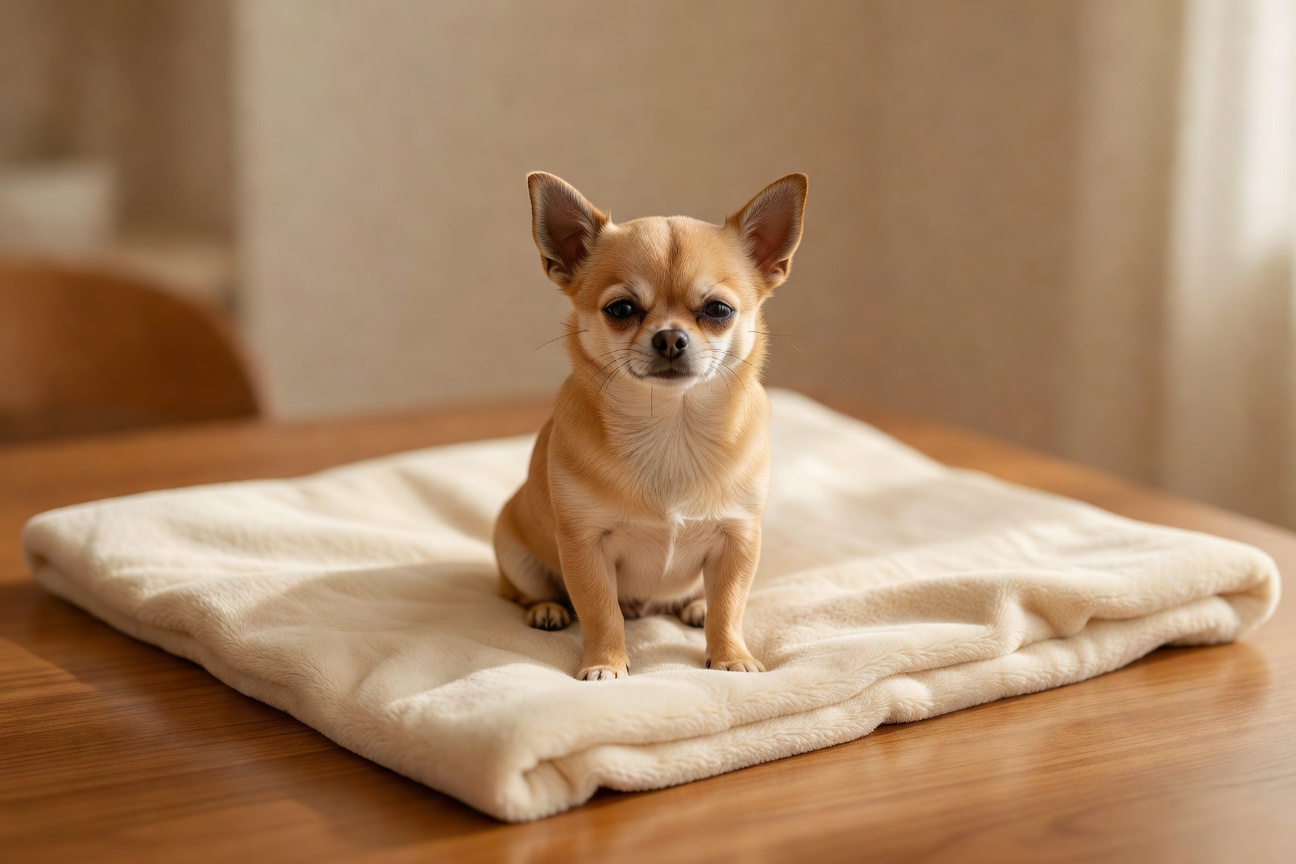
A lot of it is supply. When a breed becomes desirable, breeders breed to the demand, and the people who breed to demand are not, by and large, the careful ones. The careful ones screen homes and take dogs back. The backyard operations and the "I have papers" sellers do neither. They produce litters, the puppies move, and a year or two later the math catches up; the homes that took those puppies on impulse give them up, and there is no breeder waiting to receive the return. The dog goes to the shelter instead. Multiply that by a region, over years, and you get Theresa's row.
The fad that never quite ended
You already know this part, even if you've never named it. The little dog in the designer bag. The movie sidekick. For a stretch of years a chihuahua was less a dog than an accessory, and people acquired them the way they acquire accessories; quickly, on the strength of an image, without much thought about the fifteen or so years on the other side of the purchase. Chihuahuas live a long time, which is one of the loveliest things about them and one of the reasons they end up surrendered. A fad lasts a season. A chihuahua lasts until 2039.
When the image fades, the dog is still there. Still ten years old. Still needing teeth cleaned and a sweater in January and someone to come home at night. That gap, between the dog people imagined and the dog they actually live with, is where surrenders happen.
A misread dog, not a bad one
Here is the part that frustrates me, because it is fixable. Almost everything people complain about with chihuahuas, the nipping, the barking, the suspicion of strangers, the resource guarding, is ordinary dog behavior that went uncorrected because the dog is small. Nobody enrolls an eight-pound dog in obedience class. Nobody hires a trainer for a creature you can pick up with one hand. The behavior gets laughed off as personality until the day it stops being funny, and then the dog is labeled "aggressive" and dropped at intake.
A chihuahua is a dog. It needs the same structure, socialization, and patient training that the American Kennel Club recommends for any puppy. Skip that work because the dog is cute and portable, and you create the very problem you'll later use to justify giving it up. The trembling, by the way, is almost never the issue people think it is; chihuahuas shake when they're cold, excited, or anxious, and a warm lap solves most of it.
And sometimes life just changes
Not every surrender is a failure of character. Theresa's senior, Pancho, was in that kennel because the woman who loved him for eleven years could no longer climb her own stairs. People lose housing. They lose jobs. They get sick. A landlord changes the pet policy, or a baby arrives with allergies nobody anticipated. These owners are not villains, and the dogs they leave behind are not damaged. They are simply dogs whose first chapter ended through no fault of their own, waiting on a row in Riverside for the second one to start.
Why they're worth it anyway
The stigma is the cruelest part, because chihuahuas are, pound for pound, one of the most adoptable dogs in the building. They are small enough for an apartment. They cost little to feed. They are devoted to the point of obsession with their person; if you have ever wanted a dog who would genuinely rather be in your lap than anywhere on earth, you want a chihuahua. They travel well. They live a long time, which I will keep saying is a feature. Older ones, the Panchos, are calm and house-trained and ask for almost nothing.
The "yappy little dog" reputation lengthens their shelter stays, and a long shelter stay is its own kind of harm; the longer a dog waits, the harder it becomes to place, and in a crowded municipal shelter, the harder it becomes to keep alive. The reputation is doing real damage to dogs who did nothing to earn it.
What you can actually do
Adopt one, if your life has room. Skip the breeder and the listing site and go stand in front of the small-dog row at your county shelter; the dog you're looking for has been there longer than you'd guess. If you can't adopt, foster. Rescues move chihuahuas out of overcrowded Southern California shelters and north to where small dogs are scarce and wanted, and that transport network runs on foster homes willing to hold a dog for a few weeks between the kennel and the couch. If you can't foster, support the people who do; the Humane Society's guidance on adopting from shelters and rescues is a good place to start, and your local rescue's donation page is a better one.
I went back to that Riverside shelter a few weeks later. Pancho's kennel had a different dog in it, another chihuahua, of course. Theresa told me the old man had gone home with a retired schoolteacher who wanted a dog that would sit with her in the evenings and not much else. He slept the whole drive, she said. They usually do.
Keep reading: Twenty-Eight Chihuahuas, One House, and a Door
How You Can Help volunteer_activism
Five concrete ways to help. Pick one and start this week.
Adopt
Adopt a chihuahua from a local rescue or transport network.
Foster
Foster a dog while the rescue finds a permanent home.
Donate
Recurring monthly donations cover the bills rescues plan around.
Volunteer
Offer your time and skills to a rescue near you.
Share
Share the dogs your local rescue is trying to place this week.
Frequently Asked Questions help
help_outline How do I start fostering a chihuahua? expand_more
Find the rescue closest to you, send in the foster application, and ask for a home check date. The process usually takes two to four weeks.
help_outline Why are chihuahuas so often in shelters? expand_more
Southern California shelter intake has been the largest single source for two decades, driven by backyard breeding and inconsistent spay-and-neuter access. Transport programs move dogs north to foster networks across the country.
help_outline What does a rescue actually need from a donor? expand_more
Recurring monthly support, foster homes, and in-kind donations of crates and exercise pens. Most rescues list the same three needs in the same order.
Share Hope’s Story Your share can be the reason another small dog gets home.
favorite