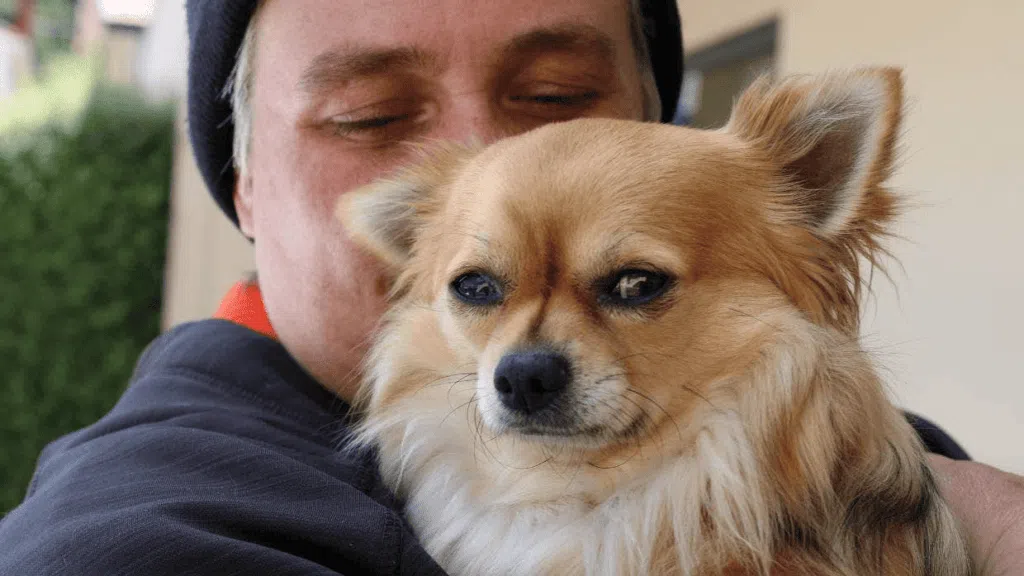


On a Saturday in late February, in a small living room in Asheville, North Carolina, a three-year-old named Olive set out a plastic dog bowl on the kitchen floor and called the chihuahua’s name. The chihuahua had not lived in the house for nineteen months. Olive’s mother, who had not anticipated the bowl, watched from the doorway with a coffee in her hand and a careful expression. Olive looked up. "Where is she?" she asked. It was not the first time.
Tag @ChihuahuaCorner or use #TinyButLegendary if you want us to consider your story for an upcoming piece.
favoriteI drove out to Asheville at the family’s invitation, with their preschool counselor’s permission, to talk about what grief looks like in a child who is too young to speak about it directly. The family’s chihuahua, Pearl, had died in the summer of 2024 of complications from a long-managed heart condition. Olive was eighteen months old at the time. She is now three. She still, regularly, sets out the bowl.
What the research actually says about young children and pet loss
Children under five do not grieve the way adults grieve, and they do not grieve the way older children grieve; the developmental literature is clear that the concept of permanence in death typically arrives between ages five and seven (Speece and Brent, 1984; Slaughter and Griffiths, 2007). What three-year-olds are doing, when they ask about a pet who has died, is something closer to repeated re-encounter than to remembering.

Dr. Sandra Voss, a child psychologist who works with families navigating pet loss, walked me through what this looks like in practice. "The bowl, the toy, the sleeping spot," she said. "These are anchors. The child is not pretending the dog is alive. The child is checking, again, whether the world has changed."
This is, Dr. Voss said, normal. It is also often unsettling for parents who expected grief to look more linear.
What the family actually did
Olive’s parents did three things deliberately. The first, on the advice of the preschool counselor, was to keep one or two of Pearl’s small belongings in a visible spot rather than packing everything away. A small photograph on the fridge; a soft red collar in a basket on the side table. The second was to answer the question, every time, with the same simple sentence. "Pearl died, and we miss her, and we are okay." Repeated, calm, the same tone.
The third, which was the hardest, was to allow the question to come up at the kitchen table, in the bath, in the car. They did not redirect. They did not change the subject. They sat with the small sentence and let Olive sit with it.
What helps, in plain language
A few practical patterns emerge from the literature and from clinicians I trust:
- Tell the truth, in age-appropriate words. The phrase "passed away" is more confusing to a three-year-old than the simple word "died." "Went to sleep" is the phrase psychologists ask parents not to use, because it can produce night fears.
- Keep some artifacts. A photograph at child eye level, a tag in a small drawer, a remembered name. These are points of return rather than wounds to reopen.
- Repeat the answer. The question will be asked many times. A consistent, calm answer is more comforting than a varied one.
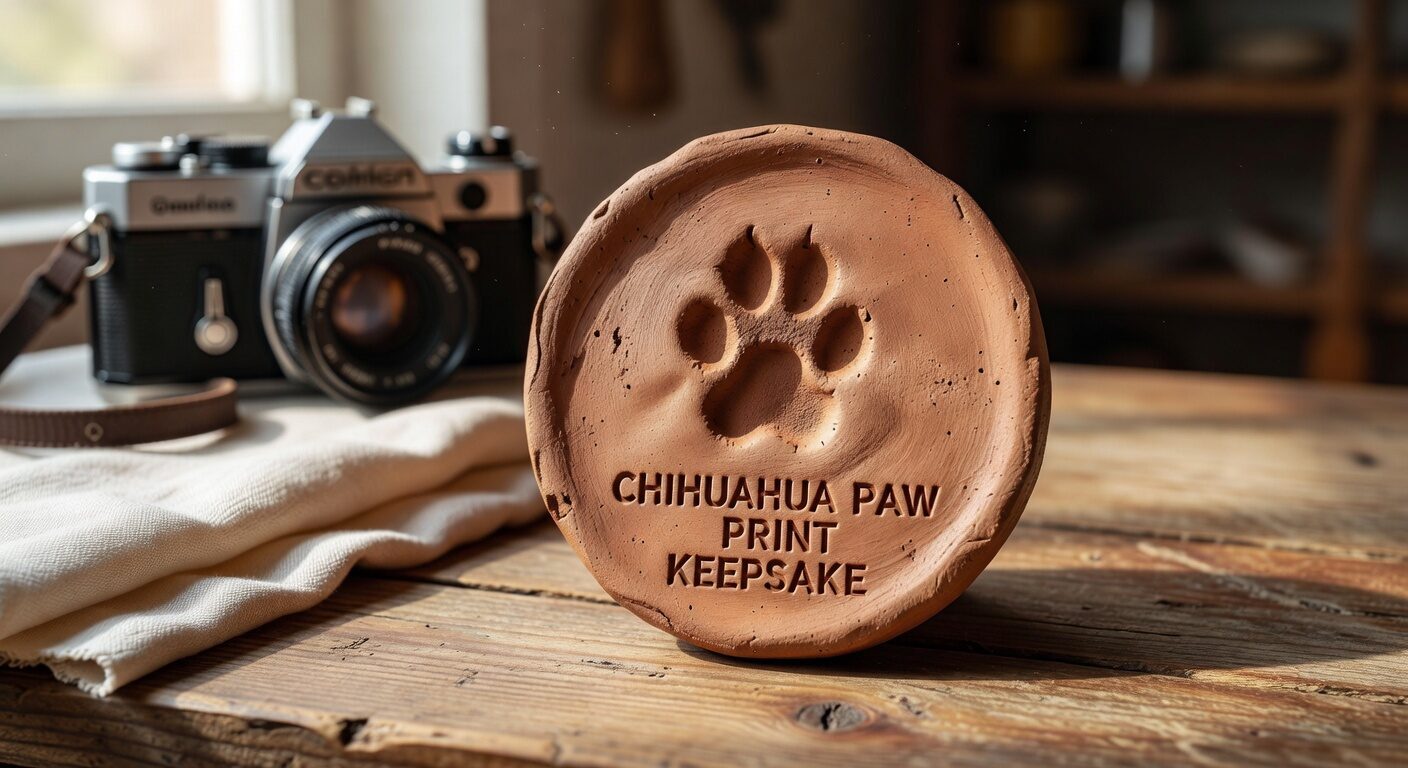
- Allow ritual. If the child sets out a bowl, that is the child’s grief. There are gentle ways to honor a chihuahua who has died that work for adults; some of them, in adapted form, work for children.
- Watch for stuck patterns. Most young children integrate the loss within twelve to eighteen months. Persistent sleep disturbance, regression, or withdrawal beyond that window is a reason to call your pediatrician or a child therapist; the American Academy of Pediatrics publishes guidance for families.
On the second-dog question
Olive’s parents had wondered, for the first year, whether to bring home a second chihuahua. They asked Dr. Voss. She told them, gently, that the question was theirs and not Olive’s; a second dog might or might not help, and the timing depended on the parents’ own readiness more than on the toddler’s.
This is the part that surprised me, and I think it is the part most worth passing on. The grief belongs to the adults too, and a small dog cannot fix it on a schedule. The family eventually did adopt a second chihuahua, fourteen months after Pearl, from a regional rescue. Olive named her Olive Two, which she is allowed to do because she is three. Pearl’s photograph is still on the fridge.
Quiet takeaways for the rest of us
I do not have a child Olive’s age. What I do have is a chihuahua of my own, Ruthie, who is twelve, and an aging mother who lost a dog last fall and called me, twice, a week later, to ask whether the dog had really died or whether it had been a dream. Grief, in its small forms, is not a child’s category alone.
If you are reading this with a young child in the next room and a recent pet loss in the family, the practical work is small. Keep the photograph at eye level. Use the simple word. Repeat the calm sentence. Allow the bowl, when the bowl appears. The bond your child had with the dog was real; the bond does not require the dog’s continued physical presence to remain real, and a three-year-old, on her own timeline, will eventually arrive at this.
Olive’s mother walked me to the car. She said, "I thought she would forget. I am glad she has not." The bowl was still on the kitchen floor. We stood in the driveway for a minute and did not say anything else. I drove home down I-40 and called my mother on the way.
Community Insights favorite
We asked our readers: Has your Chihuahua done something bold? Here's what you shared.
“My chihuahua chased a raccoon out of our garage. We are still not sure who was more surprised.”
“Tiny but mighty. These dogs have no idea how small they are.”
“Not just a story. The chihuahua spirit, in three pounds.”
Tag @ChihuahuaCorner or use #TinyButLegendary if you want us to consider your chihuahua story for an upcoming piece.
Know a Chihuahua with a legendary story? If you have a chihuahua story we should look into, tell us where it happened.
favorite