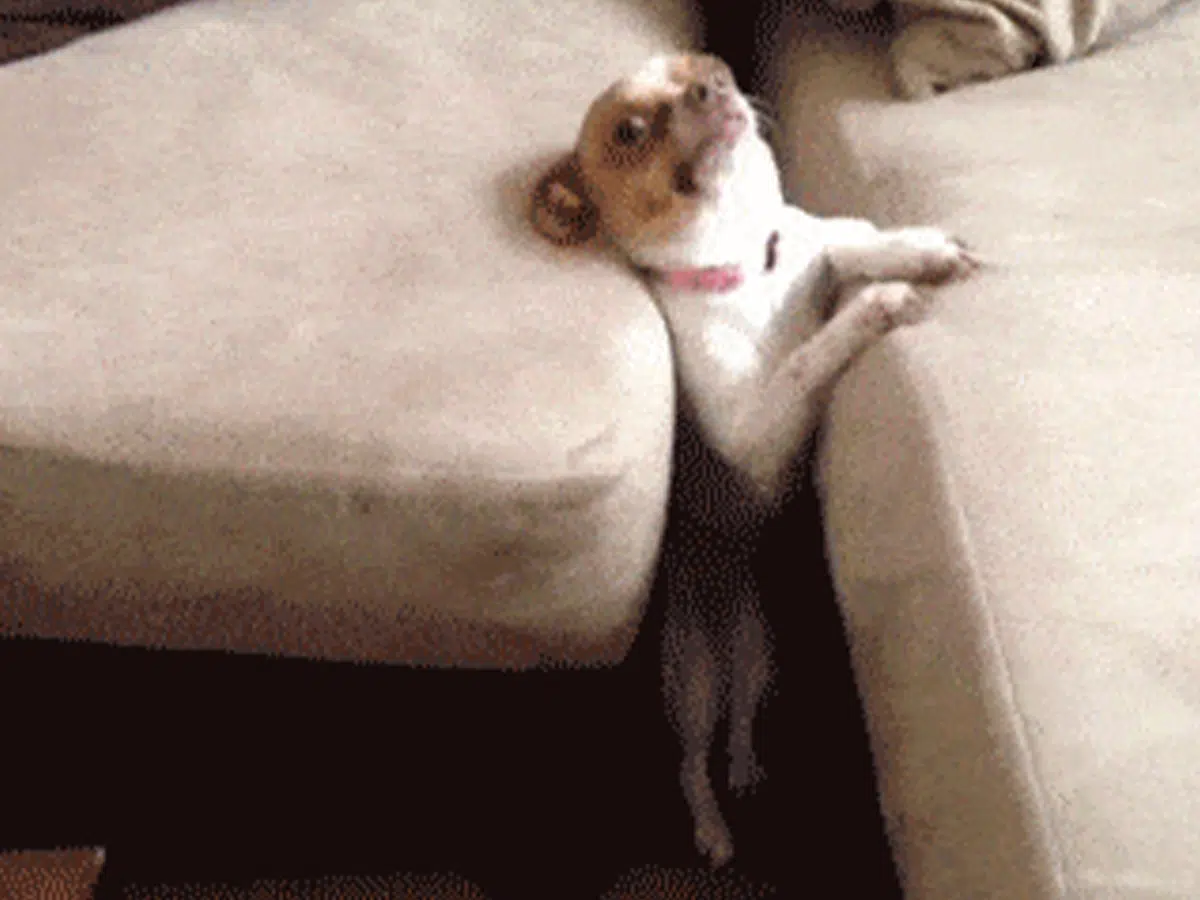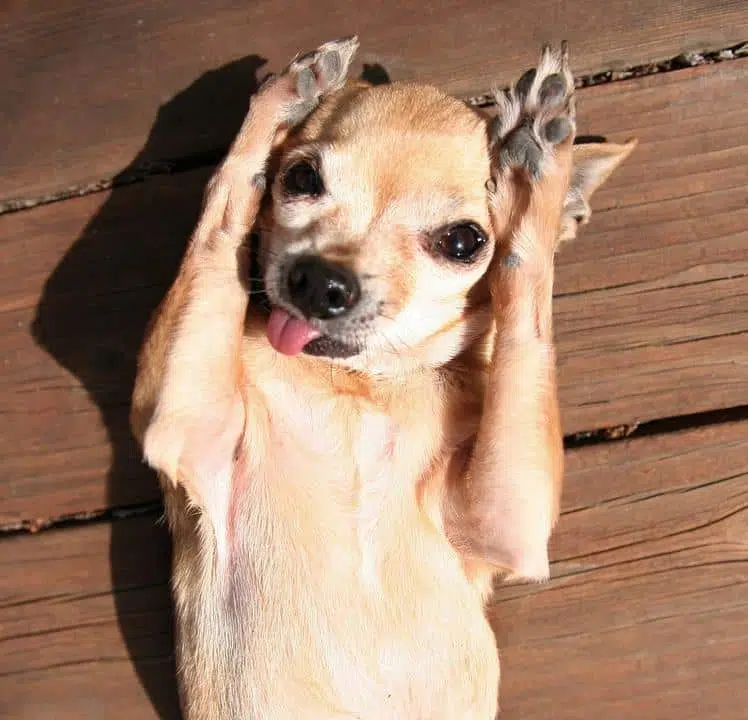


If you have ever come home to a chewed shoe or a puddle on the floor, raised your voice, and watched your chihuahua shrink down with those wide eyes and a tucked tail, you have probably asked yourself the question in the headline. It is a fair one, and the honest answer is more interesting than a simple yes or no. Your dog is reading you, but probably not in the way you think.
Let us start with what the research actually shows, because this is one of those topics where the popular story and the evidence point in different directions.
What dogs can actually pick up from us
Dogs are unusually good at reading human signals. They have lived alongside us for thousands of years, and that long history shows up in how closely they watch our faces, our hands, and our voices. A 2015 study by Muller and colleagues, published in Current Biology, found that dogs could learn to tell the difference between happy and angry human facial expressions, even when they were only shown part of a face. That is a genuinely impressive feat of discrimination.
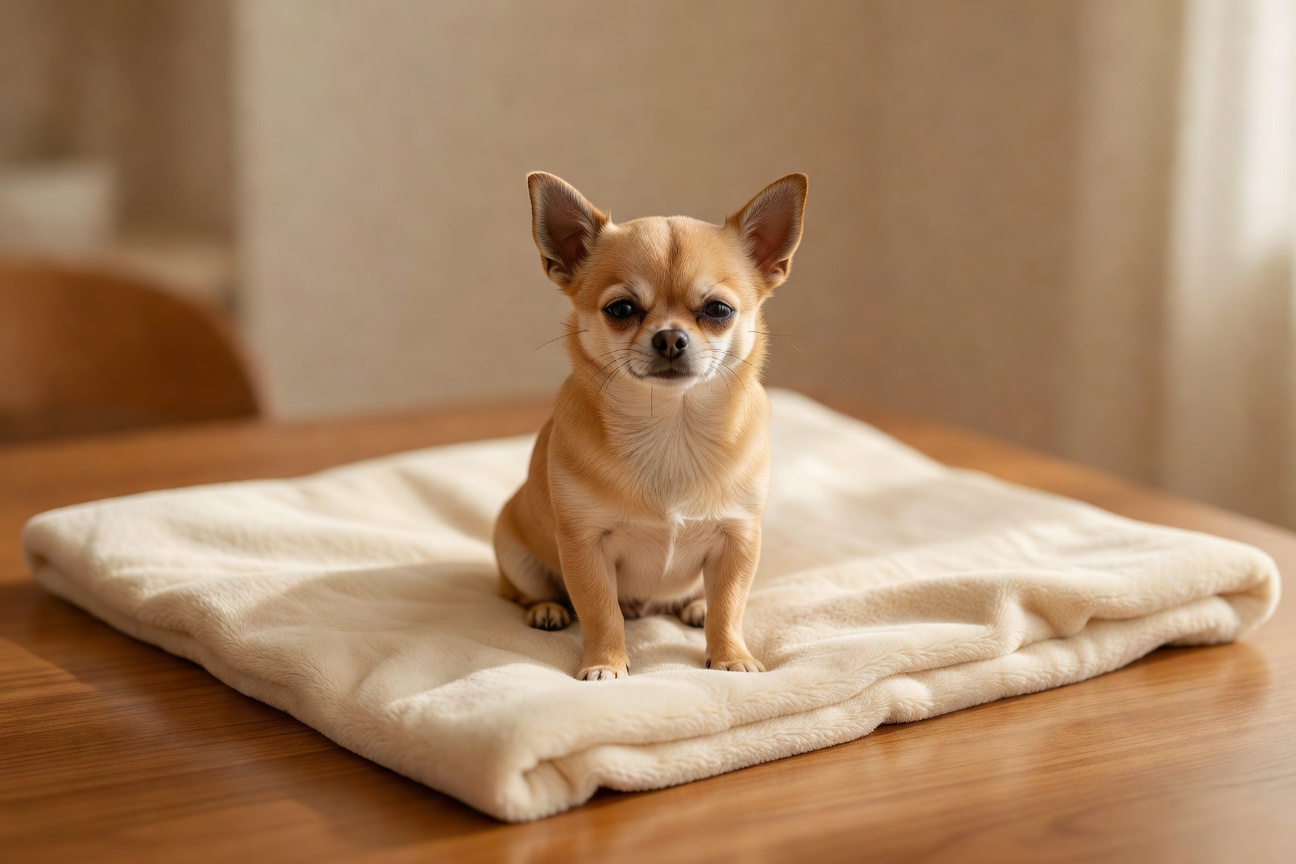
It goes further than the face alone. A 2016 study by Albuquerque and colleagues, published in Biology Letters, found that dogs combine what they see with what they hear. When a dog was shown an angry face paired with an angry voice, it looked longer, which suggests the dog was matching the emotional information across both senses. In plain terms, your chihuahua is taking in your expression, your tone, and your posture all at once and forming an impression.
So when people ask whether a dog can tell you are upset, the research supports a clear answer: dogs are very sensitive to the signals that come with human anger. Loud voice, hard stare, tense body, fast movements. Your dog notices all of it.
But knowing you are upset is not the same as feeling guilty
Here is where the familiar story tends to go wrong. That hangdog look, the averted eyes, the lowered body, the slow approach, gets read as a confession. It feels like guilt. The evidence says it is something simpler and, for your dog, much more uncomfortable.
A 2009 study by Alexandra Horowitz, published in Behavioural Processes, set out to test the so-called guilty look directly. Owners left the room after telling their dog not to eat a treat. In some trials the dog had eaten the treat, in some it had not, and crucially, the owners were sometimes given false information about what had happened. The finding was striking. The guilty look did not track whether the dog had actually done anything wrong. It tracked whether the owner scolded the dog. Dogs who were told off looked the most guilty, including dogs who had done nothing at all.
What that look really shows is appeasement. Your chihuahua is reading your anger in real time and offering the calming signals dogs use to defuse a tense moment: the soft eyes, the tucked tail, the turned-away head, the lowered body. It is your dog saying, in dog language, please dial this down. It is not a recollection of the crime committed three hours ago.
This matters because it changes what your dog is actually capable of connecting. The trash was spread an hour before you walked in. The puddle happened while you were at work. Dogs live very much in the present, and the research does not support the idea that a dog links your current anger to an action it took earlier and concludes it is being punished for that specific thing. What your dog learns instead is far simpler: when you come home and your face and voice go hard, scary things follow.
Why punishment backfires with a small, sensitive dog
Chihuahuas are tiny, and they are often more reactive than larger breeds, partly because so much of the world is genuinely big and fast-moving from their point of view. A raised voice from a person standing over them is a lot of dog to manage.
The welfare research is fairly consistent here. Studies of aversive training methods, including a 2020 study by Vieira de Castro and colleagues published in PLOS ONE, have found that dogs trained with aversive techniques such as yelling and physical corrections show more stress-related behaviour and signs of reduced welfare than dogs trained with reward-based methods. Scolding does not teach your dog what you wish it had done instead. It mostly teaches your dog to be wary of you, and in a small, fearful dog that can tip into hiding, freezing, or, in some cases, defensive snapping.
To be fair about the limits of the science, dogs are individuals and not every study agrees on every detail. But the overall pattern is steady: reward-based training works at least as well as aversive methods and carries far less risk to the relationship and to the dog's emotional state.
What to do instead, this week
The good news is that none of this requires you to be a perfect, unflappable human. It just asks you to put your energy into management and trust rather than correction. Here is where to start.
Manage the environment, not the aftermath. If your chihuahua raids the bin, get a lidded bin or move it behind a closed door. If shoes are the target, put them up. You cannot teach a dog a lesson hours after the fact, but you can make the tempting thing impossible to reach. This is the single most effective change for most households.
Watch your own signals. Since your dog is reading your face, voice, and body before you have said a word, the calmest thing you can do when you walk into a mess is to take a breath, step back, and clean up without a performance. Your steadiness is information your dog can use.
Reward the behaviour you want. Catch your dog resting quietly, settling on a mat, or chewing an appropriate toy, and pay for it with a treat or quiet praise. Dogs repeat what gets rewarded. If accidents are the problem, go back to basics on house-training with frequent outings and a reward the moment your dog goes in the right place.
Give a bored, under-exercised dog something to do. A lot of unwanted behaviour is simply an under-stimulated dog filling the day. A short sniffy walk, a food puzzle, or five minutes of training games can take the edge off the urge to redecorate your living room.
Repair quickly if you do snap. You will lose your temper sometimes. When you do, the kindest and most useful move is to soften, drop your shoulders, and let your dog choose to come back to you on its own terms. You are not spoiling your dog by being gentle. You are protecting the trust that makes everything else easier.
So, can your chihuahua tell when you are mad? Yes, almost certainly, and more vividly than you might like. What it cannot do is connect your anger to a mistake it made hours ago, or understand a telling-off as a lesson. Once you see the worried look as a plea for calm rather than an admission of guilt, the path forward gets clearer: protect the trust, manage the triggers, and let kindness and consistency do the teaching. Your dog will be calmer for it, and so will you.
For a deeper, evidence-based look at the research on the guilty look and how dogs read us, see Companion Animal Psychology.
Gear That Works backpack
Harness (Not Collar)
A step-in harness is safer and more comfortable.
Lightweight Leash
4–6 feet gives freedom without losing control.
Treat Pouch
Keep rewards accessible and distraction-free.
ID Tag & Microchip
Always be prepared in case of separation.
Trainer Tip: Success on walks starts with reading your Chihuahua's signals and respecting their pace.
Was this guide helpful?
Was this guide helpful? Save the guide. Share it with one other chihuahua owner this week.
favorite