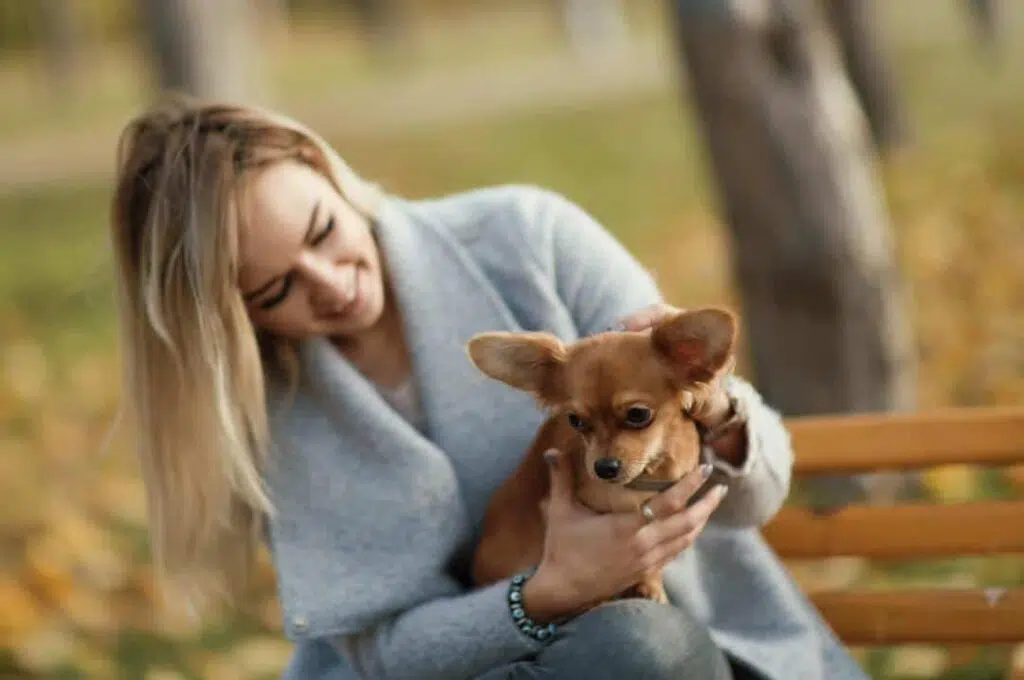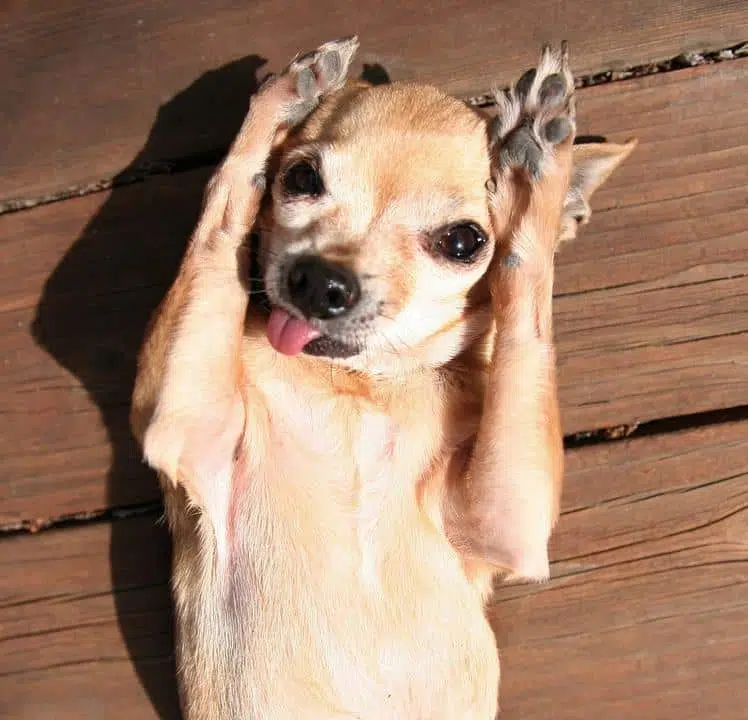

If you have ever caught your chihuahua looking up at you, soft-eyed and calm, and felt something warm settle in your own chest, that feeling is not your imagination. A well-known study found that when dogs and their owners gaze into each other's eyes, both of them get a measurable rise in oxytocin, the hormone tied to bonding and trust. The same mutual eye contact also raised oxytocin in the human. In other words, your dog looking at you, and you looking back, sets off a small loop of connection in both bodies at once.
Let me walk you through what the research actually shows, what the difference is between a soft gaze and a hard stare, and how you can use eye contact as a gentle connection and training tool with your chi.
What the study found
The key research here is a 2015 study by Nagasawa and colleagues, published in Science. The researchers had owners and their dogs interact freely in a room for half an hour, then measured oxytocin in the urine of both before and after. Oxytocin is sometimes called the "love hormone" or "bonding hormone." It plays a role in human attachment and in the bond between a parent and an infant, and you can read a plain-language overview from Harvard Health.
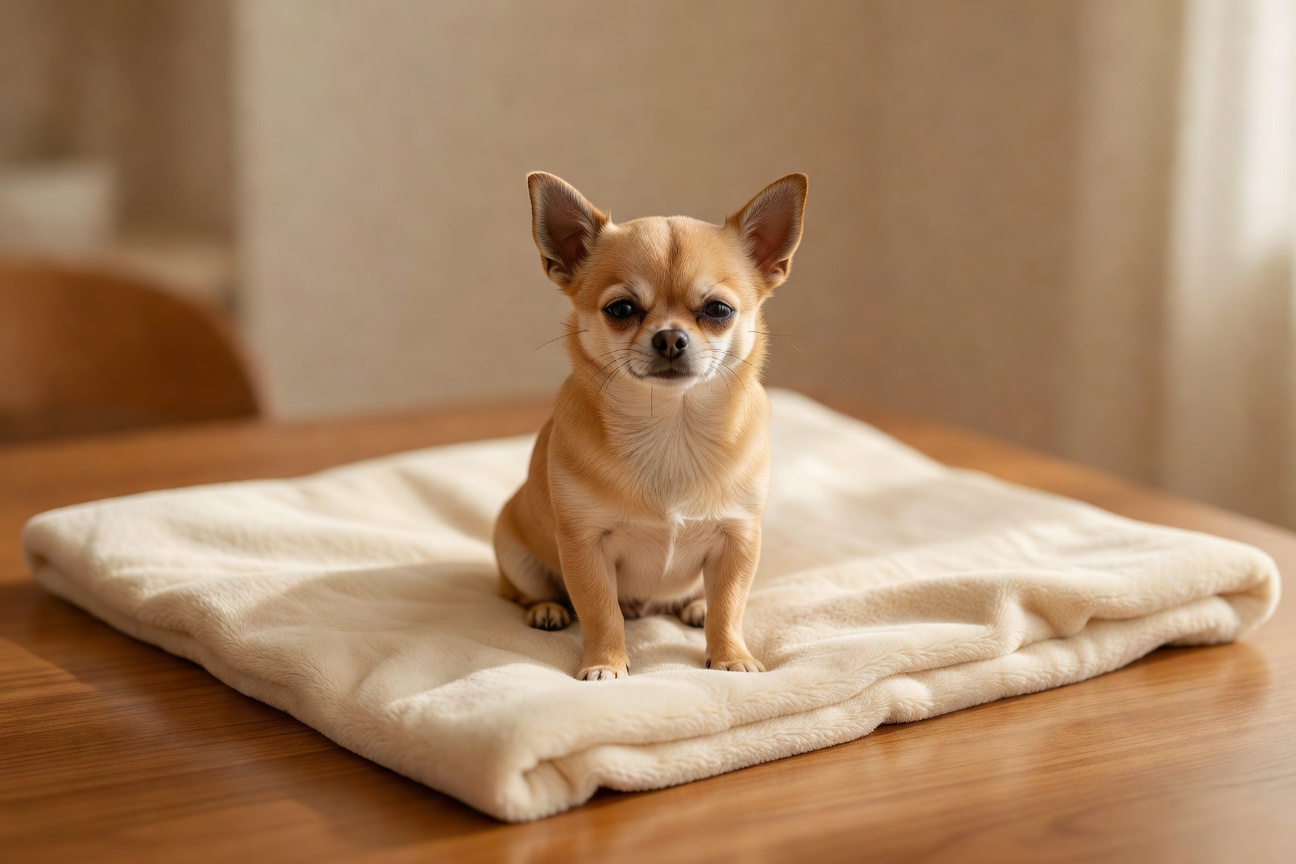
The finding was striking. The owners whose dogs gazed at them the longest showed the largest rise in oxytocin. And the levels were linked: when the human's oxytocin went up, the dog's tended to go up too. The eye contact appeared to be feeding a shared response in both directions.
The researchers then ran a second part. They gave some dogs a dose of oxytocin through a nasal spray and watched what happened. Female dogs given oxytocin gazed at their owners longer, and those owners showed a rise in their own oxytocin in turn. The effect was not clear in the male dogs, and the researchers were honest that they did not fully know why. That is worth holding onto. The headline is real, but the picture is not perfectly tidy, and the sex difference is one of several reasons not to over-read a single study.
To check whether this loop was something special about dogs, the team ran the same setup with hand-raised wolves and the people who had raised them. The wolves did not hold eye contact in the same way, and there was no comparable oxytocin effect. That comparison is the heart of the argument: this gazing loop looks like something that developed as dogs became domesticated, not a leftover from their wolf ancestors.
The bonding loop, in plain terms
Put together, the results suggest a feedback loop. Your dog looks at you. That look nudges your oxytocin up. The warm feeling makes you more likely to talk to your dog, touch her, and look back. That attention nudges her oxytocin up. And around it goes. In a commentary on the study published in Science, the researchers Evan MacLean and Brian Hare described it as dogs tapping into the same caregiving system that bonds parents to their children.
It is a lovely finding, and it fits what many owners already feel. But it is one study, with a modest number of dogs, and the research on oxytocin in dogs is still developing. So I would treat it as strong support for something gentle and true, rather than a formula. The takeaway is not "stare at your dog to manufacture love." The takeaway is that calm, mutual, willing eye contact is part of how you and your chi are already bonded.
A soft gaze is not a hard stare
Here is the part that matters most for training, and it is where the science of dog behaviour asks for some care. The oxytocin loop is about a soft, relaxed, voluntary gaze. It is not about a fixed, hard stare.
To a dog, a direct, unblinking stare can read as a threat. In the dog's own social language, holding a hard stare is pressure. A relaxed dog who looks at you has loose eyes, a soft face, maybe a slow blink or a little look-away and look-back. A dog who feels stared down may freeze, lick her lips, turn her head, show the whites of her eyes, or try to leave. Chihuahuas are small, and a looming human face leaning in close can feel like a lot. So the goal is never to win a staring contest. The goal is the easy, two-way glance that says, calmly, we are okay here.
This is why I would not lean over your chi and lock eyes to force the moment. Let it be her choice. The dogs in the study were interacting freely. Choice and comfort are doing the work.
How to use eye contact as a connection and training tool
The good news is that a calm, offered look is genuinely useful, and you can build it with positive reinforcement. Here is what to try this week.
1. Reward the looks she already offers. Keep a few tiny treats in your pocket. Any time your chi glances up at your face on her own, mark it with a soft word like "yes" and hand her a treat. You are simply telling her that checking in with you pays off. You are not commanding anything.
2. Add a gentle cue once the look is reliable. After a few days of rewarding offered glances, you can start saying "watch" or "look" right as she turns toward your face, then reward. Over time the word will prompt the look. Keep your face friendly and your body relaxed.
3. Use the check-in on walks. A dog who has learned that looking at you is rewarding will start to glance back when she is unsure, instead of fixating on a passing dog or a skateboard. That little look-back is one of the most useful behaviours a small dog can have, and it is built entirely on reward, not correction.
4. Keep it short and kind, and read her face. A few relaxed seconds is plenty. If she looks away, lowers her head, or seems tense, end it and give her space. A look she chooses is worth far more than one you press for.
If you take one thing from this, take this: you do not need a special technique to feel close to your chihuahua. The bond is already running every time she looks up and you look back. What training adds is simply making that gentle check-in something she wants to offer, again and again, because good things happen when she does.
Gear That Works backpack
Harness (Not Collar)
A step-in harness is safer and more comfortable.
Lightweight Leash
4–6 feet gives freedom without losing control.
Treat Pouch
Keep rewards accessible and distraction-free.
ID Tag & Microchip
Always be prepared in case of separation.
Trainer Tip: Success on walks starts with reading your Chihuahua's signals and respecting their pace.
Was this guide helpful?
Was this guide helpful? Save the guide. Share it with one other chihuahua owner this week.
favorite