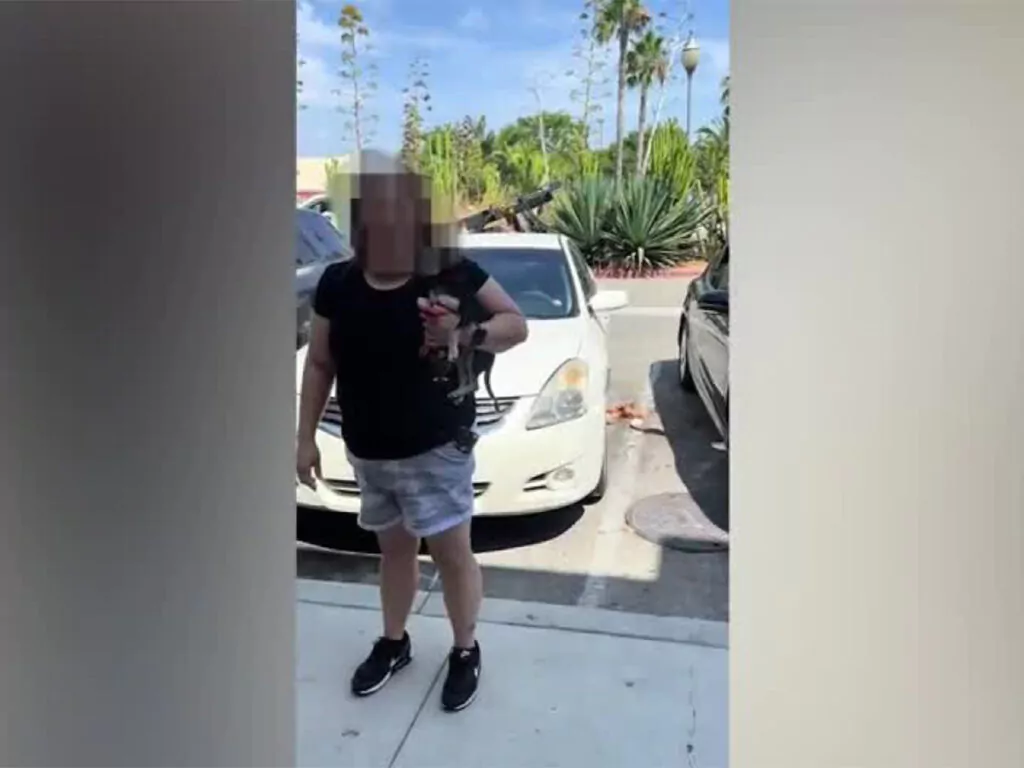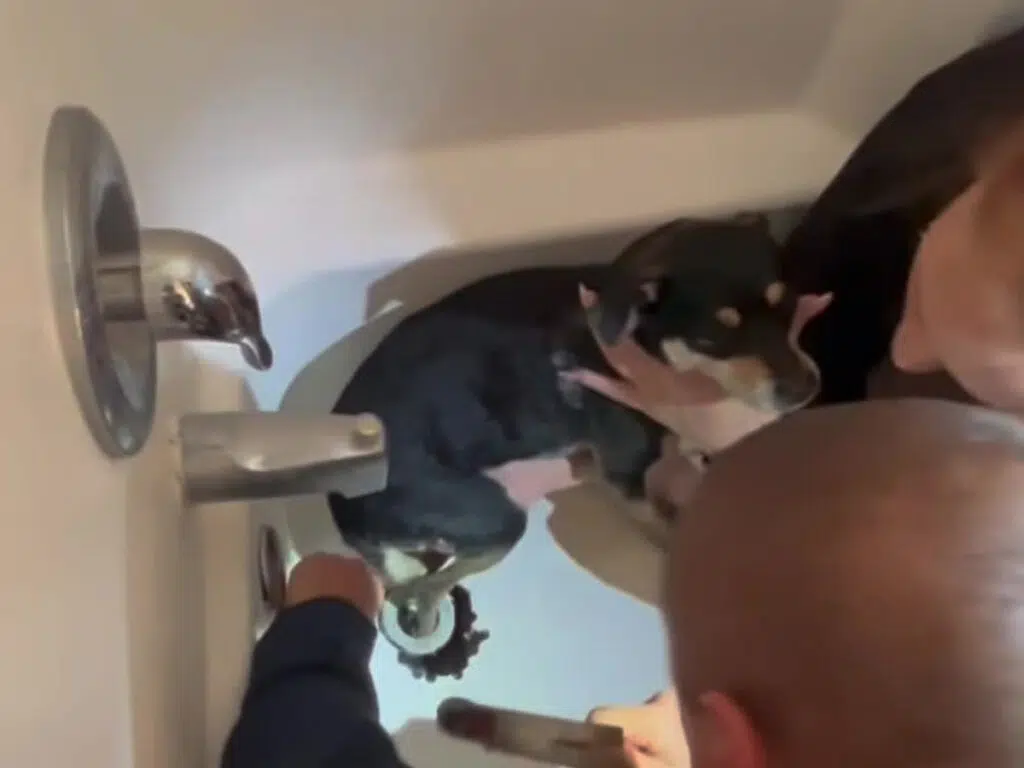

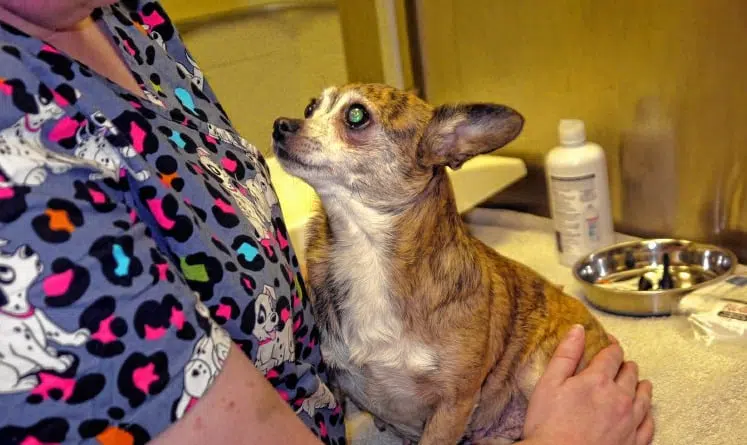
The first time I walked the small-dog wing of a municipal shelter in the Inland Empire, east of Los Angeles, I went in expecting to count pit bulls. That is the breed everyone talks about when they talk about shelter math. What I found instead, run after run, was Chihuahuas. Eight pounds, maybe nine. Some of them owner-surrenders with a date written on the kennel card; some of them strays picked up off a street in Bakersfield or Riverside. A volunteer named Teresa walked me down the line and told me, without any drama in her voice, that this was a slow week.
Tag @ChihuahuaCorner if you know a chihuahua who needs a second chance. We follow up on every lead we can verify.
favoriteChihuahuas are, depending on the year and the region, among the most-euthanized dogs in American shelters, often cited second only to pit bulls. The number gets thrown around online as a kind of grim trivia. What it actually describes is a system, and systems have parts you can name. So let me name them.
It starts with breeding, and it starts before the shelter
A Chihuahua costs almost nothing to produce and takes up almost no space. That combination is the whole problem in one sentence. A backyard operation can keep a dozen small dogs in a garage and turn out litters faster than any rescue can find homes for them. Commercial breeders and puppy mills do the same thing at scale, and they crossbreed for the market, which is how you end up with the long list of designer mixes (the Chiweenie, the Pomchi, the Rat-Cha) that flood the same shelters a year or two later when the novelty wears off.

The Humane Society of the United States has spent years documenting how puppy mills move volume through pet stores and online listings, and small breeds are easy volume. The math is not complicated. When supply outruns demand, the surplus does not evaporate. It lands in a kennel run in California, and somebody like Teresa has to make a decision about it.
The Paris Hilton problem was real, and it was bigger than Paris Hilton
There was a stretch in the early 2000s when a Chihuahua was a fashion item. You carried one in a bag. The movie studios noticed, the marketing noticed, and demand spiked for a dog that a lot of buyers did not actually want to own past the point where it stopped being cute and started being a dog.
Here is the part the trend pieces skip. The dog does not know it was a trend. It still barks, still needs house-training, still bonds hard to one person and guards that person with everything its small body has. When the impulse buy met the reality of the animal, the animal got surrendered. The fad ended; the dogs did not. They are still cycling through the Southern California system two decades later, which is what an impulse adoption looks like when you follow it all the way down the road.
A small dog's behavior gets read wrong, and that costs it the adoption
A Chihuahua that growls when you reach into its kennel is doing the same thing a Labrador would do, on a smaller scale, for the same reasons. The difference is how we read it. A big dog that guards its food is a serious behavior case. A small dog that does it is "yappy," "snappy," an "ankle biter." The label is funny to people on the internet. It is not funny to the dog, because the label is one of the things keeping it in the kennel.
Shelters run temperament checks for real reasons; they need to know whether a dog can go home with kids or with another dog. But a Chihuahua failing a handling test is often a Chihuahua that is terrified, undersocialized, and going quietly out of its mind from confinement. The ASPCA notes that aggression is among the hardest behaviors to work through in a shelter setting, and time in a kennel tends to make it worse, not better. A frightened small dog reads as a difficult small dog, and a difficult small dog waits longer, and a dog that waits longer is the dog whose card gets pulled when the runs fill up.
The geography is not an accident
This is a regional story before it is a national one. The Chihuahua surplus is concentrated in the Southwest, and in California most of all. Shelters in Los Angeles, in Bakersfield, in the Central Valley and the Inland Empire report that small breeds, Chihuahuas and their mixes, make up a large share of their dog population. Some intake estimates put that share at a third or more. The dogs come in faster than the local adopters can take them out.
So a transport network grew up to move them. Rescues drive and fly Chihuahuas north and east, to states where a small, friendly dog is something people are waiting in line for. The same South-and-West-to-North pipeline that carries hound mixes out of Louisiana carries Chihuahuas out of California. It works, when there is a driver, a foster bed on the other end, and money for the gas. Those are the three things that are always short.
What actually moves the number
None of this is hopeless, and I am not going to dress it up so that it sounds like more than it is. The fixes are unglamorous and they are known.
Spay and neuter, and do it cheaply and locally. You cannot adopt your way out of an oversupply problem; you have to turn the tap down at the source. Low-cost and free spay/neuter clinics in the high-intake counties are the single most effective thing on this list, because every litter that is not born is a dozen kennel decisions that never have to be made.
Adopt the small dog, especially the older one. The frightened Chihuahua at the back of the run is not broken. It is a one-person dog that lost its person, and it will bond again, hard, given a quiet house and a few weeks. The senior Chihuahuas are the ones who wait longest and ask for the least.
Foster, because the pipeline runs on beds. A transport route is only as good as the place the dog sleeps when it gets there. A foster home is what lets a rescue pull one more dog from a California kennel this week instead of next month.
Support the rescues doing the driving. The transport groups and the small-breed rescues run on donated time and fuel money. The ASPCA and groups like it publish the data and fund a lot of the spay/neuter work; the local outfits do the unglamorous part, the loading and the long drives. They will all tell you the same thing: the calls have not stopped.
Teresa walked me back to the front of the building that afternoon and stopped at the last run, where a tan Chihuahua about ten years old stood up on his back legs against the gate, not barking, just watching us go by. Owner deceased, the card said. He had been there forty-one days. She told me his name was Pancho, and that he slept curled against the bars on the side closest to the hallway, where the people were.
For more on shelter intake and humane breeding, see the ASPCA and the Humane Society of the United States.
How You Can Help volunteer_activism
Five concrete ways to help. Pick one and start this week.
Adopt
Adopt a chihuahua from a local rescue or transport network.
Foster
Foster a dog while the rescue finds a permanent home.
Donate
Recurring monthly donations cover the bills rescues plan around.
Volunteer
Offer your time and skills to a rescue near you.
Share
Share the dogs your local rescue is trying to place this week.
Frequently Asked Questions help
help_outline How do I start fostering a chihuahua? expand_more
Find the rescue closest to you, send in the foster application, and ask for a home check date. The process usually takes two to four weeks.
help_outline Why are chihuahuas so often in shelters? expand_more
Southern California shelter intake has been the largest single source for two decades, driven by backyard breeding and inconsistent spay-and-neuter access. Transport programs move dogs north to foster networks across the country.
help_outline What does a rescue actually need from a donor? expand_more
Recurring monthly support, foster homes, and in-kind donations of crates and exercise pens. Most rescues list the same three needs in the same order.
Share Hope’s Story Your share can be the reason another small dog gets home.
favorite