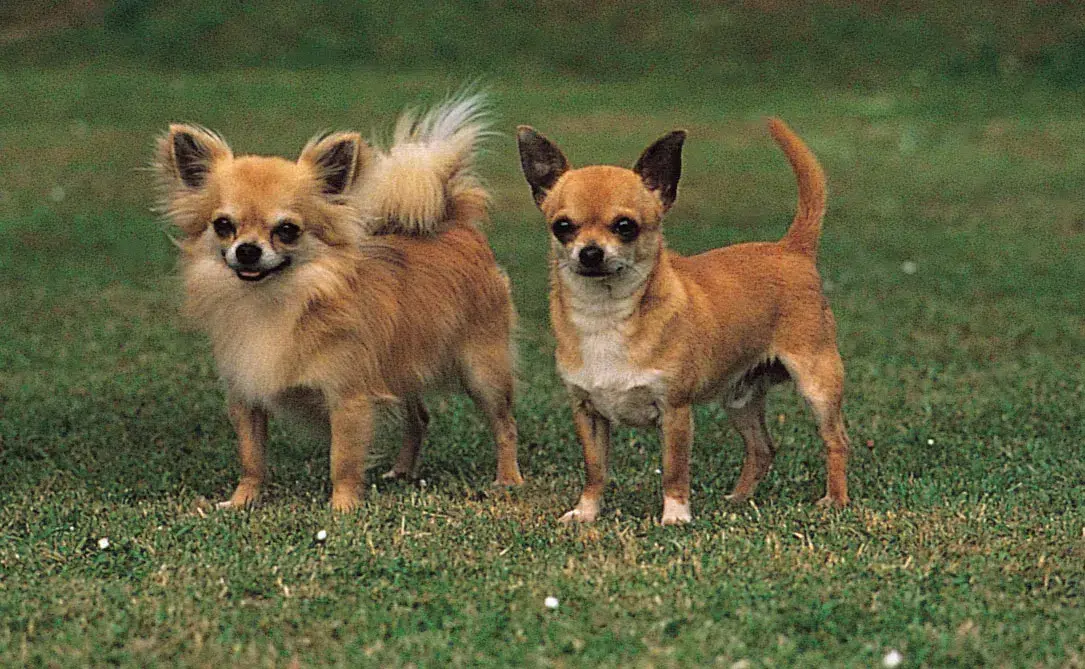

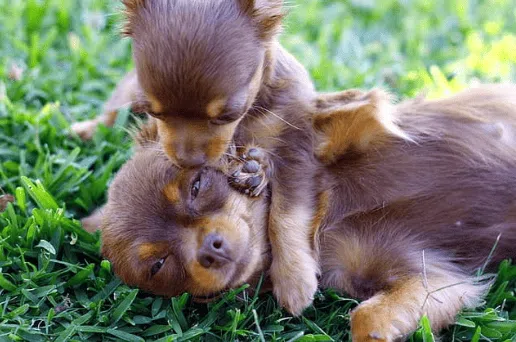
People come to the Chihuahua for the size and stay for the personality, or they leave because of it. There is rarely a middle ground. Before you fall for the apple-domed head and the eyes that take up half the face, it is worth asking the honest question this breed deserves: not whether a Chihuahua is wonderful (it is), but whether a Chihuahua is right for you. The two are not the same thing.
The Chihuahua is the smallest recognized breed in the dog world, and the smallest dog with the largest opinion of itself. Named for the Mexican state where Americans first noted the breed in the 1850s, it stands roughly five to eight inches at the shoulder and, per the American Kennel Club standard, should not exceed six pounds. That is the entire dog. A bag of sugar weighs more than a great many show champions.
Temperament: a terrier-sized attitude in a teacup body
Chihuahuas are bright, alert, and intensely loyal, often to one person above all others. They bond hard. A well-socialized Chihuahua is confident, curious, and genuinely funny, prancing through a room with the self-importance of a dog ten times the size. That loyalty has a flip side. The breed tends to be wary of strangers and quick to announce them, and an under-socialized Chihuahua can tip into nervous snapping. This is not a character flaw baked into the breed. It is the predictable result of a small dog that was carried everywhere and never taught the world is safe.
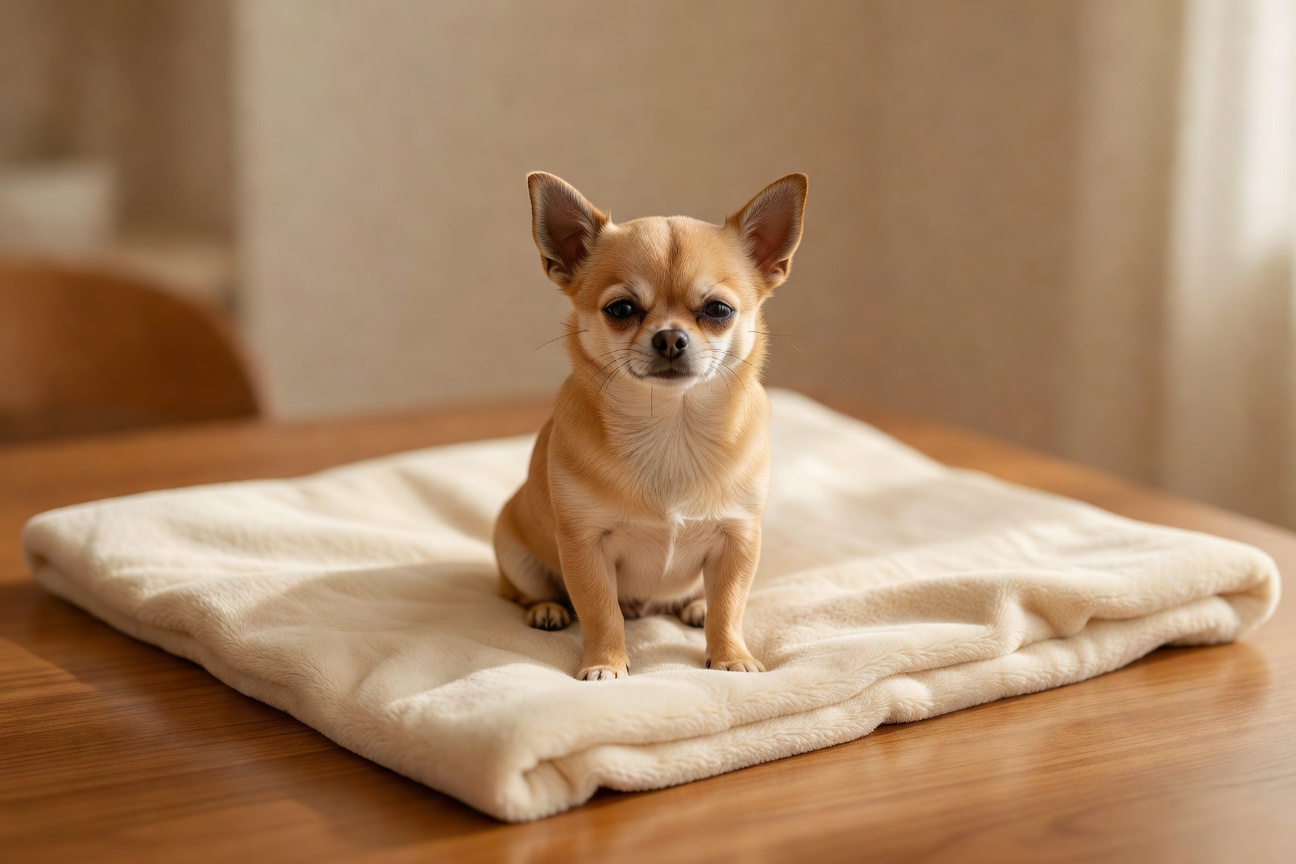
The most important thing a new owner can do is treat the Chihuahua as a dog rather than an accessory. Socialize it early, between roughly eight and fourteen weeks, to as many people, surfaces, and sounds as you can manage. The Chihuahua that learns the world is interesting rather than threatening grows into the steady, droll companion the breed is capable of being.
Small size and real fragility
The size is the charm and the catch. A six-pound dog is easy to carry, easy to house, and easy to injure. Chihuahuas are genuinely fragile. They are hurt by being stepped on, sat on, dropped from a couch, or jumped on by a larger dog. Many are born with a molera, a soft spot on the skull where the bones have not fully closed, which calls for a gentle hand around the head.
This is the honest reason most breeders and rescues steer the Chihuahua away from homes with very young children. It is not that the dog dislikes kids. It is that a toddler and a three-pound puppy are a bad physics problem. A child who squeezes or falls can break a Chihuahua, and a frightened Chihuahua may bite in self-defense. Families with older, calm children who understand how to handle a small dog are a different story. Households with babies and busy toddlers usually are not.
Exercise and grooming
Here the Chihuahua is refreshingly low-maintenance. A couple of short walks and some indoor play meet the breed's exercise needs, which makes it a genuinely good apartment dog and a sensible choice for older or less mobile owners. Do not mistake low needs for no needs. A bored Chihuahua barks, digs, and invents problems. The body is small; the brain is not.
Grooming depends on the coat. The smooth coat needs little more than an occasional brush and a wipe-down. The long coat needs brushing a few times a week to stay free of mats. Both shed, a fact prospective owners routinely underestimate. The bigger grooming commitment is the teeth. Small breeds are prone to dental disease, so regular tooth brushing and veterinary cleanings are not optional luxuries. They are part of owning the dog.
Trainability, barking, and the alarm system
Chihuahuas are smart and capable learners. They take to tricks, do well with positive, reward-based methods, and respond badly to harsh correction, which only deepens their wariness. The breed's reputation for being difficult is largely a housetraining issue. A Chihuahua has a tiny bladder and cannot hold it as long as a bigger dog, so consistency, a set schedule, and patience matter more than usual. Many owners find crate training and indoor pads helpful, especially in cold or wet weather, when a Chihuahua's distaste for getting its feet wet becomes a daily negotiation.
About the barking: yes. The Chihuahua is a serious alert dog with a low threshold and a strong territorial streak. Left untrained, it can become a committed yapper that flags every passing footstep. This is manageable with early, consistent training, but it should be planned for, not discovered. If you share thin walls with neighbors, go in with your eyes open.
Health and a long, long commitment
This is the part people skip past, and it matters most. Chihuahuas are one of the longest-lived breeds, commonly reaching twelve to eighteen years and not rarely beyond. That is a remarkable gift and a serious obligation. A Chihuahua adopted by a college student will likely still be there for a mortgage, a move, and a child. Plan for the whole arc, not the puppy.
Known health considerations include hypoglycemia (low blood sugar, especially in young puppies, which is why small, frequent meals help), a collapsing trachea that argues for a harness over a collar, dental disease, patellar luxation in the knees, and various eye and heart conditions. None of this should scare you off. It should make you a careful buyer. Choose a responsible breeder who health-tests their dogs, or a reputable rescue, and budget for the veterinary care a small, long-lived dog requires across more than a decade.
Who the Chihuahua suits, and who it does not
The Chihuahua suits the person who wants a deeply bonded, portable, characterful companion and is willing to do the early socialization and the daily dental work to earn it. It suits apartment dwellers, single people, seniors, and quieter households. It suits owners who find a small dog's big opinions delightful rather than exhausting, and who can commit to fifteen-plus years.
It does not suit homes with very young children, or busy households where a fragile dog could be stepped on or overwhelmed. It is a poor match for owners who want a sturdy hiking partner, a dog that warms instantly to strangers, or a low-vocal breed that will not comment on the mail carrier. It is the wrong dog for anyone hoping to carry it through life like a handbag and skip the training, because that is precisely how the breed's worst reputation gets made.
If you read all of that and felt yourself nodding rather than flinching, you may already know the answer. The Chihuahua asks for very little space and a great deal of attention, and gives back a loyalty out of all proportion to its size. Get it right and you will spend the better part of two decades being followed, judged, and adored by something the weight of a paperback.
Is this Chihuahua right for you? auto_awesome
Want to learn more about your Chihuahua? Compare breeds, check the standard, and find the chihuahua that matches your home.
favorite