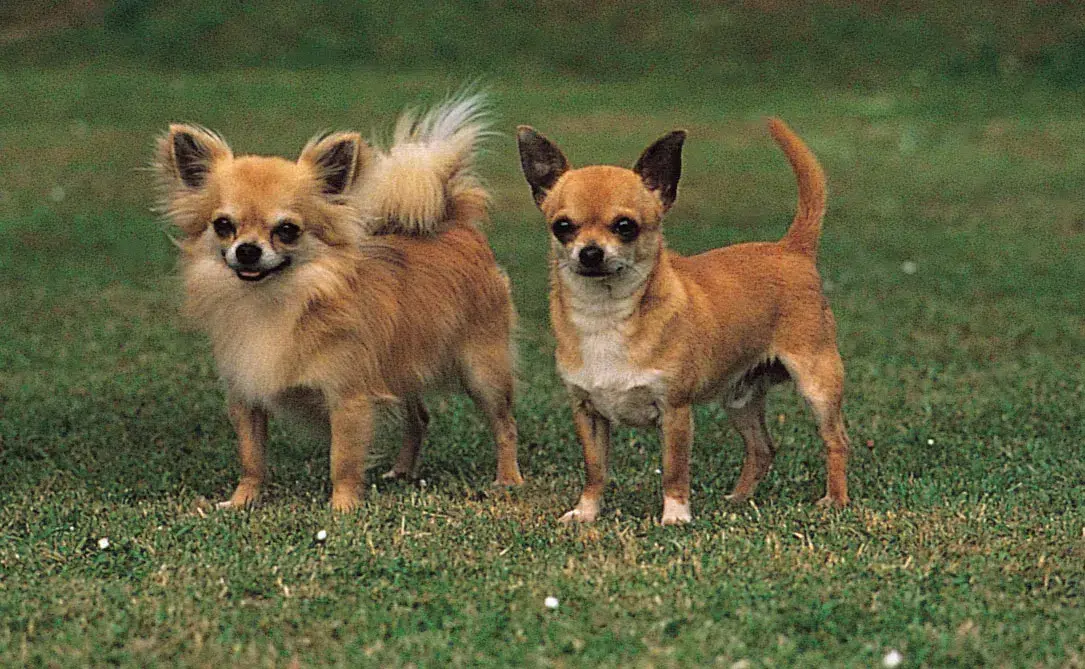


The question of how big Chihuahuas get is one of the most common inquiries from prospective owners. These small dogs are famous for their tiny size, but their growth patterns and ultimate dimensions can vary significantly depending on genetics, gender, nutrition, and general health care. As a breed editor, I believe that understanding the physical standards of this toy breed is essential for providing optimal care and managing expectations throughout their developmental journey.
Chihuahuas are classified as a toy breed, representing one of the smallest recognized canine breeds in the world. According to major kennel club standards, their physical dimensions are defined by a strict set of height and weight ranges. However, individual variations always exist within any genetic line, making it important to examine the biological variables that shape their growth.

The Official Breed Standards
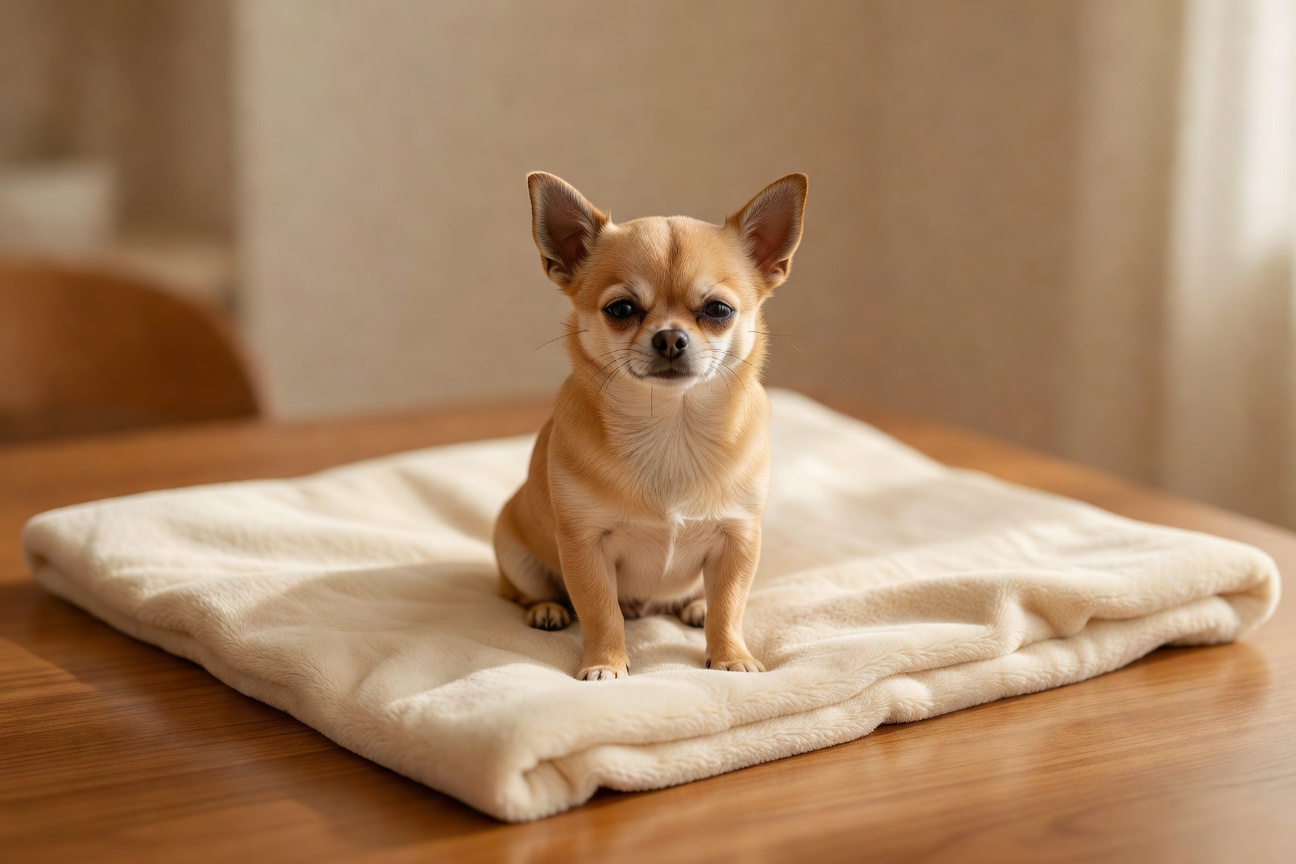
The official breed standard established by the American Kennel Club states that a healthy adult Chihuahua should not exceed six pounds in weight. Most standard Chihuahuas weigh between two and six pounds. In terms of height, they typically measure between five and eight inches at the shoulder when fully mature.
While the six-pound limit is the competitive standard for show dogs, many companion Chihuahuas are slightly larger, occasionally weighing between seven and ten pounds. These larger companion dogs are often referred to as "deer head" Chihuahuas, featuring longer snouts, larger ears, and longer legs than their "apple head" counterparts. These companion-sized dogs are highly valued for their friendly temperaments and slightly more robust physical frames.
Factors Influencing Growth and Size
A variety of biological and environmental variables influence a Chihuahua's physical development and ultimate size:
- Genetics: This is the primary driver of adult size. A puppy's ultimate dimensions are highly dependent on the size of their parents and grandparents.
- Dietary Nutrition: A balanced diet rich in essential proteins and fats supports proper skeletal development and muscle growth. Malnutrition can stunt growth, while overfeeding can lead to rapid weight gain and obesity.
- Gender: Male dogs are occasionally slightly heavier and taller than females, but the difference is usually minor.
- Spaying or Neutering: The timing of surgical sterilization can affect growth plate closure. If performed very early, the lack of sex hormones can cause the growth plates to delay closure, resulting in a slightly taller, leggy frame.
Furthermore, the maternal environment during pregnancy plays a significant role. Litters with fewer puppies often produce larger individuals at birth, as they had access to more nutrients in the womb. Conversely, large litters can result in smaller puppies who may take slightly longer to reach their full potential during their first few months.
Physical activity is also key. While small puppies should not be over-exercised, gentle daily play helps build bone density and muscle mass, allowing them to fill out healthy frames without putting excessive stress on their tiny joints.
The Role of Pediatric Nutrition
Toy breed puppies have extremely high metabolic rates and very small stomachs, meaning they cannot consume large volumes of food at once. To support their rapid growth, they require calorie-dense, highly digestible food fed in small, frequent meals (typically four to five times a day during their first six months). This frequent feeding is also crucial to prevent hypoglycemia, a dangerous metabolic emergency where blood sugar drops rapidly, causing weakness, seizures, or collapse.
Understanding these developmental factors is a vital part of pet parenting. Owners must also monitor their growth to prevent joint injuries and obesity, which are major triggers for common physiological health concerns in toy breeds that affect this breed.

The Teacup Chihuahua Controversy
You have likely heard the term "teacup" applied to exceptionally tiny dogs. It is crucial to understand that "teacup" is not an officially recognized breed classification. It is a marketing term used by breeders to describe dogs that weigh under three pounds at maturity.
While extremely small Chihuahuas are undeniably cute, breeding for extreme miniaturization often leads to severe congenital health problems, including open fontanels, hydrocephalus, and fragile skeletal structures. These tiny dogs require specialized care and are highly vulnerable to hypoglycemia and physical trauma.
Prospective owners should carefully research breeders and seek out standard-sized puppies to ensure a healthier, happier life for their pet. Supporting standard sizes is also key to maximizing the long-term lifespan and wellness of small dogs and avoiding chronic medical complications.
Developmental Milestones and Timelines
Chihuahuas undergo a rapid developmental period compared to larger breeds. They typically reach their full adult height and length between six and nine months of age. Over the subsequent six to twelve months, they will continue to "fill out," developing muscle tone and fat distribution to achieve their final adult weight.
During the first six months of a puppy's life, owners should monitor their weight weekly. If a puppy stops gaining weight or exhibits lethargy, consult your veterinarian immediately to rule out parasite infections or metabolic issues.
Conclusion
Ultimately, whether your companion dog is a tiny three-pound apple head or a larger ten-pound deer head, their small stature requires attentive, informed care. By providing a balanced diet, regular veterinary checkups, and a safe indoor environment, you can ensure your dog lives a long and fulfilling life.
Is this Chihuahua right for you? auto_awesome
Want to learn more about your Chihuahua? Compare breeds, check the standard, and find the chihuahua that matches your home.
favorite