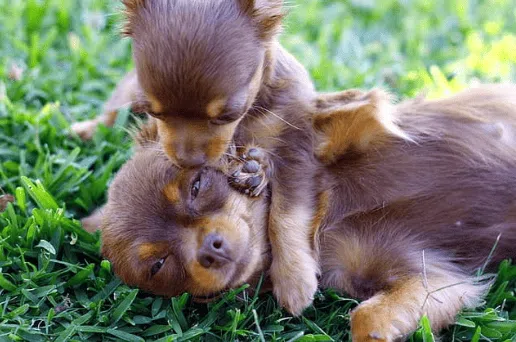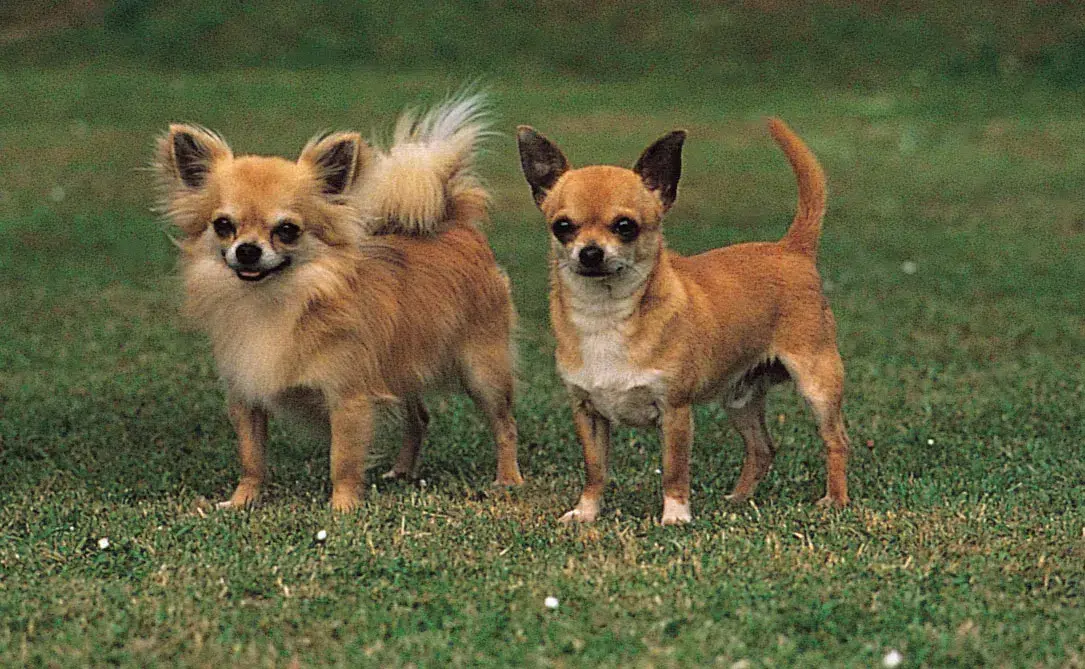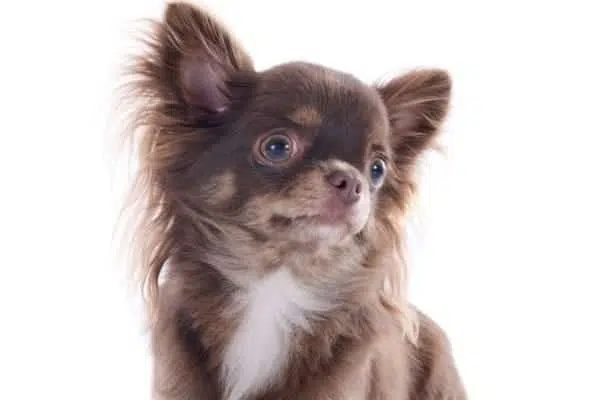


I will confess something a breed columnist is not supposed to admit: the first Chihuahua I ever met bit me. I was nine, the dog was thirteen, and he was defending a sun-warmed cushion that he had decided, after a long life, was his. I remember thinking the breed's reputation was earned. It took me about twenty years and a great many better-raised Chihuahuas to understand that the dog had not been the problem. The cushion had not been the problem. The decades of people picking that dog up instead of teaching him anything had been the problem.
So let us go through the indictment. The Chihuahua is, by popular vote, the worst breed alive: yappy, snappy, fragile, untrainable, a one-person tyrant in a sweater. Every charge contains a grain of something true, which is exactly why the stereotypes stick. But let's face it, almost none of it is about the breed. Most of it is about us.
"They never stop barking"
The Chihuahua is a vocal breed. That part is not a slander. The American Kennel Club lists alertness and a "terrier-like" attitude in the temperament section of its breed standard, and the breed was selected, in part, to be a small dog that notices things and announces them. Noticing things is the job. The trouble is that nobody told the dog when to stop.
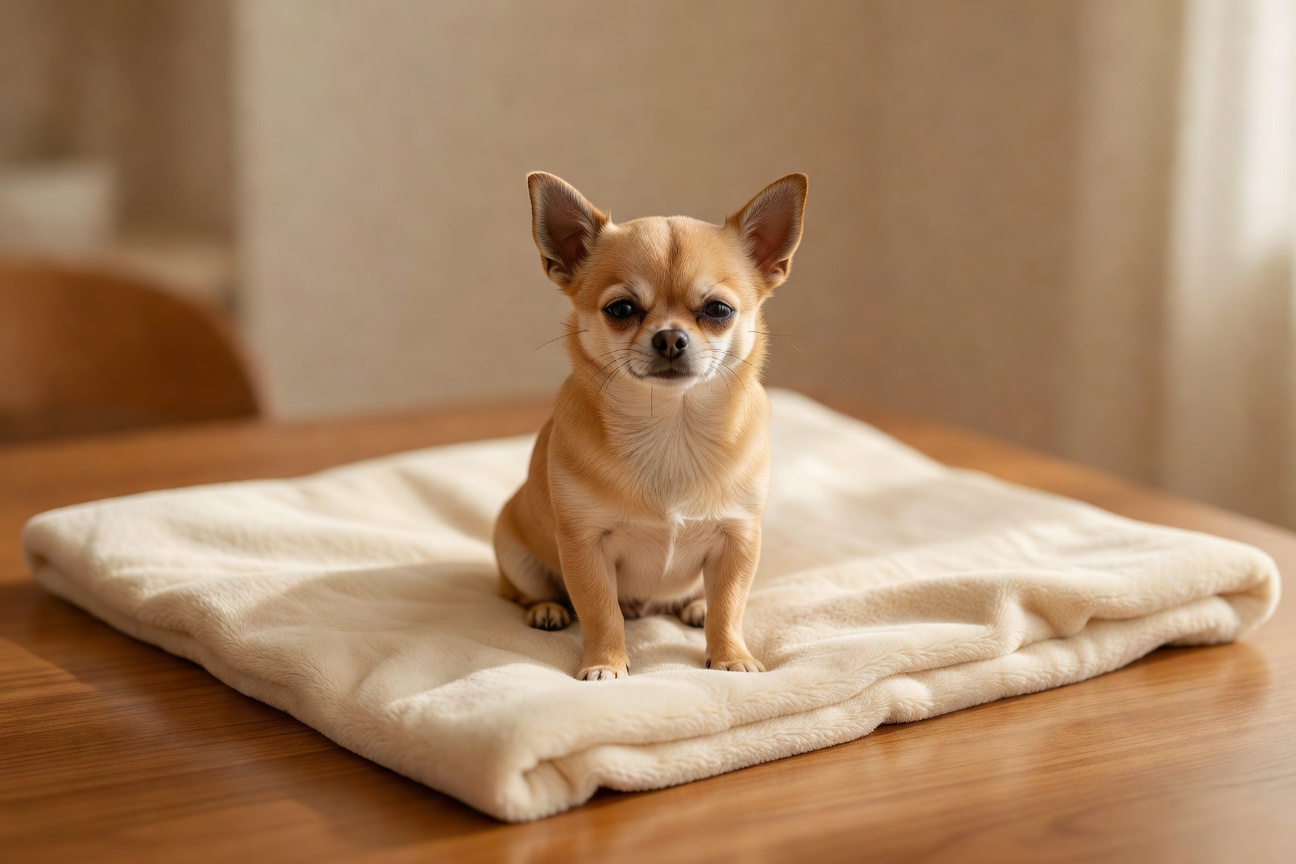
Excessive barking is overwhelmingly a training and management issue, not a breed sentence. A Chihuahua that barks at every passing leaf has usually learned that barking works, that it summons attention, food, or the simple thrill of a reaction. Reward the quiet instead of the noise, give the dog something to do, and the volume drops. I have known utterly silent Chihuahuas. I have also known Labradors who bark at their own reflection for forty-five minutes. Volume is not a breed trait so much as an unaddressed one.
"They are vicious little things"
Here is the charge with the most teeth, so to speak. A 2008 University of Pennsylvania study by Deborah Duffy, Yuying Hsu, and James Serpell, published in Applied Animal Behaviour Science, surveyed thousands of owners across dozens of breeds and found that smaller breeds, the Chihuahua among them, scored higher on owner-directed and stranger-directed aggression than many larger dogs. So the reputation is not invented out of thin air.
But read the why before you read the verdict. A small dog lives in a world built at knee height by giants, and it has learned that the one tool that reliably creates space is its mouth. Now add the part the data does not capture directly: the Chihuahua is the breed people are least likely to bother socializing or training, precisely because it is small enough to carry away from anything frightening. A snap from a sixty-pound dog sends an owner to a trainer. A snap from a four-pound dog gets the dog scooped up and laughed off. Fear that never gets resolved becomes a habit. The breed is not born vicious. It is, too often, taught to be defensive and then never untaught.
"They are too fragile to be real dogs"
Not totally wrong, and not a reason to treat them like porcelain. A Chihuahua is a true toy breed, typically under six pounds, and yes, that small frame is genuinely more vulnerable to a careless footstep or an enthusiastic larger dog. Some carry a molera, the soft spot on the skull that the breed standard actually permits, and the breed has known predispositions to patellar luxation and dental crowding that a good owner watches for.
Fragile in body, though, is not fragile in spirit, and conflating the two is how the trouble starts. The Chihuahua does not know it is small. It will attempt to evict a German Shepherd from the yard and feel entirely justified. The honest reality is that this is a sturdy, athletic, surprisingly hardy little dog inside a body that needs sensible protection, not a nervous patient who must be wrapped in a blanket and never set down. Set it down. Let it walk. Let it be a dog.
"You cannot train them"
This is the one that makes me sigh. Chihuahuas are bright, food-motivated, and entirely capable of learning. They compete in agility, in rally, in obedience, in scent work. They earn titles. The reason the "untrainable" myth persists is not the dog's intelligence. It is housetraining, which is genuinely harder with toy breeds for two unglamorous reasons: a tiny bladder holds less, and a small accident on a large floor is easy to miss and therefore easy to leave unaddressed. People mistake a housetraining challenge for a character flaw.
The deeper issue is that we do not train dogs we carry. A Chihuahua spends a remarkable percentage of its life airborne, transported from couch to car to lap, and a dog that is never on the ground is a dog that never learns to sit, stay, or come when called. Put the same dog through the same consistent, reward-based training you would give any breed and it learns at the same pace. The toy-sized tyke is not stupid. It is under-employed.
"They only love one person"
Mostly true, and I would argue it is a feature wearing the costume of a bug. The Chihuahua is famous for bonding intensely, often to a single person, and the AKC describes the breed as devoted and loyal to a fault. That devotion, mismanaged, curdles into resource guarding of the owner, the growl when a spouse approaches the bed, the snap at the visiting grandchild. Devotion without boundaries becomes tyranny. That is on the household, not the heredity.
Socialize the dog early and widely, teach it that good things come from many hands, and that ferocious loyalty becomes one of the warmest things in dogs. The Chihuahua that has been properly raised will adore its person and still tolerate the world graciously. It simply needs to be shown that the world is not a threat to the relationship.
So who actually thrives with one?
Someone who will treat a small dog like a dog. People who train, who socialize, who set the Chihuahua on the floor and let it earn its confidence are rewarded with a clever, funny, fiercely affectionate companion that lives, per AKC longevity figures, well into its mid-teens and sometimes beyond. The breed suits attentive apartment dwellers, patient first-time owners willing to do the homework, and anyone who wants more personality per pound than the dog world has any right to offer.
The Chihuahua is not the worst breed. It is the most consistently failed one, undermined by the very thing that makes it appealing, the convenient smallness that tempts us to carry it rather than raise it. Do the work that smallness lets you skip, and you get the dog the reputation never mentions. My nine-year-old self would not believe me. The thirteen-year-old on the cushion, I think, would.
Is this Chihuahua right for you? auto_awesome
Want to learn more about your Chihuahua? Compare breeds, check the standard, and find the chihuahua that matches your home.
favorite