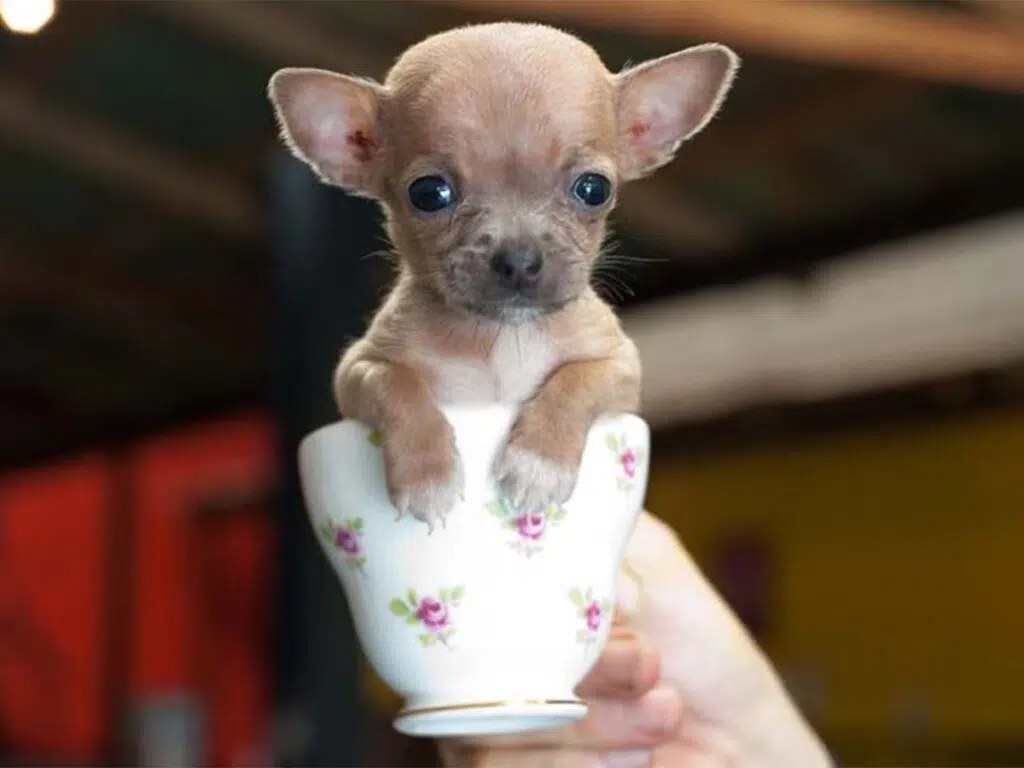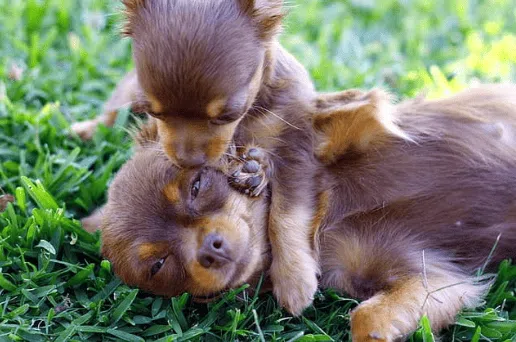

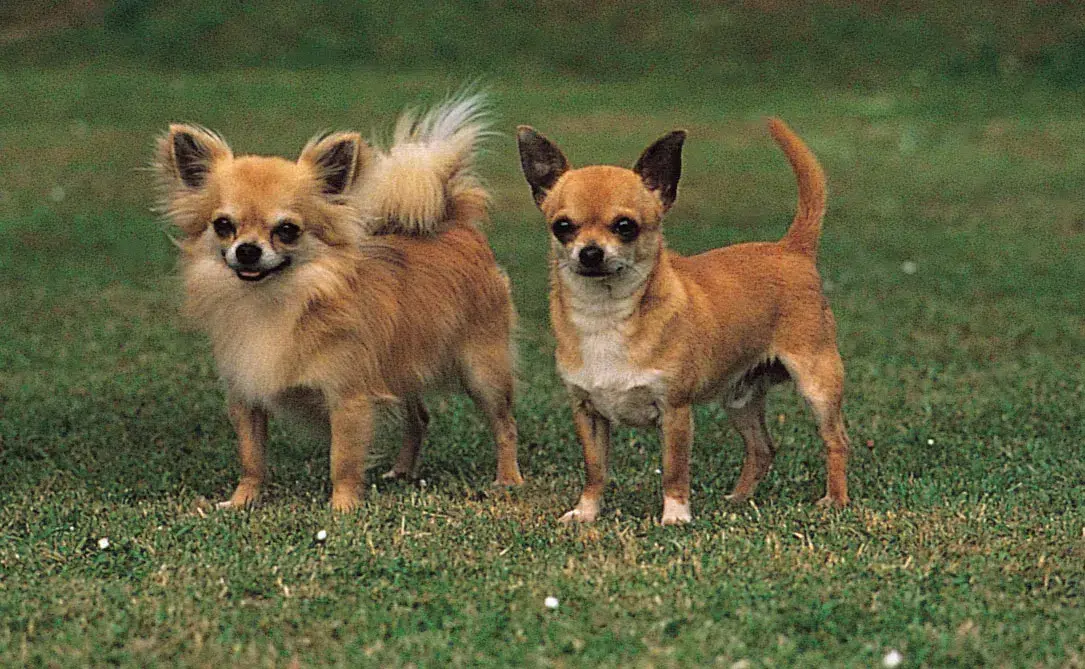
Ask three Chihuahua breeders what color a dog is, and you may get four answers. The breed comes in more colors and color combinations than nearly any other in the American Kennel Club registry, which is part of its charm and most of its confusion. So before you go shopping for a "rare blue merle" puppy at a premium price, let's sort out what these colors actually are, which ones the breed standard recognizes, and which one comes with a genetic asterisk you should not ignore.
What the AKC Standard Actually Says
Here is the part most color guides skip. The AKC breed standard for the Chihuahua, maintained with the Chihuahua Club of America as the parent club, takes a refreshingly short position on color: "Any color, solid, marked or splashed." That is nearly the whole of it.
Read that twice. The standard does not list approved colors the way the Doberman or Weimaraner standards do. It opens the door to the entire spectrum. A judge in the ring is not weighing fawn against chocolate; both are equally correct, and color is not meant to be a deciding factor between two otherwise sound dogs. The standard cares far more about the apple-domed head, the level topline, and that weight stays under six pounds. Color, in the eyes of the standard, is the dog's business.
The Common Coat Colors
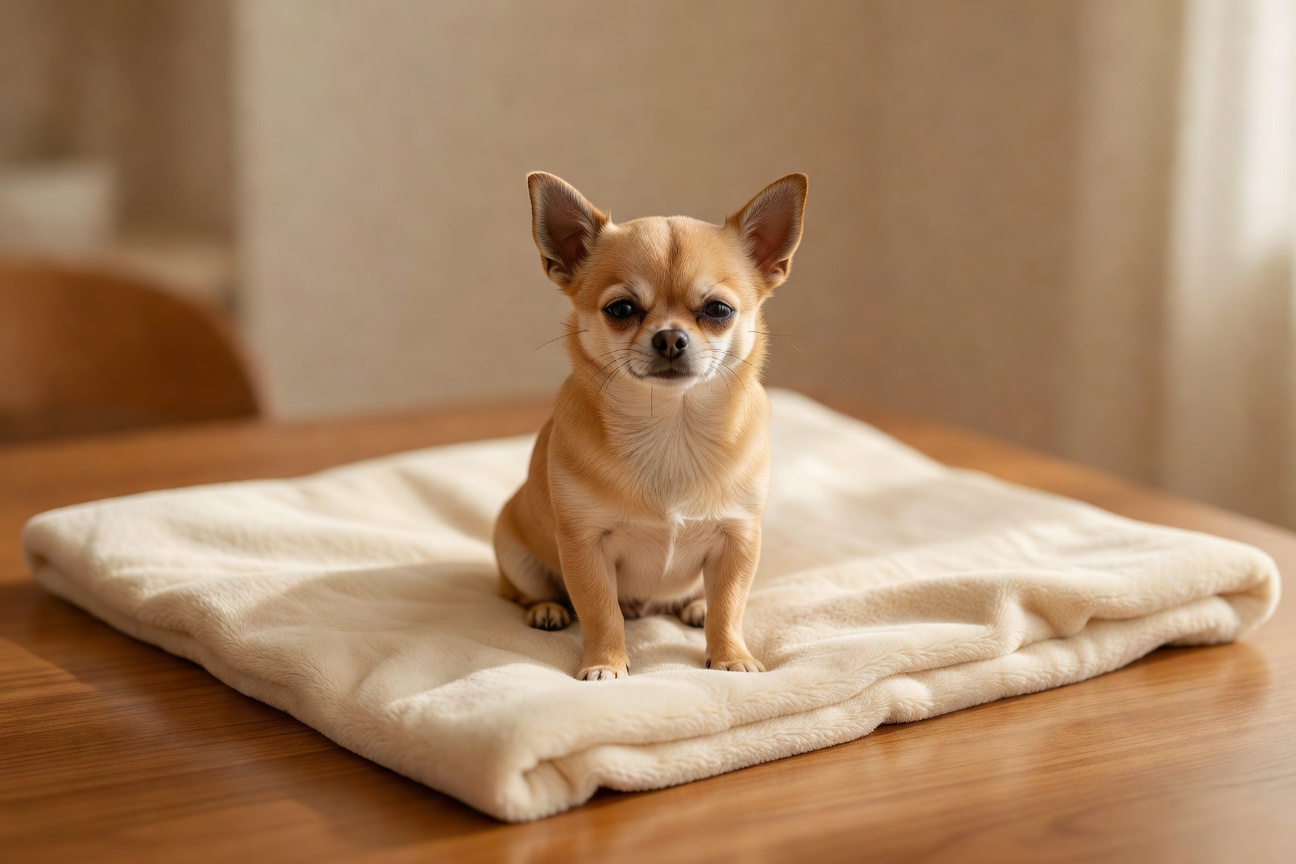
Start with what you will actually meet at a dog park. Fawn is the one most people picture, a warm tan that ranges from pale sand to a deep reddish stag. Black, often with tan points over the eyes and on the legs, is common and clean-looking. Chocolate is a brown produced by the same gene that turns a black dog liver; you can spot it because the nose, eye rims, and paw pads come out brown rather than black. Cream is fawn's diluted cousin, pale enough to read as near-white in some light. White does occur, though a truly all-white Chihuahua with full pigment is less common than people assume.
Then come the dilutes. Blue is not a separate paint color but a diluted black, the same way a blue Weimaraner or blue Great Dane is genetically a faded version of something darker. The coat reads slate-gray, and the skin pigment on the nose and pads carries a blue-gray cast. Dilution is governed largely by the recessive "d" allele, and a dog needs two copies to show it. That detail matters in a moment.
Patterns and Markings
Color is the paint. Pattern is how it is arranged, and the Chihuahua wears most of them.
Sable describes individual hairs that are dark-tipped over a lighter base, usually fawn or red, giving the coat a shaded, overlaid look. Brindle lays darker stripes over a lighter ground, the tiger-stripe effect you also see on Boxers and Greyhounds. Particolor, sometimes written parti-color, means a coat broken into two or more clearly defined patches of color over white. A mask is the darker shading across the muzzle and face common on fawn and cream dogs. Then there are the small flourishes the fancy has named over the years: the white blaze, the splash, and the "kiss mark," a spot of color in the eyebrow region. Every one of these can appear on both the smooth coat and the long coat, since coat length and coat color are inherited independently.
The Merle Problem
Now the dog in the room. Merle produces a mottled, marbled coat, patches of diluted pigment scattered across a darker base, often paired with blue eyes. It is striking, it is marketed as "rare," and it carries a price tag to match. It is also not a traditional Chihuahua color, and there is good reason for caution.
Merle is caused by a dominant allele, usually written "M," on the PMEL gene. A dog with one copy (Mm) is a standard merle. The trouble starts when two merles are bred together, because roughly a quarter of that litter will inherit two copies (MM), the so-called "double merle." Double merles are statistically far more likely to be born deaf, blind, or both, along with other eye defects, because the same gene that scatters the coat pigment also disrupts pigment cells in the inner ear and the eye. This is well documented across merle breeds; the American Kennel Club's health resources and breed clubs across the merle-carrying breeds say the same thing.
There is a second wrinkle specific to this breed. Many breed historians and the parent club hold that the merle allele is not native to the Chihuahua's gene pool and was introduced through crossbreeding, which is why some kennel clubs abroad, including the breed's recognition under the FCI, have moved to bar merle from registration or the show ring. The Chihuahua Club of America has long expressed concern about the pattern. Whether you find that argument fully settled or not (breed-origin debates rarely are), the health math on merle-to-merle breeding is not in dispute.
When Color and Health Actually Intersect
For most Chihuahuas, color predicts nothing about health. A fawn and a chocolate face the same odds. The exceptions are specific and worth knowing.
Color dilution alopecia turns up in some blue and other dilute dogs, a follicular condition tied to a faulty version of the dilution allele that can leave the coat thin or patchy over time. It is not universal among blues, but it is the dilution breeder's known risk. The extreme-white and piebald patterns carry their own association with pigment-related deafness, the same mechanism that haunts double merles. None of this makes a blue or a white dog a bad pet. It makes color genetics a conversation to have with a breeder who tests, rather than one who charges extra for a coat.
So is there such a thing as a rare, valuable Chihuahua color? Not really. The standard says any color is correct, which means none is worth a markup. What is worth paying for is a breeder who can tell you exactly what two genes made the dog in front of you, and who would never put two merles together to chase a flashier litter. Find that person, and the color sorts itself out.
Keep reading: Chiweenie: What a Chihuahua-Dachshund Mix Actually Is
Is this Chihuahua right for you? auto_awesome
Want to learn more about your Chihuahua? Compare breeds, check the standard, and find the chihuahua that matches your home.
favorite