

The chiweenie does not appear in any major kennel club registry. The chihuahua does, recognized by the American Kennel Club (AKC) in 1904. The dachshund does, recognized by the AKC in 1885. The cross between them, popular enough in the United States to have earned three nicknames, is a hybrid, not a breed, and the distinction matters for anyone deciding whether to bring one home.
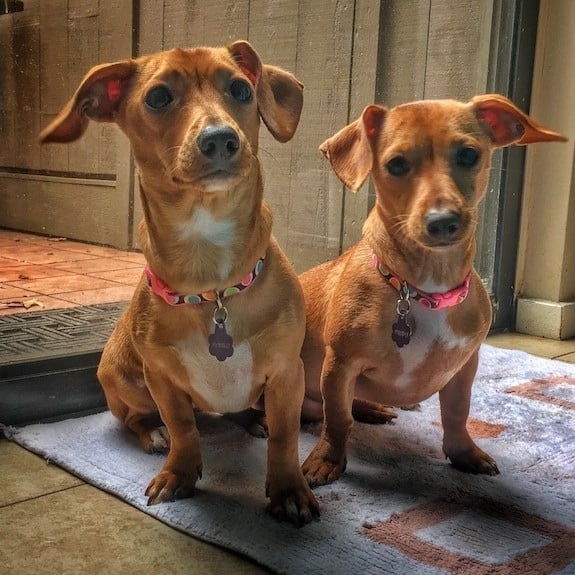
A chiweenie is, in plain breed terms, what you get when you cross a chihuahua with a dachshund. Most chiweenies in American homes today are the descendants of intentional first-generation crosses (one chihuahua parent, one dachshund parent) bred since the late 1990s, when designer crossbreeds became a commercial category. A small percentage are accidental crosses from households that owned both breeds. The genetics are the same. The marketing is different.

The two parent breeds, briefly
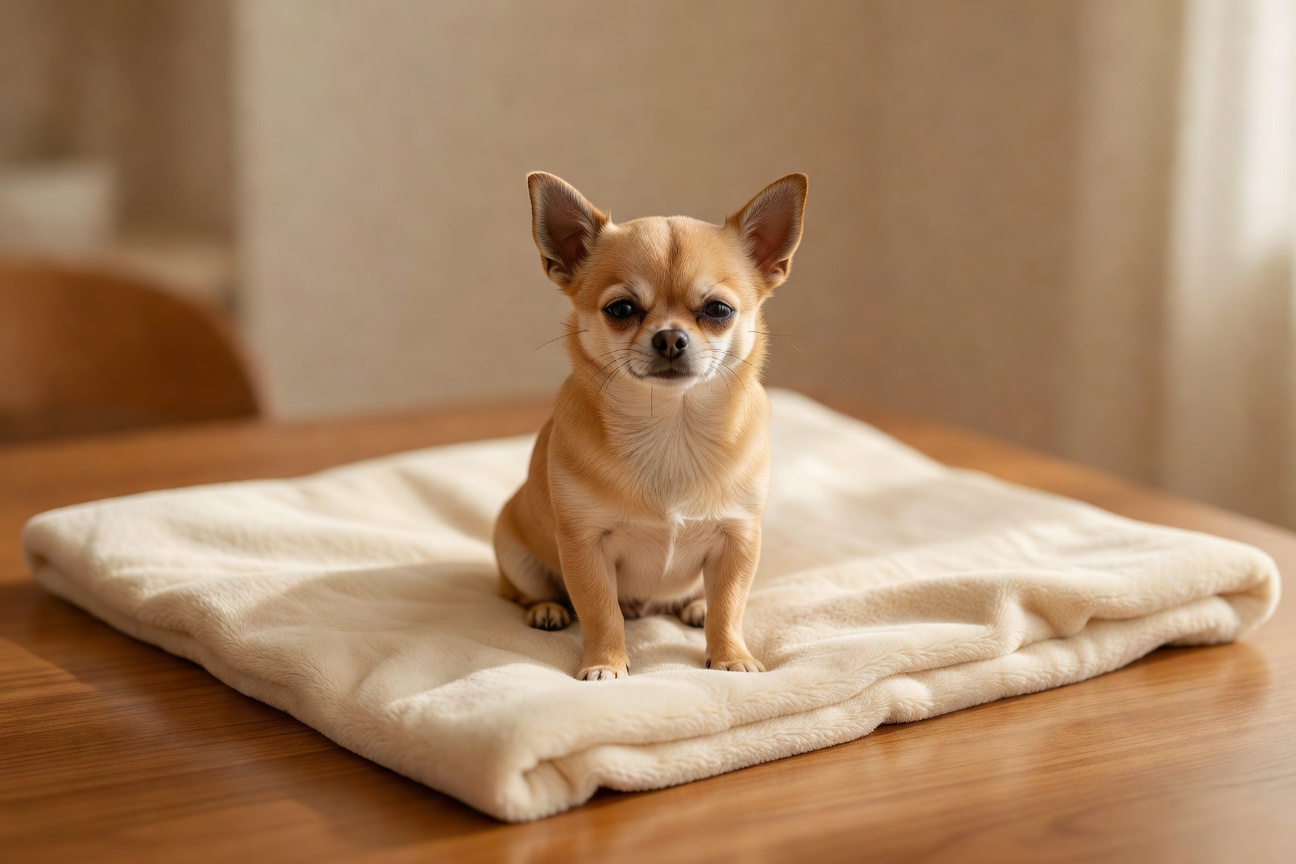
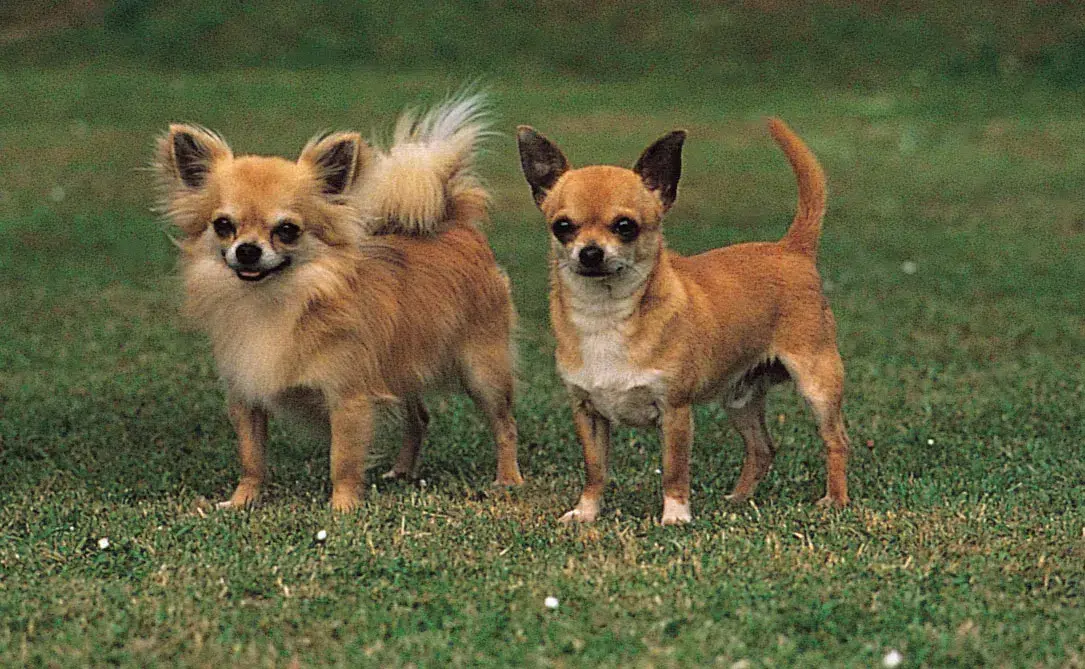
The chihuahua is a toy-group breed of Mexican origin, two to six pounds at adult weight, with a 14-to-16-year lifespan and the longest registered life expectancy of any AKC-recognized breed. The breed standard recognizes two coat varieties (smooth and long) and a wide color range. The signature traits, beyond size, are the apple-shaped skull, the moleras (an open fontanelle that persists in some adults), and a temperament that is alert, devoted, and disinclined to suffer strangers.
The dachshund is a hound-group breed of German origin, bred to go to ground after badgers (the name translates literally as "badger dog"). Standard dachshunds run 16 to 32 pounds; miniature dachshunds, the parent breed in most chiweenie crosses, run under 11 pounds. The breed contributes the long back, the short legs (a chondrodysplastic body type), and a working-dog drive that is unusual in a dog of that size. The temperament is more outwardly social than the chihuahua, more inclined to dig, and more inclined to vocalize at length.
What the cross actually produces
First-generation chiweenies, the most common version in the United States, tend to fall within a predictable range:
- Weight: 5 to 12 pounds at adult weight, depending on which parent the puppy favors. A chiweenie from a miniature dachshund and a smaller chihuahua will hit the lower end. A chiweenie from a standard dachshund will hit the upper end and sometimes exceed it.
- Height: 6 to 10 inches at the shoulder.
- Body shape: Longer than tall in almost every case. The dachshund spine is genetically dominant in the cross.
- Coat: Highly variable. Smooth, wire, or long, in any color the parents carried. Two chiweenies from the same litter often look nothing alike.
- Lifespan: 12 to 16 years. The cross tends to track the chihuahua side on longevity, which is good news for the buyer.
- Temperament: A chihuahua's wariness of strangers paired with a dachshund's vocal habit. The chiweenie barks. The chiweenie barks at the doorbell, at the wind, and at the upstairs neighbor. This is not a training failure. This is the genetic baseline.
The three nicknames
The chiweenie is known by three common names in the United States. The first, "chiweenie," is a portmanteau that arrived in the late 1990s alongside the labradoodle and the puggle (a fashion that breed historians group under the designer-dog wave). The second, "Mexican Hotdog," reflects the chihuahua's country of origin and the dachshund's long-bodied silhouette (the breed's nickname in the United States has long been "hotdog" or "wiener dog," for the same reason). The third, "German Taco," is a more recent coinage that combines both parents into a single piece of food. None of the three is used inside a kennel-club context. All three appear in shelter listings and breeder advertisements.
Health profile, by inherited risk
The chiweenie inherits the risk profile of both parents, which means a longer list than either purebred carries alone. The four conditions to discuss with your veterinarian:
- Intervertebral disc disease (IVDD). The dachshund's long-back, short-leg body type is associated with one of the highest rates of IVDD in any breed. The chiweenie tends to inherit the long back. Routine prevention: no stairs in the first year, no jumping from couches, and a ramp at any height the dog uses daily.
- Patellar luxation. Common in both parent breeds. The kneecap slips out of its groove during activity. Mild cases manage with weight control. Severe cases require surgery.
- Dental crowding and periodontal disease. Small dogs of all kinds inherit a full set of teeth in a small jaw. The chiweenie inherits the worst of both parents on dental crowding. Annual professional cleanings are not optional in this cross.
- Hypoglycemia in puppies. The chihuahua side of the family is prone to low blood sugar in the first few months. The chiweenie puppy needs three or four small meals a day until at least six months of age. Talk to your veterinarian about specific calorie targets for the puppy's weight.
Heart murmurs, tracheal collapse, and hydrocephalus are also on the inherited list, all at lower rates than the four above. The lifespan, on the available data, holds up well despite the longer risk list.
Who the chiweenie suits
The chiweenie suits the household that wants a small, vocal, devoted dog with a clear preference for one or two people in the family. The cross does well with adults, with calm older children, and with other small dogs raised alongside it. The cross does less well with very young children (the long back is fragile in a household of toddlers) and with the household that wants a quiet dog.
The chiweenie is, in apartment terms, a manageable size. The chiweenie is, in noise-complaint terms, a project. The bark is loud, the bark is frequent, and the bark responds to consistent reward-based training but does not disappear. Anyone who needs a quiet dog should consider a different cross.
The bottom line
The chiweenie is a mix, not a breed. The cross combines the long back and the working drive of the dachshund with the longevity and the wariness of the chihuahua. The result is a small dog with a long life expectancy, a real IVDD risk, a dental schedule that cannot be skipped, and a bark that is part of the genetic package.
For deeper reading on the chihuahua side of the family, the chihuahua family-fit guide walks through the same questions for the parent breed. The chiweenie inherits most of those traits. The cross is, on the available evidence, the chihuahua with a longer back and a louder voice.
Is this Chihuahua right for you? auto_awesome
Want to learn more about your Chihuahua? Compare breeds, check the standard, and find the chihuahua that matches your home.
favorite