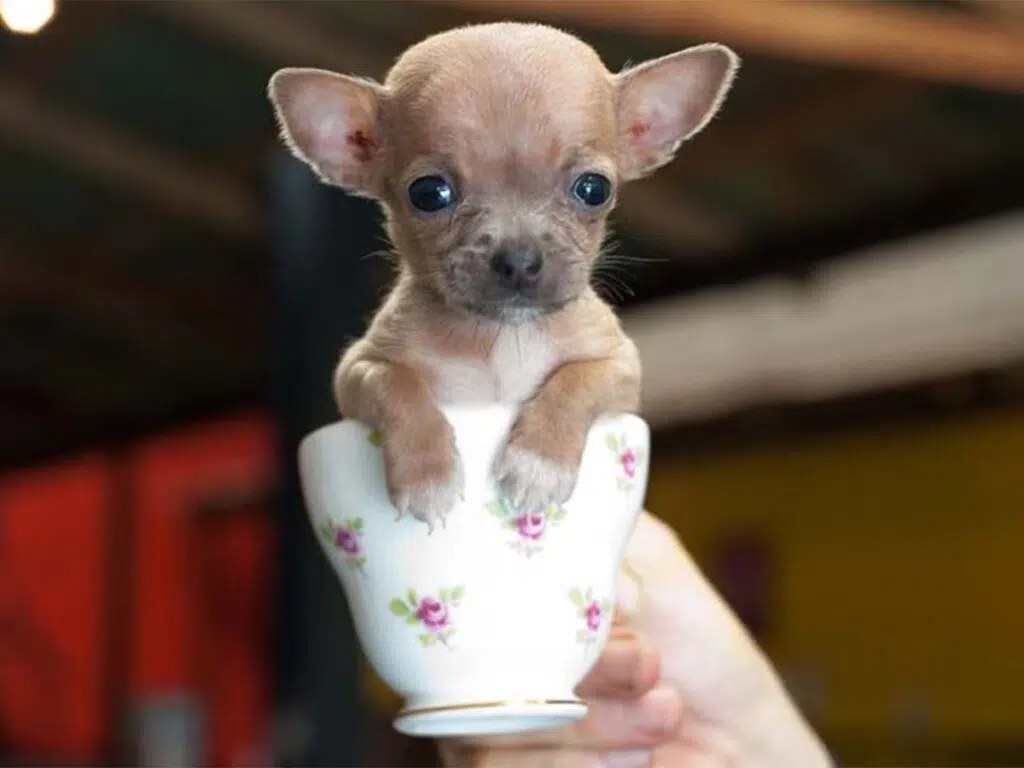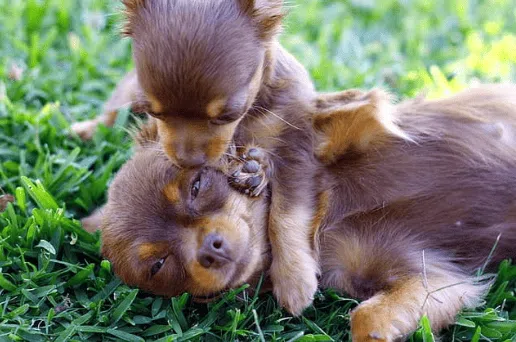

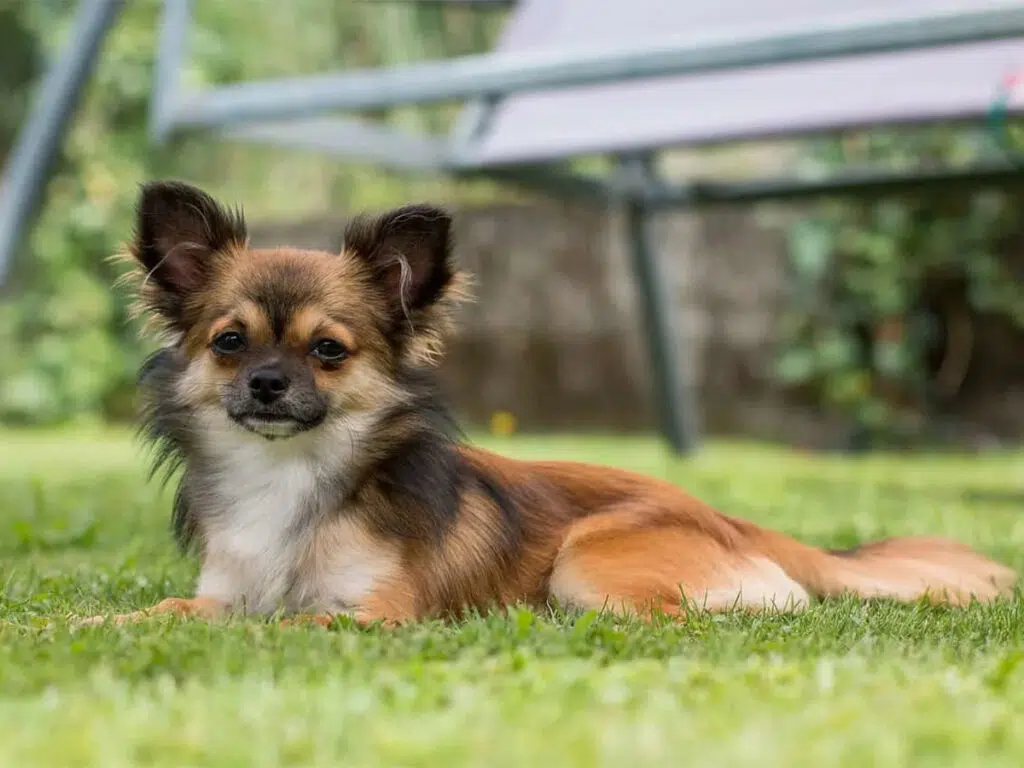
I will confess something that should probably embarrass a breed historian: every January, when the American Kennel Club releases its annual list of the most popular dog breeds in the United States, I go looking for the Chihuahua before I look for anything else. I know roughly where the big sporting breeds will land. The Labrador, the French Bulldog, the Golden, the German Shepherd. Those races are basically rigged in advance. What I want to know is where the little ones sit, and whether the Chihuahua has held its ground for one more year.
It usually has. And that fact, the steady survival of a six-pound dog on a list dominated by sixty-pound dogs, tells you more about American dog culture than any retriever ever will.
Where the Chihuahua Actually Ranks
Let's face it, the top of the AKC popularity rankings is a retriever convention. The Labrador Retriever held the number-one position for decades, an unbroken run that finally ended when the French Bulldog overtook it. The Frenchie, the Golden Retriever, the German Shepherd, the Poodle. These are the breeds that fill the first page.
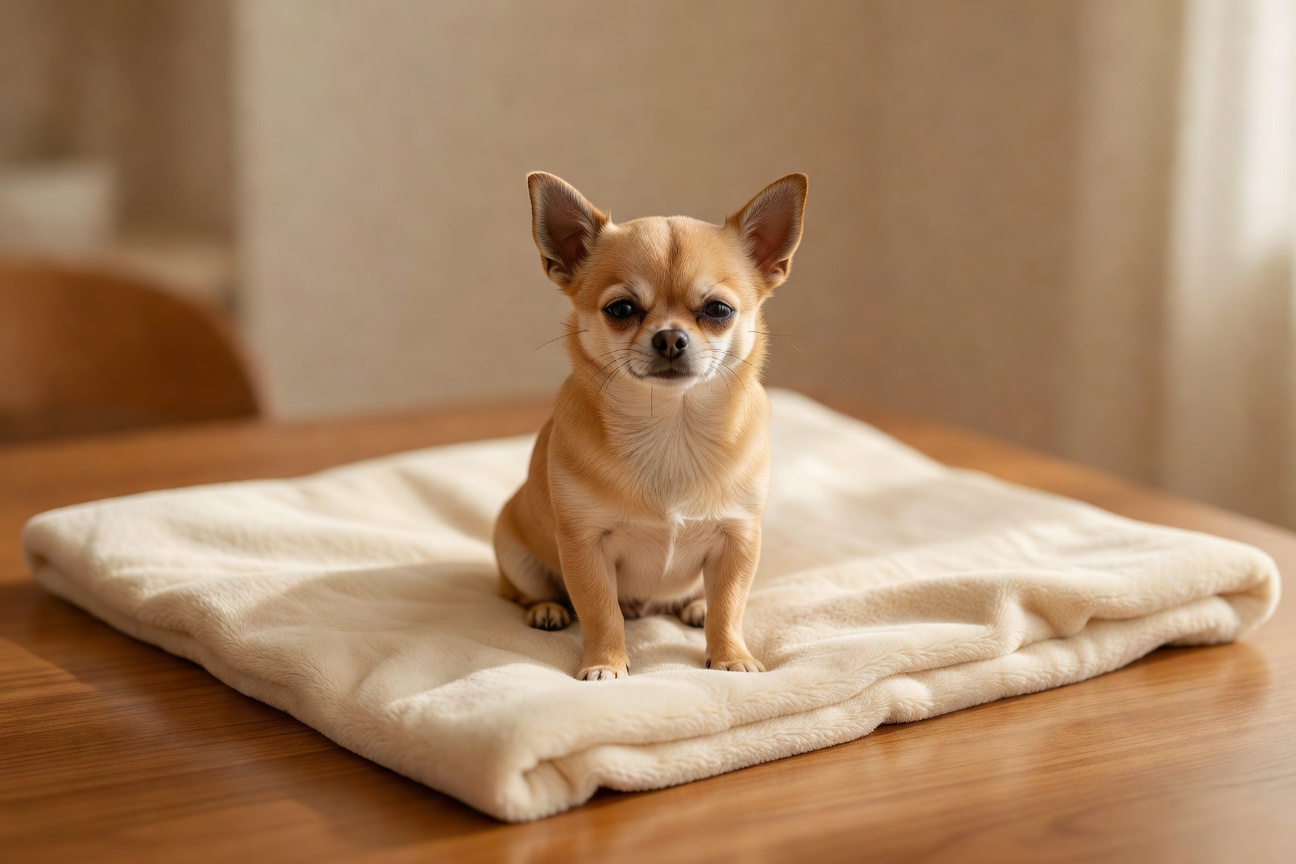
The Chihuahua does not crack that first page, and it never pretended it would. What it does instead is more interesting. It persists. Year after year the breed lands comfortably inside the AKC's ranked list of nearly two hundred recognized breeds, usually well within the upper third. It does this without a single thing the breeds above it have. No retrieving job, no herding instinct, no service-dog career path, no celebrity-driven surge. The Chihuahua is popular the old-fashioned way: people keep choosing it, one household at a time, and have done so for more than a century. You can read the AKC's current standings yourself at the American Kennel Club.
That kind of staying power is not nothing. Fad breeds spike and collapse. The Dalmatian boom after the 1996 film, the teacup-everything craze, the doodle explosion of the last fifteen years. The Chihuahua rode out all of it. It does not boom. It does not bust. It just stays.
The Southwest Is Home Turf
If you mapped this breed's American heartland, you would draw a line across the bottom of the country and shade in everything from Texas west to California. This is not sentiment. It is geography, history, and the simple fact that the breed walked up out of Mexico, named for the Mexican state of Chihuahua, where American travelers in the 1850s first took notice of the small dogs being sold near the border.
Texas is the clearest case. The Lone Star State went so far as to name the Chihuahua its official state small dog, an honor no other state has handed this breed, and one that says everything about how Texans regard it. (Texas, characteristically, also keeps the Blue Lacy as its official state dog. Texas does not do anything halfway.) New Mexico's relationship runs just as deep through the same shared border culture. Across the Southwest the breed is woven into daily life in a way it simply is not in, say, Vermont.
Why the Southwest? Because the breed and the region grew up together. The cultural through-line from northern Mexico into the American borderlands never broke. The climate suits a short-coated dog that hates being cold. And in dense neighborhoods, apartments, and small homes, a dog that thrives on a lap and a sunny windowsill is an asset, not a compromise. The Chihuahua did not have to adapt to the Southwest. It was already there.
The Big-City Pattern
Step outside the Southwest and the Chihuahua follows a second, equally reliable map: the city. Small dogs do well where space is expensive, and few dogs are smaller. Los Angeles is practically a Chihuahua town. The breed has long been a fixture in Southern California shelters, which is its own complicated chapter, the result of overbreeding and the dog's misuse as a fashion accessory in the early 2000s, a trend Coile and most serious breed people watched with gritted teeth.
That accessory era did the breed no favors. It produced a generation of poorly bred, poorly socialized dogs and a stubborn public stereotype of the snappy purse Chihuahua. But it also did something the breed's defenders rarely admit: it put the Chihuahua in front of millions of people who had never considered owning one. Some of those people learned what owners in the Southwest already knew. A well-bred, well-raised Chihuahua is bold, bright, and ferociously devoted to its person. Not a toy. A terrier-sized opinion in a hummingbird's body.
Why the Breed Holds Its Place in American Dog Culture
Here is the part that gets undersold. The Chihuahua occupies a slot in the American dog landscape that almost nothing else can fill.
It is the default answer to a real question: what do you get when you cannot have a big dog? When you rent, when you travel, when you are older, when your hands are no longer strong enough to manage eighty pounds on a leash, when you simply want a dog you can carry into the vet under one arm. The retrievers at the top of the list cannot answer that question. The Chihuahua can, and it has been answering it for American households since before the AKC formally recognized the breed in 1904.
It is also, pound for pound, one of the longest-lived dogs you can own. Many reach their mid-teens, some push past it. That is fifteen years of companionship from a dog that costs a fraction of a large breed to feed and house. For a country full of small apartments, long commutes, and people who want a heartbeat in the house without a horse in the yard, that math has always worked.
And there is the personality, which I think is the real engine underneath every popularity ranking it has ever made. People expect a small dog to be a small experience. The Chihuahua refuses. It is alert, watchful, comically brave, and it bonds to one or two humans with an intensity that larger, more agreeable breeds rarely match. Owners do not describe their Chihuahuas the way they describe their Labs. They describe them the way you describe a character. A little tyrant, a shadow, a co-conspirator.
The Honest Caveat
I will not pretend the breed sits at the top, because it does not, and the people who claim every state secretly loves Chihuahuas best are selling something. Across most of the country the top three slots belong to the same handful of large, friendly, all-purpose breeds. That is just true.
But popularity by raw numbers was never the Chihuahua's story. Its story is durability and reach. It is the small dog Americans keep coming back to, the breed that anchors the toy-dog category the way the Labrador anchors the sporting category, the dog that the Southwest claims as its own and the rest of the country quietly keeps in greater numbers than it lets on.
So the next time someone shows you a map of America's favorite breeds and the Chihuahua is nowhere near the top, do not feel slighted. Look closer at the bottom of the country, and the inside of the cities, and the laps of the people who have owned one before and will never own anything else. That is where the breed lives. It has been there a very long time, and it is not going anywhere.
Is this Chihuahua right for you? auto_awesome
Want to learn more about your Chihuahua? Compare breeds, check the standard, and find the chihuahua that matches your home.
favorite