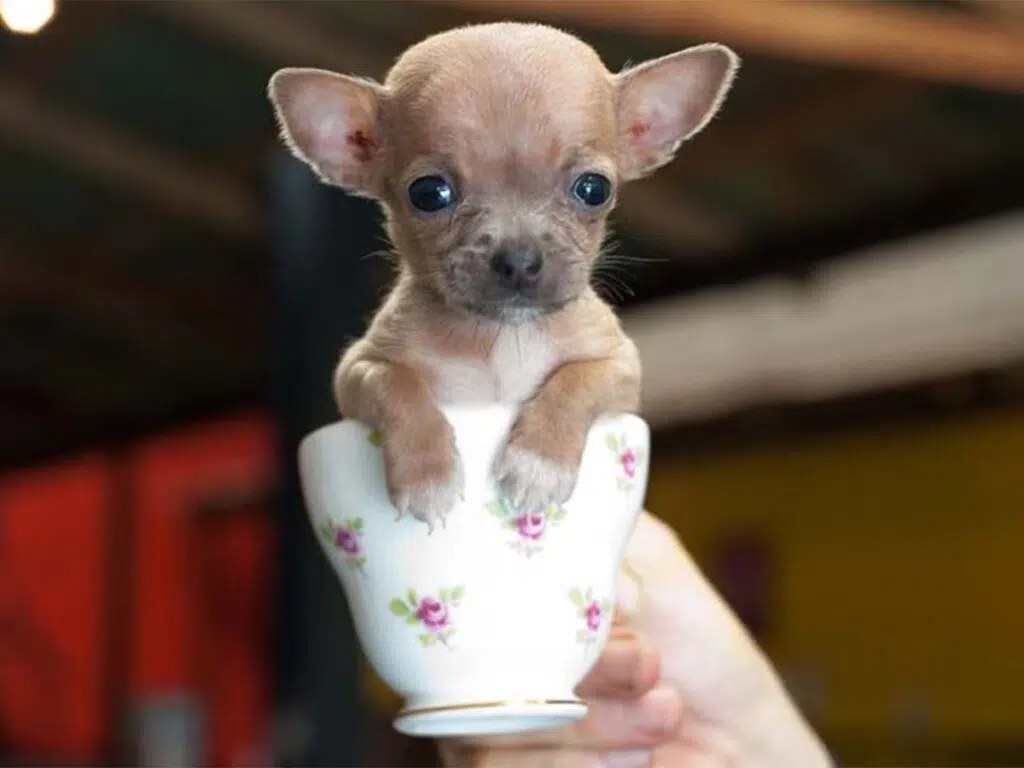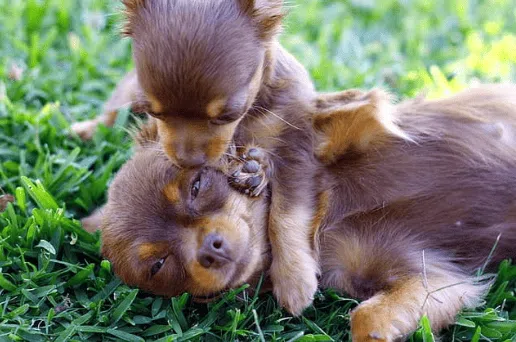

I'll admit something up front: the first time somebody asked me about a "Bullhuahua," I thought they had misheard a breed name at a show and were too embarrassed to ask again. They had not. There is a viral dog named Kobe, an American Bully crossed with a Chihuahua, and his comment section has spent months arguing about what he actually is. So let's do the thing the comment section can't, and answer the question honestly.
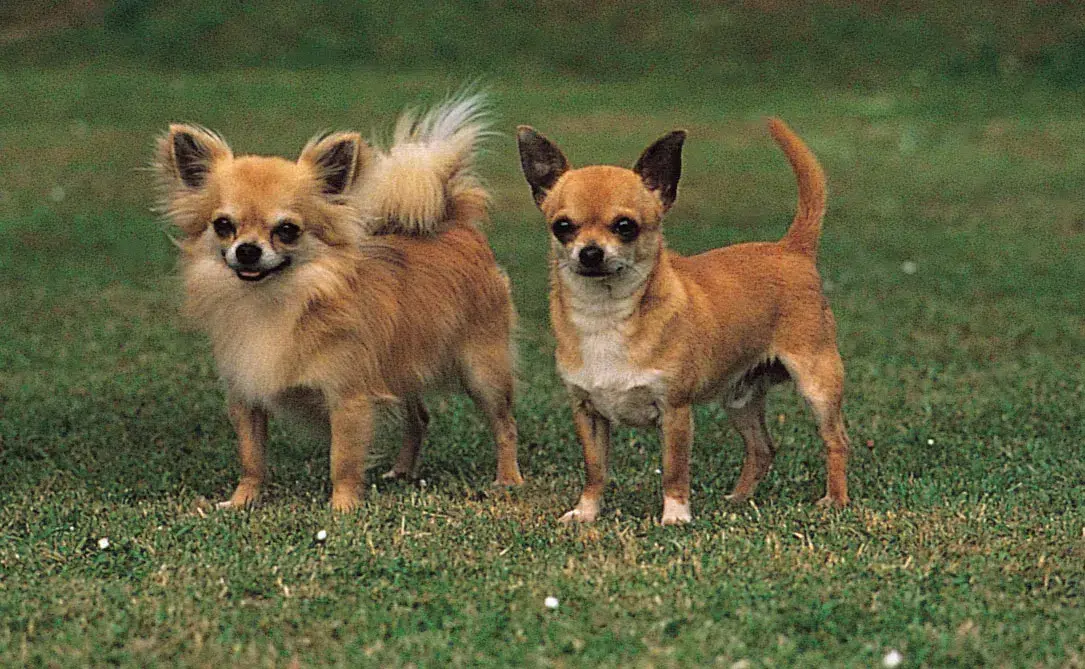
What is a Bullhuahua? It is exactly what the name promises and nothing more official than that. One parent is an American Bully, a stocky, muscular companion breed developed in the United States in the 1990s out of American Pit Bull Terrier and American Staffordshire Terrier stock, recognized by the American Bully Kennel Club in 2004 but not by the AKC. The other parent is a Chihuahua, a toy breed weighing in at no more than six pounds under the AKC standard. Cross the two and you get a dog with no breed standard, no parent club, and no predictable adult anything. "Bullhuahua" is a portmanteau, not a breed. It depends on who you ask and how you define a breed, but by every working definition used at a kennel club, this is a mixed-breed dog with a cute name.
How a cross like this actually happens
Here is the part the adorable clips skip. A purpose-bred American Bully bitch can weigh 70 pounds or more. A Chihuahua stud weighs four. The mechanics of that pairing are not romantic, and they are not safe to leave to nature.
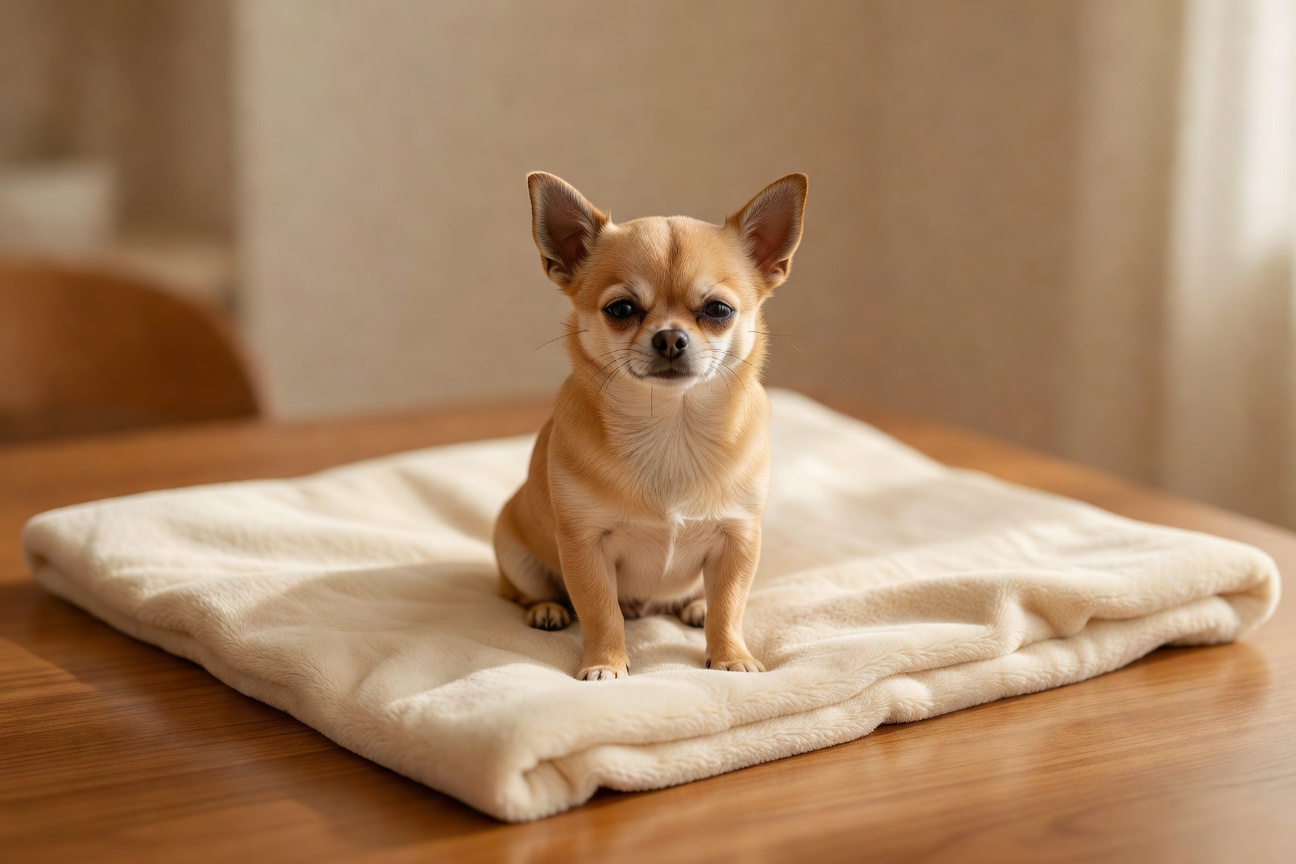
When the dam is the small breed, the situation is worse. A Chihuahua carrying puppies sired by a much larger dog faces the real risk of oversized fetuses she physically cannot deliver. The veterinary term is fetopelvic disproportion, and the outcome is often an emergency cesarean, sometimes a dead litter, sometimes a dead dam. Toy breeds already carry one of the highest C-section rates in dogdom for ordinary same-breed litters. Stack a large sire on top of that and you are gambling with the mother's life for a novelty. Most Bullhuahuas that exist, exist because the dam was the Bully and the sire was the Chihuahua, or because the pairing was an accident nobody planned. Read that twice before you go looking for a breeder who advertises them on purpose.
Size, temperament, and the myth of the predictable mix
People love a first-generation cross because they imagine they're ordering from a menu: the Chihuahua's portability, the Bully's mellow blockhead charm, please and thank you. Genetics does not take orders.
A first-cross (F1) puppy inherits one copy of each gene from each parent, and the toy-versus-large size genes do not politely meet in the middle. Body size in dogs is governed by a handful of major-effect genes, including the IGF1 variant that researchers tied to small body size in a 2007 study in Science. A puppy can draw a large-leaning hand or a small-leaning one. This is why a Bullhuahua might mature at five pounds or twenty-five, and why nobody, breeder included, can tell you which until the dog is grown. Anyone who quotes you an adult weight on an eight-week-old first-cross puppy is guessing and hoping you won't remember.
Temperament is the same lottery with higher stakes. The Chihuahua is a one-person breed, bold to the point of foolishness, suspicious of strangers, and not naturally biddable. The American Bully was bred deliberately for stability and human friendliness. A puppy might land on the friendly end, the wary end, or a contradictory blend that wants to greet everyone and bite half of them. Mixing two breeds does not average their personalities. It rolls dice.
What the parent breeds bring to the health table
Hybrid vigor is real, but it is not a force field. A cross only escapes a heritable disease if at least one parent doesn't carry it, and these two parents carry plenty between them.
From the Chihuahua side: patellar luxation (slipping kneecaps), a collapsing trachea that turns the breed's signature honking cough into a chronic problem, dental crowding so reliable that toy-breed owners brush teeth or pay for extractions, and hydrocephalus in the worst cases. From the American Bully side: hip and elbow dysplasia, a tendency toward brachycephalic airway trouble in the shorter-muzzled lines, skin and allergy issues, and heart conditions. A Bullhuahua can inherit the Chihuahua's bad knees on the Bully's heavier frame, which is a worse mechanical deal than either parent faces alone. It might inherit none of it. You will not know which until the dog ages into the answer, and by then you love him.
A clear-eyed word on the designer-cross trend
Let's face it: the designer-cross market runs on a clever piece of marketing. Give a mixed-breed dog a blended name, photograph it well, and you can charge purebred prices for a dog with none of a purebred's predictability and none of a responsible breeder's health-testing guarantees. The mix gets sold as the best of both breeds. What you actually buy is the unknown of both breeds, at a premium.
I am a breed-preservation person, and I'll own that bias. But this isn't club politics. The specific objection to a Bully-Chihuahua cross is the one above the fold: the size disparity makes deliberate breeding a genuine welfare problem for the dam, and the novelty is the only reason it happens. The dogs themselves are blameless and frequently wonderful. Kobe didn't choose to go viral, and he certainly didn't choose his parents.
If a dog like Kobe has stolen your heart, the honest path is the shelter, not the breeder's waitlist. Accidental large-small crosses turn up in rescues constantly, already born, already needing homes, no dam put at risk to satisfy your order. Adopt the surprise that already exists instead of paying someone to manufacture another one. The American Veterinary Medical Association's guidance on selecting a dog that's right for you is worth ten minutes before any of it, and your veterinarian can walk you through the toy-breed dental and tracheal realities you'd be signing up for either way.
Kobe, for his part, has no opinion on any of this. He is too busy walking through a world built for bigger dogs with the complete certainty that it was built for him. Which is the most Chihuahua thing about him, and proof the toy side won at least that one roll of the dice.
Is this Chihuahua right for you? auto_awesome
Want to learn more about your Chihuahua? Compare breeds, check the standard, and find the chihuahua that matches your home.
favorite