
Somebody emails me about once a month asking where to find a "teacup" Chihuahua, and I always feel a little bad about the answer, because the honest one disappoints them. There is no such thing. Not as a breed, not as a variety, not as anything a kennel club recognizes. The word is marketing. What people are really asking is where to find a Chihuahua bred to be very, very small, and that is a different question with a much longer answer.
So let's face it: the teacup label sells. A dog that fits in a coat pocket and looks like a puppy for life is a powerful thing to put in a photograph. But before you wire a deposit to anybody, you should know exactly what that smallness costs, because somebody pays for it, and it usually isn't the breeder.
What "Teacup" Actually Means
Nothing official. That is the short answer, and it is worth saying plainly.
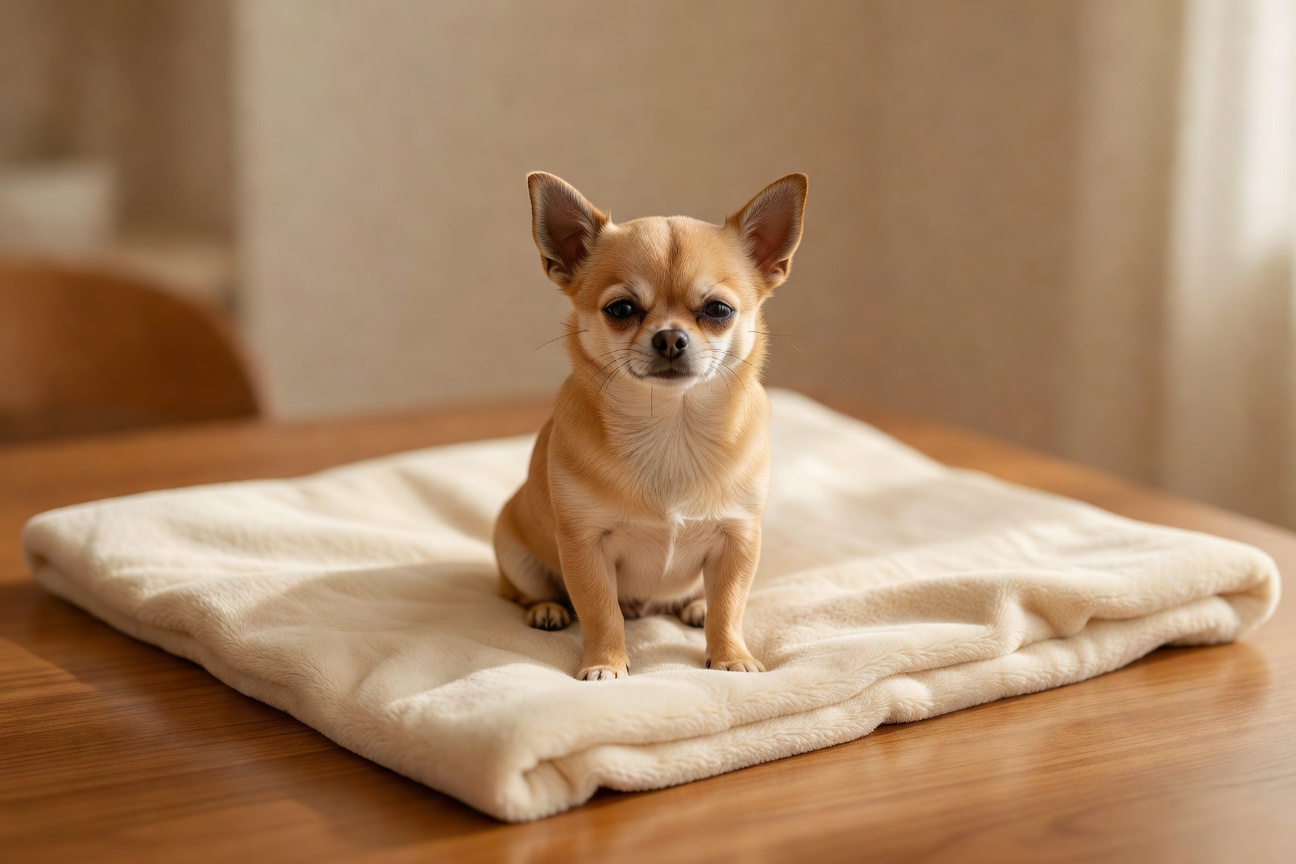
The American Kennel Club breed standard describes the Chihuahua as a dog not to exceed six pounds, with no minimum weight given. Read that twice. There is a ceiling and no floor. So when a breeder sells you a "teacup," a "micro," a "pocket," or an "applehead teacup deluxe" Chihuahua, they are not describing a category that exists anywhere in the standard. They invented the tier, set the weight cutoff themselves, and priced it accordingly. One breeder's teacup is under five pounds. Another's is under four. There is no agreed-upon line because no governing body draws one.
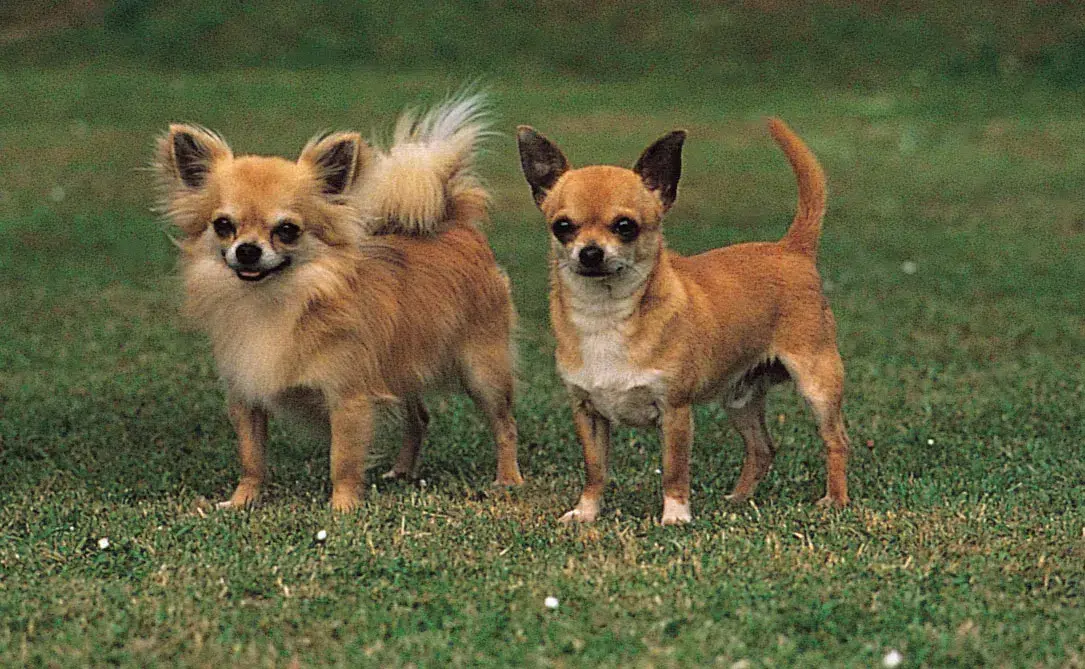
The Chihuahua Club of America, the breed's parent club in the United States, has been clear for years that it does not recognize teacup, miniature, or any of the rest as legitimate terms. The club asks members not to use them. A Chihuahua is a Chihuahua. Some happen to be smaller than others, the way some people are shorter than others, and a runt in an otherwise normal litter is just a small dog, not a separate product line.
The Honest Appeal
I am not going to pretend the draw isn't real. Small dogs are genuinely easy to keep. They cost little to feed, they travel well, and they fit into apartments and laps and the lives of people who could never manage a Labrador. The puppy stage, that brief soft window every dog owner mourns the end of, seems to stretch on forever in a four-pound adult who still looks like she's eight weeks old.
That is the pitch, and it isn't a lie. A small, well-bred companion dog is a wonderful thing. The trouble starts when "small" becomes the whole point of the breeding, when size is selected for above health, temperament, and structure. That is where the teacup business lives.
What Extreme Smallness Costs
A standard Chihuahua already carries a few breed-linked health concerns. Shrink the dog further, deliberately, and you tend to make those concerns worse rather than better. Here is what a prospective owner should genuinely weigh.
Hypoglycemia
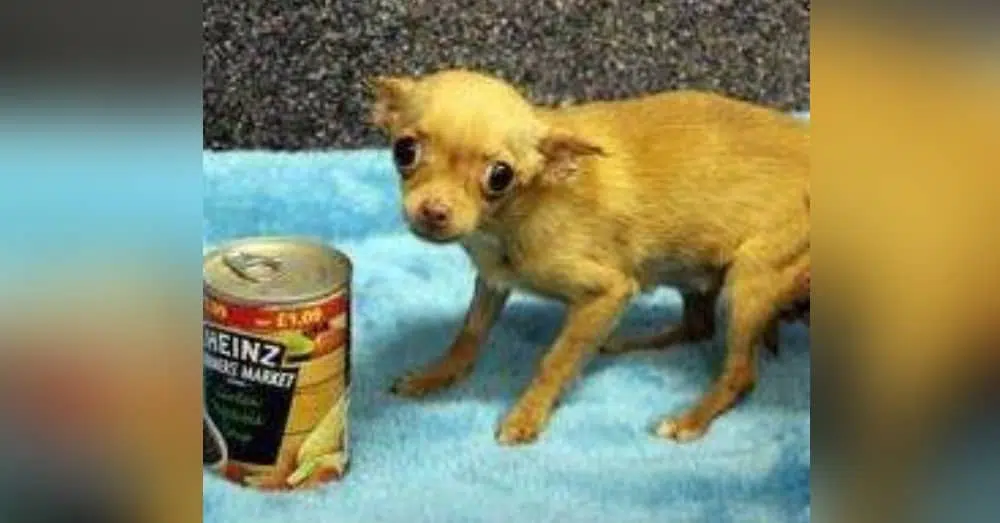
This is the one that keeps people up at night, sometimes literally. A very small puppy has very little body mass to store sugar, and a stomach that holds almost nothing. Blood sugar can crash fast, and a crash can be an emergency. Owners of the tiniest pups often feed every few hours around the clock in the early months, watching for the wobble and the glazed look that signal trouble. It is a bit like caring for a newborn that never quite grows up on schedule. Some dogs outgrow the fragility. Some don't.
Fragile Bones
The same delicacy that makes these dogs photograph so well, perched in a teacup or balanced on a shoe, makes them genuinely easy to injure. Bones built that fine break. A jump off the couch, a misjudged step from a person in a hurry, a too-enthusiastic toddler, any of these can cause a fracture. You live differently with a dog you have to watch the floor for.
Heart and Breathing Problems
Organs scaled down too quickly don't always scale gracefully. Heart conditions show up more often in the smallest dogs, and Chihuahuas as a breed already carry a tendency toward tracheal collapse, a loss of rigidity in the windpipe that produces that honking cough some small-dog owners know too well. Smaller does not fix this. Frequently it sharpens it.
Hydrocephalus
Fluid on the brain, caused when cerebrospinal fluid can't drain properly and pressure builds. Chihuahuas are among the breeds where it turns up, sometimes signaled by the open soft spot on the skull called a molera. Whether the teacup-sized dogs face higher risk specifically from size, from genetics, or from both is not fully settled. It's complicated. But nothing about breeding for extreme smallness makes it less of a worry.
Toilet Training and Other Daily Realities
A tiny bladder holds tiny amounts. House-training the smallest dogs can be a long, patient project, and some never fully master holding it. Indoor solutions, pads or a litter box, become part of the arrangement. It is worth knowing this going in, because frustration over accidents is one of the quieter reasons small dogs end up surrendered.
A Shorter Candle
Here is a thing that surprises people: Chihuahuas have a reputation for longevity, and the breed earns part of it, but the reputation outruns the data. The stories of dogs reaching twenty are real and they are the exception. Broader studies put the typical Chihuahua lifespan in a more ordinary range for a small dog rather than the near-immortality the folklore promises.
That is for standard Chihuahuas. For the teacup-sized, we simply don't have clean lifespan numbers, because nobody's running a registry on a thing that officially doesn't exist. What we do have is a consistent pattern: when you push a small dog smaller, the health picture tends to get worse, not better. A more fragile dog, all else equal, is not a longer-lived one. The breeder showing you the rare hardy specimen is showing you the exception, not the rule.
Who Breeds These, and Why It Matters
This is the part I care about most. Producing extremely small dogs on purpose, litter after litter, is not what a responsible breeder does. The most reliable way to get a four-pound adult is to breed two undersized, often unhealthy dogs together, or to take the runt of every litter and call it a feature. That is a path that selects for fragility. A good breeder breeds toward the standard and toward health, and treats a too-small puppy as a dog that will need careful placement, not as the premium item on the menu.
Prices tell the story. Teacup-marketed puppies routinely sell for several times what a soundly bred Chihuahua costs, and the highest asking prices climb into figures that should make you suspicious rather than impressed. You are paying a premium for the very trait most likely to bring you grief. Why? Because the word works on the heart faster than the head.
If you want a small Chihuahua, and that is a perfectly fine thing to want, go to a breeder who shows their dogs, health-tests their stock, and talks to you about temperament and structure before they talk about size. Ask to see the parents. Ask what they screen for. A breeder who leads with "teacup" and a payment plan is selling you a label, and you already know what that label is worth.
The smallest Chihuahua I ever judged was a sound, bright little dog who happened to land at the low end of the range, and her breeder never once called her a teacup. That, more than anything, told me the dog was in good hands.
Is this Chihuahua right for you? auto_awesome
Want to learn more about your Chihuahua? Compare breeds, check the standard, and find the chihuahua that matches your home.
favorite