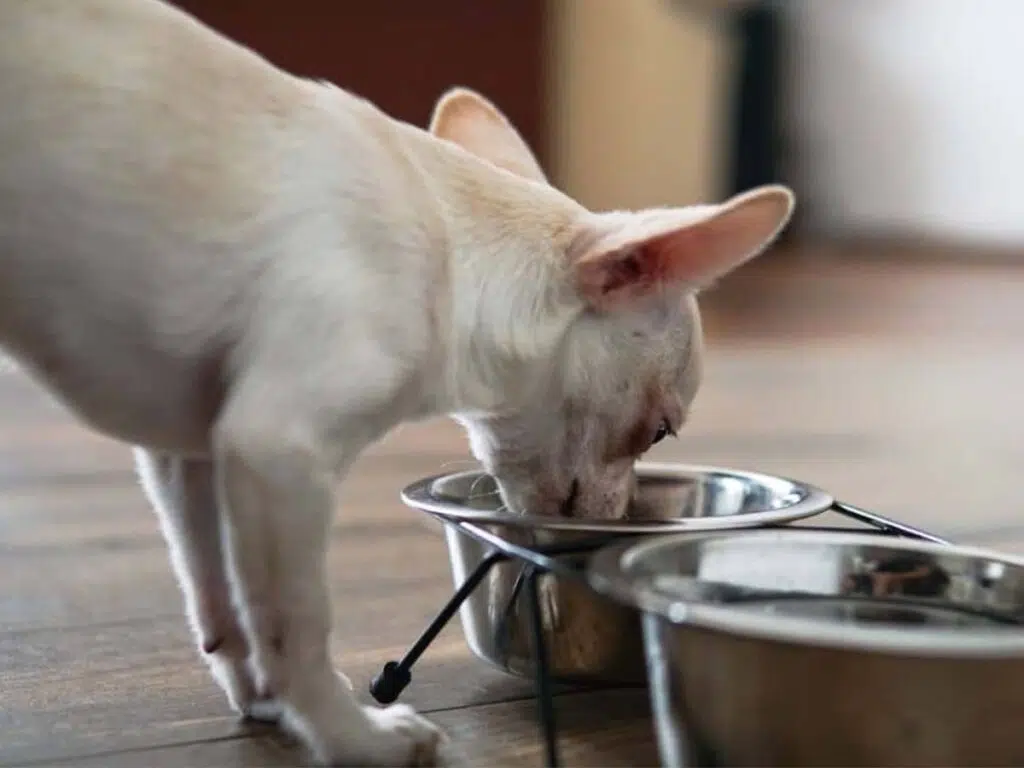


Can a chihuahua eat dal and rice? Yes, in small plain amounts, as an occasional meal or a bland-diet stand-in when your dog has a mild stomach upset. The risks come from the spices, the quantity, and the long-term substitution for a complete diet, not from the lentils or the rice themselves.
Here is what your veterinarian would tell you, in plain English: dogs are omnivores, not strict carnivores. They can digest cooked lentils and cooked rice. Your chihuahua can eat a tablespoon or two of plain, unseasoned dal and rice for a meal or two without harm. What she cannot do is live on it.
What dal and rice actually are, for your dog
Dal, in the South Asian cooking tradition, is a stew of cooked lentils or split peas, often spiced. Plain lentils (the legume itself, with no spices) are a source of fiber, plant protein, and small amounts of iron, folate, and potassium. Rice, white or brown, is a source of starch and easily digestible carbohydrates.
From a canine nutrition standpoint, neither food is on the toxic list maintained by the American Society for the Prevention of Cruelty to Animals (ASPCA). Both are commonly used in homemade bland-diet recipes for dogs recovering from gastroenteritis, the medical term for an upset stomach.
The problem is rarely the lentils or the rice. The problem is what people cook them with.
When it is safe to give your chihuahua dal and rice
A small portion of plain, unseasoned dal and rice is safe for a healthy adult chihuahua under these conditions:
- The dal is cooked plain. No onion, no garlic, no salt, no chili, no asafoetida, no ghee. Onion and garlic are both on the canine toxic list and are common dal ingredients.
- The rice is cooked plain. White rice is gentler on the stomach than brown rice for a dog with a mild GI upset.
- The portion is small. For a 4-pound chihuahua, one to two tablespoons total of cooked dal and rice per meal is the right starting point. For a 6-pound chihuahua, two to three tablespoons. This is a meal-replacement portion, not a topper.
- It is a short-term substitution. One day, two days, three at the outside. After that, your chihuahua needs to return to a complete and balanced commercial diet that meets the Association of American Feed Control Officials (AAFCO) standard for the dog's life stage.
When it is not safe
The bad news: there are several situations in which dal and rice should not be the meal.
Chihuahuas with a history of pancreatitis. Pancreatitis is an inflammation of the pancreas that often follows a fatty meal. Pure dal and rice is low in fat and would not be the trigger, but most homemade dal recipes include ghee or oil. Talk to your veterinarian before feeding dal to any dog with a pancreatitis history.
Chihuahuas with diabetes or insulin resistance. Rice is a high-glycemic carbohydrate. A diabetic chihuahua's diet should be planned with your veterinarian, not improvised from the family dinner pot.
Long-term, daily, as a replacement for dog food. The United States Food and Drug Administration (FDA) opened an investigation in 2018 into a possible link between grain-free and legume-heavy dog diets and dilated cardiomyopathy (DCM), a serious heart condition. The investigation is ongoing, the science is not settled, and the case is most relevant to long-term feeding patterns. Occasional plain dal is not the concern. A homemade legume-based diet, fed every day for months, is the concern.
Puppies and pregnant or lactating chihuahuas. These life stages have specific calorie, protein, and calcium requirements that plain dal and rice cannot meet. Talk to your veterinarian about a complete diet for these stages, including hypoglycemia prevention in chihuahua puppies.
Signs to watch for after feeding
Most chihuahuas will tolerate a small amount of plain dal and rice without any visible change. Some will react. Watch for:
- Flatulence and mild abdominal bloating. Lentils are high in fermentable fiber. Some gas is normal. Visible belly distension is not.
- Loose stools or diarrhea within 24 hours. A single soft stool is not an emergency. Watery diarrhea or diarrhea lasting longer than 24 hours is a vet call.
- Vomiting within a few hours of feeding. One isolated vomit can happen with any food change. Repeated vomiting is a vet call.
- Lethargy, which means very tired and not interested in normal activities, after the meal.
- Reduced appetite at the next meal.
When to call your veterinarian
Call within 24 hours if:
- Your chihuahua had dal that contained onion, garlic, or a large amount of salt.
- Vomiting has happened more than twice or contains blood.
- Diarrhea has lasted longer than 24 hours, contains blood, or is black and tarry.
- Your chihuahua is lethargic, refusing water, or hiding.
- The belly looks distended and feels hard. A hard distended abdomen in a small dog is a same-day emergency.
Onion and garlic toxicity is dose-dependent and can develop slowly over several days. Even if your chihuahua seems fine immediately after eating spiced dal, mention it to your veterinarian if she shows any sign of weakness, pale gums, or unusually dark urine in the days that follow.
The portion to start with
For a healthy adult chihuahua, a safe first-time portion of plain dal and rice is:
- 4-pound dog: one tablespoon of cooked dal mixed with one tablespoon of cooked white rice. Offer at room temperature.
- 5 to 6-pound dog: one and a half to two tablespoons of each.
- Puppies: talk to your veterinarian first.
Feed once. Wait 24 hours. If your chihuahua tolerates it without any of the signs above, you can use the same portion as an occasional bland-diet meal or a topper. The chihuahua food-selection guide covers the longer-term diet planning that should be the foundation of your dog's nutrition.
The bottom line
Yes, a chihuahua can eat dal and rice, in small plain amounts, for a meal or two at a time. The risks come from the spices in most home recipes, the portion size for a small dog, and the long-term substitution of homemade legume-based food for a complete diet.
Talk to your veterinarian before using dal and rice as a regular meal, especially if your chihuahua has a history of pancreatitis, diabetes, or any chronic condition. Your veterinarian knows your dog's specific risk profile and can tell you what your dog can safely add to her bowl this week.
Health at a Glance: What to Watch monitor_heart
| Condition | Key Signs | Prevention Tips |
|---|---|---|
| Dental Disease | Bad breath, tartar, red gums | Daily brushing, dental treats |
| Patellar Luxation | Limping, skipping, leg lifting | Weight control, avoid high jumps |
| Tracheal Collapse | Dry cough, gagging | Harness walking, avoid smoke |
| Heart Disease | Coughing, fatigue, fainting | Regular check-ups, heart-healthy diet |
| Hypoglycemia | Shaking, weakness, lethargy | Small, frequent meals |
Community Insights – FAQ help
help_outline When should I call my vet about a behavior change? expand_more
Sooner than feels reasonable. A change in appetite, energy, or routine that lasts more than 48 hours is worth a phone call, not a wait-and-see.
help_outline How often should a healthy adult chihuahua see the vet? expand_more
Once a year through age seven. Twice a year from eight on. Dental checks are part of every visit.
help_outline Do chihuahuas need different care than larger breeds? expand_more
Yes. Smaller medication dosing, more frequent dental work, and closer monitoring for tracheal and patellar issues are standard in toy-breed care.
Have a health question? Ask your question in the comments. We will bring it up with the vet team.
favorite