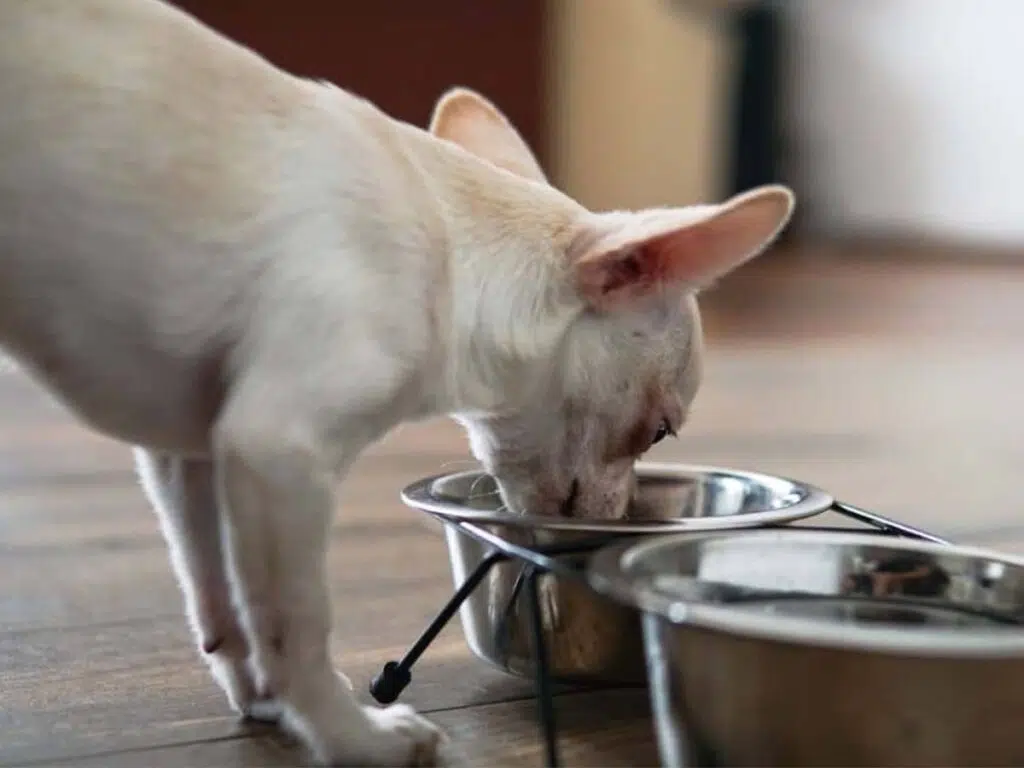

How cold is too cold for your beloved dog?
As temperatures drop and snow begins to accumulate on the ground, this is a question that every dedicated pet owner should ask. Many people assume that because dogs possess fur coats, they are naturally insulated against freezing winter conditions. However, as an assistant professor of veterinary medicine, I have spent years treating small animals during harsh winter months, and I can tell you that this assumption can be highly dangerous. Cold weather presents several serious physiological threats to domestic dogs, particularly young puppies, senior pets, and toy breeds. By understanding the science of cold-weather hazards and taking proactive safety measures, you can ensure your pet stays cozy and healthy throughout the winter season.
First, we must understand the concept of breed-specific thermal tolerance. Not all dogs are built to withstand the cold. While a thick-coated Siberian Husky can happily frolic in sub-zero conditions, a short-coated, four-pound Chihuahua will quickly struggle. Small dogs possess a high surface-area-to-mass ratio, meaning they lose heat rapidly through their skin. They also lack a thick insulating undercoat and have minimal body fat to protect their internal organs.


Winter veterinary hazards
When a small dog is exposed to freezing temperatures, their body will prioritize blood flow to their core organs, leaving their extremities vulnerable. In clinical terms, this vasoconstriction is a survival mechanism, but it puts their ears, nose, tail, and paws at severe risk for frostbite. Frostbite occurs when tissue freezes, causing cell damage and potentially leading to tissue death if not treated immediately.
Another primary winter hazard is hypothermia, which occurs when a dog's core body temperature drops below ninety-nine degrees Fahrenheit. Normal canine body temperature ranges between one hundred and one and one hundred and two and a half degrees. Shivering is the body's initial physiological response to generate heat through rapid muscle contraction, but if the temperature continues to fall, the dog will become lethargic, weak, and unresponsive.
Paw protection and salt
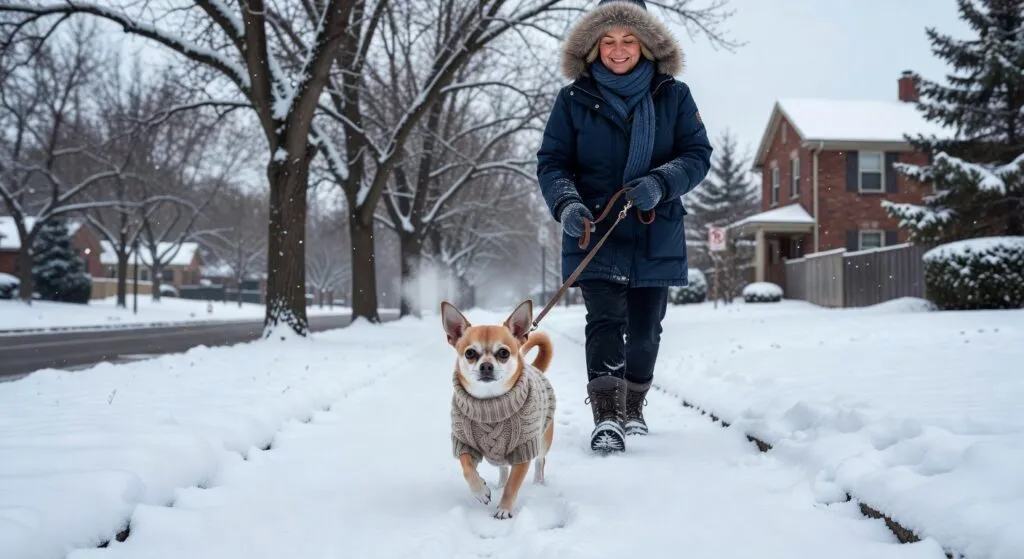
Paws are especially vulnerable during winter walks because of the widespread use of de-icing chemical salts on sidewalks and roads. These salts, primarily sodium chloride or calcium chloride, can cause severe chemical burns on their sensitive paw pads. The sharp edges of salt crystals can also cause painful micro-tears in the skin. Additionally, when dogs lick their irritated paws to clean them, they ingest these toxic chemicals, which can cause severe gastrointestinal distress or salt poisoning.
To protect your pet's paws, I highly recommend using bootie covers or applying a thick layer of a protective petroleum-free paw wax before every walk. When you return home, immediately wipe down their paws with a warm, damp cloth to remove any salt residue. Keeping the hair between their toes trimmed will also prevent ice balls from forming, which can cause severe discomfort and limping.
Chemical toxicity
Another highly lethal winter threat is ethylene glycol, the primary chemical ingredient in automotive antifreeze. Antifreeze has a sweet taste that dogs and cats find highly appealing, but even a tiny amount can cause fatal kidney failure. As little as one teaspoon of antifreeze can kill a small dog within hours. Always clean up any automotive spills immediately, store containers on high shelves, and look for pet-safe antifreeze alternatives made with propylene glycol, which is much less toxic.
When the weather outside is too cold for safe outdoor walks, you must adapt your routine to keep your dog mentally stimulated and active indoors. Engage in interactive games like hide-and-seek, set up a small indoor agility course, or use food puzzle toys. Puzzles require dogs to use their problem-solving skills to acquire treats, which burns a significant amount of mental energy and prevents anxiety and destructive behaviors.
Understanding these environmental and physical hazards is crucial for preventing the common physiological health concerns in toy breeds that affect small dogs. Furthermore, proper winter care helps in understanding the complex behavioral and seasonal health needs by helping owners avoid behavioral issues caused by lack of winter exercise and seasonal depression.
When to Call the Vet
If your dog has been exposed to cold temperatures and exhibits any of the following symptoms, call your veterinary clinic immediately:
- Persistent, violent shivering or complete muscle rigidity.
- Extreme lethargy, slow breathing, or a weak pulse.
- Skin on the ears or tail that appears pale, grey, or blue, or feels cold to the touch.
- Extreme pain or lameness when walking on their paws.
- Suspected ingestion of any amount of antifreeze.
Antifreeze ingestion is a medical emergency that requires immediate treatment with specific antidotes within the first few hours.
Conclusion
Ultimately, winter dog care is about understanding your pet's specific biological limits and taking simple, proactive steps to protect them. By using insulated coats, safeguarding their paws, and keeping toxic chemicals out of reach, you can ensure a safe and comfortable winter season. If you have questions about your pet's cold tolerance or need advice on managing their chronic joint pain during cold weather, please talk to your veterinarian to establish a comprehensive winter wellness plan.
Health at a Glance: What to Watch monitor_heart
| Condition | Key Signs | Prevention Tips |
|---|---|---|
| Dental Disease | Bad breath, tartar, red gums | Daily brushing, dental treats |
| Patellar Luxation | Limping, skipping, leg lifting | Weight control, avoid high jumps |
| Tracheal Collapse | Dry cough, gagging | Harness walking, avoid smoke |
| Heart Disease | Coughing, fatigue, fainting | Regular check-ups, heart-healthy diet |
| Hypoglycemia | Shaking, weakness, lethargy | Small, frequent meals |
Community Insights – FAQ help
help_outline When should I call my vet about a behavior change? expand_more
Sooner than feels reasonable. A change in appetite, energy, or routine that lasts more than 48 hours is worth a phone call, not a wait-and-see.
help_outline How often should a healthy adult chihuahua see the vet? expand_more
Once a year through age seven. Twice a year from eight on. Dental checks are part of every visit.
help_outline Do chihuahuas need different care than larger breeds? expand_more
Yes. Smaller medication dosing, more frequent dental work, and closer monitoring for tracheal and patellar issues are standard in toy-breed care.
Have a health question? Ask your question in the comments. We will bring it up with the vet team.
favorite