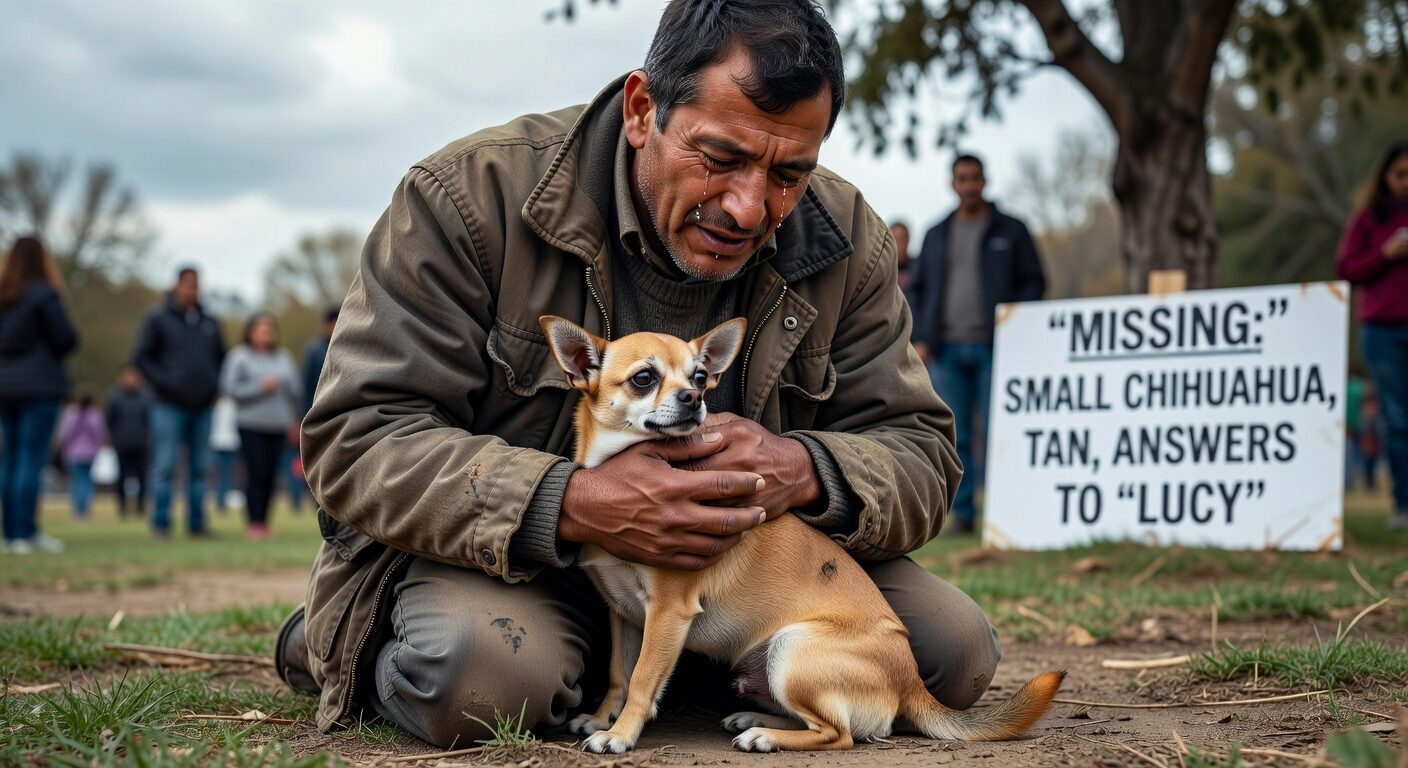

If you want to know about reunited stolen chihuahua, you are in the right place. Understanding how to stolen chihuahua reunited starts with what actually happens in real life. In Miami Lakes, Florida, a homeless man named Roberto had exactly one thing in the world that mattered to him. A chihuahua named Princesa. She was a tan, smooth-coat chihuahua about four years old who went everywhere Roberto went, tucked inside his jacket when it rained, sleeping on his chest at the camp under the overpass, sitting on his lap while he held his cardboard sign at the intersection. People who drove past every day knew Roberto by his sign, and they knew Princesa by the tiny face poking out of his coat.
Then someone stole her. Right out of his arms while he was sleeping on a bench outside a gas station. Roberto woke up and Princesa was gone, and what happened next is a story about what a dog can mean to someone who has nothing else.
What Princesa Meant to Roberto
People who have never been homeless sometimes struggle to understand why a person in Roberto’,s situation would have a dog. It looks irresponsible from the outside. How can someone who cannot feed themselves feed a dog? What people do not see is that for many homeless individuals, their pet is not a luxury. It is the only relationship they have left. The only being that does not judge them, does not move away from them on the sidewalk, does not look through them.
Related: common Chihuahua health issues.
Roberto told a local reporter that Princesa was the reason he got up every morning. She was the reason he stayed sober. She was the reason he did not disappear entirely. According to research highlighted by Rover, many homeless pet owners will go without food themselves to ensure their animals eat, and they often refuse shelter placements that do not allow pets. The bond is not casual. It is survival-level attachment.
The Search
Roberto spent three days walking the streets of Miami Lakes looking for Princesa. He asked everyone he encountered. He checked dumpsters, alleys, and parks. He went to the local shelter every morning to see if she had been turned in. Other homeless people in the area helped him look. A woman who worked at the gas station where Princesa was taken put up a handwritten sign with Roberto’,s description of the dog.
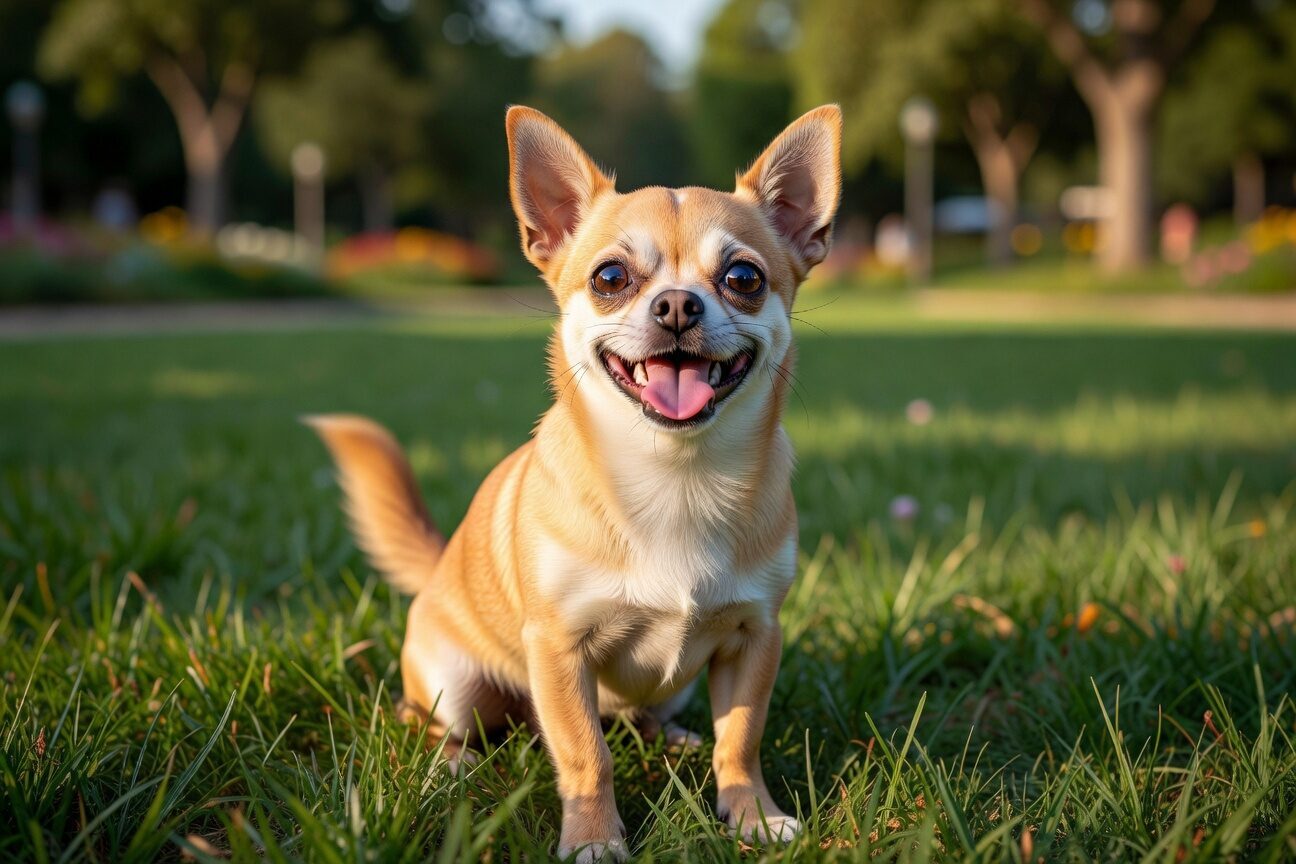
The story reached social media when a local animal rescue organization posted about Roberto’,s situation. The post included a photo of Roberto and Princesa from before the theft, taken by a regular passerby who had always been kind to them. The photo went viral in the local community. People who had driven past Roberto for years without stopping suddenly cared about his missing dog.
What I Wish I Knew Earlier
The person who took Princesa was charged with pet theft. Roberto did not press for additional charges. He said he did not care about punishment. He just wanted his dog back.
After the Reunion
The community response was overwhelming. People donated food, supplies, and vet care for Princesa. A local vet offered to microchip her for free, which Roberto accepted immediately. Someone started a fundraiser that raised enough for Roberto to get into a pet-friendly transitional housing program. Homeless people and their pets share a bond that most of us can only try to understand, and Roberto and Princesa’,s story made that bond visible in a way that moved people to action.
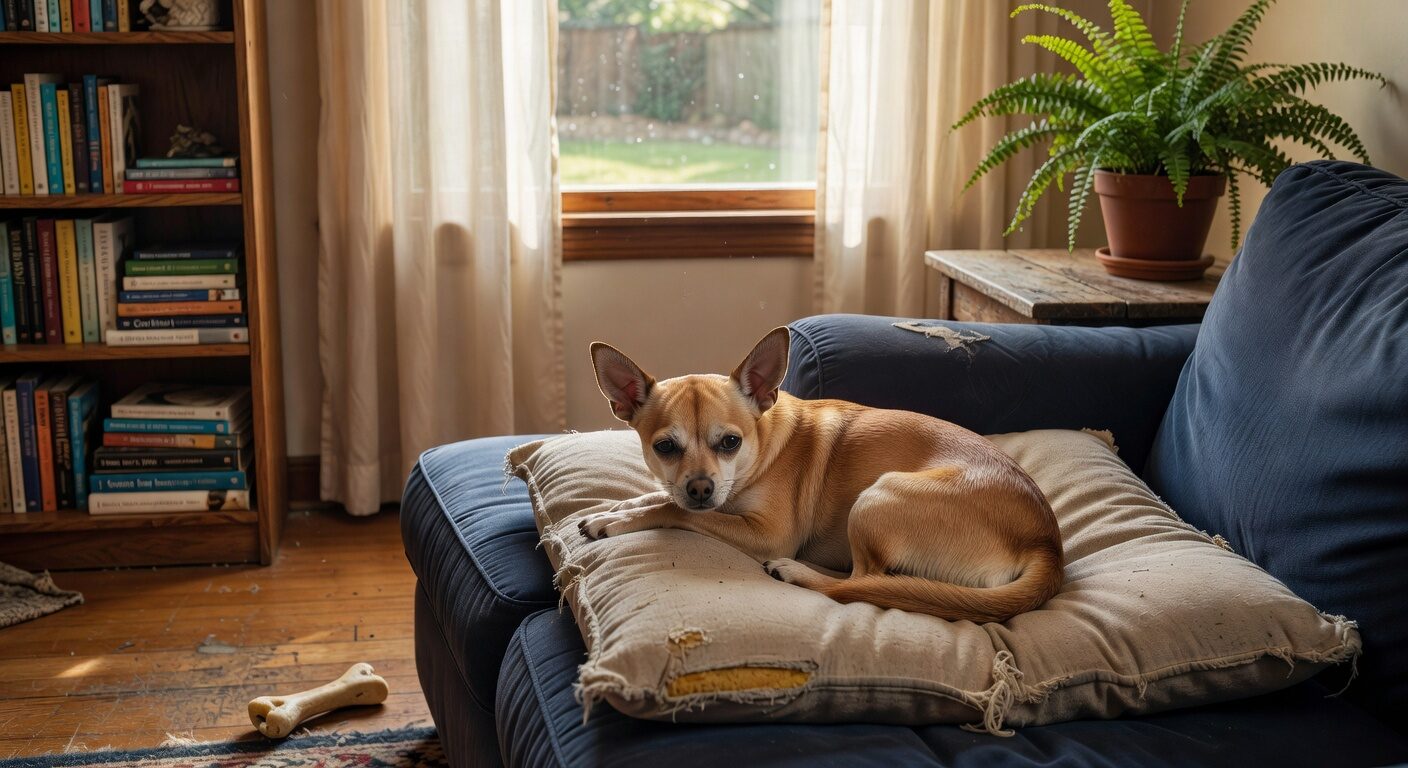
Roberto and Princesa are still together. He carries her in his jacket when the weather turns. She still pokes her tiny face out and watches the world go by. And Roberto, who spent three of the worst days of his life searching for a four-pound chihuahua because she was everything he had, sleeps a little easier knowing she is right there, warm and safe against his chest.
Some people will never understand what a dog means to a person with nothing. But Princesa understands. And Roberto understands. And that is enough.
You might also enjoy: signs your chihuahua is hiding an illness.
The Community Response That Made the Difference
What struck me most when I followed this story was how the community rallied around this man and his chihuahua in a way that gives me genuine hope about how people treat those who are struggling. When word got out that a homeless man in Miami Lakes had his chihuahua stolen, the response was not the apathy or dismissal that people experiencing homelessness so often face. Instead, neighbors shared his story on social media, local news picked it up, and people who had never met him started looking for his dog. The outpouring of support was driven largely by the recognition that the bond between a person and their pet does not diminish because of that person’s housing status. If anything, for someone living on the streets, a companion animal can be the most stabilizing and meaningful relationship in their life. The people who helped search for this chihuahua understood that, and their willingness to treat this man’s loss with the same urgency they would have given to anyone else’s missing pet is something I find deeply meaningful. Several local businesses offered to put up flyers. A veterinary clinic offered free checkup services for when the dog was found. People brought food and water to the man while he waited for news. That collective compassion played a direct role in the dog being recovered, because the more eyes were watching for the chihuahua, the more likely someone was to spot it and make the connection.
Why Homeless Pet Owners Deserve More Support
This story brings up a topic that I think about often, which is the way our systems and institutions often fail homeless pet owners. Most shelters for people experiencing homelessness do not allow pets, which means that someone who is living on the street with their dog faces an impossible choice if they seek housing assistance. They can give up their animal and access shelter services, or they can keep their pet and continue sleeping outside. For many, the pet is the reason they keep going, the one source of unconditional love and consistency in a life that has very little of either. I have talked to outreach workers who say that some of the strongest bonds they have ever seen between a person and a dog are in the homeless community, precisely because that relationship is often the one stable thing the person has. Organizations that provide veterinary care, food, and supplies to homeless pet owners are doing incredibly important work, and they are chronically underfunded. When I hear people suggest that homeless individuals should not have pets because they cannot provide adequate care, I think about the chihuahua in this story who was by all accounts healthy, loved, and well cared for despite his owner’s circumstances. The quality of care a dog receives is not determined by the owner’s income level. It is determined by their commitment, and some of the most committed pet owners I have encountered have been people with very little material wealth but an abundance of devotion to their animals.
Protecting Your Pet When You Are Vulnerable
For anyone who is living in a precarious housing situation with a pet, this story carries some practical lessons about protection that I think are worth discussing. Microchipping is the single most important thing you can do. Many low cost veterinary clinics and community organizations offer free or subsidized microchipping, and it is the only form of identification that cannot be removed or lost. A microchip is what ultimately proved ownership in many pet theft cases and it can be the difference between getting your dog back and losing them permanently. Keeping documentation of your pet, including photos on your phone showing you and the dog together, any veterinary records you have, and even statements from people who can attest to your ownership, provides an additional layer of proof if your pet is stolen and you need to make a case for their return. Building relationships with people in your community who know you and your pet also matters, because those connections can be mobilized quickly if something goes wrong, exactly as they were in this story. And while it may seem obvious, never leave your dog unattended in public spaces, no matter how briefly. The few minutes it takes to use a restroom or step into a store is enough time for someone to take your pet, and for people living outside, opportunities for secure spaces are limited. There are organizations working to address these challenges by providing pet sitting services for homeless individuals who need to attend appointments or access services, and I would love to see more cities develop these programs.
For more detailed guidance on this topic, the American Kennel Club offers excellent resources backed by veterinary professionals.
I have been through this with my own chihuahua. It is one of those things that looks simple on paper but gets complicated fast when you are actually dealing with a four-pound dog who has opinions about everything.
The truth about reunited stolen chihuahua is that there is no single right answer. What works for one chihuahua might be completely wrong for another. Mine took weeks to adjust. Some dogs figure it out in days. The size of your chihuahua matters. Their age matters. Their personality matters most of all.
Here is what I wish someone had told me earlier. Start small. Do not try to change everything at once. Chihuahuas are stubborn but they are also sensitive. Push too hard and they shut down. Go too slow and nothing changes. The sweet spot is somewhere in the middle and you have to find it yourself. com/the-chihuahua-who-survived-twelve-days-in-a-storm-drain-and-came-out-wagging/” title=”The Chihuahua Who Survived Twelve”>The Chihuahua Who Survived Twelve.
I talked to other chihuahua owners about reunited stolen chihuahua and heard the same thing over and over. Patience. Consistency. And a willingness to look a little silly in public because chihuahuas do not care about your dignity.
If you are just getting started with reunited stolen chihuahua, give yourself grace. You will make mistakes. Your chihuahua will make more of them. That is the whole process. And honestly, once you get through the hard part, it is worth it.
Post on local lost pet Facebook groups immediately and file a report with your local animal control. Put up flyers within a one-mile radius with a clear photo. Check shelters in person every two days because online listings lag behind. Leave a worn piece of your clothing outside your front door.
Yes. A microchip is the single most effective way to get your chihuahua returned if they are lost or stolen. Collars and tags can fall off or be removed. A microchip is permanent and costs between 25 and 50 dollars at most vet offices. Keep your contact information updated in the chip registry.
Most lost chihuahuas stay within a half-mile of where they went missing. Some have traveled several miles following familiar scents or routes. Their small size makes them vulnerable to predators and traffic, so time matters. The first 24 hours are the most important for recovery efforts.
Check for a collar and tags first. Take the dog to any vet or shelter to scan for a microchip. Post found-dog notices on local social media groups and community boards. Do not post the dog’s specific markings publicly to prevent false claims. Report the found dog to animal control.
Never leave your chihuahua tied up outside a store. Vary your walking route and schedule. Make sure your yard is secure with no gaps a small dog could be lifted over. Keep registration and microchip information current. Avoid posting real-time location photos of your dog on social media.
How do I find my chihuahua if they go missing?
Post on local lost pet Facebook groups immediately and file a report with your local animal control. Put up flyers within a one-mile radius with a clear photo. Check shelters in person every two days because online listings lag behind. Leave a worn piece of your clothing outside your front door.
Should I microchip my chihuahua?
Yes. A microchip is the single most effective way to get your chihuahua returned if they are lost or stolen. Collars and tags can fall off or be removed. A microchip is permanent and costs between 25 and 50 dollars at most vet offices. Keep your contact information updated in the chip registry.
How far can a lost chihuahua travel?
Most lost chihuahuas stay within a half-mile of where they went missing. Some have traveled several miles following familiar scents or routes. Their small size makes them vulnerable to predators and traffic, so time matters. The first 24 hours are the most important for recovery efforts.
What should I do if I find a stray chihuahua?
Check for a collar and tags first. Take the dog to any vet or shelter to scan for a microchip. Post found-dog notices on local social media groups and community boards. Do not post the dog’s specific markings publicly to prevent false claims. Report the found dog to animal control.
How do I protect my chihuahua from being stolen?
Never leave your chihuahua tied up outside a store. Vary your walking route and schedule. Make sure your yard is secure with no gaps a small dog could be lifted over. Keep registration and microchip information current. Avoid posting real-time location photos of your dog on social media.