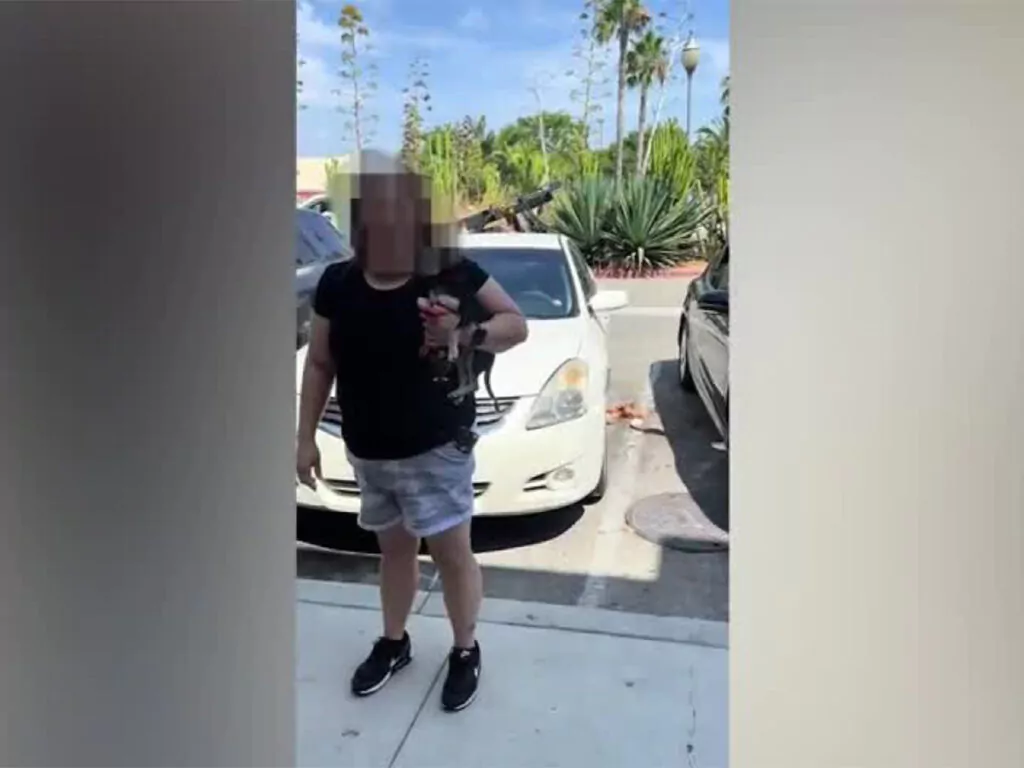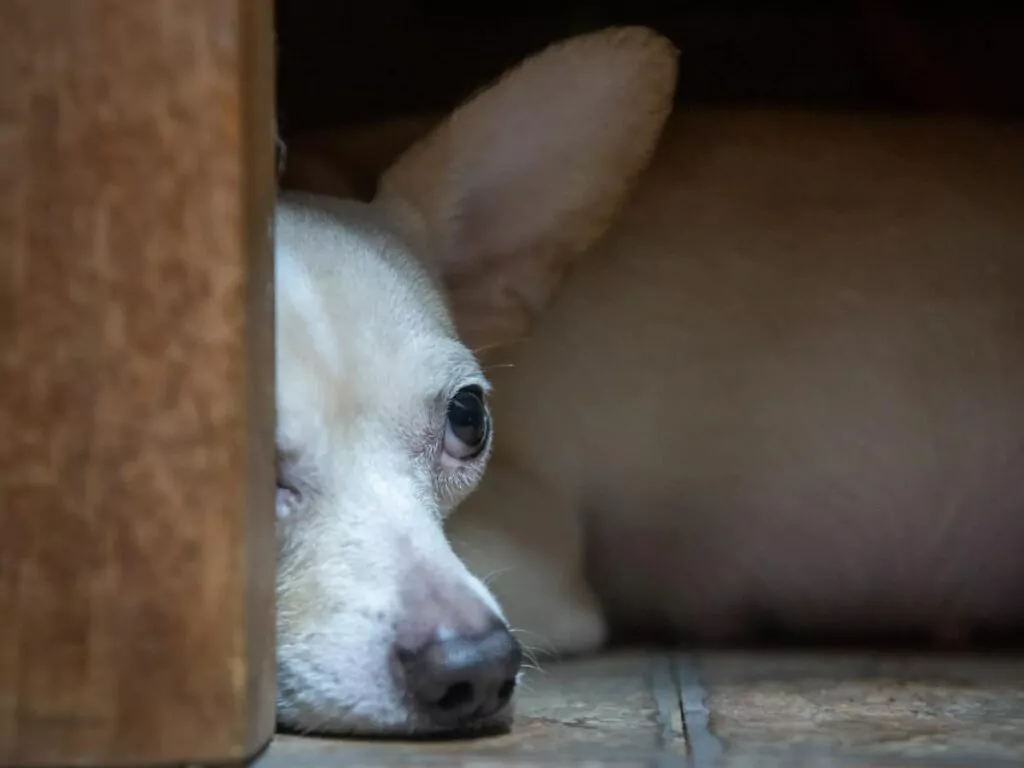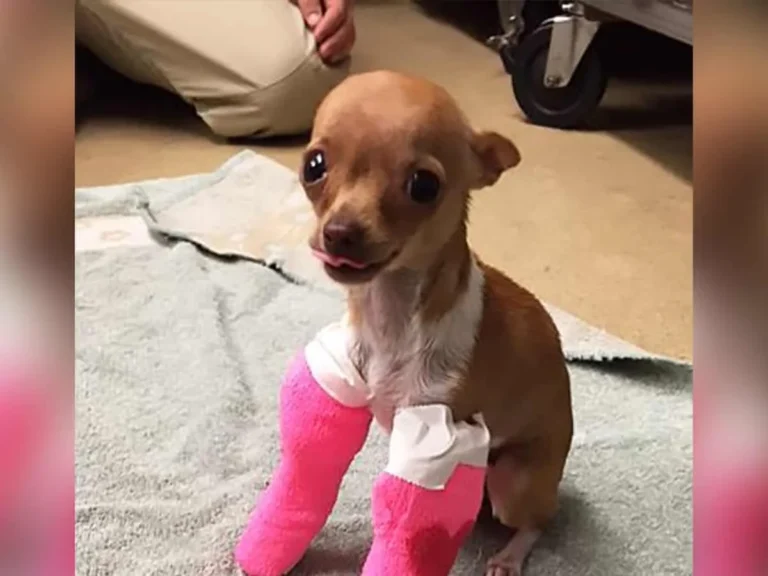


On a Tuesday in March, in the small-dog ward at a municipal shelter in Stockton, California, I counted the chihuahuas in the kennels. There were thirty-one in a ward built for twenty-four. The intake coordinator, a woman named Rosa Medina who has worked the ward for nineteen years, did not look up from her clipboard when I asked how many came in last week. Eighteen, she said; we placed four.
Tag @ChihuahuaCorner if you know a chihuahua who needs a second chance. We follow up on every lead we can verify.
favoriteRosa walked me through the ward at 9:40 a.m. There was a small fawn male, about four years old, owner-surrender, "moving and cannot bring." There was a black-and-tan female, estimated six, found tied to the chain-link fence outside the building on a Sunday morning. There was a long-haired senior, picked up as a stray off Wilson Way, with a faded green collar but no tag and no chip. The list is six pages, on a clipboard, in pencil, updated three times a day.
The numbers, plainly
The math is hard to look at. In California and Texas, chihuahuas and chihuahua mixes account for roughly thirty percent of small-dog intakes, according to the most recent data tracked by the Shelter Animals Count national database. In several Central Valley counties, the share runs higher; in Fresno County in 2025 it ran near forty.
The disproportion is not new. It has, on the available data, been increasing for the better part of a decade. The reasons are several and overlap.
Reason one: a breeding-supply problem
The first and largest factor is supply. Chihuahuas are easy to breed and small enough to keep in volume in conditions that larger breeds would not tolerate. Backyard producers and small-scale puppy mills, particularly in California's Central Valley and parts of Texas, produce chihuahuas in numbers that do not match the available responsible-home demand.
Rosa pointed at a small white-and-tan female in kennel 14, about two years old, with a stretched belly and a missing tooth. Owner-surrender, she said; the surrender form said the family had been breeding her and could not place the most recent litter. The dog had been bred three times in two years.
Reason two: the housing math
The second factor is harder to talk about because it is unglamorous. Chihuahuas, like all small dogs, lose their homes most often during apartment moves; rental restrictions on dogs are, in many California and Texas markets, getting tighter rather than looser. The intake forms in Rosa's clipboard had "moving" or "landlord" written on roughly four out of every ten owner-surrenders.
This is not, on the data, a chihuahua-specific phenomenon; it is a small-dog and large-dog phenomenon, with chihuahuas overrepresented because they are the most numerous small breed in these markets. A separate piece on the surrender drivers covers the housing math in more detail.
Reason three: the misunderstood-temperament problem
The third factor, which Rosa walked me through over coffee at 11 a.m., is that the breed is, in many homes, mismatched to the family's expectations. A chihuahua bought as a small ornamental companion turns out to be a small dog with strong opinions, real socialization needs, and a real bite if those needs are not met.
The result, in Rosa's experience, is that some homes give up on the dog at the eight-month mark, when the puppy phase ends and the dog's actual temperament becomes structural. The intake forms read "biting children" or "not friendly with our other dog" more often than the breed's reputation in the family-dog literature would predict. A separate piece on the breed's reactivity covers the underlying behavioral pattern; the short version is that early socialization, done right, prevents most of it.
What rescues are doing about it, on the ground
I spent the afternoon with a coordinator named Juana Reyes, who runs the Stockton chapter of a regional chihuahua-specific rescue. The chapter pulls roughly eighty dogs a month from the Stockton ward and a smaller number from Modesto and Tracy. The dogs go into a foster network of about forty homes across the valley.
The placement rate, Juana said, runs around seventy percent within ninety days. The remaining thirty percent are usually senior dogs, dogs with significant medical needs (mostly dental), or dogs with documented bite history. Those dogs stay in foster, sometimes for many months, until the right placement comes up. The rescue, like most chihuahua-specific rescues, runs entirely on donations and a small adoption-fee structure.
The case for fostering is, in my reading, the single most useful piece of the chain. A foster home reduces shelter overcrowding, produces real behavioral information about the dog, and substantially improves adoption outcomes.
What would change the numbers, on the supply side
The intake numbers will not, on any honest reading, come down through rescue work alone. The supply side has to come down. That means stricter enforcement of existing breeding-permit ordinances in the affected counties, mandatory spay/neuter at lower rates of compliance, and consumer-side education that draws clearer lines between reputable breeders, rescue, and the third category of high-volume sellers.
The honest breeder-versus-rescue comparison covers the consumer-side question; the supply-side ordinance work is mostly being done by county-level animal control and a handful of state legislators in California and Texas. The progress is incremental.
The walk out, on a Tuesday
Rosa walked me back to the lobby at 3:50 p.m. The ward census, by the time we left, was thirty-three; two more had come in during the afternoon, both strays, both small fawn males with no chip and no collar. Rosa wrote them onto the clipboard and went back to the ward. The next intake walk, she said, was at 4:30. The work is, in her language, the work; the numbers are the numbers; the dogs are the dogs.
How You Can Help volunteer_activism
Five concrete ways to help. Pick one and start this week.
Adopt
Adopt a chihuahua from a local rescue or transport network.
Foster
Foster a dog while the rescue finds a permanent home.
Donate
Recurring monthly donations cover the bills rescues plan around.
Volunteer
Offer your time and skills to a rescue near you.
Share
Share the dogs your local rescue is trying to place this week.
Frequently Asked Questions help
help_outline How do I start fostering a chihuahua? expand_more
Find the rescue closest to you, send in the foster application, and ask for a home check date. The process usually takes two to four weeks.
help_outline Why are chihuahuas so often in shelters? expand_more
Southern California shelter intake has been the largest single source for two decades, driven by backyard breeding and inconsistent spay-and-neuter access. Transport programs move dogs north to foster networks across the country.
help_outline What does a rescue actually need from a donor? expand_more
Recurring monthly support, foster homes, and in-kind donations of crates and exercise pens. Most rescues list the same three needs in the same order.
Share Hope’s Story Your share can be the reason another small dog gets home.
favorite