
How can you tell your chihuahua loves you? In one sentence: by reading the body language she is using when you are present, the body language she is using when you leave, and the small signals the behavior literature has documented as markers of secure attachment in dogs. The research is clearer than the popular advice often allows.
I am going to walk through what to look for, what the science actually says, and what to ignore.
The relaxed body, in plain language
A happy chihuahua at rest looks unmistakable once you know what to read. Soft eyes, a loose mouth (sometimes slightly open in a soft "smile" that is just gentle panting), ears in a neutral position, and a tail in a low, gentle wag or at rest. The body is loose; the muscles are not coiled.
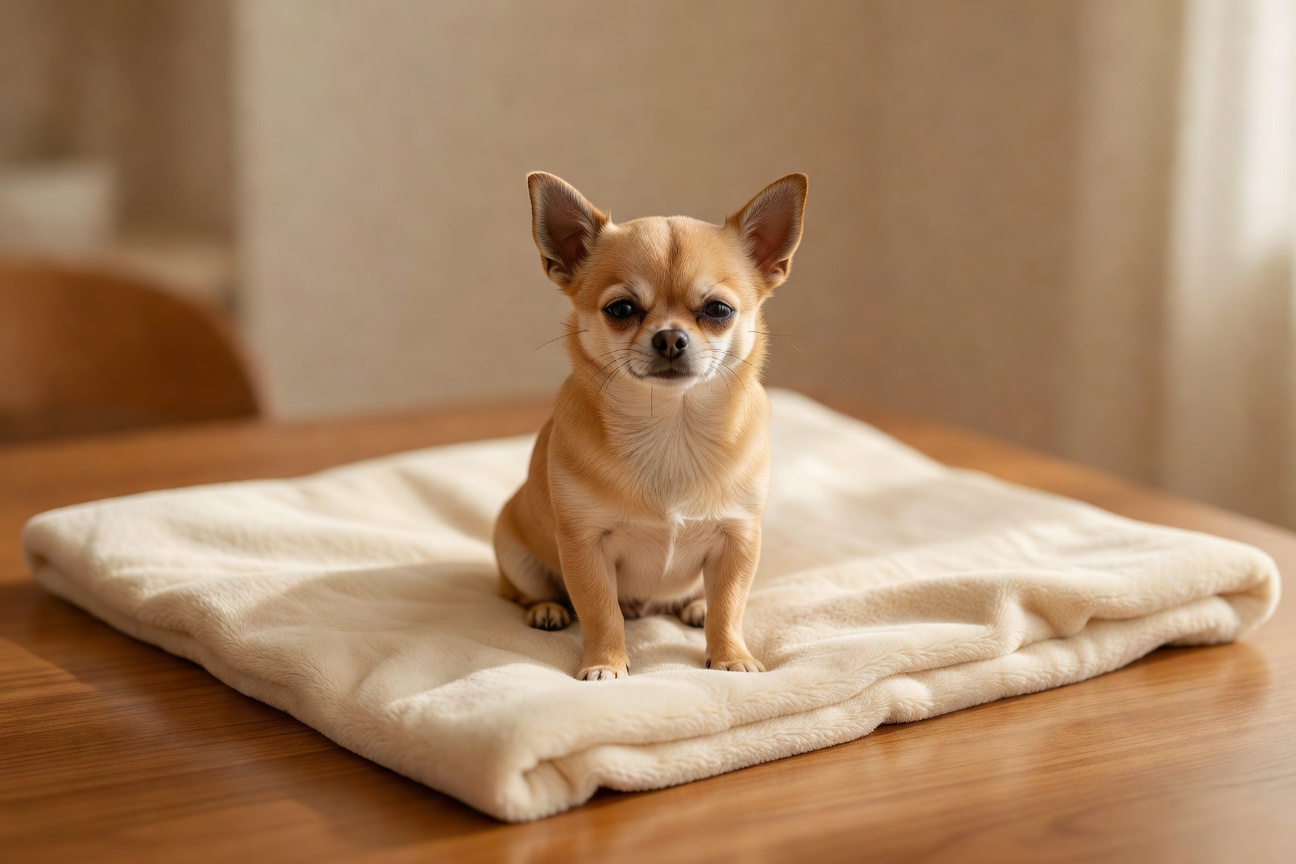
Compare this to the body language of a stressed dog: stiff body, ears pinned back or hard-forward, whale eye, lip licking out of context, yawning out of context, freezing. The full ladder of nervous escalation is worth a careful read; the inverse of those signs is what happiness looks like.
Secure-base behaviors, drawn from the literature
The 1998 Topál et al. paper adapted Mary Ainsworth’s strange-situation paradigm from human infants to dogs and found that dogs display the same secure-base behaviors with their primary owner that infants do with primary caregivers. In practice, what this looks like for a chihuahua:
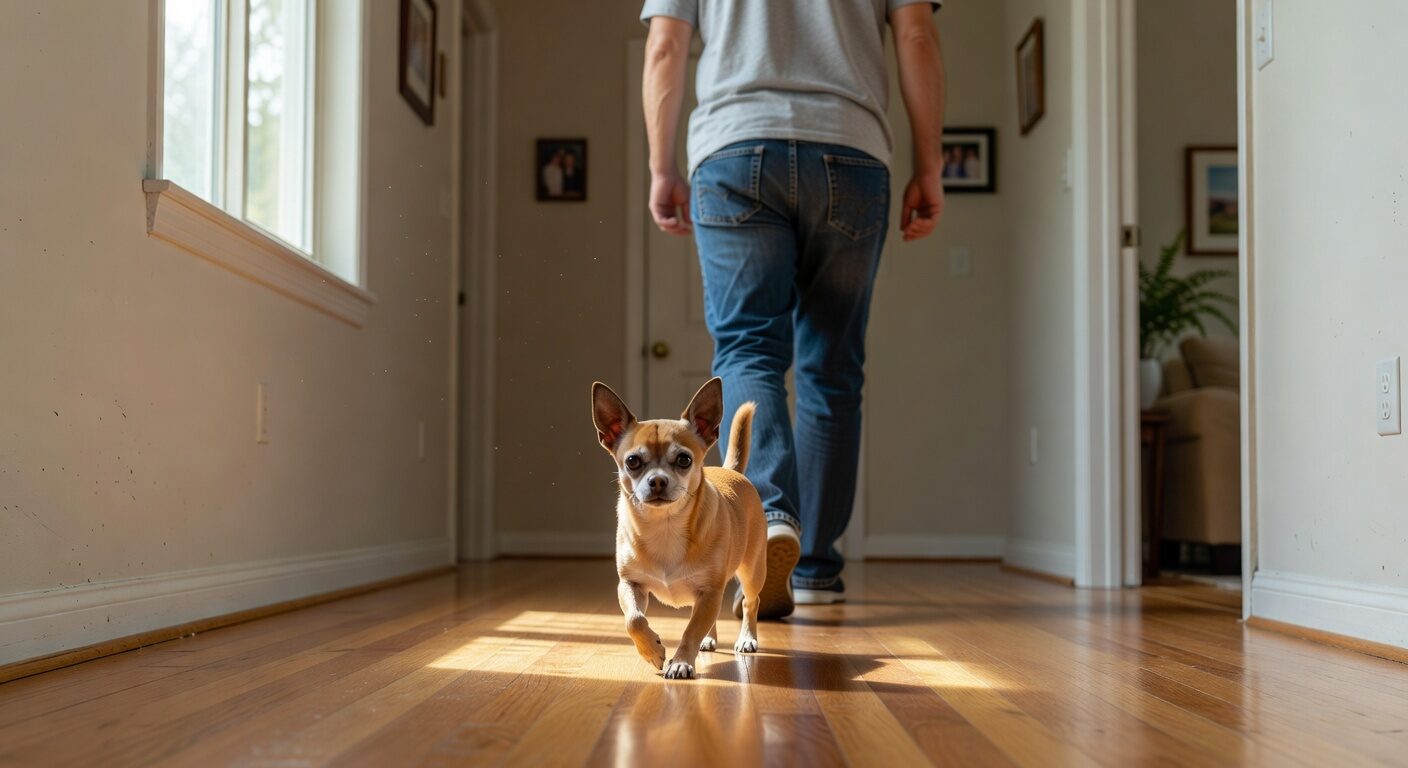
- She follows you between rooms, then settles when you sit down.
- She is calmer in your presence in unfamiliar environments than without you.
- She greets you at the door, then returns to a normal activity rather than escalating.
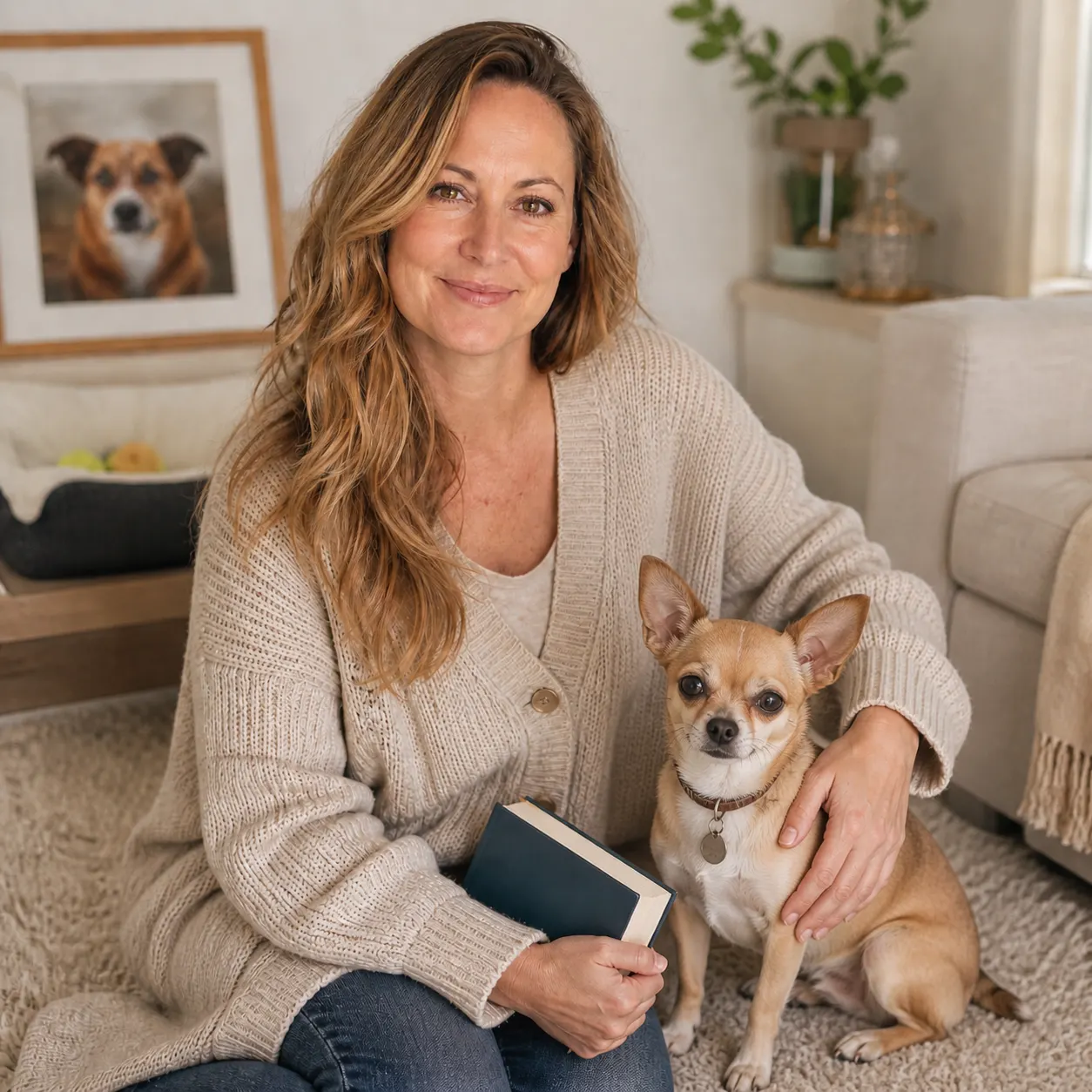
- She rests near you, sometimes touching, sometimes a few feet away.
- She brings you objects, occasionally, that have no apparent practical purpose.
Each of these behaviors, in the literature, is correlated with secure attachment. None of them is, on its own, definitive; the picture comes from the cluster.
The greeting, decoded
The greeting at the door is a small ritual that tells you a lot. A securely attached chihuahua greets in a circle of soft body movement, sometimes a wiggle, sometimes a quiet whine, sometimes a brief jump (which I will, gently, suggest you redirect to a sit, but the impulse is information). The dog returns to a calmer state within two or three minutes.
A dog who frantically jumps, vocalizes for ten minutes, or seems unable to come down from the greeting is doing something different. The Companion Animal Psychology archive has multiple posts on what the over-aroused greeting actually means; in short, it can be a marker of separation distress rather than affection. A truly happy reunion is warm but brief.
Play, sleep, and the other cues
A few additional markers most owners enjoy noticing once they know to look:
- The play bow. Front legs down, rear legs up, tail wagging. This is an invitation to play and is a marker of comfort with you specifically. Play sessions you both enjoy reinforce the cycle.
- Soft eye contact. Brief mutual gaze, sometimes followed by a slow blink or look-away. Hard staring is a different message; soft, brief eye contact is bond.
- Sleeping near you, in a soft posture. Belly up, side, or tucked next to your leg are all markers of trust. A dog who curls tight away from you is holding tension she may need help with.
- Following without urgency. She walks to the kitchen with you and lies down on the rug rather than circling. The walk-and-settle is a sign of secure attachment, not nervous tracking.
What to ignore
A few popular tests that are not, on the available evidence, reliable.
- The "she lets me hold her like a baby" test. Some chihuahuas tolerate this; many do so out of resignation rather than enjoyment. Watch the body language during the hold; if she goes stiff, the answer is no.
- The "she sleeps in my lap" test. This is more about temperature and texture than about bond, especially in a small dog. Bond is the cluster of cues, not any one cue.
- The wagging tail. A tail wag is not inherently a happy signal; tail wags happen across a range of arousal states. The position and speed matter more than the wag itself.
When the baseline picture changes
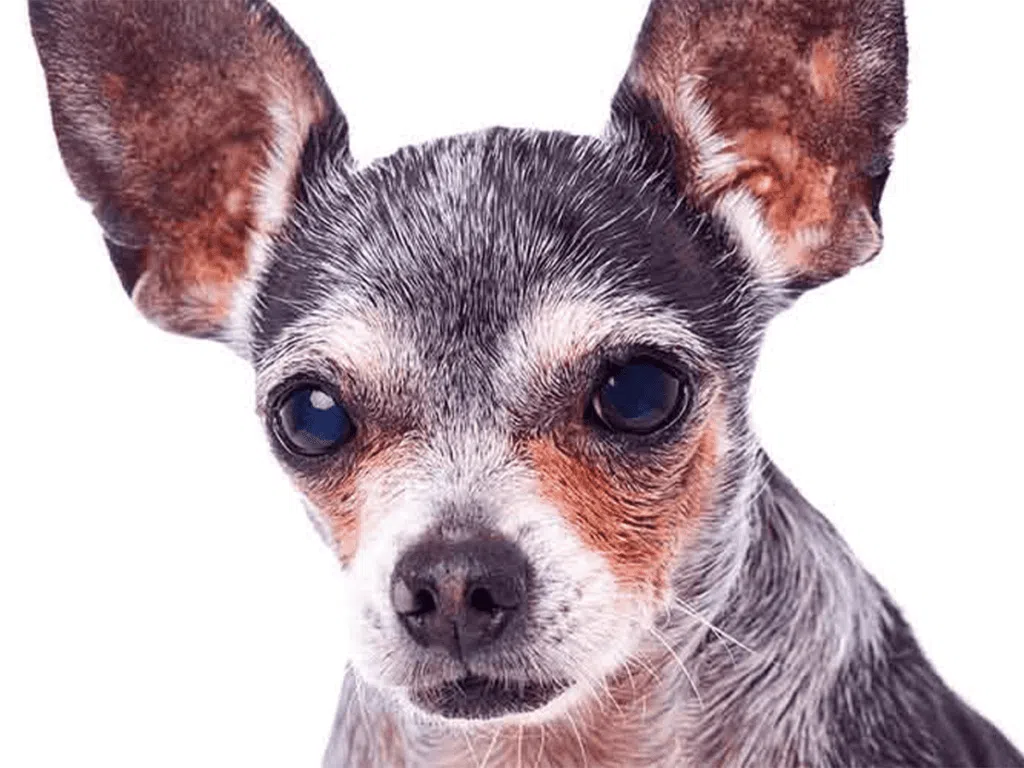
A point worth flagging for owners of senior dogs in particular: the baseline body language of a healthy six-year-old is not, automatically, the baseline of the same dog at twelve. Cognitive change, joint pain, dental pain, and gradual hearing loss all shift the cluster of cues. A senior chihuahua who has become quieter, slower to greet, or more reluctant to settle near you is not necessarily less attached; she is often telling you, in the only vocabulary she has, that something physical is asking for attention. The same body-language read applies; the medical workup at a wellness visit is the next step.
One thing to do this week
For five days, take a thirty-second mental snapshot of your chihuahua’s body when you walk in the door, when you sit down on the couch, and when she comes to greet you. Note the eyes, the mouth, the tail, the ears, the body line. By Friday you have a baseline picture of your dog at her most relaxed. The future you, who needs to know whether something has changed, will thank the present you for the data.
If you watch this week and see signs that worry you (stiff body, lip licking, refusal to make eye contact), that is a different conversation, and a force-free trainer or your veterinarian is the next call. The stress-reduction protocols are a useful pre-read for that call. For most owners, though, the picture you assemble is the one we are talking about: a small dog at home in her body, in her routines, and beside the human she has chosen to be near.
Gear That Works backpack
Harness (Not Collar)
A step-in harness is safer and more comfortable.
Lightweight Leash
4–6 feet gives freedom without losing control.
Treat Pouch
Keep rewards accessible and distraction-free.
ID Tag & Microchip
Always be prepared in case of separation.
Trainer Tip: Success on walks starts with reading your Chihuahua's signals and respecting their pace.
Was this guide helpful?
Was this guide helpful? Save the guide. Share it with one other chihuahua owner this week.
favorite