


I want to write this piece honestly, because the household I am about to describe is my own, and the chihuahua I am about to describe was a dog who, for the first two years of her life, struggled with situations that a properly socialized puppy would have managed without difficulty. The remediation worked. It took two years rather than the two months that puppy socialization would have required, and the underlying behavioral baseline never fully matched what early socialization would have produced.
I am writing this column with the full benefit of having been the household I am about to describe, and with the additional benefit of having, in the three years since the remediation completed, watched a number of friends make and not make the same mistake. The math is, on examination, clear. The puppy socialization window is the highest-leverage four months in a chihuahua's behavioral life, and skipping it produces a long expensive remediation rather than a saved week.
Why I skipped it, honestly
I did not, on the day I brought my puppy Hazel home at week eight, consciously decide to skip socialization. I made a series of small individual decisions over the following weeks, each of which seemed reasonable in isolation, that added up to "she did not get the structured exposure she needed during weeks eight to sixteen."
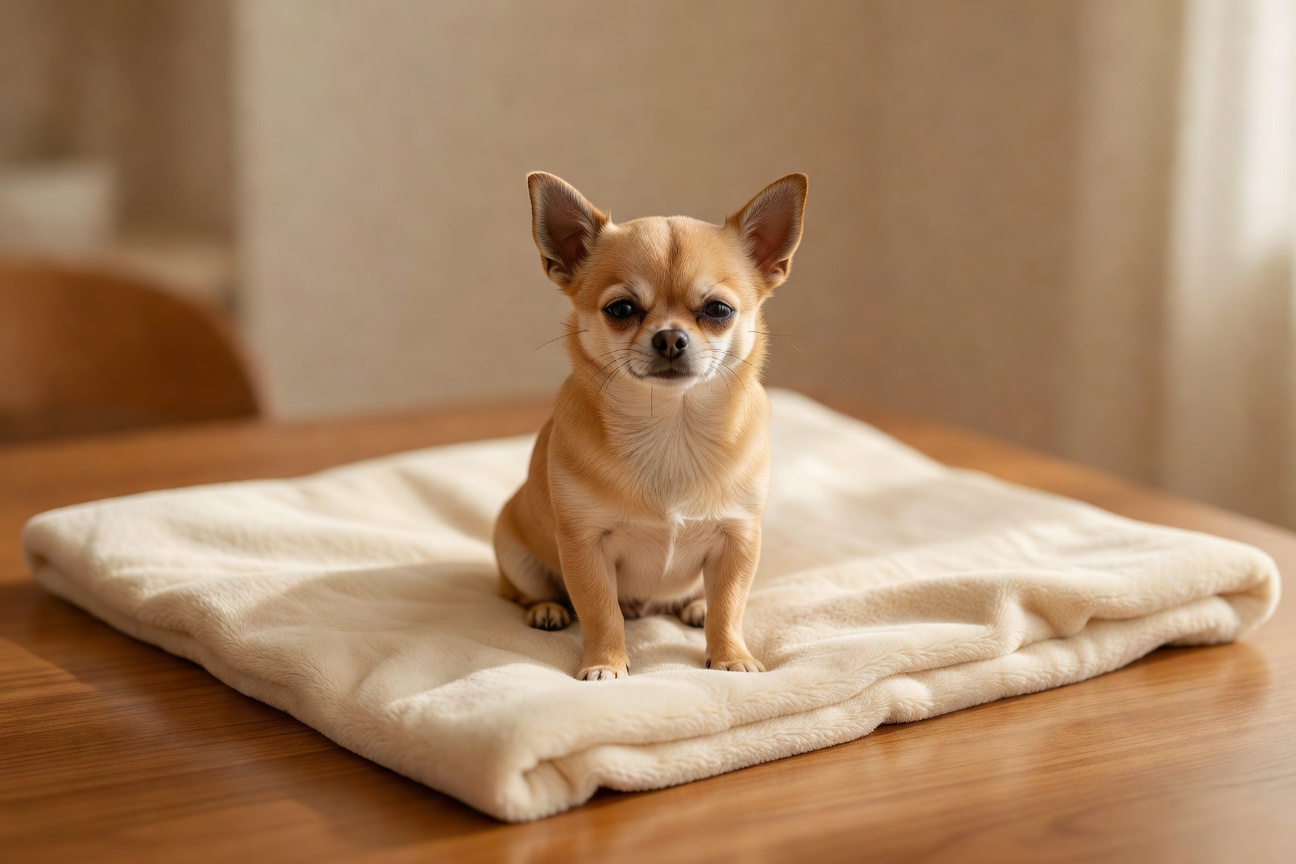
The decisions, in honest order:
- The vaccination concern. I had read that puppies should be kept away from other dogs until the full vaccination series was complete. The veterinarian's nuanced view (carefully chosen environments are fine before the series is complete) had not made it into my decision-making.
- The protective instinct. Hazel was small and the world seemed dangerous. I carried her past other dogs on sidewalks. I kept her inside on weekends. I treated her like a delicate object rather than a developing dog.
- The work schedule. Weeks eight to sixteen happened to coincide with a busy stretch at work. The structured exposure that would have required twenty to thirty minutes a day did not, on the available calendar, get scheduled.
- The assumption that she would grow into confidence. I genuinely thought that Hazel's caution would resolve naturally as she matured. The behavioral literature is clear that the opposite is true; under-socialized puppies become more, not less, cautious adults.
What emerged, by month seven
By month seven, Hazel's behavior pattern was clearly reactive in a way that was not present at week eight. The specific patterns:
- Barking at every person who walked past our apartment, building from a brief alert to a sustained reactive episode by month nine.
- Trembling at sounds I could not identify, including some that had been part of the household environment from day one.
- Inability to be in the same room as another dog without shutting down completely, even with friendly calm dogs whose owners I knew.
- Reluctance to leave the apartment for even brief walks, requiring substantial coaxing.
The behavior was not, on examination, Hazel's personality. It was the absence of the structured exposure that would have produced a different behavioral baseline. The puppy socialization guide covers what the structured exposure should have looked like; the aggression-study piece covers the underlying research.
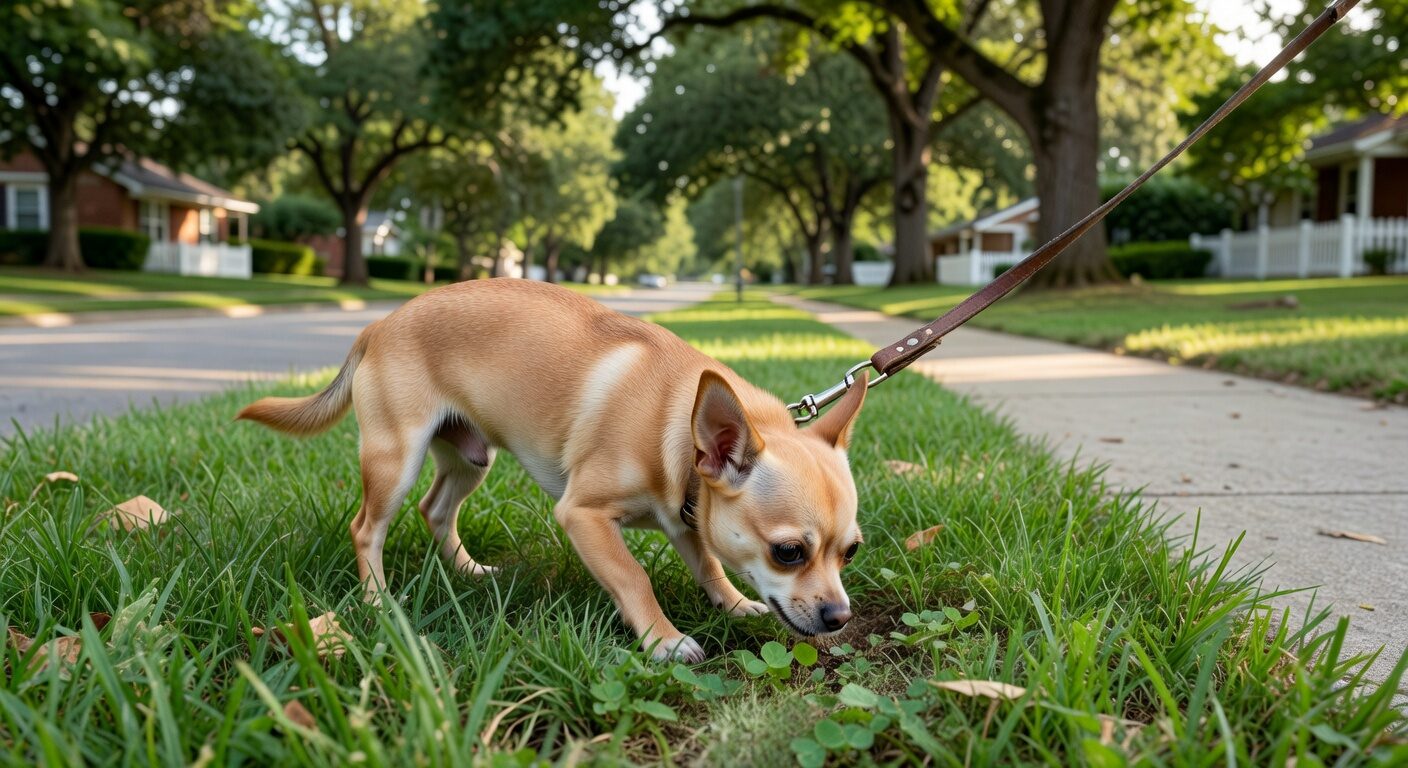
The two-year remediation, plainly
The behavioral protocol for an under-socialized adult chihuahua is similar in structure to the puppy version but slower. The principle: brief, sub-threshold exposures, paired with high-value food, conducted at a distance the dog can manage without showing stress. Over weeks and months, the threshold tightens.
The phases of the remediation, roughly:
Months 0 to 3: Distance work. Walks at hours and locations with minimal trigger exposure. When a trigger appeared (another dog, a person), I increased distance immediately, rewarded calm, and ended sessions positively. Most sessions were brief, sub-threshold, and ended with success.
Months 3 to 9: Closing distance gradually. The same triggers, at slightly closer distances. The dog began to manage exposure that had previously produced reactive episodes. Reps were structured; the household calendar accommodated the consistent practice.
Months 9 to 18: Generalization. The work shifted to novel environments and varied triggers. Hazel began to manage routine encounters (a stranger on the sidewalk, a calm dog across the street) without distress. The reactivity at home (apartment doorway barking) took longer to resolve.
Months 18 to 24: Maintenance. The remediation work continued at lower frequency. The behavioral baseline had shifted meaningfully but was, on the honest read, never quite where a properly socialized puppy would have ended up. Hazel was a manageable adult dog rather than a confident one.
The tools that mattered
A few specific tools that I would, on the available evidence, recommend for any household in remediation:
- A credentialed force-free trainer, working with the household weekly or biweekly during the first six months. The protocol is more reliable when an outside professional is monitoring progress and adjusting plans.
- The AVSAB position statements as a reading framework. The literature is consistent on what works and what does not.
- High-value food rewards, varied across sessions. The same treat used repeatedly loses some power; rotating among three or four high-value options keeps the reward salient.
- A small notebook documenting the dog's response across sessions. The trend across weeks is the diagnostic signal; in-the-moment impressions are less reliable.
- The willingness to fail at sessions. The single most useful skill I developed was ending a session early when the dog was at threshold rather than pushing through. The pushed-through sessions undid weeks of work.
What I would tell the household I was at week eight
A few specific things, in honest order:
- Talk to your veterinarian about the right balance between vaccination caution and socialization. Carry the puppy through novel environments before the series is complete; introduce her to known healthy dogs; avoid dog parks and pet store floors. The behavioral risk of waiting is, on the data, larger than the medical risk of careful socialization.
- Schedule the socialization work like any other important task. Twenty minutes a day, calendared, is a small commitment that compounds substantially.
- The puppy's caution is not her personality at week eight. It is a baseline that you can shift meaningfully with structured exposure, and the window is short.
- If you are reading this past the window, the remediation works, slower and less completely. A credentialed force-free trainer is the right starting point.
The honest bottom of the question
I love Hazel. I would not, in any sense, return the dog. The household that contained her two-year remediation became more attentive to her in the process; the relationship between us, by the end of the remediation, was deeper than it would have been on the easier path.
I would, on the available evidence, still rather have done the puppy socialization work in the first place. The remediation was not, in any honest accounting, equivalent. The stress-management piece covers the in-the-moment tools that supported the remediation; the general socialization primer covers the broader frame.
Talk to your veterinarian if your puppy is in the window and you are figuring out the right balance; the local clinical relationship is the right place to refine the plan. The window does not, on any honest account, last.
Gear That Works backpack
Harness (Not Collar)
A step-in harness is safer and more comfortable.
Lightweight Leash
4–6 feet gives freedom without losing control.
Treat Pouch
Keep rewards accessible and distraction-free.
ID Tag & Microchip
Always be prepared in case of separation.
Trainer Tip: Success on walks starts with reading your Chihuahua's signals and respecting their pace.
Was this guide helpful?
Was this guide helpful? Save the guide. Share it with one other chihuahua owner this week.
favorite