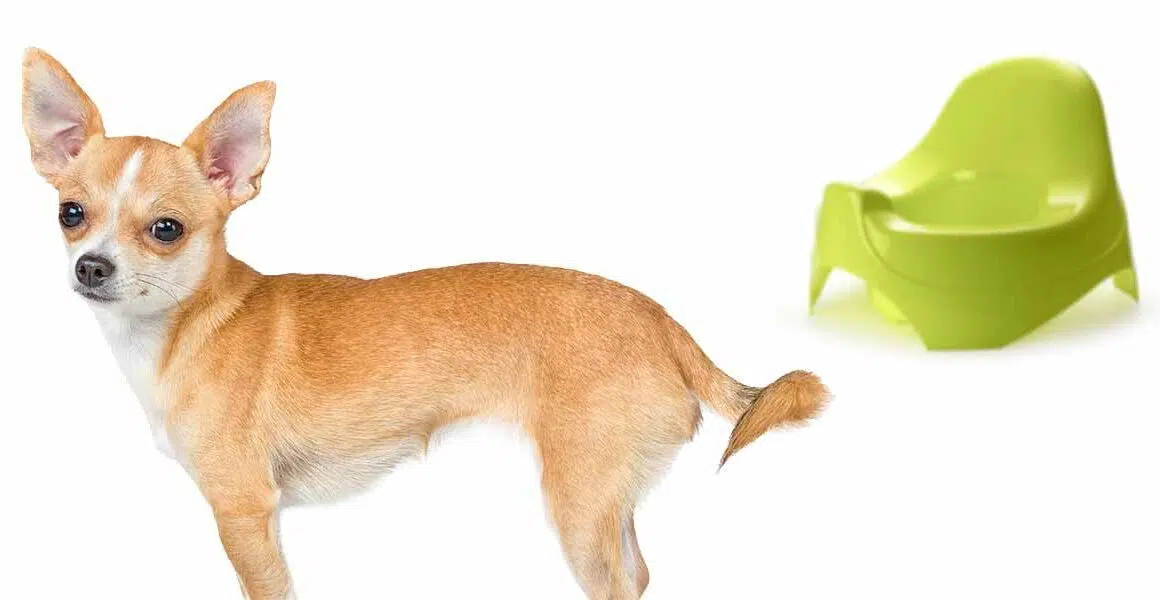


Why is my chihuahua puppy nipping at my hands, feet, and ankles, and what is the protocol that actually stops it without making the puppy fearful? In short: nipping at this age is normal exploratory and play behavior, the window in which to redirect it is roughly weeks eight to sixteen, and the protocol that works in our practice is a four-step routine of redirect, reward, reset, and rest. The most common owner error is to punish the behavior rather than replace it, which produces an anxious adult dog rather than a calm one.
I have been training small dogs for a decade and have, in that time, watched a lot of households go from "the puppy is biting everything and we cannot have her on the couch" to "the puppy has settled into a calm routine and the household is fine" in about three weeks of consistent work. The protocol is concrete, the time investment is modest, and the alternative (an adult chihuahua who learned that hands are scary) is much harder to undo.
Why nipping happens, plainly
Puppies explore the world with their mouths. The behavior is not aggression; it is the same exploratory behavior a human infant uses with hands. In a litter, puppies receive feedback from their littermates and from the mother dog when a bite is too hard; the bite-inhibition reflex is calibrated through this feedback over the first eight weeks. A puppy who leaves the litter at exactly eight weeks has had the basic training; a puppy who leaves earlier, or who was a singleton, may have less.
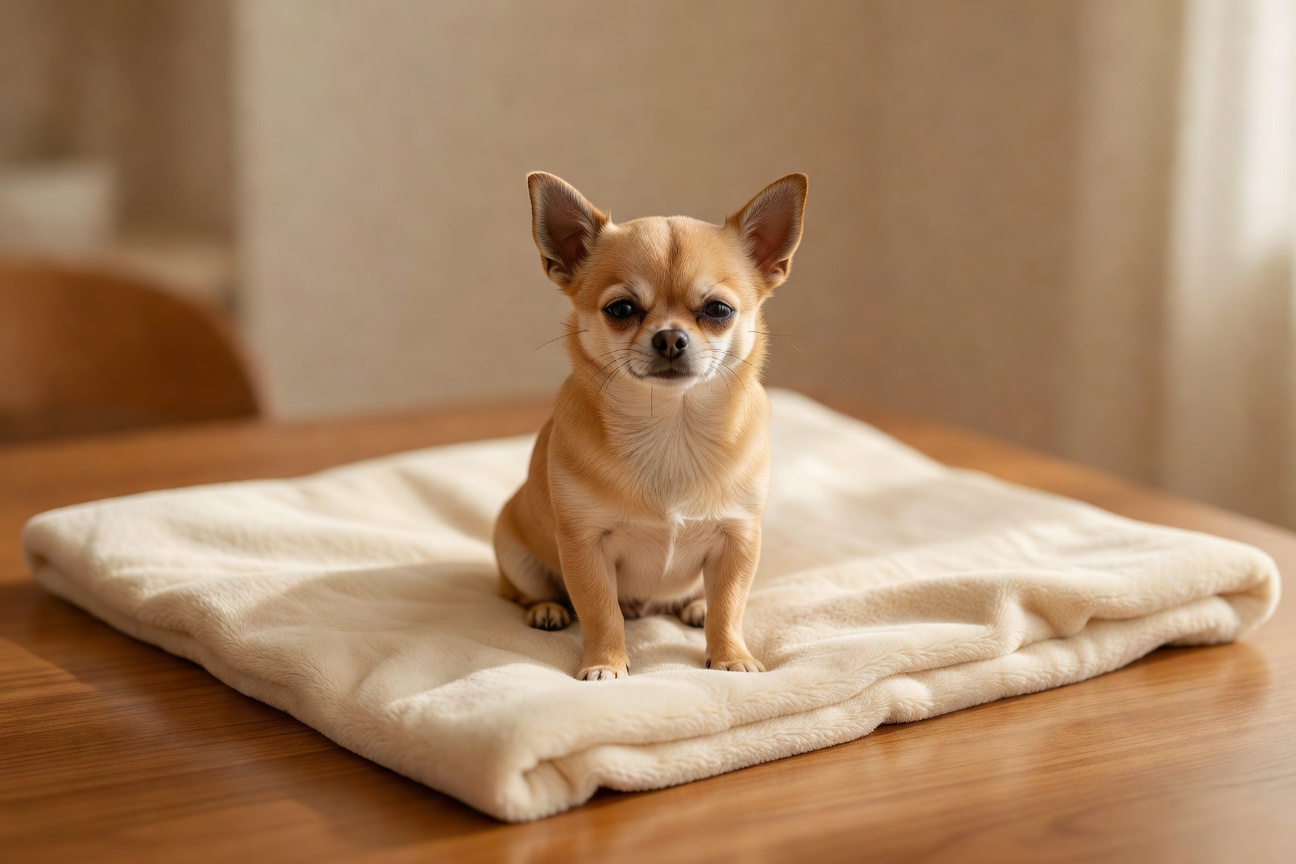
Once the puppy is in your home, the bite-inhibition calibration continues, and you become the source of the feedback. The protocol below is structured to mimic the litter feedback, applied consistently and without escalation.
The four-step protocol: redirect, reward, reset, rest
The full routine takes about ninety seconds the first few times and shortens with practice.
Step 1: Redirect. The moment the puppy's teeth touch your skin, calmly say "ah-ah" or any short verbal marker, and offer an appropriate chew toy. The redirect should be immediate, not after three or four nips. Timing matters; the puppy is learning what is and is not an acceptable target.
Step 2: Reward. When the puppy redirects to the chew toy, reward verbally and, for the first week of training, with a small high-value treat. The reward attaches to "I chose the toy" rather than to "I stopped biting your hand." This is a meaningful distinction; you are reinforcing the alternative behavior, not the absence of the unwanted one.
Step 3: Reset. If the puppy redirects to the toy and then, thirty seconds later, redirects back to your hand, repeat steps 1 and 2. If this happens three times in a row, the puppy is overstimulated and ready for step 4 rather than another redirect.
Step 4: Rest. When the puppy is overstimulated, the most useful intervention is a short structured rest in the crate or a small enclosed area. Five to ten minutes is enough. Most chihuahua puppies are biting because they are tired, not because they are escalating; a brief nap reset solves the underlying problem more reliably than continued correction.
What not to do, briefly, since this is where most households go wrong
The research on punishment in puppy training, summarized by the AVSAB, is consistent on the point that punishment-based methods produce more anxious and more reactive adult dogs. In practical terms:
- Do not yell, scruff, or hit the puppy. The puppy learns that hands are dangerous, not that biting is unwanted. The downstream effect is hand-shy adult who, paradoxically, is more likely to bite when handled.
- Do not pin or "alpha roll." The dominance-based training literature has been substantially overturned in the modern behavioral consensus. The technique produces fear, not learning.
- Do not flick the nose or tap the muzzle. Same problem as scruffing.
- Do not yelp dramatically. The "yelp like a littermate" advice you may have read works for some dogs but escalates excitement in many chihuahuas. A calm verbal marker is more reliable.
The three-week trajectory you should expect
A reasonable owner should see the following progression with consistent application of the four-step protocol:
Week 1: The puppy is biting frequently. The redirect-and-reward step works but only briefly; the puppy reverts within a minute. Most of the work is in steps 1 and 2.
Week 2: The puppy starts to redirect to the toy on her own when reaching for your hand. Frequency of incidents drops noticeably. Step 4 (rest) becomes more useful as the recurrent biting is now mostly fatigue-driven.
Week 3: Most household incidents resolve. Remaining triggers are typically high-energy situations (kids running, other dogs visiting, a guest arriving) where management (the puppy in a crate or pen during the trigger) is more effective than ongoing redirect.
If you are at week four and not seeing this trajectory, the protocol is not the issue; something else (environmental stress, an older puppy past the optimal window, a medical issue causing oral discomfort) is in play. Talk to your veterinarian or a credentialed force-free trainer.
Related protocols and the broader frame
The chihuahua puppy socialization guide covers the broader weeks-eight-to-sixteen window of which the nipping protocol is one part. The puppy training primer covers the basic obedience commands that the household should be working on in parallel; nipping resolution and basic obedience reinforce each other.
The stress-management piece covers the body-language reading you are using during the protocol; a puppy who is genuinely stressed is in a different state from a puppy who is overstimulated, and the management is different.
When to call a trainer or veterinarian
Most chihuahua-puppy nipping is solved by the four-step protocol within three weeks. The signals that the situation is outside the normal range and warrants professional consultation:
- Bites that break skin in the first two weeks at home, particularly bites that occur outside of play and without an obvious trigger.
- Stiff body, hard stare, growl-then-bite rather than the loose-body play biting that is normal at this age.
- Mouth or jaw discomfort signs: drooling, pawing at the mouth, or refusing to take treats.
- Persistent biting past sixteen weeks despite consistent application of the protocol.
Talk to your veterinarian first to rule out a medical cause for the discomfort; a credentialed force-free trainer is the right next step if the medical workup is clean.
The bottom line, with the usual caveat
Chihuahua puppy nipping is a normal developmental behavior with a known protocol that works on the available data. The window to redirect is weeks eight to sixteen. The four-step routine (redirect, reward, reset, rest) covers most households. The single biggest avoidable error is escalating to punishment; the second is treating fatigue as misbehavior. Talk to your veterinarian or a credentialed trainer if anything in your puppy's pattern is outside the normal range.
Gear That Works backpack
Harness (Not Collar)
A step-in harness is safer and more comfortable.
Lightweight Leash
4–6 feet gives freedom without losing control.
Treat Pouch
Keep rewards accessible and distraction-free.
ID Tag & Microchip
Always be prepared in case of separation.
Trainer Tip: Success on walks starts with reading your Chihuahua's signals and respecting their pace.
Was this guide helpful?
Was this guide helpful? Save the guide. Share it with one other chihuahua owner this week.
favorite