If you want to know about chihuahua puppy mill, you are in the right place. His name is Harley, and for the first nine years of his life, he never had a bed. Not a blanket, not a cushion, not a soft spot to rest his head. He lived in a wire cage at a puppy mill in the Midwest, bred over and over again, until his teeth were rotted, his eyes were clouded, and his body was so broken that the mill had no more use for him. When volunteers from a rescue organization finally pulled him out, he did not know what grass felt like under his paws. He did not know what a kind touch was. He was nine years old, and his life was just beginning.
What Puppy Mills Do to Chihuahuas
Puppy mills are commercial breeding operations where profit comes before the welfare of the dogs. Chihuahuas are among the most commonly overbred dogs in these facilities because they are small, popular, and produce litters that can sell for hundreds of dollars each. The dogs live in cramped, unsanitary conditions, often stacked in wire cages with minimal veterinary care, no socialization, and no affection. According to Dogster, there are an estimated 10,000 puppy mills operating in the United States, and many of them operate legally.
The chihuahuas who come out of these places are not the confident, feisty little dogs you see on social media. They are shut down, terrified, and physically wrecked. Bad teeth, skin infections, untreated hernias, collapsed tracheas, and severe anxiety are standard. Harley had all of these when he was rescued.
The First Bed
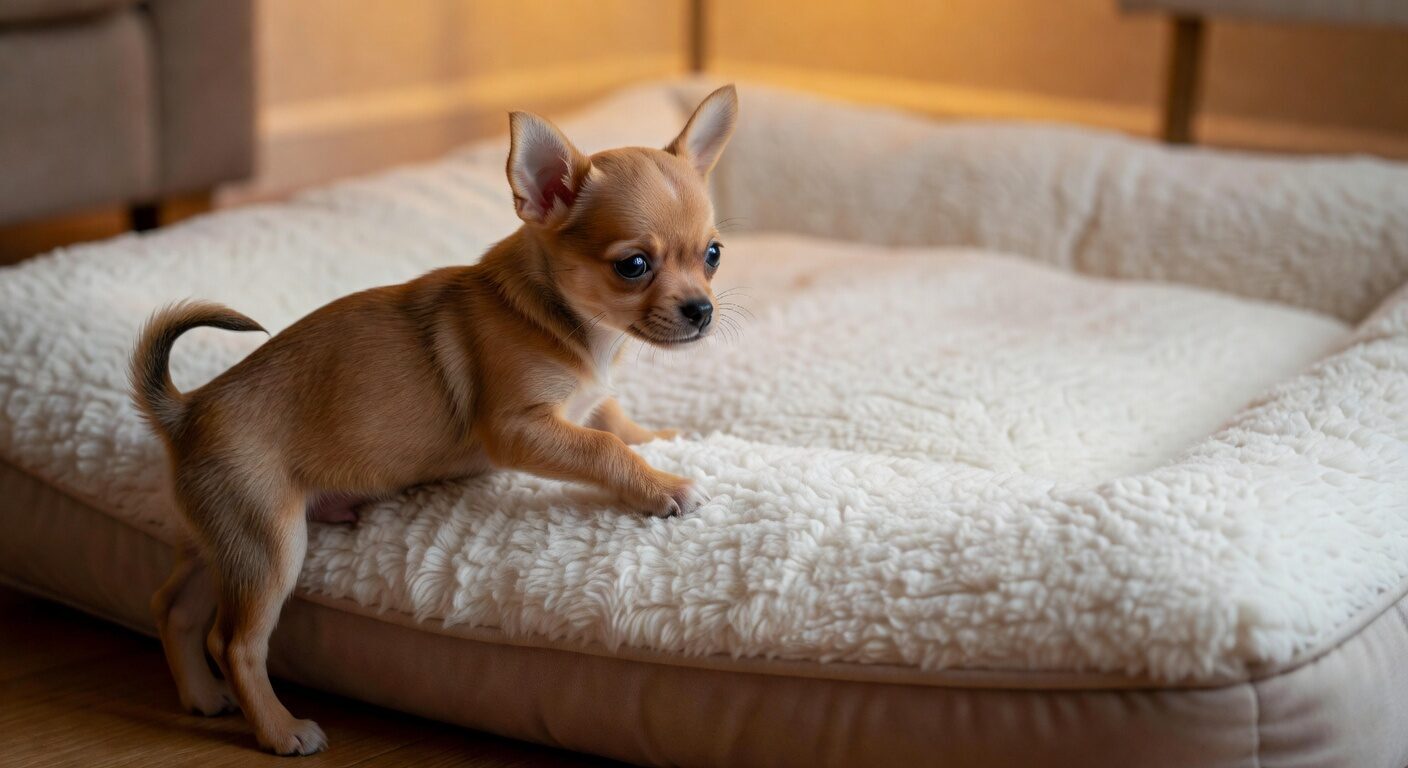
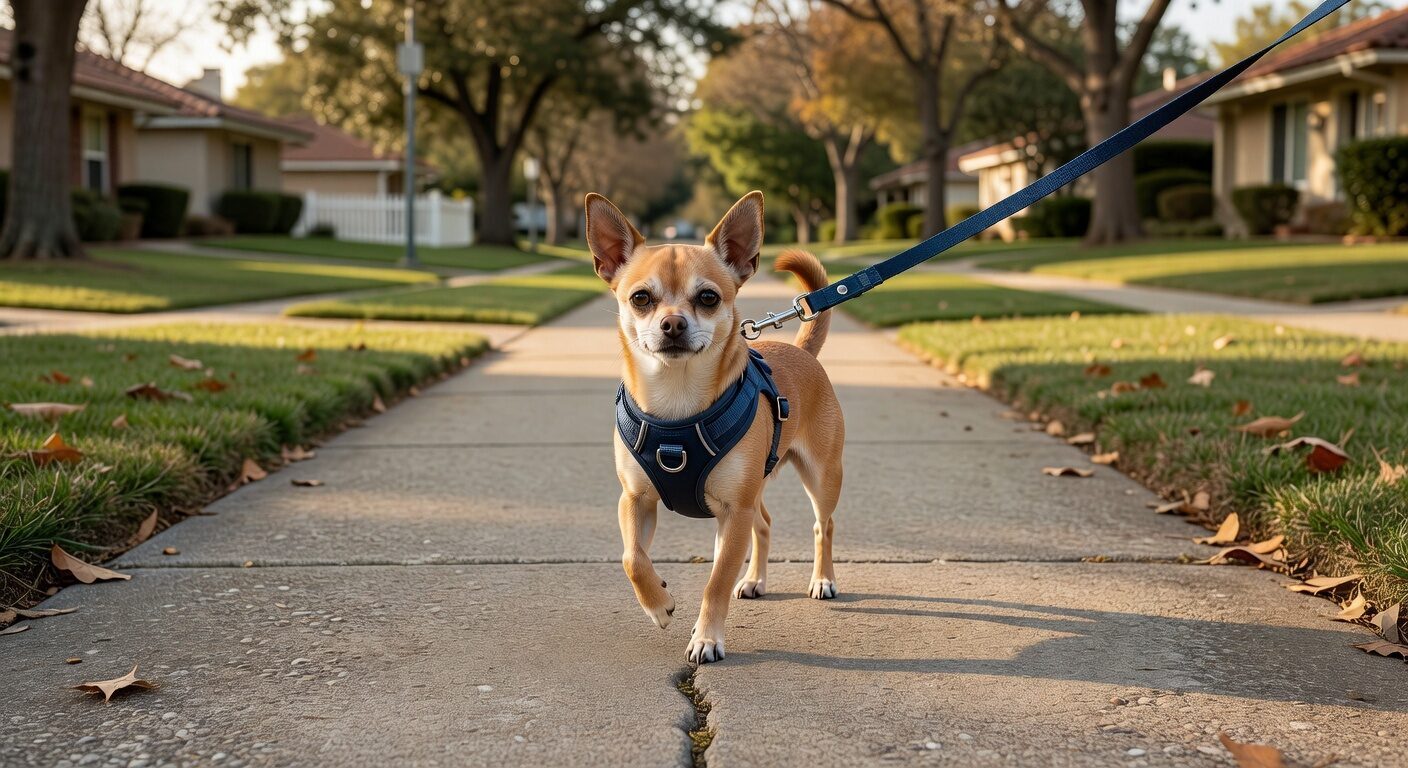
Harley’s foster mom, a woman named Rudi who had fostered over a hundred dogs, said she would never forget the moment she put him on a real dog bed for the first time. He just stood on it. Did not sit down. Did not curl up. Just stood there, looking at her, like he did not understand what he was supposed to do with something soft. It took him three days to lie down on it. When he finally did, he stayed there for six hours straight, barely moving, like he was afraid it would be taken away.
I talked to Rudi about Harley’s first weeks in her home. He did not play with toys because he had never seen one. He did not come when called because nobody had ever called his name. He flinched at hands reaching toward him because hands had never meant anything good. The transformation did not happen overnight. It happened in tiny moments over weeks and months.
What I Wish I Knew Earlier
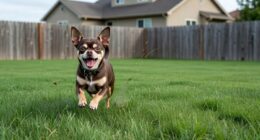
Over the following months, Harley discovered grass, sunlight, couches, squeaky toys, and the concept of a belly rub. He learned that not all hands hurt. He learned that food came at predictable times and nobody was going to take it away. He gained weight, his skin cleared up, and the haunted look in his eyes slowly, slowly began to fade.
A Forever Home
Rudi was supposed to be a temporary stop. Foster homes usually are. But by the time Harley was ready for adoption, Rudi could not let him go. She had watched this broken dog piece himself back together in her living room, and she knew that she was his person. She adopted him officially three months after his rescue, and he spent the rest of his years sleeping in that bed he was so afraid of at first, snoring like a tiny chainsaw with his head on a pillow.
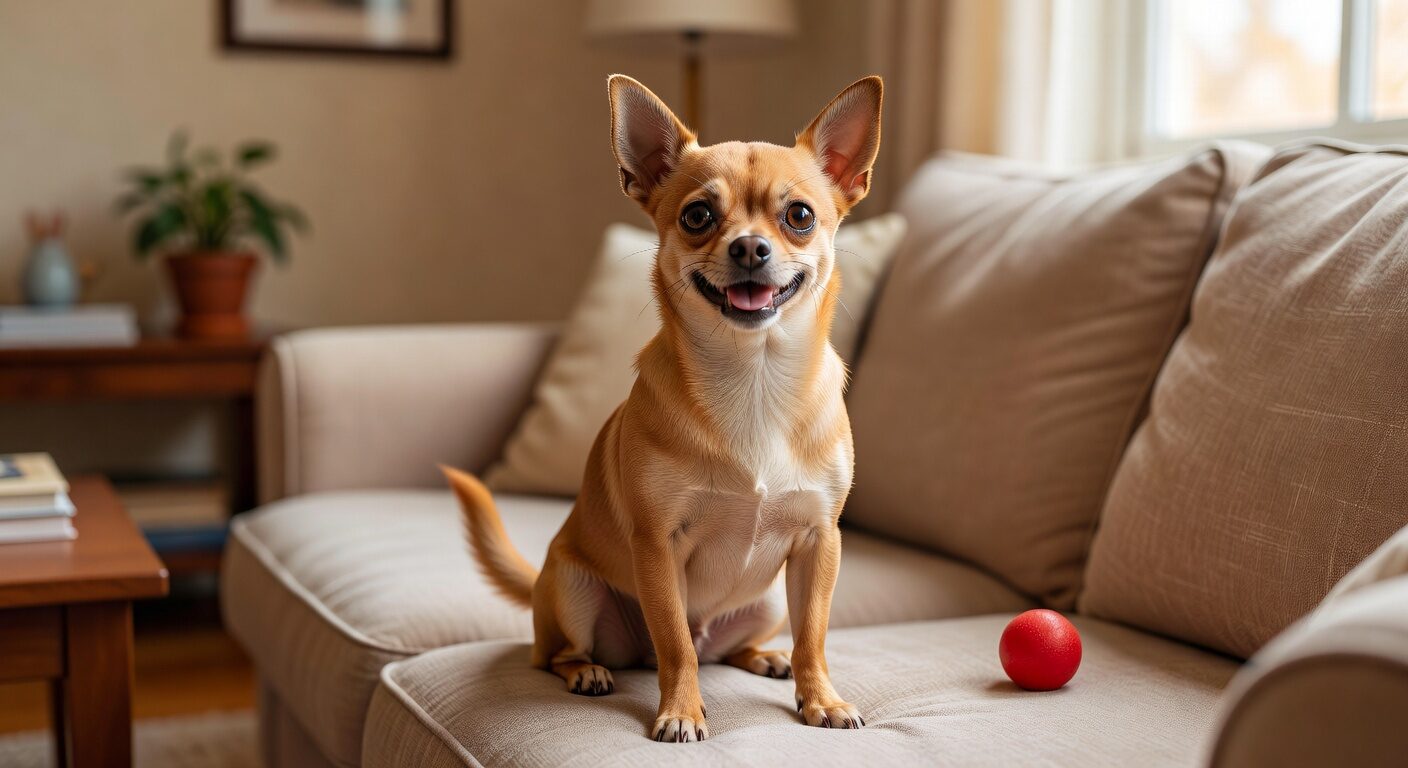
Rescue chihuahuas who come from puppy mills carry invisible wounds that take patience and love to heal. They are not easy dogs, especially at first. They might not trust you for weeks. They might not play for months. They might never be fully “normal”, by typical dog standards. But watching a dog like Harley discover for the first time that the world contains kindness is something that changes you as a person.
The Long Road Back to Trust
Rudi told me something about those early months with Harley that I have never forgotten. She said the hardest part was not the medical issues or the house training or even the fear biting that happened a few times when she reached for him too quickly. The hardest part was watching him learn, very slowly, that good things could last. Every time she put food in his bowl, he would eat it as fast as physically possible because in the mill, food disappeared if you did not inhale it. Every time she gave him a blanket, he would drag it to a corner and guard it, because in the mill, comfort was temporary. It took months before he stopped hoarding treats under the couch cushions and started eating at a normal pace.
The fear of human hands was one of the last things to go. Rudi made a rule that she would never reach for Harley from above. She always offered her hand low and palm up, letting him come to her. She spent entire evenings sitting on the floor near his bed, not looking at him, not talking to him, just being present so he could get used to the idea that a human nearby did not mean pain was coming. The first time he voluntarily walked over and put his head on her knee, she cried. She told me she sat perfectly still for twenty minutes because she did not want to move and break whatever spell had finally convinced this dog that she was safe.
Why Chihuahuas Suffer More in Mills
The thing about puppy mills that people do not always understand is that the damage is proportional to the dog’s size in ways that are not immediately obvious. A chihuahua in a wire cage develops pressure sores on feet that are barely bigger than a quarter. Their tiny jaws crack and lose teeth from chewing on metal bars out of stress and boredom. Their tracheas, already fragile in the breed, collapse from years of pulling against cage doors trying to get out. And because chihuahuas bond so deeply with individual humans, the complete absence of affection in a mill environment creates psychological damage that runs deeper than it might in a more independent breed. Harley’s anxiety around new people never fully went away, even years after his rescue. He was comfortable with Rudi and a small circle of regular visitors, but new faces always made him retreat to his bed and tremble until they left.
I have spoken with rescue volunteers who say that chihuahuas pulled from mills are consistently among the most emotionally damaged dogs they work with, precisely because the breed needs connection the way other breeds need exercise. Take that connection away for nine years and you get a dog like Harley, one who has to relearn from scratch that the world is not entirely made of wire and neglect.
The medical costs are significant too. Rudi estimated that Harley’s first year of veterinary care after rescue cost close to three thousand dollars between the dental extractions, the skin treatment, the eye drops for his chronic dry eye, and the ongoing trachea management. That is not unusual for a mill survivor. Many rescues cover the initial medical expenses, but adopters should be prepared for ongoing costs that reflect years of accumulated neglect. Harley needed dental monitoring for the rest of his life because the damage to his jaw from chewing cage wire never fully healed, and he lost additional teeth as he aged. None of that made Rudi love him any less. If anything, it made her more fiercely protective of him, because she understood what he had survived to get to her living room floor.
For more detailed guidance on this topic, the VCA Hospitals offers excellent resources backed by veterinary professionals.
You Might Also Enjoy
What You Can Do
If Harley’s story makes you angry, good. Use that anger productively. Adopt from shelters and rescues instead of buying from pet stores or online sellers who may source from mills. Research breeders thoroughly if you choose to buy. Support legislation that strengthens oversight of commercial breeding operations. Foster a dog if you have the space and the heart for it.
Harley passed away at twelve years old, three years after his rescue. He spent those three years on soft beds, eating good food, being loved every single day. It was not enough time. It never is. But for a dog who spent nine years in a cage, those three years of freedom were everything.