

If you have flown in-cabin with a chihuahua in the last few years, you probably have a system that works for you. The carrier slides under the seat, the dog sleeps for most of the flight, and the gate agent waves you through after a brief paperwork check. My system, with my girl Rosie, has worked for about a dozen flights since 2023. In the last twelve months, the system has run into changes on all four major US carriers, and I think it is worth a clear written summary for fellow chihuahua owners.
The short version: the carrier-size envelope has tightened on United, the per-flight pet count has dropped on Delta, American has kept its limits but added a stricter gate-side check, and Southwest has updated its check-in flow. The breeds-allowed rules have not changed. The math, however, has.
United Airlines, the tightened envelope
United updated its in-cabin pet policy in late 2025. The new soft-sided carrier maximum is 18 by 11 by 11 inches, slightly smaller in two dimensions than the previous envelope. For most chihuahuas this is not a problem; the dog fits into a smaller carrier comfortably. The issue is that several carriers sold as "airline-approved" before 2024 are at 18 by 11 by 11 in name and slightly larger in practice when the soft sides are not compressed.
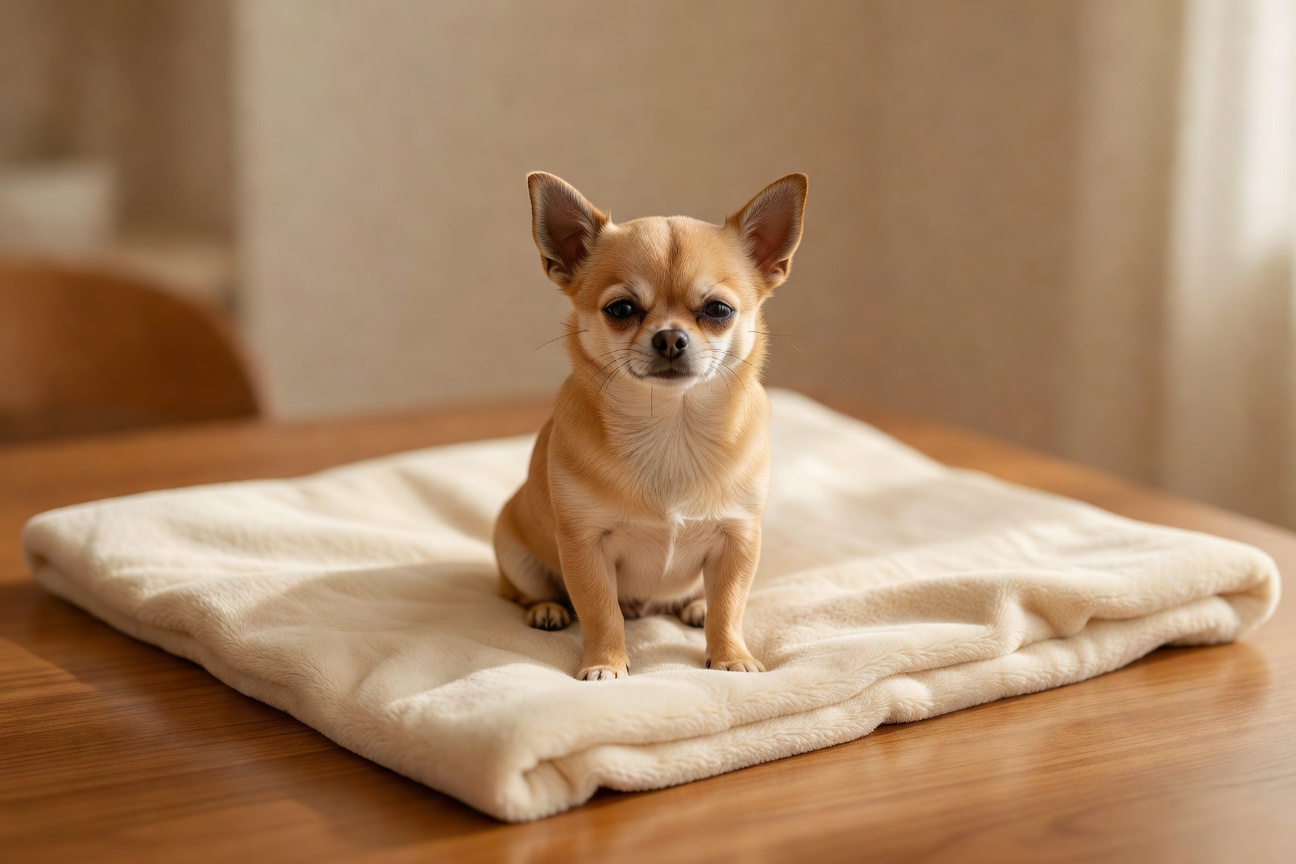
Practical action: measure your carrier with a tape measure and the dog inside. If it is over 11 inches tall or wide once the dog is curled up in it, replace the carrier. United gate agents are now measuring at the gate; I have personally watched a passenger with a four-pound chihuahua be denied boarding in 2025 because the carrier was 12 inches tall instead of 11.
Delta, the per-flight cap
Delta has reduced its per-flight in-cabin pet count from six dogs to four on most domestic routes. In practical terms, this means the booking window for the pet slot is tighter. On popular routes (LAX to JFK, ATL to SEA, DTW to LGA), the four pet slots are routinely full within twenty-four hours of the schedule opening.
Practical action: book the pet add-on at the same time you book your own ticket. Do not wait until check-in. Delta's pet add-on can be added on the website during the seat-selection step; if it is grayed out, the four slots on that flight are full and you should pick a different flight.
American, the gate check
American has not changed its envelope (19 by 13 by 9, slightly more generous than United) or its per-flight count (seven). It has, in 2025, added a more rigorous gate-side check that includes a brief visual inspection of the dog and a vet-letter review.
The vet letter American is now requesting is a current rabies-vaccination certificate (within the last twelve months) and a brief health-status note from your veterinarian (within the last ten days for international, within the last thirty days for domestic). Both should be in your carry-on, in paper form. The full vaccination-schedule reference covers what should be on the rabies certificate.
Southwest, the check-in update
Southwest has kept its carrier and pet-count rules but has moved the pet check-in fully to the airport counter (rather than online). This adds about fifteen minutes to your check-in time on Southwest flights. Plan to arrive ninety minutes before departure rather than the usual sixty.
Southwest's pet fee remains $125 per direction. The carrier envelope is 18.5 by 8.5 by 13.5 (a little narrower than United and American, a little taller). Most chihuahua-appropriate carriers fit; measure if you have a wider carrier.
The paperwork checklist, for any of the four
Whichever carrier you fly, the paper inventory you should have in your carry-on:
- Rabies certificate, current within the last twelve months, signed by a licensed veterinarian.
- Vet health-status letter, dated within the last thirty days for domestic flights or ten days for international.
- Carrier reservation confirmation with the pet add-on listed by name.
- Microchip number, on the carrier tag and on a printed sheet in your carry-on.
The USDA APHIS Pet Travel page covers international rules; for domestic flights, the airlines' own websites are the authoritative source and worth checking the morning of your flight.
The flight itself, briefly, for chihuahua-specific risks
Two chihuahua-specific things are worth flagging on the flight itself. First, cabin temperature varies more than you would expect during boarding, particularly on hot or cold tarmac days. Bring the dog's regular small fleece, which sits over the carrier at the right times. Second, dehydration is a real concern on a four-pound dog over a four-hour flight; freeze a small ice cube in a silicone tray and place it in the carrier's water dish before boarding so the dog has cold water for the first hour.
Skip the sedatives unless your veterinarian has specifically prescribed something for your particular dog. The general guidance from the AVMA travel page is that sedation at altitude can affect respiratory and cardiovascular function in toy breeds, and most veterinarians no longer recommend it routinely.
The bottom line, for the chihuahua-owner planner
The four major carriers have all tightened something in the last twelve months. The carrier envelope is the biggest practical change on United; the booking window is the biggest practical change on Delta; the gate-side paperwork check is the biggest practical change on American; the airport check-in is the biggest practical change on Southwest. Plan for the strictest carrier when you buy a new bag, and you will be covered on all four. The chihuahua anxiety primer covers the cabin-stress side, which is worth a look if your dog is a nervous traveler.
Talk to your veterinarian if your dog has any pre-existing respiratory or cardiac concerns; the cabin pressure changes are mild but real, and a clean recent vet exam is worth having on file regardless of which carrier you fly.
Health at a Glance: What to Watch monitor_heart
| Condition | Key Signs | Prevention Tips |
|---|---|---|
| Dental Disease | Bad breath, tartar, red gums | Daily brushing, dental treats |
| Patellar Luxation | Limping, skipping, leg lifting | Weight control, avoid high jumps |
| Tracheal Collapse | Dry cough, gagging | Harness walking, avoid smoke |
| Heart Disease | Coughing, fatigue, fainting | Regular check-ups, heart-healthy diet |
| Hypoglycemia | Shaking, weakness, lethargy | Small, frequent meals |
Community Insights – FAQ help
help_outline When should I call my vet about a behavior change? expand_more
Sooner than feels reasonable. A change in appetite, energy, or routine that lasts more than 48 hours is worth a phone call, not a wait-and-see.
help_outline How often should a healthy adult chihuahua see the vet? expand_more
Once a year through age seven. Twice a year from eight on. Dental checks are part of every visit.
help_outline Do chihuahuas need different care than larger breeds? expand_more
Yes. Smaller medication dosing, more frequent dental work, and closer monitoring for tracheal and patellar issues are standard in toy-breed care.
Have a health question? Ask your question in the comments. We will bring it up with the vet team.
favorite