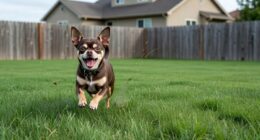
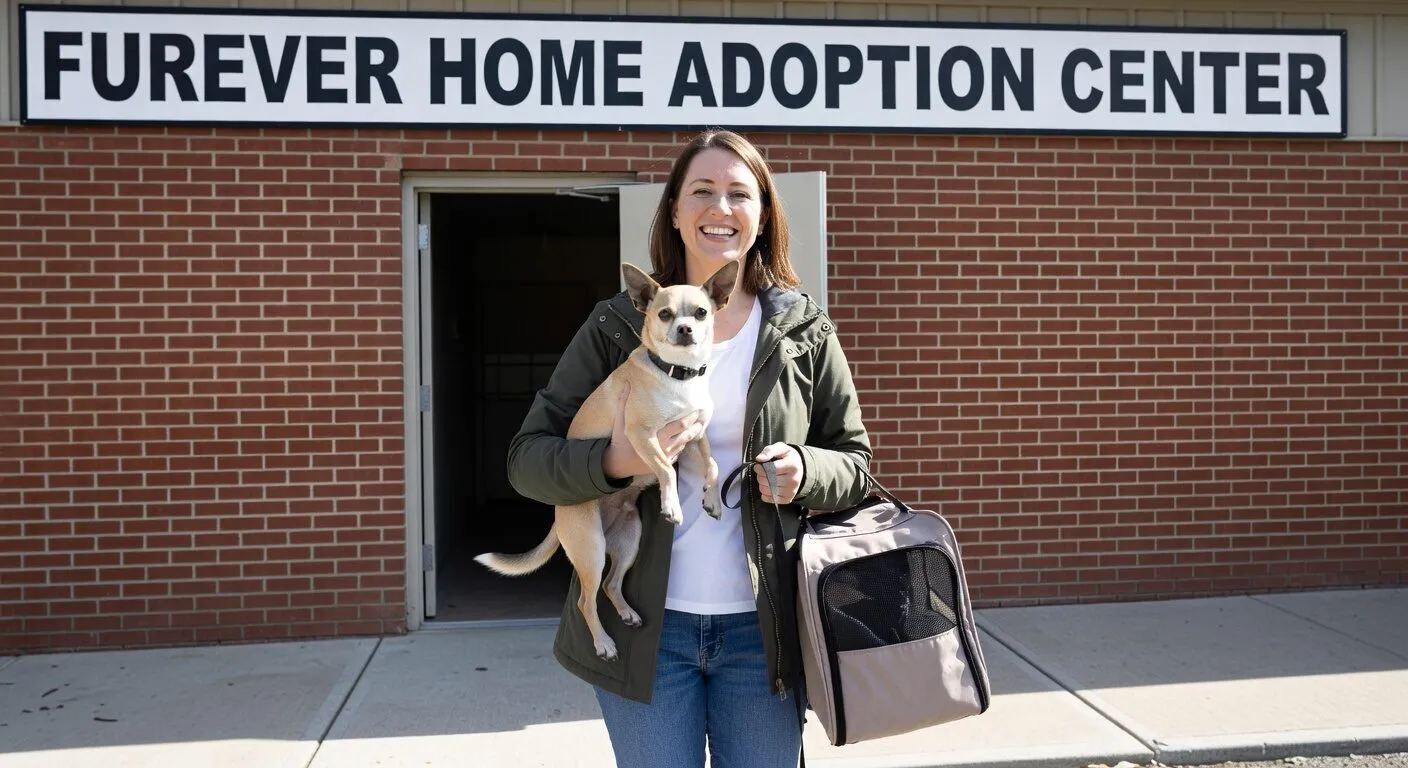

Pepito spent fourteen months in a shelter. Fourteen months in a kennel meant for temporary stays, watching other dogs get adopted while he stayed behind. He was not a puppy. He was not fluffy. He was a seven-year-old chihuahua with bad teeth, a slight limp from an old injury, and a disposition that the shelter staff described, charitably, as “selective about his people.” Translation: Pepito bit two potential adopters during meet-and-greets and growled at a third. He was not making this easy on anyone, least of all himself. Regarding pepito chihuahua adoption<
Why Senior Chihuahuas Get Overlooked
Shelters are full of chihuahuas. They are one of the most surrendered breeds in the country, and senior chihuahuas with behavioral issues sit at the bottom of every adoption list. People want puppies. They want friendly, tail-wagging, instant-bond dogs. They do not want a seven-year-old who bares his teeth when you reach for him too fast. I understand the instinct. But those overlooked dogs are often the ones who need homes the most.
Pepito’s story was not unusual. He had been surrendered by an owner who could no longer care for him, which is shelter language that covers everything from financial hardship to lifestyle changes to simply not wanting the dog anymore. He arrived at the shelter scared, confused, and deeply mistrustful of anyone who was not the person who left him there.
Related: common Chihuahua health issues.
The Woman Who Saw Past the Teeth
Her name was Marie, and she had adopted senior dogs before. She knew what she was getting into. When the shelter warned her about Pepito’s behavior, she said she expected as much from a scared chihuahua who had been in a kennel for over a year. She asked to sit with him in the meet-and-greet room without trying to touch him. Just sit. Just be in the same space.
Pepito spent the first fifteen minutes pressed against the far wall, watching her. Marie sat on the floor, ignoring him completely, scrolling through her phone. After about twenty minutes, Pepito walked to the center of the room. After thirty, he sniffed her shoe. After forty-five, he sat down about two feet away from her and sighed. Marie said that sigh was the moment she knew he was coming home with her.
She signed the adoption papers that afternoon. The shelter staff gave her a look that said “good luck” and “thank you” in equal measure. com/foster-to-adopt-why-fostering-a-chihuahua-might-change-your-life/” title=”How to Get Started and What to Expect”>How to Get Started and What to Expect.
Marie followed the same approach she had used in the shelter. She existed near Pepito without demanding anything from him. She spoke softly. She moved slowly. She put his food down and walked away. She let him come to her instead of going to him. It was boring, slow, and unglamorous work that looked like nothing was happening.
The Breakthrough
Three weeks after adoption, Marie was sitting on the couch watching television when she felt something warm press against her leg. She looked down. Pepito had climbed onto the couch for the first time and was leaning his body against her thigh. Not looking at her. Not asking for anything. Just leaning. Marie did not move. She barely breathed. And then Pepito exhaled, closed his eyes, and fell asleep against her. com/the-chihuahua-who-chased-a-coyote-out-of-a-backyard-and-became-a-neighborhood-legend/” title=”The Chihuahua Who Chased a Coyote Out of a Backyard”>The Chihuahua Who Chased a Coyote Out of a Backyard.
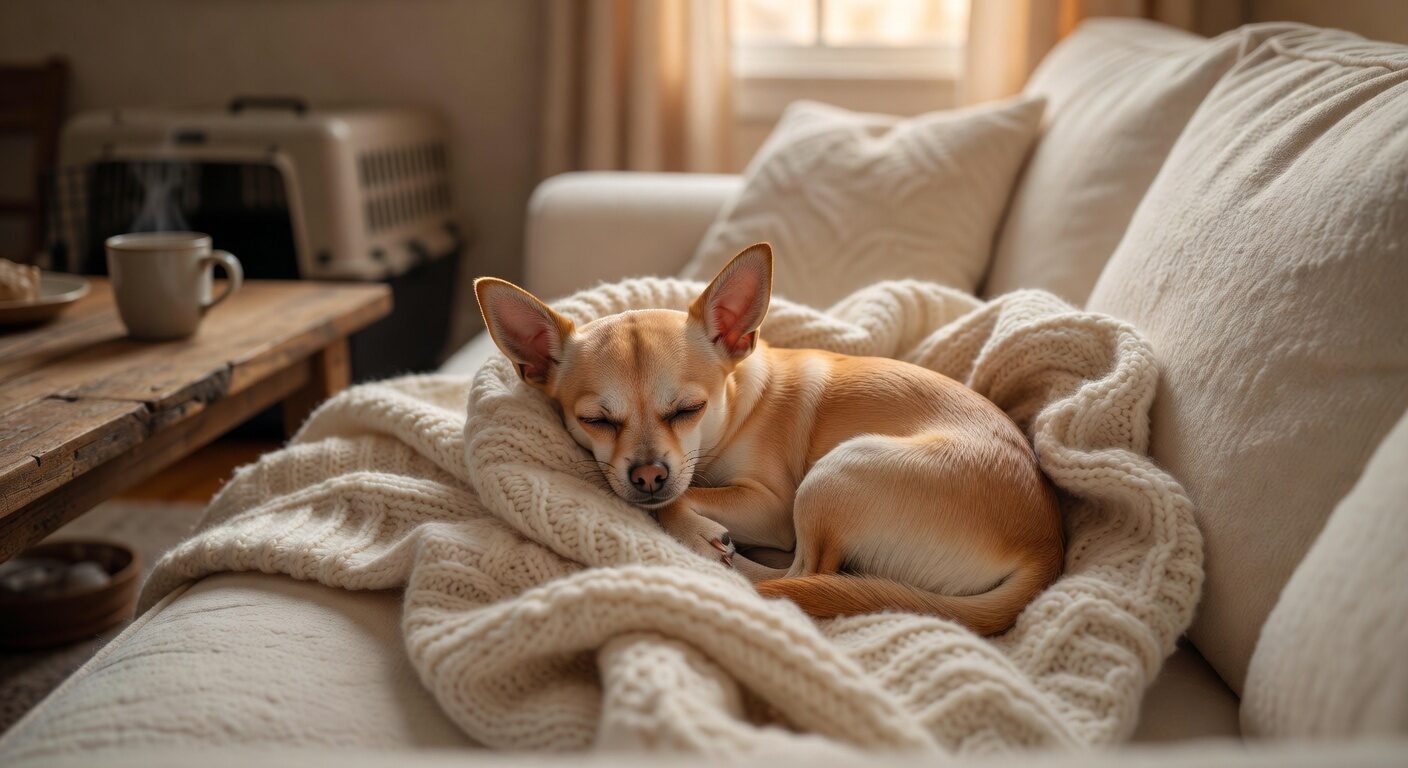
She told me later that she sat perfectly still for two hours rather than disturb him. Her leg went numb. She did not care.
Pepito Today
Pepito is nine now. His teeth were fixed, his limp turned out to be arthritis that is managed with medication, and his disposition has upgraded from “selective” to “cautiously friendly.” He still does not like strangers reaching for him. He probably never will. But he follows Marie from room to room, sleeps on her pillow, and does a full-body wiggle when she comes home from work that is the chihuahua equivalent of a standing ovation.
Adopting a senior chihuahua is not for everyone. It requires patience, realistic expectations, and the understanding that you might not get the “perfect” dog right away. But what you get instead is something better. You get to watch a dog who had given up learn to trust again. You get to be the person who proves that not everyone leaves. And you get a companion who knows, on a level that puppies simply cannot, exactly how much a safe home means. You might also find Why So Many Chihuahuas End Up in worth reading.
Pepito spent fourteen months waiting. Marie drove to the shelter on a Tuesday and changed his entire life. Every shelter chihuahua is waiting for their Tuesday. Some of them are running out of time.
For more expert guidance, see Wag Chihuahua Breed Profile.
The Adjustment Period Nobody Talks About
Adoption stories tend to focus on the rescue and the happy ending, but there is a middle chapter that is messy and difficult and rarely gets the same attention. When a chihuahua like Pepito comes into a new home after spending time in a shelter or rescue, the adjustment period can be rocky in ways that catch new owners completely off guard. The first two weeks are often called the “shutdown” period, where the dog is quiet, compliant, and seems perfectly well-adjusted. Then, around week three, the real personality emerges along with all the behavioral baggage the dog has been holding back.
I have seen this pattern with every rescue chihuahua I have been involved with, including my own. The first week she was an angel. By week three she was guarding resources, barking at every sound, and refusing to let anyone but me touch her. This was not a failure of adoption or a sign that something was wrong with the dog. It was the normal process of a chihuahua learning to trust a new environment and testing the boundaries of her new life. The owners who make it through this adjustment period with patience and consistency end up with the most loyal, bonded dogs you will ever meet. The ones who give up during this phase and return the dog to the shelter are unknowingly quitting right before the breakthrough.
Why Chihuahuas End Up in Rescue So Often
Chihuahuas are consistently among the most common breeds found in shelters across the country, and the reasons behind this are worth examining because they reveal a lot about how we fail small dogs as a society. Many chihuahuas enter the shelter system because they were purchased on impulse by people who were charmed by their tiny size but unprepared for their big personalities. A chihuahua is not a passive, easy pet. They are opinionated, vocal, and demanding of attention and structure. When the reality of living with a chihuahua does not match the expectation, the dog ends up surrendered.
Behavioral issues that stem from lack of training are another major driver. Because chihuahuas are small, their bad behavior is often tolerated until it becomes unbearable. An owner who would have addressed resource guarding in a large dog ignores it in a chihuahua because it seems less dangerous. By the time the behavior has escalated to biting, the owner is done and the dog ends up at the shelter with a bite history that makes adoption harder. Every one of these situations was preventable with proper training and realistic expectations from the beginning, which is why stories like Pepito’s matter. They show what is possible when a dog gets a second chance with an owner who is willing to put in the work.
For more detailed guidance on this topic, the ASPCA offers excellent resources backed by veterinary professionals.
I have been through this with my own chihuahua. It is one of those things that looks simple on paper but gets complicated fast when you are actually dealing with a four-pound dog who has opinions about evThe truth about pepito chihuahua adoption is that there is no single right answer. What works for one chihuahua might be completely wrong for another. Mine took weeks to adjust. Some dogs figure it out in days. The size of your chihuahua matters. Their age matters. Their personality matters most of all.ters most of all.
Here is what I wish someone had told me earlier. Start small. Do not try to change everything at once. Chihuahuas are stubborn but they are also sensitive. Push too hard and they shut down. Go too slow and nothing changes. The sweet spot is somewhere in the middle and you have to find it yourself.
I talked to other chihuahua owners about pepito chihuahua adoption and heard the same thing over and over. Patience. Consistency. And a willingness to look a little silly in public because chihuahuas do not care about your dignity.
If you are just getting started with pepito chihuahua adoption, give yourself grace. You will make mistakes. Your chihuahua will make more of them. That is the whole process. And honestly, once you get through the hard part, it is worth it.
Understanding pepito chihuahua adoption starts with recognizing the specific needs and behaviors of the breed. Chihuahuas are unique in their sensitivity, size, and temperament, and what works for larger breeds often needs adjustment for these tiny dogs.
Living with a chihuahua means adapting to their personality and physical requirements. This affects everything from your schedule to your home environment, and being prepared makes a significant difference in both your quality of life and your dog’s.
If you notice persistent changes in your chihuahua’s behavior, appetite, energy level, or physical condition related to pepito chihuahua adoption, schedule a vet visit. Early intervention is always better than waiting, especially with a breed as small as a chihuahua.
What should every owner know about pepito chihuahua adoption?
Understanding pepito chihuahua adoption starts with recognizing the specific needs and behaviors of the breed. Chihuahuas are unique in their sensitivity, size, and temperament, and what works for larger breeds often needs adjustment for these tiny dogs.
How does pepito chihuahua adoption affect daily life?
Living with a chihuahua means adapting to their personality and physical requirements. This affects everything from your schedule to your home environment, and being prepared makes a significant difference in both your quality of life and your dog’s.
When should I talk to a vet about pepito chihuahua adoption?
If you notice persistent changes in your chihuahua’s behavior, appetite, energy level, or physical condition related to pepito chihuahua adoption, schedule a vet visit. Early intervention is always better than waiting, especially with a breed as small as a chihuahua.