Potty training a chihuahua is a project in any home. In an apartment, with no back door to fling open and a small dog whose bladder is exactly as small as the rest of it, it takes a plan. The good news is that apartment potty training works well once you settle on a system and stay consistent. The catch is that consistency is the entire game, and chihuahuas will find every crack in it.
Here is how to set a small dog up to succeed several floors above the nearest patch of grass.
Quick answer: You can train a chihuahua to go indoors, and puppy pads, artificial-grass patches, real-grass trays, and dog litter all work. Choose one system, keep it in a fixed location, reward the dog immediately after it goes, and stay consistent. Puppies may need to go every couple of hours and adults still cannot hold it as long as large dogs, so plan trips after waking, eating, drinking, and play. Accidents in a trained dog usually mean a moved station, incomplete cleaning, or too much unsupervised freedom too soon.
Start with realistic expectations
Small dogs have small bladders, and puppies smaller still. A young chihuahua may need to go every couple of hours, and even an adult often cannot hold it as long as a big dog. That is normal anatomy, not stubbornness. If your dog suddenly needs to urinate far more often than usual, strains to go, or starts having accidents after being reliably trained, that is different, and it is worth a call to your veterinarian, because urinary tract infections and bladder stones are common and treatable.
Pick one indoor system and commit
The core decision is whether the dog will always go outside or will have an indoor option. In an apartment, most owners are happiest with an indoor station as the primary toilet or a reliable backup. The main choices break down like this:
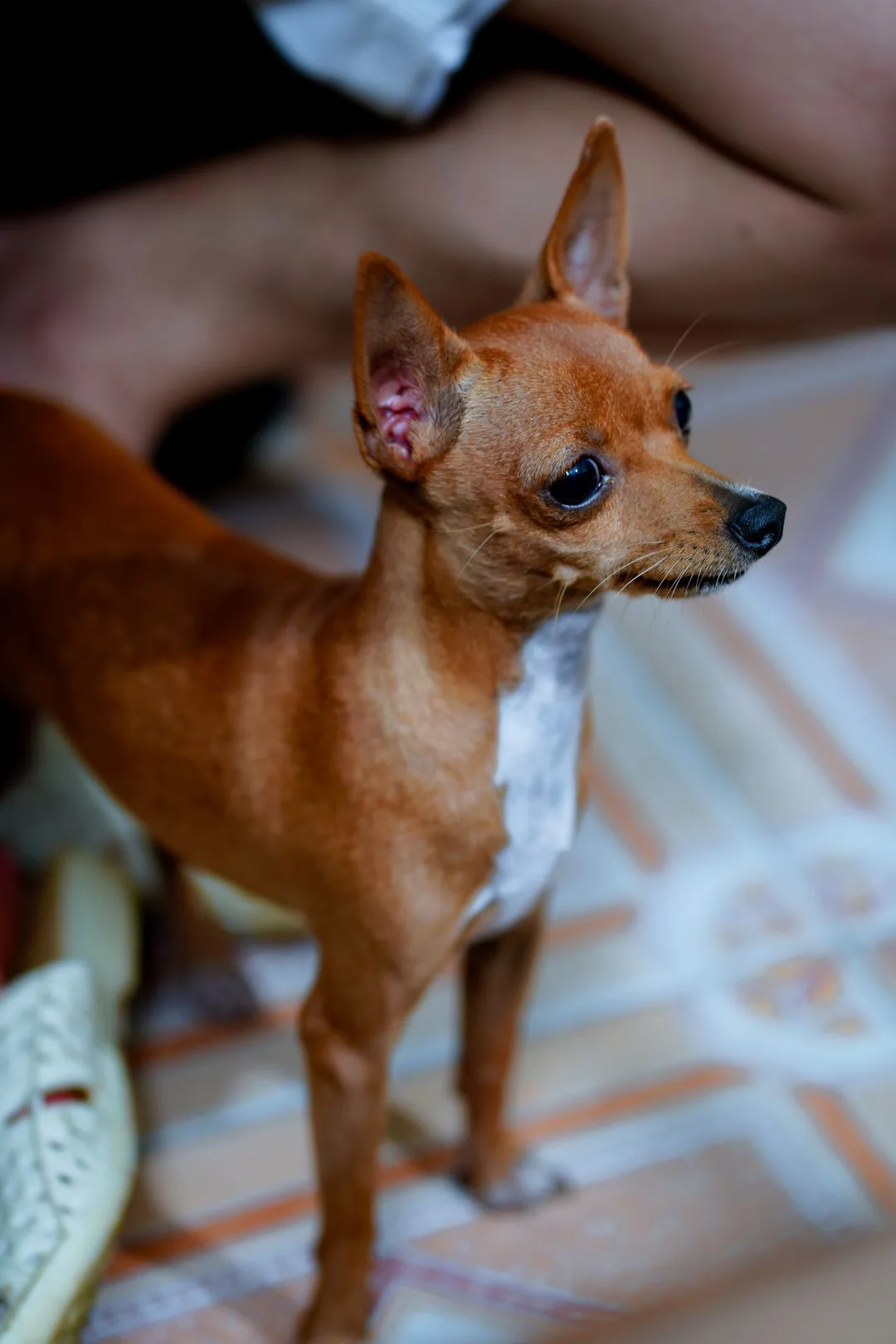
Puppy pads are cheap and simple, though some dogs shred them and some owners never quite phase them out. Artificial-grass patches sit in a tray and feel more like the real thing, which can make an eventual move to outdoors easier. Real-grass delivery boxes are just that, a tray of living sod refreshed on a schedule, and many small dogs take to them at once. Dog litter in a low tray suits some. There is no single right answer; the right one is the system you will actually keep clean and in the same spot every day.
Location matters more than you think
Put the station somewhere the dog can always reach, away from food and the bed, and do not move it once training is underway. A chihuahua learns the map, not the concept, in the early weeks. Many apartments use a small tiled area, a balcony corner, or a bathroom. A predictable indoor setup is also part of keeping a chihuahua content indoors in general.
Run a schedule the dog can predict
Take the dog to the station, or outside, at the moments it is most likely to need to go: right after waking, within a few minutes of eating or drinking, after play, and before bed. Reward the instant it finishes, not when it comes back to you. Chihuahuas are quick studies for anything involving food, and a treat delivered on the spot teaches the lesson faster than any amount of correction. Keeping the rest of the daily routine steady helps the potty schedule lock into place.
Confinement is a kindness, not a punishment
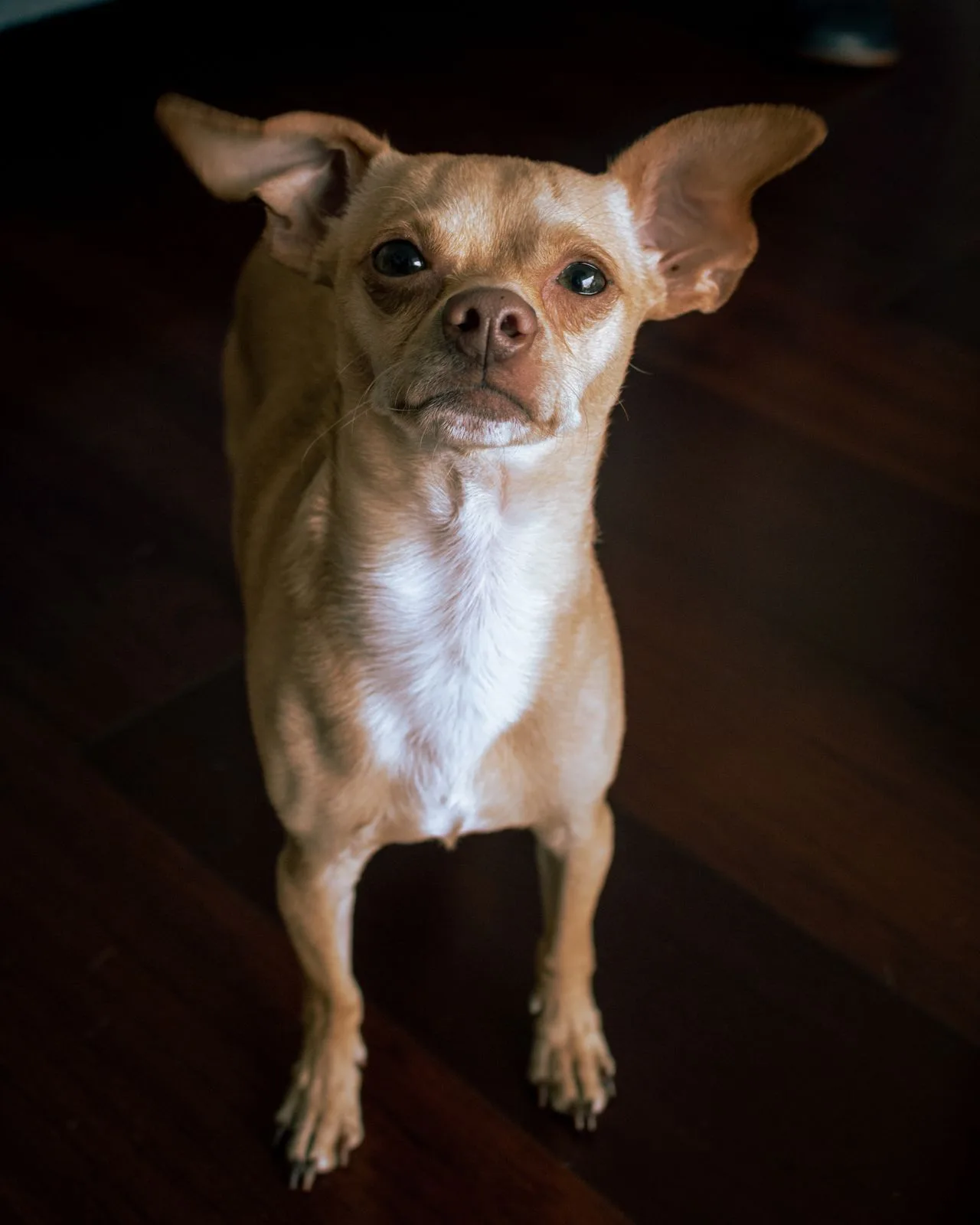
When you cannot watch the dog, a crate or a small pen near the station prevents the quiet accident behind the couch that sets training back a week. Dogs avoid soiling where they sleep, so an appropriately sized space encourages them to hold it until you take them to the right place. Give a bored, confined dog something to do, and you also head off the apartment barking that boredom feeds.
Clean accidents like they never happened
When an accident happens, and it will, the enemy is the scent. A regular household cleaner leaves an odor the dog can still detect, which marks the spot as a toilet in its mind. Use an enzyme cleaner made for pet messes, which breaks the odor down rather than masking it. Never scold a dog for a mess you find after the fact; it cannot connect the punishment to the act, and with an anxious small dog it can make things worse. Calm consistency wins this one.
Frequently asked questions
Can you potty train a chihuahua to go indoors?
Yes. Puppy pads, artificial-grass patches, real-grass trays, and dog litter all work. Choose one system, keep it in a fixed location, reward the dog immediately after it goes, and stay consistent. Many apartment owners keep an indoor station as a reliable backup even when the dog also goes outside.
How often does a chihuahua need to pee?
Often. Puppies may need to go every couple of hours, and adults still cannot hold it as long as large dogs. Plan trips after waking, eating, drinking, and play. A sudden increase in frequency or straining warrants a call to your veterinarian.
Why does my apartment-trained chihuahua keep having accidents?
Common causes are an inconsistent schedule, a station that moved, incomplete cleaning that leaves a scent, or too much unsupervised freedom too soon. A sudden change in a previously trained dog can also signal a medical issue, so rule that out with your veterinarian.
Are male chihuahuas harder to train because of marking?
Marking is a separate behavior from needing to eliminate, and some intact males mark indoors. Neutering, consistent training, and cleaning marked spots thoroughly with an enzyme cleaner all help. Ask your veterinarian about timing if marking is the main problem.
