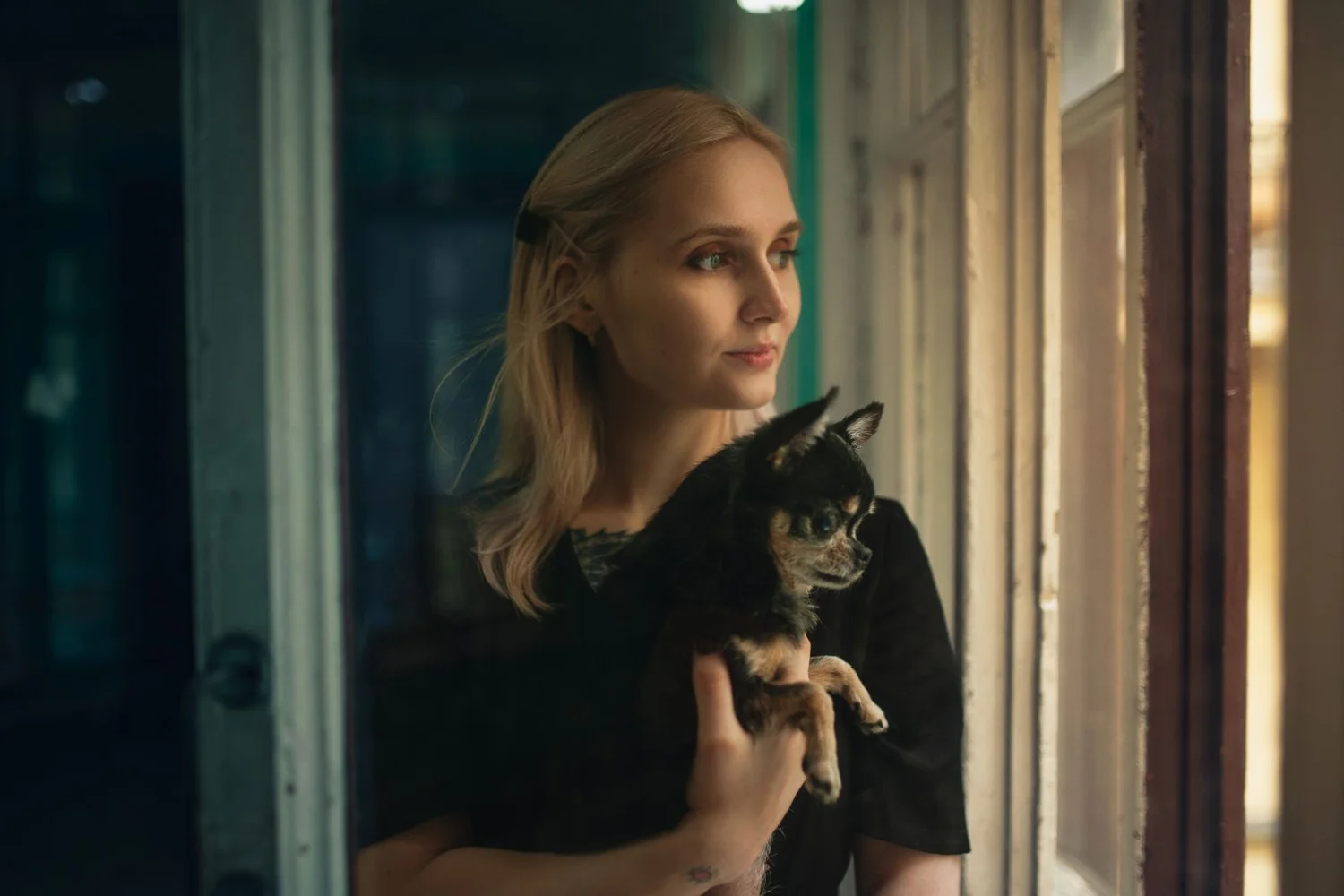
It didn't take long for Rosa to become my shadow; about a week after she came home from the rescue. She followed me from the kitchen to the couch to the bathroom door, where she would wait, chin on paws, as if I might slip out a window if she blinked. If you share your life with a chihuahua, you know this dog. She is called a velcro dog, and she is doing precisely what her breed was built to do.
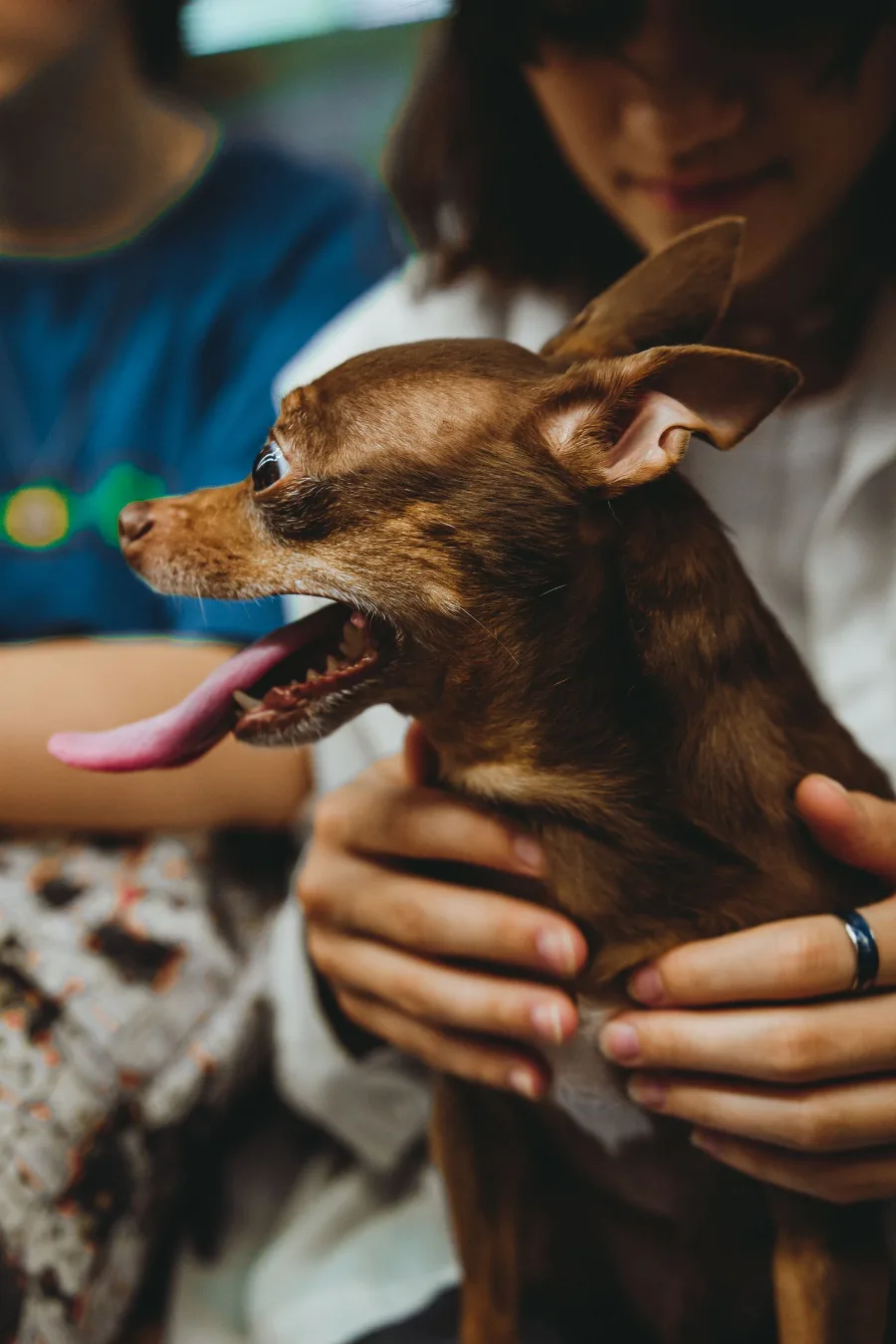
Chihuahuas were never bred to herd or hunt or guard. They descend from the Techichi, a small companion dog of ancient Mexico, and their entire job, for centuries, has been you. The American Kennel Club describes a breed that bonds deeply, often to one favored person, and follows that person from room to room. The clinginess is not a defect. It is the factory setting.
Quick answer: Chihuahuas follow their person from room to room because that is what the breed was built to do, and clinginess by itself is normal rather than a disorder. The line to watch is what happens when you leave: a clingy dog settles once you are gone, while separation anxiety means panic only when alone, with nonstop vocalizing, destruction, or accidents. Keep routine alone-time under about six to eight hours, and build independence by rewarding calm settling and practising short absences.
What a velcro dog actually is
The signs are familiar to anyone who has lived with one. The dog on your feet while you cook. The dog burrowed against your leg on the couch. The small face appearing around the bathroom door. The insistence on the lap, always the lap, which is warm and elevated and, not incidentally, the best seat for keeping an eye on you. Most of this is normal, healthy attachment, and most of it is a gift. A dog this devoted is a rare kind of company.
The honest part is that the same wiring that makes a chihuahua such a loyal companion can tip, in some dogs, into genuine distress when you leave. Telling the difference between the two is the single most useful thing an owner can learn, so let's take it seriously.
How much company does a chihuahua actually need?
More than a lot of modern schedules allow, if we are being truthful. Dogs are deeply social animals, and veterinary behaviorists generally advise that a dog should not routinely be left alone for a full workday without a break. The AKC's guidance, drawing on veterinary behaviorists, lands around a ceiling of six to eight hours alone for a healthy adult, with a bare minimum of about two hours of real social interaction spread across the day. For a companion breed like this one, built for closeness, the low end of that is kinder.
None of this means you cannot hold a job and a chihuahua at the same time; millions of us do. It means you build the day around the dog's real needs: a midday walk from a neighbor or a walker, a food puzzle to work while you are gone, enrichment to fill the hours, and full, unhurried company when you are home. The guilt many of us carry about leaving is not irrational. It is just information, and information is workable.

The line that matters: clingy or anxious?
Here is the distinction, and it is not a fine one. A velcro dog follows you around and is otherwise fine; a dog with separation anxiety panics when you are gone. Separation anxiety is a real clinical disorder, and both the ASPCA and VCA describe the same hallmarks: distress that starts the moment you pick up your keys or shoes, then, once you are out the door, nonstop barking or howling, destruction aimed at doors and windows, house-soiling in a dog who is otherwise reliable, drooling, pacing, and sometimes frantic attempts to escape that can injure the dog.
The diagnostic key, the thing to hold onto, is this: it only points to separation anxiety if it happens when the dog is alone and gets worse the longer you are gone. A dog who shadows you all day but settles quietly when you leave is not anxious. He is just yours. If the behavior also shows up while you are home, the cause is usually something else, and that is a conversation for your veterinarian.
Building a little independence, gently
Whether your dog is simply attached or edging toward anxious, the same calm work helps, and none of it involves pushing the dog away. VCA's behavior guidance is consistent and humane: reward the dog for settling on his own, rather than only ever rewarding the following; teach him to be comfortable in another room behind a baby gate with a stuffed food toy; desensitize the departure cues by picking up your keys and then not leaving, over and over, until they stop meaning anything; and keep your comings and goings low-key, no tearful goodbyes, no ecstatic reunions. A walk before you leave helps too, because a tired dog rests more easily. The wider puppy-and-owner groundwork sits in what owners wish they knew before getting a chihuahua.
Two honest cautions. First, resist the urge to carry a chihuahua everywhere. Research on small dogs associates being carried and under-socialized with more fearfulness, not less; letting the dog walk the world on its own four feet builds the confidence that eases neediness. Second, a second dog is not a reliable cure for separation anxiety.
As VCA notes, an anxious dog is attached to a person, not to the idea of canine company, so a new dog often just gives you two dogs. If the hours alone are the real problem, fill them with enrichment, which is exactly what our guide to keeping a chihuahua happy indoors is for.

When to bring in help
If what you are seeing is true panic, the frantic barking, the chewed door frame, the puddle by the entryway from a housetrained dog, that is not a training-tips problem, and it is not something to muscle through with willpower. Real separation anxiety is best worked through with your veterinarian and, often, a board-certified veterinary behaviorist.
There are humane, effective plans for it, and sometimes medication is part of the picture, but that is a decision for your veterinarian, not a blog. And if a previously independent dog turns suddenly, unusually clingy, have that checked too. New neediness can be an early flag for pain or, in an older dog, cognitive decline. That overlaps with the barking that anxiety can drive, which we untangle in chihuahua barking: causes and training solutions. Living at ankle depth has consequences, and the aftermath of standing on a shadow is familiar in every velcro-dog household.
Frequently asked questions
Is my chihuahua just clingy, or does it have separation anxiety?
Watch what happens when you actually leave. A clingy dog follows you around the house but settles when you go; a dog with separation anxiety panics only when alone, with nonstop vocalizing, destruction, or accidents that start as you prepare to leave and worsen the longer you are gone. Following you is normal. Panic in your absence is the one to raise with your veterinarian.
Can I leave a chihuahua alone all day while I work?
A full workday with no break is more than this breed should routinely handle. Aim to keep alone-time under about six to eight hours, arrange a midday walk or drop-in, leave enrichment, and give real company at night. Puppies and seniors need more frequent breaks than that.
Should I get a second dog to keep my chihuahua company?
Maybe, if you genuinely want two dogs, but not as a fix for separation anxiety. That kind of anxiety is about attachment to you, so a second dog usually does not resolve it and can simply double the workload. Address the real gap, which is usually company and stimulation during the day.
How do I make my chihuahua more independent?
Gently and gradually. Reward calm settling, build up short absences a few minutes at a time, use a food puzzle when you leave, keep departures and arrivals boring, and let the dog walk and explore on its own rather than being carried everywhere. The goal is a dog that trusts you will come back, not a dog that stops loving your company.
The gift of a shadow
Rosa still meets me at the door, still claims the lap, still supervises my every trip to the kitchen. I have stopped thinking of it as a problem to solve and started thinking of it as the deal I signed. A chihuahua gives you a devotion most dogs cannot, and asks, in return, that you not treat a full day of solitude as normal. Meet that halfway, watch for the difference between a dog who follows and a dog who panics, and you will have the most loyal company of your life. Goodness, do I ever recommend it.
