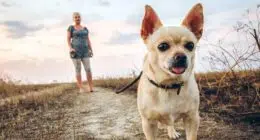
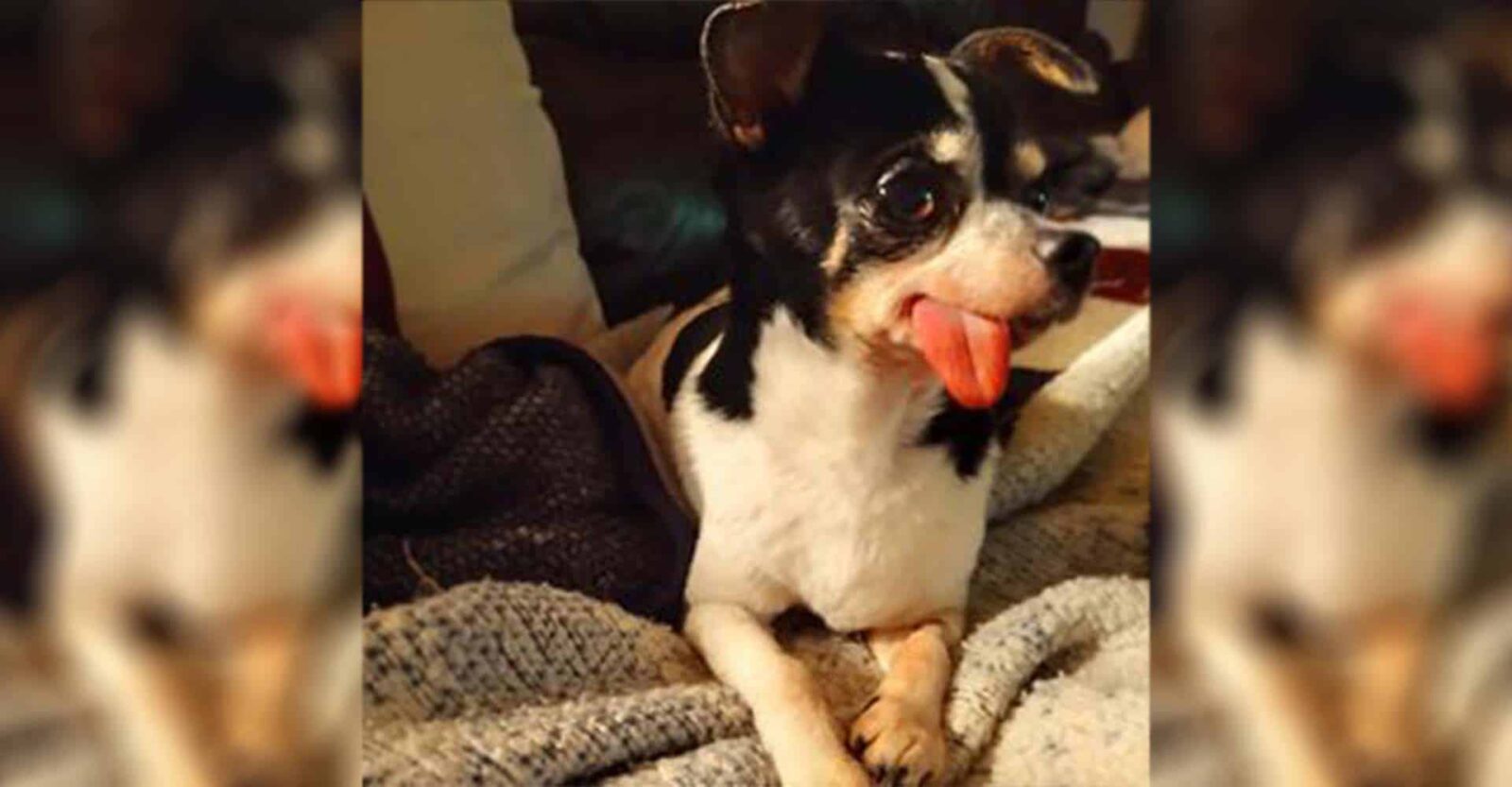

He was fifteen years old when his family decided they did not want him anymore.
No illness. No behavioral crisis. No dramatic reason that might make the decision understandable. They simply no longer wanted him. So they brought him to a shelter and left.
A fifteen-year-old Chihuahua. Surrendered like a piece of furniture that no longer matched the living room.
Piedmont Animal Rescue Steps In
He arrived at Piedmont Animal Rescue in North Carolina in the way most senior surrenders do: confused, disoriented, and looking for familiar faces that were not coming back.
Rescue organizations see this more often than most people realize. Senior dogs are surrendered for reasons that range from heartbreaking to infuriating: a new baby, a move, allergies, boredom, or — in this case — no reason that anyone bothered to explain.
Piedmont took him in without hesitation. They provided veterinary care, a warm bed, and the kind of patient, unhurried attention that senior dogs need. They did not care that he was old. They cared that he was alive and needed help.
Why Senior Chihuahuas Deserve Better
There is a particular cruelty in surrendering a senior dog. A young dog in a shelter has time. A puppy will be adopted within days. But a fifteen-year-old Chihuahua sitting in a kennel? Most people walk right past.
Senior dogs are the hardest to place and the most in need of placement. They are often the gentlest, the most grateful, and the most low-maintenance — they have already outgrown the chewing, the hyperactivity, and the house-training battles. What they need is simple: a warm lap, a quiet home, and someone who will not leave.
Senior Chihuahuas have an advantage most older dogs do not: longevity. The breed regularly lives to 16, 18, even 20 years. A fifteen-year-old Chihuahua is not a dog at the end of his life. He is a dog who could easily have three to five good years left. Years of naps, belly rubs, and the kind of deep, quiet companionship that only an old dog can offer.
What Happens to Surrendered Senior Dogs
The statistics are not kind. Senior dogs in shelters have significantly lower adoption rates than younger dogs. Many spend months waiting. Some never find homes at all.
But rescue organizations like Piedmont change those numbers. They pull senior dogs from shelters, provide the medical care that many older animals need, and connect them with foster homes and adopters who specifically want a calm, mature companion.
If you are considering adopting a senior Chihuahua, here is what to expect:
- Lower energy, deeper bond. Senior Chihuahuas are past the puppy chaos. They want to be near you, not destroy your shoes.
- Possible medical needs. Older dogs may need dental work, joint supplements, or regular vet checkups. Budget accordingly, but know that many seniors are healthier than people assume.
- Instant gratitude. There is something about adopting a dog who has been abandoned that creates an immediate, almost overwhelming bond. They know what they lost. They know what you gave them.
- Less training required. Most senior dogs are already house-trained, leash-trained, and past the phase where everything is a chew toy.
Every Dog Deserves to Be Wanted at the End
This Chihuahua spent fifteen years with a family. He gave them his entire life — every year from puppyhood to old age, every morning greeting, every evening nap on the couch. And when he was old and gray, they returned him like a library book they had finished reading.
Piedmont Animal Rescue looked at a fifteen-year-old dog that someone else had thrown away and saw exactly what he was: a good dog who deserved a good ending.
That is what rescue does. It does not just save lives. It corrects the record. It says: you are not disposable. You are not too old. You are not unwanted. Someone will always show up for you.
Interested in adopting a senior Chihuahua? Learn about what to consider before adopting or read Pepito’s adoption journey for inspiration.