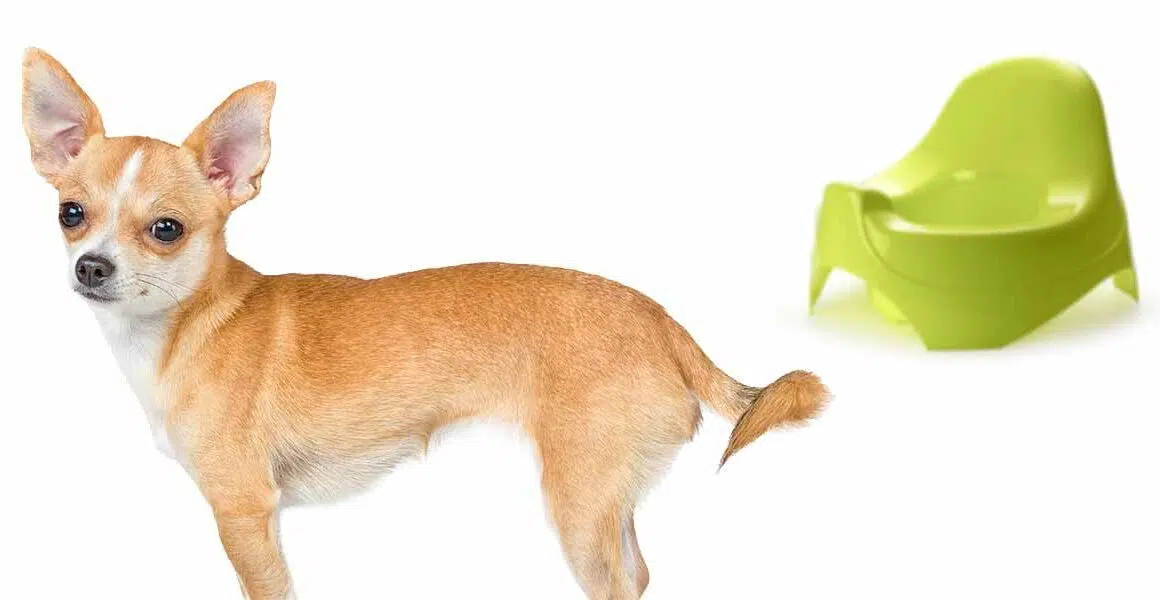


Why does crate training work for a chihuahua, and how do you do it without the dog learning that the crate is a punishment? In one sentence: the crate is a small den, and dogs, including small dogs, find calm secure dens reinforcing when the den is associated with positive experiences. The protocol takes two to four weeks of consistent practice and, done correctly, produces a dog who voluntarily uses the crate for the rest of her life.
I am going to walk through why the crate matters, the protocol in practice, and the common mistakes I see in the chihuahua puppies in my caseload.
Why the crate actually helps
A few specific functions a crate serves in a chihuahua's life:
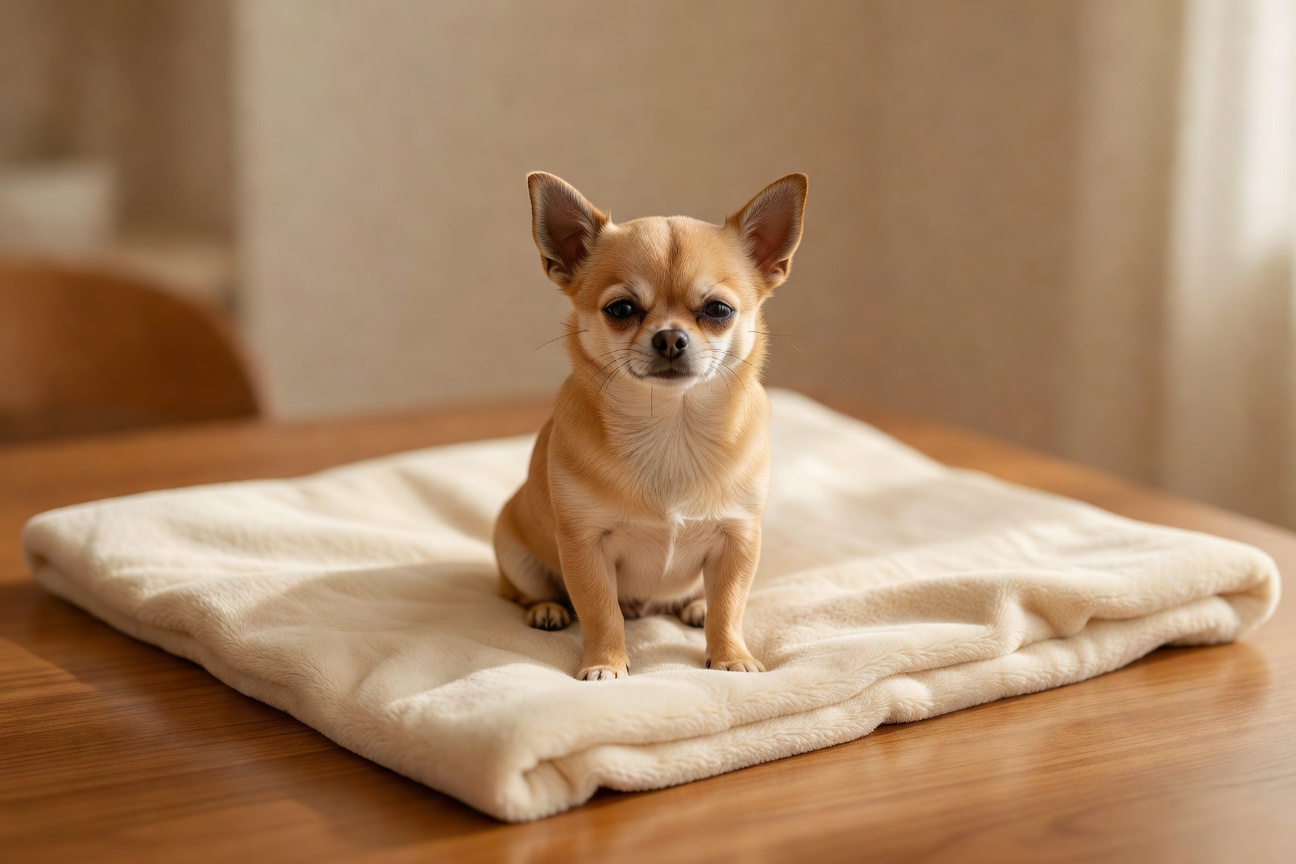
- Sleep. A small enclosed space promotes deeper sleep than an open room, especially in puppies and seniors.
- Potty training. Dogs avoid soiling their den; the crate supports the schedule. The potty plan uses the crate as a structural element.
- Travel. A crate-trained dog rides in the car, flies, and visits the vet without additional stress.
- Separation absorption. A dog who is comfortable alone in a crate handles short absences better than a dog with full house access. A separate piece on attachment covers the related dynamic.
- Safety. A crated dog is not getting into the garbage, the laundry, or the chocolate while you run a quick errand.
The crate is not a punishment. It is, when introduced correctly, a small reinforced space the dog chooses for her own reasons.
The protocol, two to four weeks
I run a four-stage plan with most clients. The pace varies; some dogs move through in ten days, some take a month.
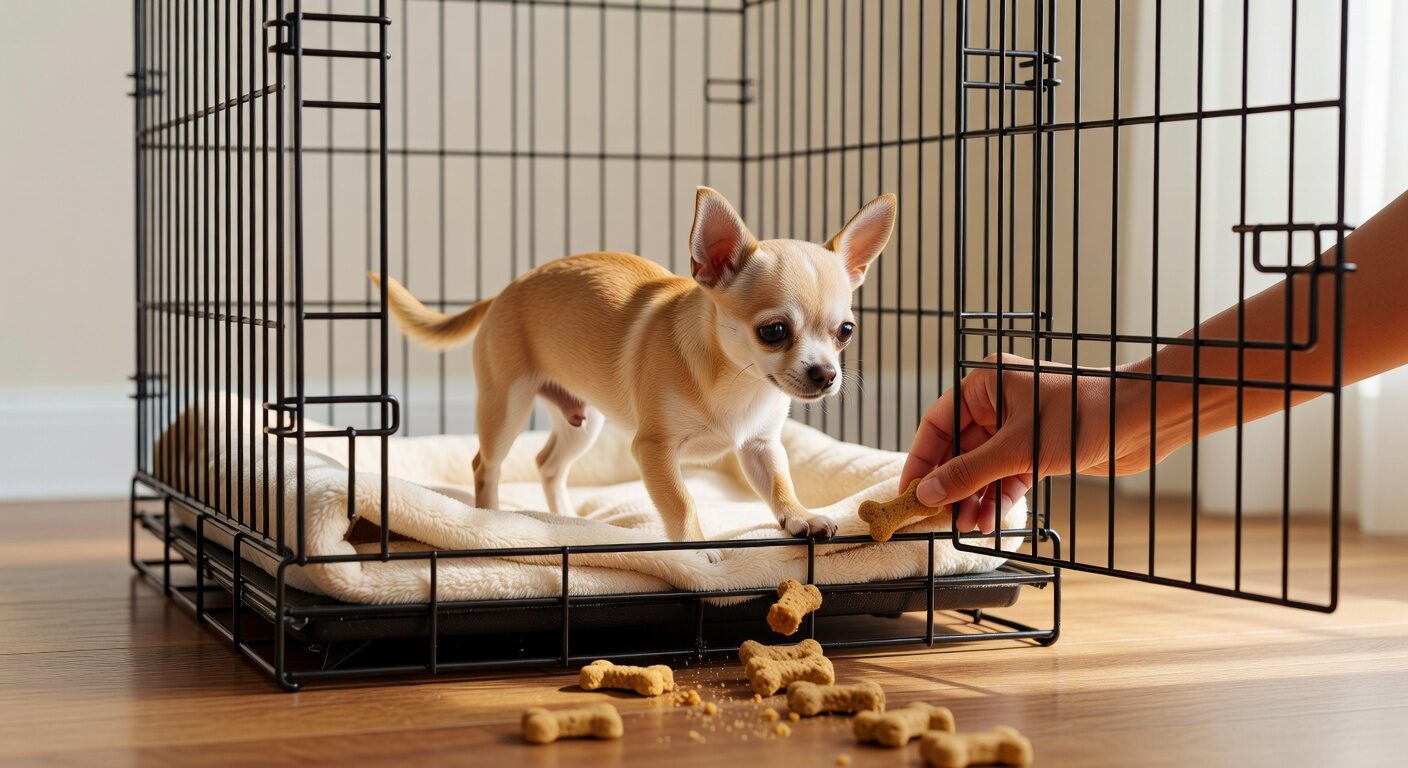
- Stage 1: the crate is in the room, door open. Place the crate where the dog spends time. Toss small treats into it across the day. The dog enters and exits at will. No closed doors, no sessions, no pressure. Run for three to five days.
- Stage 2: meals in the crate, door open. Feed every meal in the open crate, with the dish at the back. The dog walks in to eat, walks out when finished. Run for three to five days.
- Stage 3: the door closes briefly. While the dog is eating, close the door for ten seconds, open it, give a small reward. Build to a minute, then to ten minutes, then to thirty minutes, all while you are visibly nearby. Run for five to seven days.
- Stage 4: short absences. Crate the dog and leave the room for five minutes. Return calmly, no fanfare. Build duration. By the end of week three or four, the dog can be crated calmly for an hour or two, with you out of the house for short trips.
Picking the crate, briefly
A few practical notes:
- Size. Just large enough for the dog to stand, turn, and lie down comfortably. Too large encourages elimination at one end and sleep at the other.
- Type. Wire crates with a soft pad, soft-sided crates for travel, hard plastic crates for cars. The choice depends on what you will use it for; many households end up with two.
- Location. A quiet corner during the day, near your bed at night. Especially for the first month with a puppy, the night-time presence reduces vocalization and improves sleep for both of you.
- Bedding. A soft pad or folded blanket. Avoid loose stuffing in young puppies who chew.
Common mistakes I see in chihuahuas specifically
A few patterns that derail the crate.
- Using the crate as a punishment. Sending a misbehaving dog to the crate teaches the wrong association. The crate is a positive space; corrections happen elsewhere. The AVSAB position on humane training covers the broader principle.
- Letting the dog out when she vocalizes. Reinforces vocalization. Wait for a quiet moment, however brief, then release. Within a few sessions the dog learns that quiet is the cue.
- Skipping the gradual stages. Closing the door for an hour on day one is the most common reason crate training fails. The dog panics; the panic is now the association; the crate becomes hard to recover.
- Crating for too long. An adult dog should not be crated for more than four to six hours during the day; puppies need shorter intervals. If your schedule requires longer, consider a small playpen with the crate inside it.
Overnight, and the puppy adjustment
For puppies, the crate goes next to your bed for at least the first month. The puppy hears your breathing; the puppy is not isolated; the night is calmer. The general puppy plan covers the related schedule.
For adult dogs, the crate placement depends on the dog. Some prefer a quiet corner; some prefer to be near the household's main living space. Watch where the dog chooses to settle when given access to multiple options; that is, often, the right crate location.
One thing to do this week
If you have a chihuahua and have been considering crate training, do the simplest possible thing tonight: place the crate in the living room with the door open and a small treat just inside. Do not call the dog in. Do not close the door. Just put the crate there. By Friday, most dogs have walked in and out a few times of their own accord, and you have started Stage 1 without the dog noticing.
The work is small. The compounding, by month two, is real. A crate-trained chihuahua is a dog who has a small reinforced den for the rest of her life, which she will, in many cases, use voluntarily for the next decade.
Gear That Works backpack
Harness (Not Collar)
A step-in harness is safer and more comfortable.
Lightweight Leash
4–6 feet gives freedom without losing control.
Treat Pouch
Keep rewards accessible and distraction-free.
ID Tag & Microchip
Always be prepared in case of separation.
Trainer Tip: Success on walks starts with reading your Chihuahua's signals and respecting their pace.
Was this guide helpful?
Was this guide helpful? Save the guide. Share it with one other chihuahua owner this week.
favorite