
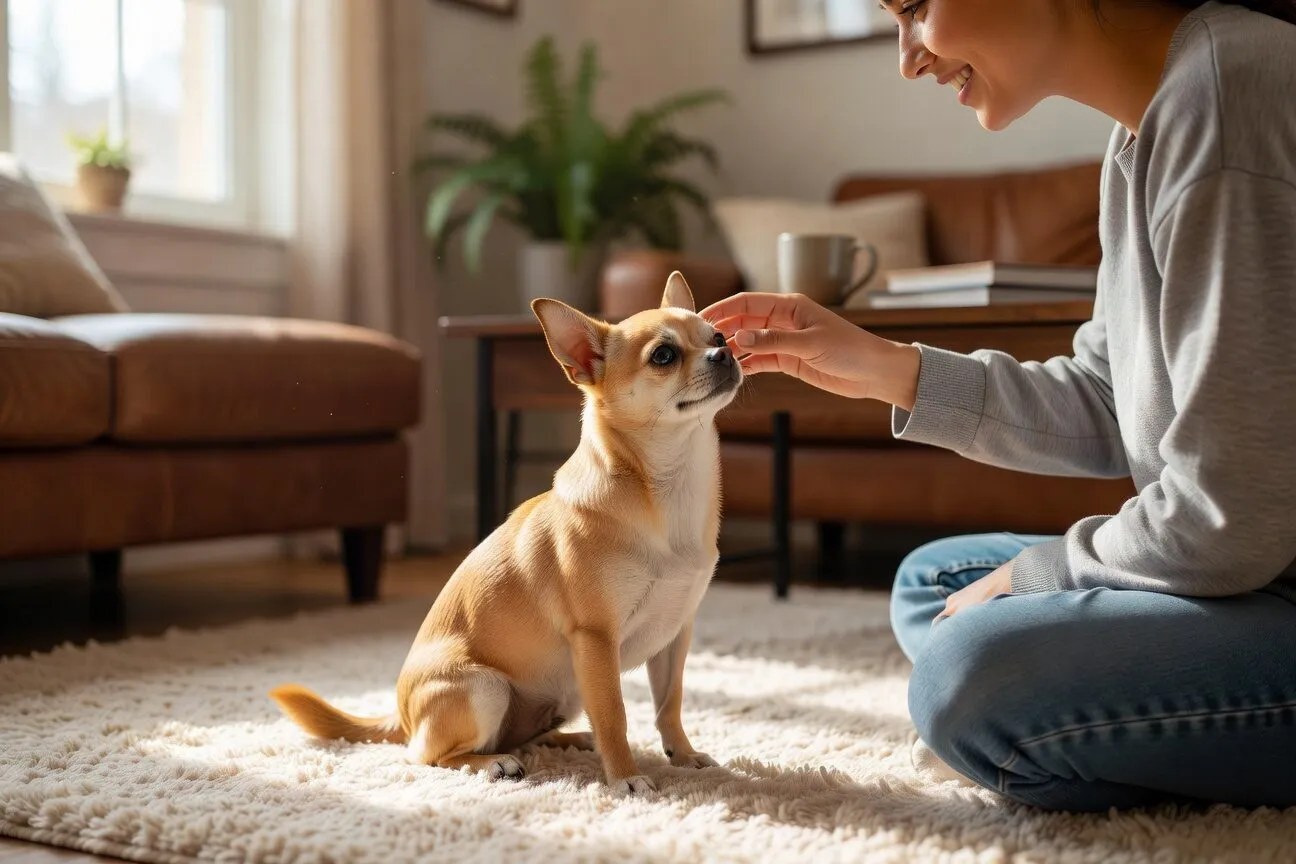

I skipped socializing my chihuahua when she was a puppy. I did not do it on purpose. I just did not know it mattered that much. By the time she was eight months old, she was terrified of strangers, aggressive toward other dogs, and completely unable to handle any situation that deviated from her routine. I spent the next two years fixing what could have been prevented in two months. Socializing your chihuahua is not optional. It is the single most important thing you will do in their first year of life.
The Socialization Window That Closes Fast
The critical period for socializing a chihuahua is between three and fourteen weeks of age. During this window, puppies are naturally curious and open to new experiences. After it closes, unfamiliar things become scary by default. Your chihuahua does not learn to be afraid of strangers. They fail to learn not to be afraid of strangers. That distinction matters because it means the absence of socialization creates the problem.
The AKC’s puppy socialization guide recommends exposing puppies to at least one hundred different people, surfaces, sounds, and environments during this window. For chihuahua owners, that number feels daunting because we are already nervous about our tiny puppy being out in the world. But supervised, gentle exposure is the foundation that prevents a lifetime of anxiety. Socializing your chihuahua early is the best investment you will ever make in their mental health.
How to Start Socializing Your Chihuahua Safely
Start small. Literally. Introduce your chihuahua to one new thing per day. A new person. A different floor surface. The sound of a vacuum cleaner from across the room. A car ride around the block. The goal is not to overwhelm them. The goal is to create a positive association with variety so that new experiences become interesting rather than terrifying.
Carry your chihuahua in a secure carrier to outdoor environments before their vaccinations are complete. They can observe the world from a safe vantage point without touching potentially contaminated ground. Pet-friendly stores are excellent socialization venues because your chihuahua experiences crowds, carts, announcements, and other dogs all in one trip. Keep treats ready and reward calm behavior. Fear responses should be acknowledged but not reinforced, do not pick them up every time they tremble, as this teaches them that trembling gets comfort, which makes the trembling worse. com/walking-your-chihuahua-safely-guide/” title=”Walking Your Chihuahua: A Guide That Goes”>Walking Your Chihuahua: A Guide That Goes.
According to Dogster’s socialization guide, quality matters more than quantity. Ten calm, positive experiences outweigh a hundred stressful ones. Socializing your chihuahua should feel like a series of small wins, not a boot camp. Let your dog set the pace and never force an interaction they are clearly uncomfortable with. For more on reading their comfort level, see our body language guide.
Socializing an Adult Chihuahua Who Missed the Window
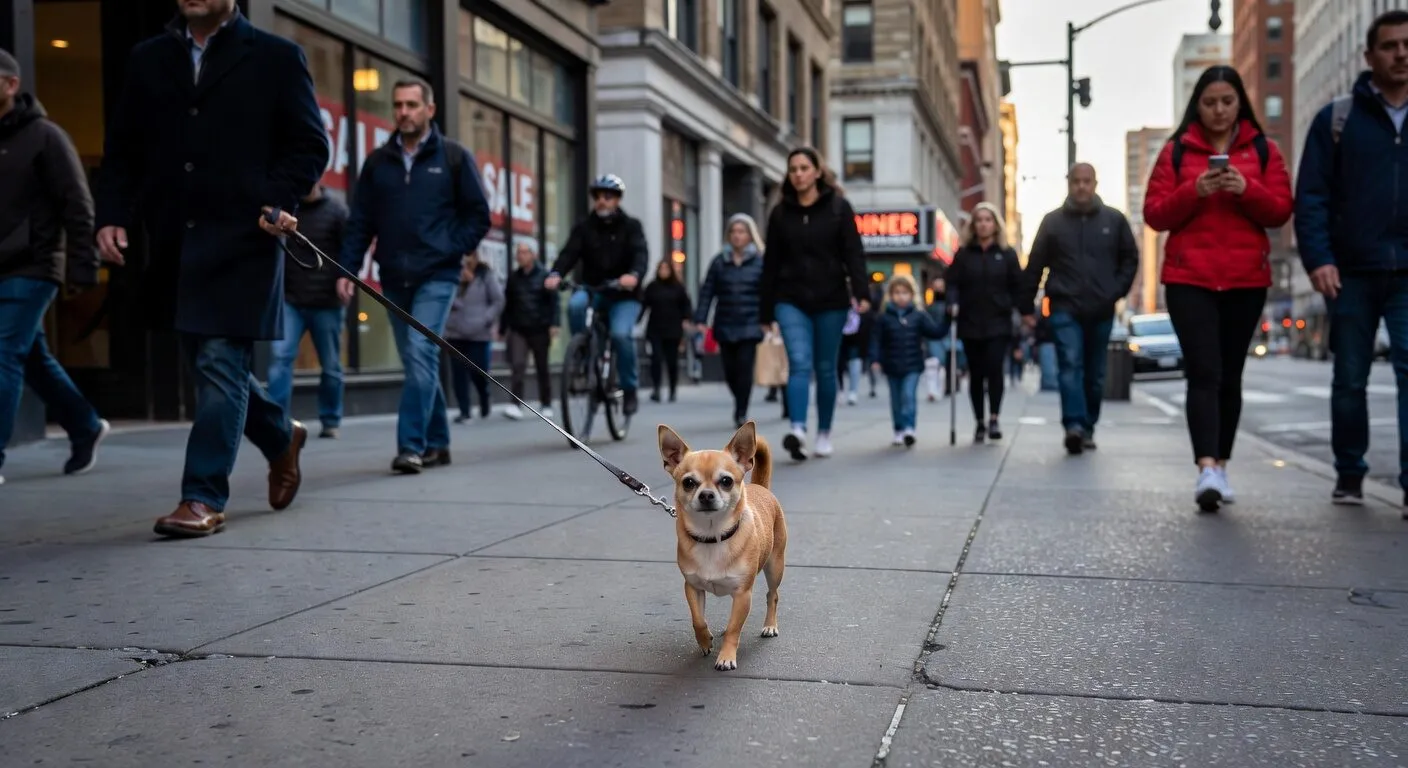
If you adopted an adult chihuahua or missed the puppy socialization window, it is not too late. It is harder, it takes longer, and the results may not be as complete, but improvement is absolutely possible. Counter-conditioning, which means pairing scary things with high-value treats, is the most effective approach for adult chihuahuas.
Start with the mildest version of whatever scares your chihuahua. If they are afraid of strangers, begin with one calm person sitting still at a distance while you feed treats. Gradually decrease the distance over days or weeks. If they are reactive to other dogs, use a similar approach with a calm dog at a distance. The key is that your chihuahua never crosses their fear threshold during training. If they start barking, lunging, or trembling, you have moved too fast. Back up and try again tomorrow at a greater distance.
Socializing an adult chihuahua requires more patience than most people expect. But I can tell you from personal experience that a chihuahua who was terrified of the world at eight months can become a confident, relaxed companion by age three. It took me two years of consistent work with my dog. Those two years would not have been necessary if I had spent the first fourteen weeks doing what I should have done. Learn from my mistake in my full story about skipping socialization.
Common Socialization Mistakes Chihuahua Owners Make
Carrying your chihuahua through every new experience instead of letting them walk through it. Picking them up at the first sign of discomfort instead of letting them work through mild stress. Avoiding situations entirely because you are more afraid than your dog is. Flooding them with too many new things at once because you are trying to make up for lost time.
The biggest mistake specific to chihuahua owners is projecting our anxiety onto the dog. We see our tiny dog in a big world and we panic on their behalf. They pick up on that panic instantly and conclude that the world must be dangerous because their person is scared. Socializing your chihuahua successfully requires you to be calm, confident, and matter-of-fact about new experiences. Your energy is their weather forecast, so make sure you are projecting sunshine even when you are nervous.
The Payoff of Socializing Your Chihuahua Is Worth Every Effort
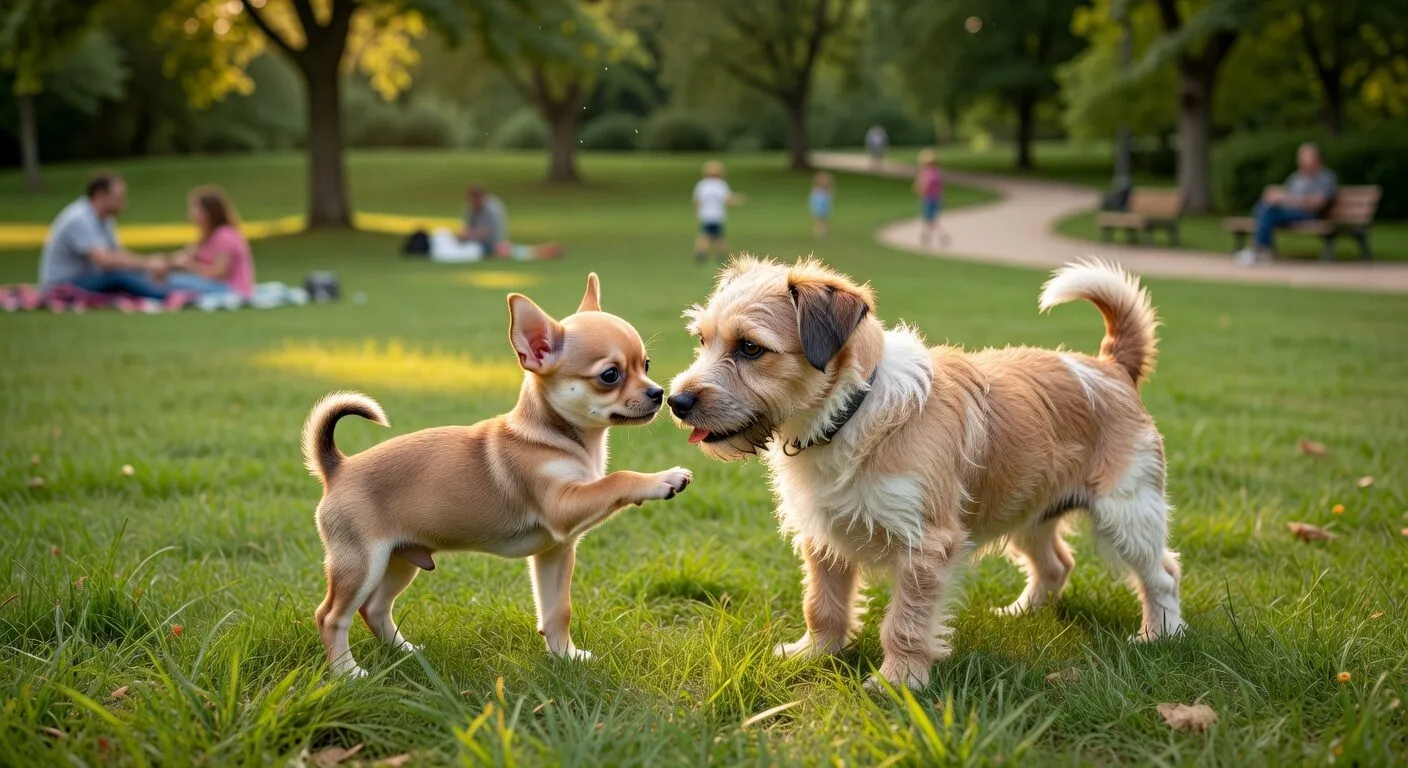
My chihuahua today is a different dog than she was at eight months. She greets strangers with curiosity instead of terror. She can walk past other dogs without losing her mind. She handles vet visits, car rides, and house guests with only moderate drama instead of full-scale meltdowns. None of that would have been possible without deliberate socialization work.
Socializing your chihuahua is not a one-time task. It is an ongoing practice that continues throughout their life. Every new positive experience reinforces the idea that the world is safe. Every missed opportunity allows anxiety to creep back in. Keep introducing new people, places, and situations at a pace your chihuahua can handle. The reward is a confident, happy, well-adjusted little dog who can go anywhere with you and enjoy it. That is worth every treat, every patient moment, and every slow walk through a crowded store. For first-time chihuahua owners, also read our guide to deciding if a chihuahua is right for you.
When should I start socializing my chihuahua puppy?
Begin socialization as soon as your chihuahua puppy comes home, ideally between eight and twelve weeks of age. The critical socialization window closes around fourteen to sixteen weeks. During this period, expose your puppy to new people, sounds, surfaces, and environments in positive, controlled ways. Even before vaccinations are complete, you can carry your puppy in public spaces to provide visual and auditory exposure without ground contact.
Can you socialize an adult chihuahua?
Yes, adult chihuahuas can be socialized, though the process takes longer and requires more patience than puppy socialization. Use counter-conditioning by pairing scary stimuli with high-value treats at a distance your dog can tolerate. Gradually decrease the distance over days or weeks. Most adult chihuahuas show meaningful improvement within two to six months of consistent work, though they may never reach the same comfort level as a well-socialized puppy.
Why is my chihuahua aggressive toward other dogs?
Dog aggression in chihuahuas is most commonly caused by insufficient socialization during the critical puppy period. Without positive exposure to other dogs between three and fourteen weeks, chihuahuas default to fear-based reactivity. Other contributing factors include being carried instead of allowed to interact, negative experiences with larger dogs, and owner anxiety that reinforces the dog’s fear response.
How do I socialize my chihuahua with other dogs?
Start with calm, well-socialized dogs of similar size at a controlled distance. Reward your chihuahua with treats for calm behavior. Gradually decrease the distance over multiple sessions. Avoid dog parks until your chihuahua can remain calm near other dogs on leash. Small breed play groups or one-on-one play dates with known gentle dogs are the safest starting points. Never force direct interaction before your chihuahua is ready.
Should I carry my chihuahua during socialization?
Carrying your chihuahua should be limited to situations where ground contact is unsafe, such as before vaccinations are complete. During socialization exercises, allow your chihuahua to walk on their own four feet as much as possible. Carrying them through new experiences prevents them from learning to navigate the world independently and can reinforce the idea that they need rescuing. Let them walk, explore, and build confidence on their own terms.