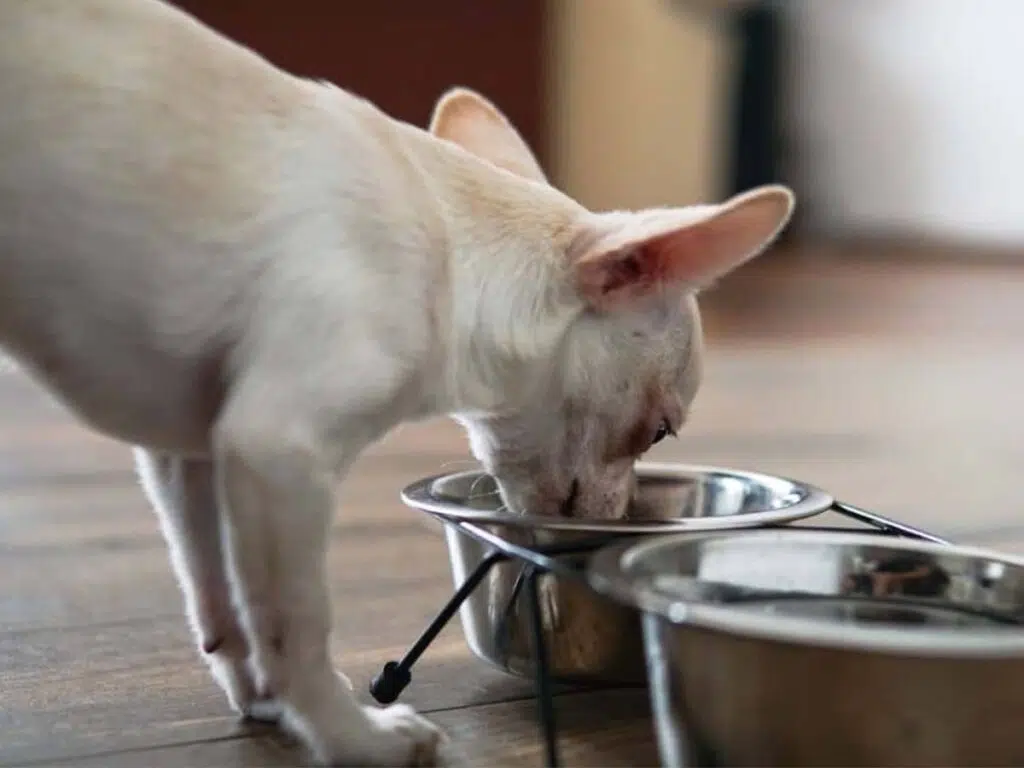


What does the workup for chihuahua allergies actually look like, and how do you tell food allergy from environmental allergy without spending two years of trial and error? In short: the diagnostic process is more structured than most owners realize, the food-elimination diet is the gold standard for food allergy diagnosis, and the environmental allergy workup involves a different set of tools. Both can be addressed; the path is clearer when the workup is done in order rather than ad hoc.
I want to walk through how allergies present in chihuahuas, the clinical differential between food and environment, what the elimination diet actually requires (it is more strict than most owners realize), and the management options once the diagnosis is in.
How allergies present in chihuahuas, plainly
The classic presenting signs are dermatologic rather than respiratory:

- Persistent itching, particularly at the paws, ears, face, and abdomen.
- Repeated paw licking, sometimes producing brown saliva-staining of the paw fur.
- Recurring ear infections with brown or yeasty discharge.
- Hot spots and secondary skin infections from the chronic scratching and licking.
- Generalized skin redness or "elephant skin" thickening in chronic cases.
Respiratory signs (sneezing, watery eyes) can occur but are less prominent than in humans with allergies. The dog's allergic response is mostly a skin response, which is why the dermatology workup is the right approach.
The food-versus-environment differential, briefly
The two main allergy categories present similarly but have different management approaches. A few patterns that suggest one over the other:
Suggestive of food allergy: Year-round symptoms (no seasonal pattern); face and paw involvement prominent; sometimes paired with chronic GI issues; symptoms often present from a young age.
Suggestive of environmental allergy: Seasonal pattern (worse in spring or summer in many regions); generalized body involvement rather than specifically face and paws; symptoms often appear at one to three years of age rather than from puppyhood.
The patterns overlap meaningfully. Many chihuahuas have both, and the workup is structured to address them in sequence. A separate piece on food allergies covers the food side in more depth.
The food-elimination diet, what it actually requires
The food-elimination diet is the gold standard for food-allergy diagnosis. It is more strict than most owners realize and the strictness is the point. The protocol:
Duration. Typically 8 to 12 weeks. Anything shorter is not informative; the skin response takes weeks to fully reflect a dietary change.
The diet itself. A novel-protein diet (a protein the dog has never been exposed to before) or a hydrolyzed-protein diet (a prescription veterinary diet in which the protein has been broken into pieces too small to trigger an immune response). The choice between novel and hydrolyzed is a clinical decision; both work for diagnosis.
Strict exclusivity. Nothing else for the duration. No flavored medications, no flavored toothpaste, no treats other than the elimination-diet kibble itself, no table scraps. A single hot dog from a sympathetic neighbor invalidates the trial. This is the part most households underdo.
Documentation. A small notebook with daily symptom notes (itch level on a 1-to-10 scale, number of paw-licking episodes, ear-shaking frequency). The trend across weeks is the diagnostic signal.
The challenge phase. If symptoms resolve on the elimination diet, a controlled re-introduction of suspect foods (one at a time, for 10 to 14 days each) identifies the specific trigger.
The environmental allergy workup, separately
If the food-elimination diet does not produce symptom resolution, the diagnosis shifts toward environmental allergy. The workup options:
- Symptomatic management with antihistamines or corticosteroids. Useful for confirming the allergic component and for managing the symptoms while a longer-term plan develops.
- Apoquel or Cytopoint. Newer pharmaceutical options that target specific cytokine pathways. More targeted and generally better tolerated than chronic corticosteroid use. Talk to your veterinarian about whether these are appropriate for your specific dog.
- Allergy testing (intradermal skin testing or serum IgE testing). Identifies specific environmental triggers. Useful primarily for guiding immunotherapy.
- Immunotherapy. Allergen-specific desensitization injections or oral drops. Long-term but addresses the underlying immune response rather than just the symptoms. The most disease-modifying option for environmental allergy.
The choice depends on severity, the dog's response to initial management, and the household's tolerance for ongoing treatment. Most cases respond well to one of the targeted pharmaceutical options; immunotherapy is reserved for severe cases.
Secondary infections, briefly
Most allergic chihuahuas with chronic skin issues develop secondary bacterial or yeast infections at some point. The infections produce more itching, more scratching, more skin damage, and a feedback loop that worsens the underlying allergic disease.
The infections typically need targeted treatment (oral or topical antibiotics for bacterial infection; oral or topical antifungals for yeast). The infections are not the primary problem but they substantially worsen quality of life until treated. The common health-issues primer covers the broader skin-related conditions.
The honest timeline of an allergy workup
A realistic timeline, in months:
- Months 0 to 2: Initial vet visit, baseline workup, start of elimination diet.
- Months 2 to 4: Elimination diet trial. Documentation. Re-evaluation at the end.
- Months 4 to 6: If food allergy confirmed: challenge phase to identify the specific trigger. If environmental allergy suspected: targeted symptomatic management while longer-term plan develops.
- Months 6 to 12: Refined long-term management plan. For many dogs, this means a consistent prescription diet plus seasonal pharmaceutical management. For some dogs, immunotherapy.
The honest version is that allergy workups take time. The two-year ad hoc approach many households take is, on examination, mostly time spent without the structured trial that would have produced an answer in three to six months.
When to see a veterinary dermatologist, briefly
Most general-practice veterinarians can run the initial workup. A board-certified veterinary dermatologist is the right escalation if:
- The elimination diet trial is not producing a clear answer.
- The dog is on multiple medications without symptom resolution.
- The skin disease is severe or rapidly progressing.
- Your veterinarian recommends specialist consultation.
The American College of Veterinary Dermatology maintains a directory of board-certified specialists.
The bottom line, with the usual caveat
Chihuahua allergies are workupable on a structured timeline; the elimination diet is the diagnostic tool for food allergy and is more strict than most households realize; the environmental workup uses different tools and produces different management plans. Talk to your veterinarian about the right starting point for your specific dog; the structured workup is, on every measure, more reliable than the ad hoc approach most households start with.
Health at a Glance: What to Watch monitor_heart
| Condition | Key Signs | Prevention Tips |
|---|---|---|
| Dental Disease | Bad breath, tartar, red gums | Daily brushing, dental treats |
| Patellar Luxation | Limping, skipping, leg lifting | Weight control, avoid high jumps |
| Tracheal Collapse | Dry cough, gagging | Harness walking, avoid smoke |
| Heart Disease | Coughing, fatigue, fainting | Regular check-ups, heart-healthy diet |
| Hypoglycemia | Shaking, weakness, lethargy | Small, frequent meals |
Community Insights – FAQ help
help_outline When should I call my vet about a behavior change? expand_more
Sooner than feels reasonable. A change in appetite, energy, or routine that lasts more than 48 hours is worth a phone call, not a wait-and-see.
help_outline How often should a healthy adult chihuahua see the vet? expand_more
Once a year through age seven. Twice a year from eight on. Dental checks are part of every visit.
help_outline Do chihuahuas need different care than larger breeds? expand_more
Yes. Smaller medication dosing, more frequent dental work, and closer monitoring for tracheal and patellar issues are standard in toy-breed care.
Have a health question? Ask your question in the comments. We will bring it up with the vet team.
favorite