
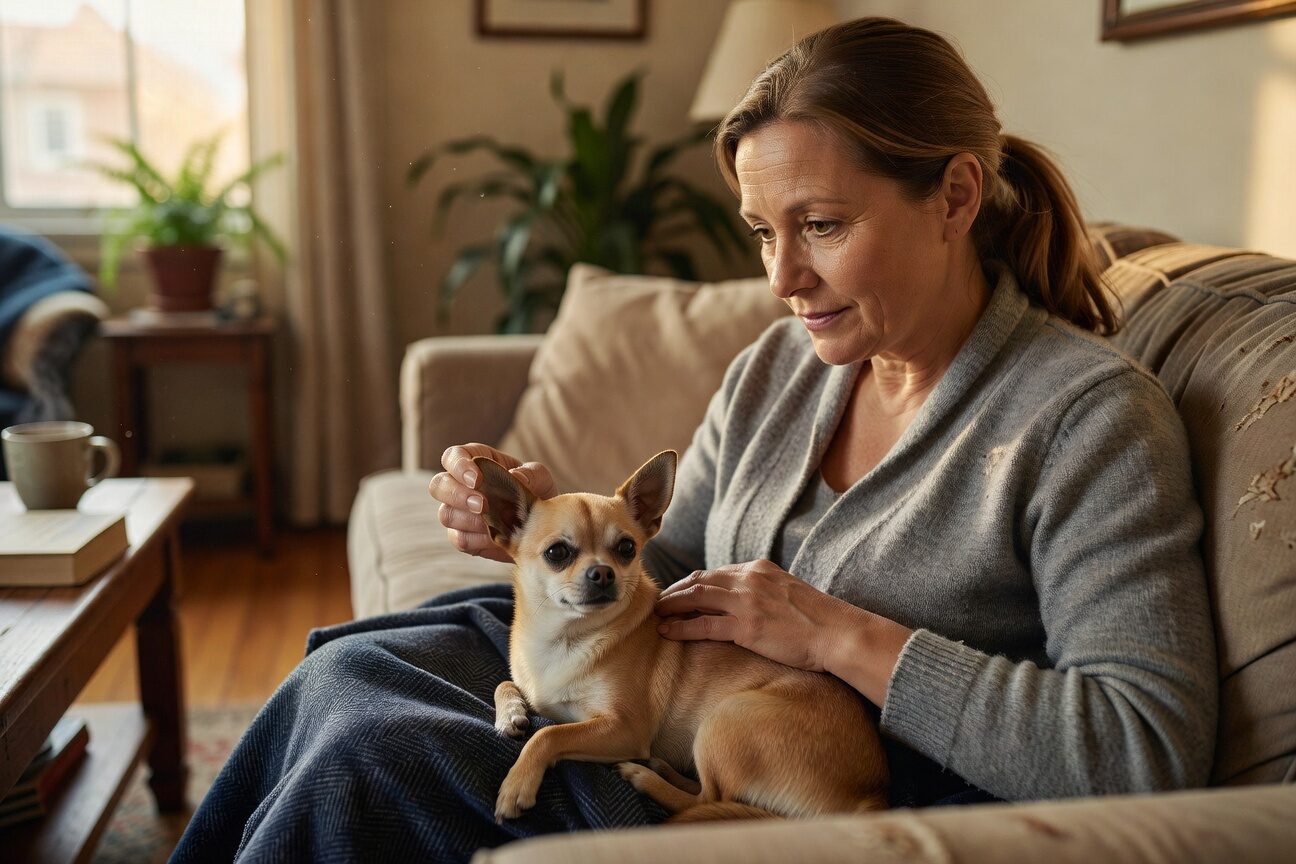
If your chihuahua has come home from the clinic on a treatment plan, or is showing mild signs that you have already discussed with your veterinarian, the home-care phase is the longer part of the recovery. The decisions during this phase are mostly about monitoring, comfort, and knowing the threshold at which the home phase ends and the clinic phase begins again. Below is the working framework I give clients.
I want to be clear about scope. This piece is about caring for a chihuahua who is recovering from a known mild illness or who is showing minor signs that have been triaged with your veterinarian. It is not a substitute for the clinical decision about whether the dog should be home in the first place. A separate piece on home-manageable issues covers the triage decision; this piece covers what comes after.
The monitoring baseline, briefly
A small notebook on the kitchen counter is the single most useful tool. The entries are short:
article_in_feed
A handpicked find for your tiny companion.
- Time and date.
- Appetite (refused, sniffed, ate part, ate normally).
- Water intake (none, less than usual, normal).
- Energy level (lethargic, subdued, normal).
- Any specific symptoms (vomiting episodes, stool quality, respiratory rate, temperature if relevant).
- Medications given with timing.
The notebook serves two purposes. The first is that you have a clear record to share with the clinic if the situation escalates. The second is that it helps you, the owner, see trends that are otherwise hard to track from memory under stress.
The home-care environment, plainly
A few specific environmental considerations:
- A quiet, warm, low-traffic space. Chihuahuas recovering from illness are often slightly hypothermic and benefit from a warm bed in a low-stimulation room. Other household pets and children should give the dog space.
- Easy access to water. A small bowl close to the bed; refilled and washed daily.
- Easy bathroom access. Pee pads near the bed during recovery; the dog should not have to walk far in a weakened state.
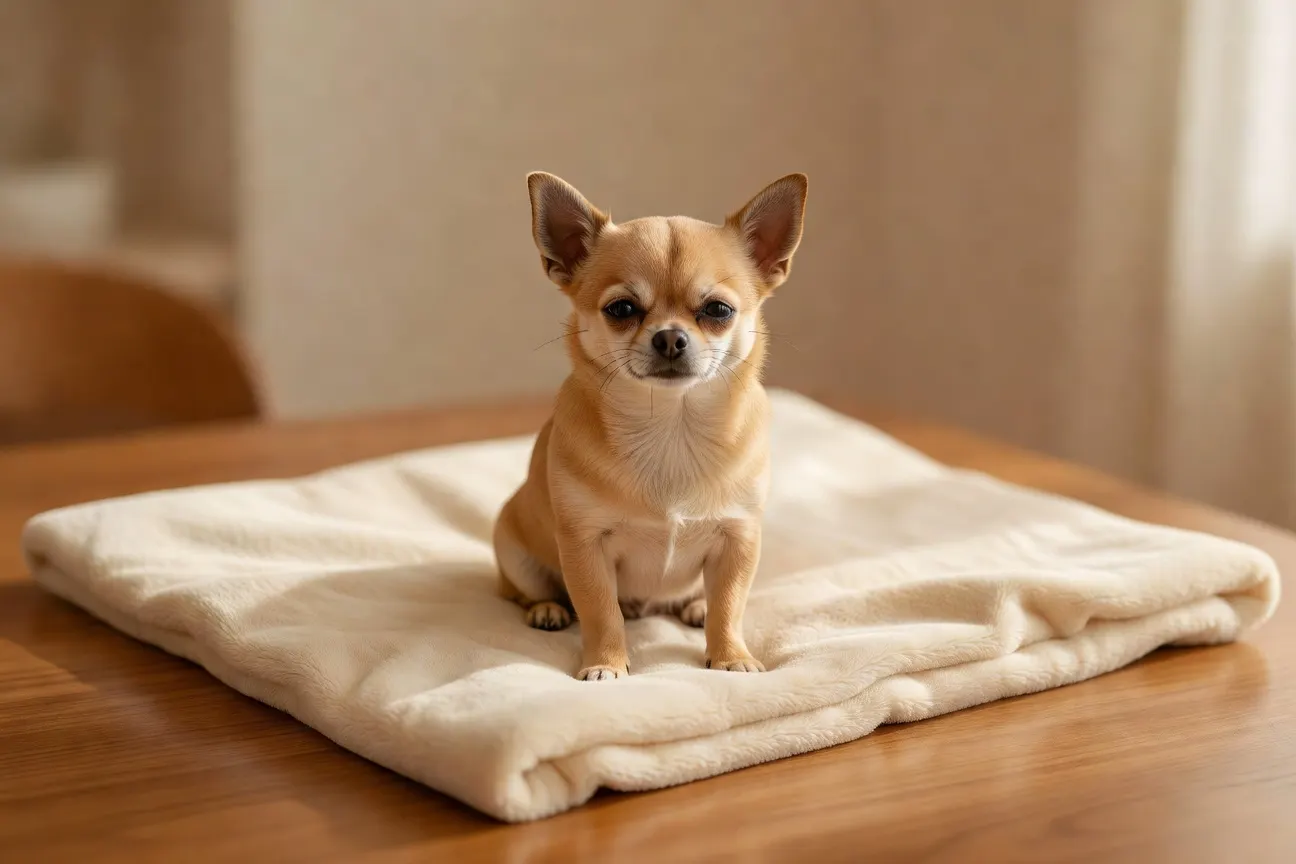
- Comfortable bedding with a familiar fleece or blanket. The dog's existing bed is better than any new one.

Hydration, the most important variable
A four-pound chihuahua dehydrates faster than a forty-pound dog. The most useful monitoring metric in the home-care phase is hydration status.
The skin-tent test: lift a small fold of skin between the shoulder blades and release. In a well-hydrated dog, the skin returns to flat within one second. A skin tent that lingers indicates dehydration; if it persists more than two seconds, the situation has escalated and the clinic call is the right answer.
The gum check: well-hydrated gums are pink and moist. Tacky or dry gums indicate dehydration; pale or white gums are an emergency.
If the dog is taking water willingly but slowly, offer small amounts frequently rather than a full bowl at once. Plain unflavored Pedialyte, in small amounts and only after a vet has confirmed it is appropriate, can supplement plain water in some cases.
Medications, the practical side
If the dog has been sent home with medications, the practical issues most owners encounter:
- Pill timing. Set phone alarms for each dose. The half-life math on most veterinary medications matters; missing a dose by an hour is fine, missing a dose by six hours often is not.
- Pill administration. Most chihuahuas accept pills hidden in a small piece of cheese, plain peanut butter (verify it is xylitol-free), or a pill pocket. Some dogs need direct administration; the technique is to place the pill at the back of the tongue, hold the muzzle gently shut, and stroke the throat to encourage swallowing.
- Liquid medications. A small syringe along the cheek pouch, slowly. Avoid pointing the syringe at the back of the throat; the dog can aspirate.
- Side effects. Note any new signs after starting a medication and call the clinic if anything is concerning. Most antibiotics cause mild GI upset; significant lethargy, neurological signs, or refusal of food after starting a medication warrants a same-day call.
Feeding during recovery, briefly
The feeding plan during recovery depends on the underlying illness. The general principles:
- For GI illness: a bland diet (plain boiled chicken and white rice, or a prescription veterinary recovery diet) for several days, transitioning back to regular food gradually.
- For non-GI illness: the regular food is usually fine; smaller more frequent meals if appetite is reduced.
- For dogs on appetite stimulants: follow the timing instructions carefully; the medications work best with a consistent schedule.
A chihuahua who is not eating at all for more than 24 hours, regardless of the underlying illness, warrants a clinic call. Hypoglycemia risk in toy breeds is meaningful and the timeline is shorter than in larger dogs. The feeding-schedule piece covers the metabolic baseline; the Merck Veterinary Manual covers the underlying physiology.
When to escalate, with clear thresholds
A reasonable owner-side decision tree:
Same-day clinic call: Refusal of food and water for more than 18 hours; persistent vomiting beyond two episodes; diarrhea with blood or persisting more than 24 hours; new or worsening neurological signs; respiratory distress; pale, white, or blue gums; collapse; seizure.
Clinic call within 24 to 48 hours: No improvement after two to three days of home care; mild new symptom that does not resolve; medication question that is not urgent.
Continue home monitoring: Mild lethargy that is gradually improving; appetite returning slowly; stool quality normalizing over a couple of days.
The honest version of the threshold: when you are unsure, call. The clinic call costs nothing and the situation is, on the available data, more often than not appropriate to triage by phone.
Comfort during recovery, the small things
A few small interventions that, in clinical experience, materially help:
- Stay nearby without hovering. The dog wants the household's calm presence, not constant attention. Sit on the couch and read; the dog rests on the bed nearby.
- Maintain familiar routine where possible. The 7 a.m. breakfast and 6 p.m. dinner rhythm, even at smaller portions, is reassuring.
- Brief, gentle handling. A few minutes of slow brushing or light petting, if the dog seeks it, is comforting. Avoid long handling sessions; the dog needs rest more than attention.
- Keep the lights low at night. Many recovering dogs sleep more than usual; a quiet darkened bedroom supports the sleep.
The general warning-signs primer covers the broader watch-list; the anxiety primer covers the body-language reading you may use during recovery.
The bottom line, with the usual caveat
Home care for a recovering chihuahua is mostly about monitoring, comfort, and knowing the escalation threshold. The notebook helps; the hydration check is the single most useful metric; the threshold for calling the clinic should be lower rather than higher. Talk to your veterinarian about your specific dog's recovery plan; the general framework is the starting point, and the clinic relationship is the refinement.
Health at a Glance: What to Watch monitor_heart
| Condition | Key Signs | Prevention Tips |
|---|---|---|
| Dental Disease | Bad breath, tartar, red gums | Daily brushing, dental treats |
| Patellar Luxation | Limping, skipping, leg lifting | Weight control, avoid high jumps |
| Tracheal Collapse | Dry cough, gagging | Harness walking, avoid smoke |
| Heart Disease | Coughing, fatigue, fainting | Regular check-ups, heart-healthy diet |
| Hypoglycemia | Shaking, weakness, lethargy | Small, frequent meals |
Community Insights – FAQ help
help_outline What should every Chihuahua owner know about Health? expand_more
Stay observant — small changes in routine, energy, or appetite are usually the first signal something needs attention.
help_outline Is a tailored approach really necessary for Chihuahuas? expand_more
Yes. Their tiny size means smaller portions, gentler activity, and more frequent check-ins than larger breeds.
help_outline How often should we revisit our routine? expand_more
At least quarterly, and any time you notice a change. Small dogs, small adjustments — early and often.
Have a health question? Ask in the comments and we’ll bring it up with our vet team.
favorite