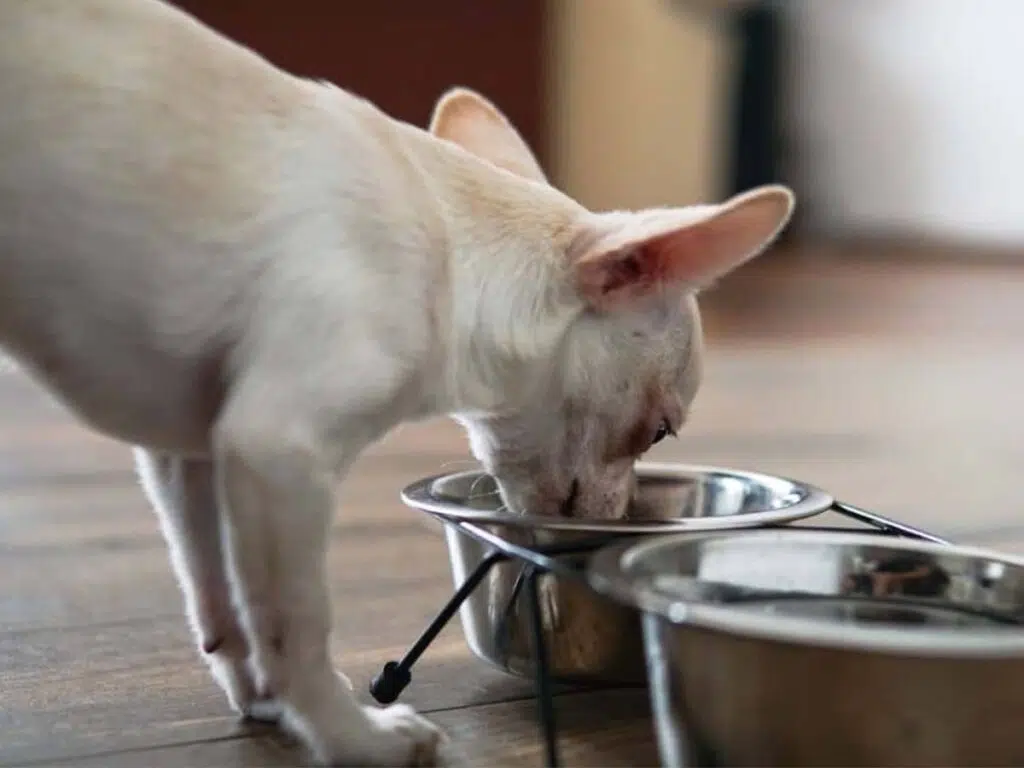


What does a sick chihuahua actually look like, before the situation becomes urgent? Small dogs are notably good at hiding the early signs of illness; in a five-pound body, by the time the obvious symptoms arrive, the underlying condition has often been progressing for days or weeks. The seven warning signs below are what I tell my clients to watch for, in order of how reliably they show up early.
I am going to walk through each, with one sentence on what to notice, one on what it might mean, and one on what to do about it.
1. A change in appetite, even a small one
What to notice: your dog is leaving food in the bowl, eating more slowly, or asking for food and walking away. A 24-hour partial appetite drop in a small dog is not nothing; a full skipped meal in a puppy is a same-day call.

What it might mean: dental pain, GI upset, nausea from a wide range of underlying causes, or early signs of a metabolic condition.
What to do: log the meal, watch for 12 hours, call the clinic if a second meal is skipped or there are other signs.
2. A change in water intake
What to notice: increased thirst (more frequent water-bowl visits, more urination) or decreased thirst (the bowl is fuller than usual at the end of the day).
What it might mean: increased thirst can signal kidney disease, diabetes, Cushing’s, or pyometra in unspayed females. Decreased thirst, paired with lethargy, is a fast-track sign.
What to do: measure the daily water intake for two days. The Merck Veterinary Manual describes typical ranges. A clear shift in either direction is a vet call.
3. Energy and activity changes
What to notice: more sleep than usual, slower greetings, reluctance to go on a walk she usually loves. The change does not need to be dramatic; small dogs hide gradual decline.
What it might mean: pain (especially dental or joint), early systemic illness, anemia, or cardiac issues.
What to do: a wellness exam if the change has held for more than three days.

4. Gum color and capillary refill
What to notice: lift the lip and look at the gums. Healthy gums are pink and moist. Pale, white, blue, yellow, or muddy gums are abnormal.
What it might mean: pale gums can indicate anemia or shock; blue is a respiratory emergency; yellow is liver-related; muddy is a circulatory red flag.
What to do: any color change in the gums of a small dog is a same-day vet call. The capillary refill test (press the gum, count seconds until pink returns) should be under two seconds; longer is abnormal.
5. Breathing pattern
What to notice: the resting respiratory rate (counted while the dog sleeps) is normally 15 to 30 breaths per minute. A sustained rate above 35 at rest is concerning.
What it might mean: cardiac disease (mitral valve disease is common in older small breeds), respiratory disease, pain, or anxiety. A persistent honking cough may indicate tracheal collapse.
What to do: count the breaths over a quiet minute. A clear elevation, paired with any other sign, is a same-day call.
6. Vomiting or stool changes
What to notice: more than two episodes of vomiting in 12 hours, blood in vomit or stool, black tarry stool, or repeated unproductive retching.
What it might mean: dietary indiscretion (the most common), pancreatitis, foreign body, GI infection, or toxin exposure.
What to do: the bland diet protocol and yellow-flag list applies for mild single events; persistent or severe signs are a vet call. The emergency vet visit primer covers what to bring.
7. Behavioral changes the household notices
What to notice: a normally social dog hiding under furniture, a normally calm dog pacing at night, a normally tolerant dog snapping when picked up. Behavioral shifts in a previously easygoing chihuahua are often the first sign of pain.
What it might mean: dental pain, joint pain, neurological issues, GI discomfort, or cognitive change in seniors.
What to do: a vet exam with attention to the mouth, the joints, and the abdomen. Pain in toy breeds is under-recognized; the picture is often behavioral before it is physical.
A simple home watch-list
If you want one practical tool to take from this article, it is a small home watch-list, kept on the fridge or in a notes app, that you fill in once a week. The fields are short:
- Weight. A kitchen scale and a number; track to the tenth of a pound.
- Resting respiratory rate. Count breaths over a minute while the dog sleeps. Normal is 15 to 30; record the number.
- Gum color. Pink and moist is the baseline; any deviation is a flag.
- Appetite. "Normal," "off slightly," or "skipped a meal." Three options is enough.
- Energy. "Normal," "lower," or "flat."
Five fields, once a week, is the entire system. Most owners find that within two months of starting the log, they catch a small change earlier than they would have otherwise. The list of common chihuahua health issues is, in some ways, a list of conditions that benefit from early catch.
The bottom line, in one paragraph
Small dogs do not, on the whole, dramatize early illness. They quiet down. They eat a little less. They sleep a little more. They drink a little differently. The seven signs above, taken together, are the watch-list. If two or more are present, please book a vet visit this week; if one is severe or paired with pale gums, please call today. Veterinarians would rather see a same-day call that turns out to be nothing than a Tuesday call that should have been Sunday.
If you are reading this with a chihuahua at your feet, take thirty seconds tonight to check the gums, count the breaths, and watch the food bowl tomorrow. Three small data points, recorded once a week, give you the baseline that catches the next problem before it becomes a problem.
Health at a Glance: What to Watch monitor_heart
| Condition | Key Signs | Prevention Tips |
|---|---|---|
| Dental Disease | Bad breath, tartar, red gums | Daily brushing, dental treats |
| Patellar Luxation | Limping, skipping, leg lifting | Weight control, avoid high jumps |
| Tracheal Collapse | Dry cough, gagging | Harness walking, avoid smoke |
| Heart Disease | Coughing, fatigue, fainting | Regular check-ups, heart-healthy diet |
| Hypoglycemia | Shaking, weakness, lethargy | Small, frequent meals |
Community Insights – FAQ help
help_outline When should I call my vet about a behavior change? expand_more
Sooner than feels reasonable. A change in appetite, energy, or routine that lasts more than 48 hours is worth a phone call, not a wait-and-see.
help_outline How often should a healthy adult chihuahua see the vet? expand_more
Once a year through age seven. Twice a year from eight on. Dental checks are part of every visit.
help_outline Do chihuahuas need different care than larger breeds? expand_more
Yes. Smaller medication dosing, more frequent dental work, and closer monitoring for tracheal and patellar issues are standard in toy-breed care.
Have a health question? Ask your question in the comments. We will bring it up with the vet team.
favorite