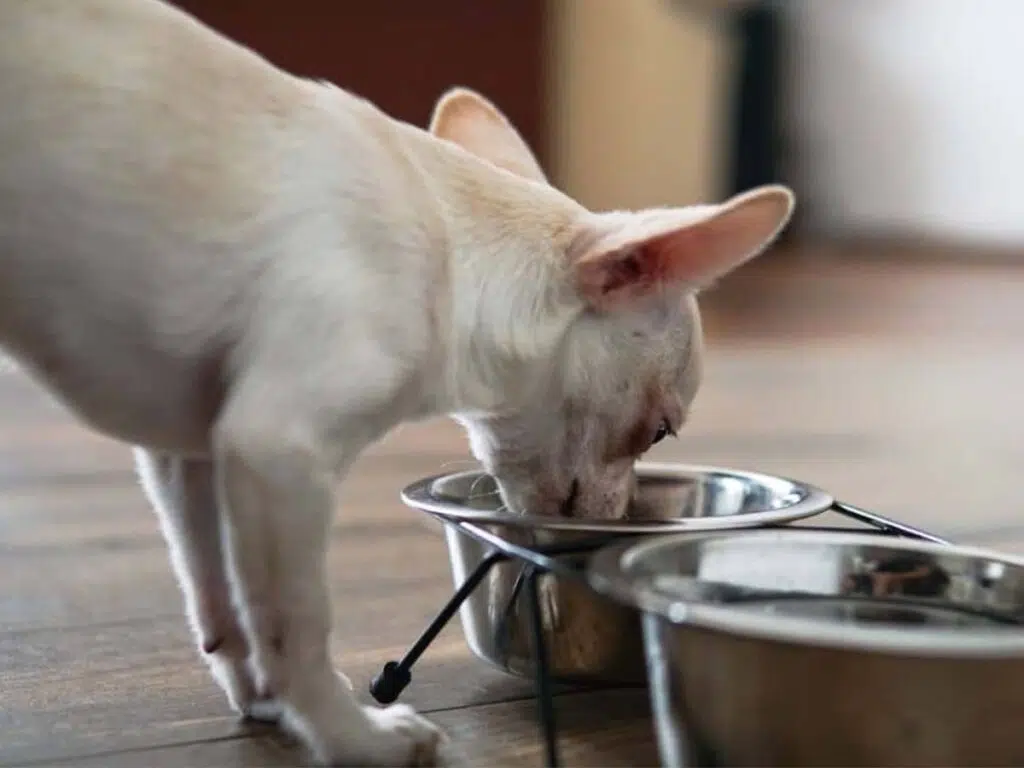


How often should you feed your chihuahua, and how does the schedule change as the dog ages? In short: chihuahua puppies need three to four meals a day to manage hypoglycemia risk, healthy adult chihuahuas need two meals a day, and senior chihuahuas may need to return to three smaller meals depending on metabolic and dental status. The schedule is not arbitrary; the small-dog metabolism has specific requirements at each stage that the feeding pattern is calibrated to meet.
I want to walk through what the small-dog metabolic literature supports, the specific risks at each life stage, and the practical schedule that has held up across our practice's chihuahua patient population.
The small-dog metabolic baseline, briefly
Chihuahuas, like most toy breeds, have a higher metabolic rate per pound of body weight than larger dogs. A four-pound chihuahua burns roughly 200 to 250 calories per day, which sounds small in absolute terms but is, per pound of body weight, about twice the rate of a 40-pound dog.

The implication is that the chihuahua's blood glucose regulation operates on shorter intervals. A meal-skipping pattern that a Labrador can handle without consequence can produce a clinically significant hypoglycemia event in a chihuahua, particularly a puppy or a small adult. The feeding schedule, especially in puppyhood, is calibrated to keep the blood glucose in a stable range.
Puppy stage: weeks eight to twenty-four
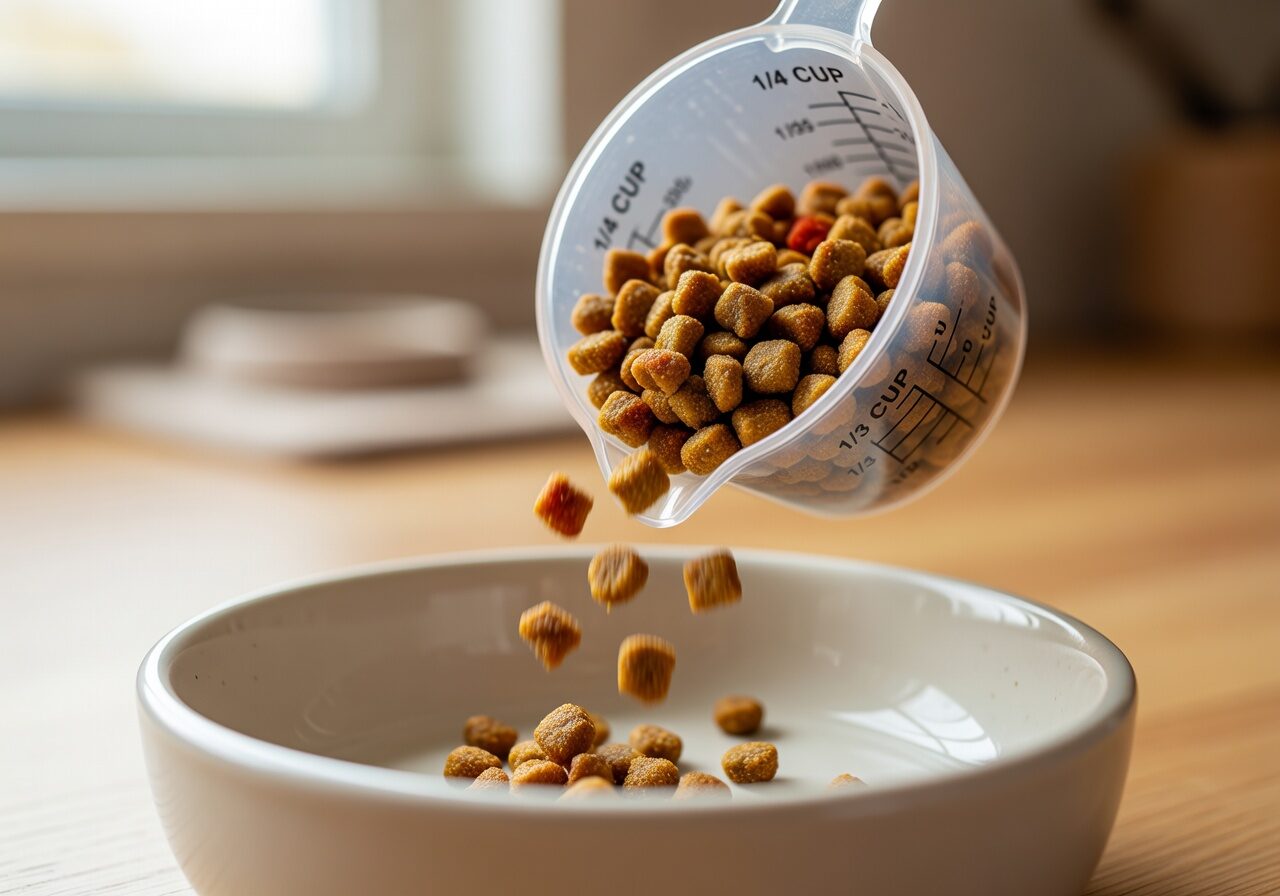
Chihuahua puppies arriving in their new home around week eight should be fed three to four meals per day. The portions are small (typically a quarter cup of small-breed puppy formula per meal), and the spacing matters more than the absolute amount.
A typical puppy schedule:
- 7:00 a.m. Breakfast.
- 11:00 a.m. Mid-morning meal.
- 3:00 p.m. Mid-afternoon meal.
- 7:00 p.m. Dinner.
The reason for the four-meal pattern is hypoglycemia prevention. A chihuahua puppy's liver glycogen stores are small, and a long gap between meals (more than four to five hours during the day) produces a measurable drop in blood glucose. Symptoms include lethargy, weakness, tremor, and, in severe cases, seizure or collapse.
The Merck Veterinary Manual covers the underlying physiology; the practical implication is that the four-meal schedule is not optional during puppyhood. A puppy who refuses a meal warrants a same-day vet call rather than a "she will eat at the next meal" approach.
Adult stage: six months to about eight years
Around four to six months, most chihuahua puppies can transition from four meals to three. Around six to eight months, most can transition to two meals per day, which is the standard adult schedule.
The standard adult schedule:
- 7:00 a.m. Breakfast (about one-third to one-half of the daily ration).
- 6:00 p.m. Dinner (the remainder).
The total daily caloric intake for a healthy adult chihuahua is roughly 35 to 50 calories per pound of body weight, varying with activity level. For a five-pound dog, that is 175 to 250 calories per day, which corresponds to roughly half a cup of typical small-breed kibble.
A note on free-feeding: leaving food out all day is, on the available data, associated with weight gain and behavioral issues (including the fussy-eating pattern covered in the fussy-eater piece). Scheduled meals, picked up after fifteen minutes if not finished, produce better outcomes on both metrics.
Senior stage: about eight years onward
Senior chihuahuas often benefit from a return to three smaller meals per day. The reasons are several:
- Reduced gastric capacity in some seniors makes large meals uncomfortable.
- Dental issues can slow eating; smaller, more frequent meals reduce the cumulative effort. The dental-care piece covers the underlying issue.
- Metabolic changes at the lower end of the senior range can produce mild blood glucose fluctuations similar to (but milder than) the puppy pattern.
- Concurrent conditions (kidney disease, mild diabetes, cardiac disease) sometimes require specific dietary timing in coordination with medication.
The senior schedule is, in practice, individualized at the wellness visit. Talk to your veterinarian when the dog reaches eight years; the right schedule depends on her specific health profile.
The portion question, briefly
The single most common feeding error in chihuahua households is overestimating the portion. The "1/2 cup at breakfast" rule rounds up easily; a tablespoon over the mark, twice a day, is roughly a 10 percent over-feed and produces gradual weight gain over months.
A practical step: weigh the daily ration on a small kitchen scale once, and note the volume in your specific measuring cup. The volume measure is fine after that, as long as the rounding is consistent. Most chihuahuas eating an over-portioned ration look "a little stocky" rather than overtly overweight; the cumulative effect on joints and lifespan is meaningful.
Treats and table food, briefly
A practical guideline: treats and any non-meal food should account for no more than 10 percent of the dog's daily calories. For a five-pound chihuahua, that is roughly 20 calories. A single small cheese cube can hit that limit; a few small pieces of training-treat kibble are well within it.
A separate piece on safe fruits and vegetables covers the human-food question. A general rule: lean protein and most non-starchy vegetables in small amounts are fine; sugars, processed human food, and certain specific items (chocolate, grapes, xylitol-containing foods) are not.
The water question, briefly
Fresh water should be available at all times. The bowl should be cleaned daily; the water replaced at least daily. A four-pound chihuahua typically drinks three to six ounces per day, more in hot weather or with dry kibble.
A noticeable change in water intake (substantially more or less than baseline) is a wellness-visit topic. Increased water consumption can signal kidney disease, diabetes, or several other conditions; decreased consumption can signal dental pain or nausea.
The bottom line, with the usual caveat
The chihuahua feeding schedule is calibrated to the small-dog metabolism and changes meaningfully across life stages. The puppy three-or-four-meal pattern is not optional; the adult two-meal pattern is the standard; the senior three-small-meal pattern is individualized. Talk to your veterinarian at each life-stage transition; the schedule conversation is brief and worth more than any general article.
Health at a Glance: What to Watch monitor_heart
| Condition | Key Signs | Prevention Tips |
|---|---|---|
| Dental Disease | Bad breath, tartar, red gums | Daily brushing, dental treats |
| Patellar Luxation | Limping, skipping, leg lifting | Weight control, avoid high jumps |
| Tracheal Collapse | Dry cough, gagging | Harness walking, avoid smoke |
| Heart Disease | Coughing, fatigue, fainting | Regular check-ups, heart-healthy diet |
| Hypoglycemia | Shaking, weakness, lethargy | Small, frequent meals |
Community Insights – FAQ help
help_outline When should I call my vet about a behavior change? expand_more
Sooner than feels reasonable. A change in appetite, energy, or routine that lasts more than 48 hours is worth a phone call, not a wait-and-see.
help_outline How often should a healthy adult chihuahua see the vet? expand_more
Once a year through age seven. Twice a year from eight on. Dental checks are part of every visit.
help_outline Do chihuahuas need different care than larger breeds? expand_more
Yes. Smaller medication dosing, more frequent dental work, and closer monitoring for tracheal and patellar issues are standard in toy-breed care.
Have a health question? Ask your question in the comments. We will bring it up with the vet team.
favorite