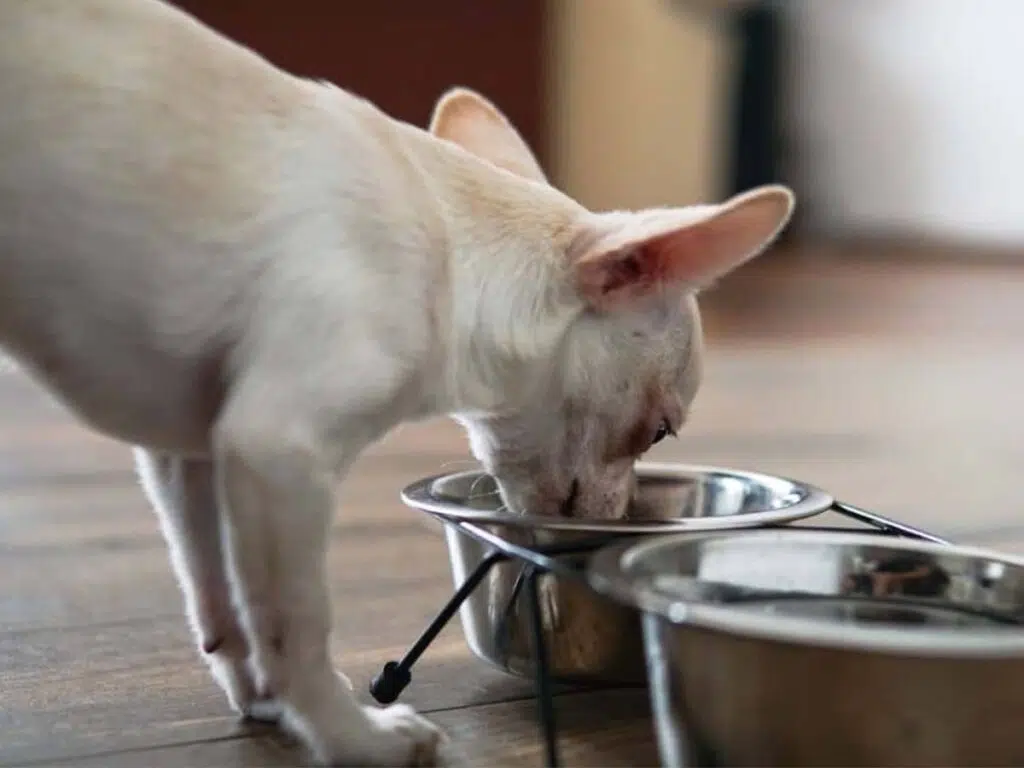


Finding a pet sitter for a chihuahua is not, on the household-tested evidence, the same as finding a pet sitter for any small dog. The breed's specific quirks (small bladder, fast metabolism, attachment to the household, sometimes-reactive temperament) mean a sitter who does fine with a 25-pound terrier may not, on the chihuahua-specific math, do fine with a 5-pound chihuahua. I learned this when I returned from a weekend trip to a chihuahua who would not look at me for two hours and who, by my reading, had been emotionally renegotiating her entire relationship with the household. Below is what I have figured out since.
I want to be clear about what I am and am not covering. This piece covers in-home and in-sitter-home pet sitters for short-term care; it does not cover boarding kennels, which are a different category with different considerations. The right answer depends on your dog and your specific trip; the screening principles below apply across most setups.
The pet-sitter categories, briefly
Three main categories, with different trade-offs:
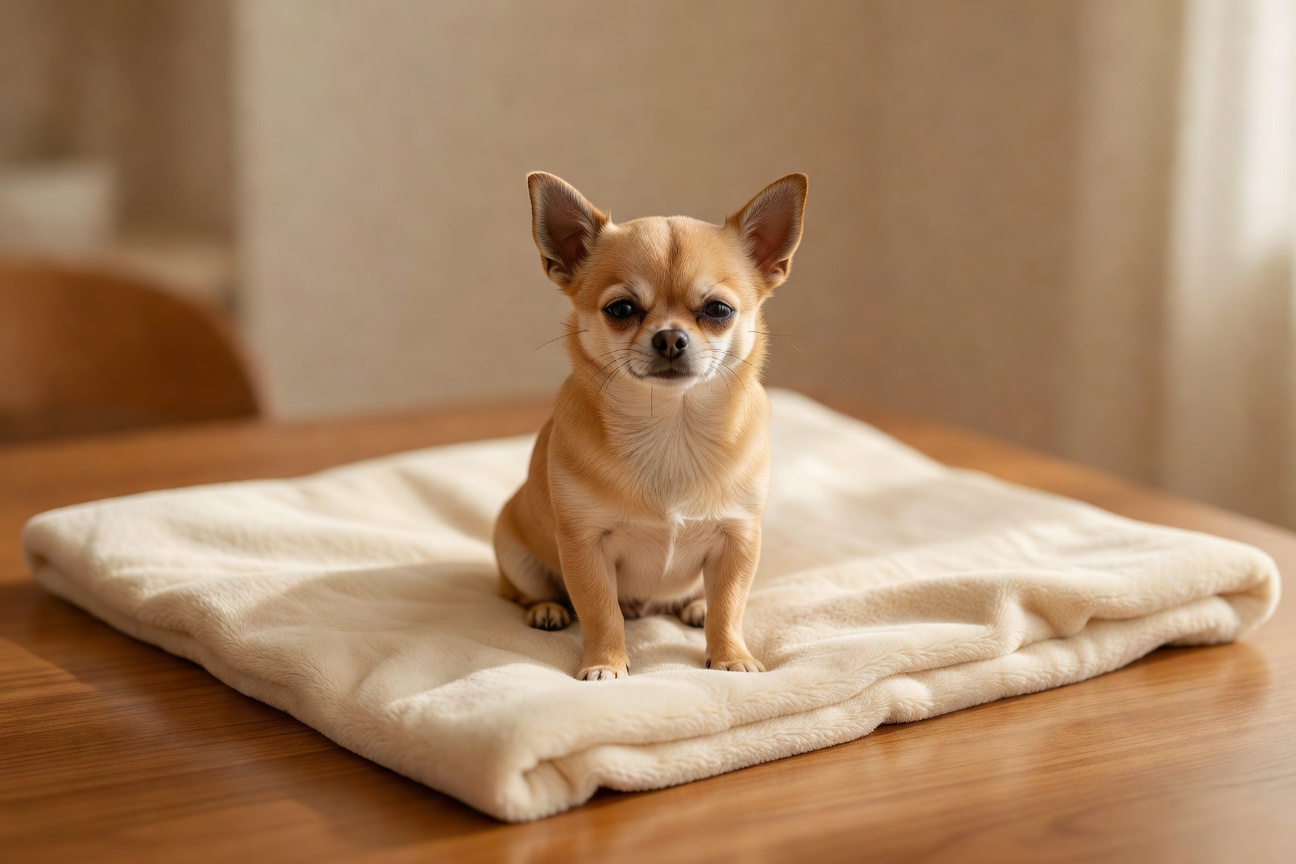
In-home sitter (sitter comes to your house). Best for chihuahuas who are highly attached to their environment. The dog stays in the familiar setting; the sitter visits one to four times a day or stays overnight. Higher cost than other options.
In-sitter-home boarding (dog goes to the sitter's house). Best for sitters with experience and a stable, low-traffic home. Usually cheaper than in-home sitters. The dog adjusts to a new environment but has continuous human presence.
Friend or family member. Cheapest, sometimes free. The relationship is the variable; not every friend or family member is, on examination, the right fit for your specific dog.
The screening questions that matter, plainly
The questions I now ask, on the basis of five years of trial and error:
- How much experience do you have with toy-breed dogs specifically? Toy-breed experience is meaningfully different from general dog-sitting experience. A sitter who handles toy breeds knows about hypoglycemia risk, harness fit, the temperature math, and the specific small-dog behaviors that need management.
- What is your protocol if my dog refuses to eat? The right answer involves contacting me and the veterinarian, not "I will keep trying different foods." A chihuahua who refuses food for more than 18 hours warrants a vet call; the sitter should know this. The feeding-schedule reference covers the underlying physiology.
- What is your protocol if my dog does not eliminate during a walk? Some chihuahuas refuse to eliminate in unfamiliar environments. A good sitter has strategies; a less-prepared sitter sometimes ends up with a dog who has not relieved herself in 24 hours.
- What are your emergency procedures? The sitter should have access to my veterinarian's contact, the emergency clinic's contact, and clear authorization to seek care if needed.
- How many other dogs will be in your care during my trip? One or two is fine; six or seven is a different model and may not suit a chihuahua.
- Are you bonded and insured? A reasonable expectation for a professional sitter; less common but still worth asking for friend-and-family arrangements.
- Can I do a meet-and-greet before booking? A non-negotiable. The sitter should welcome this; a sitter who does not is a yellow flag.
The meet-and-greet, briefly
The meet-and-greet is a 30-to-45-minute visit, ideally a week before the trip, in your home. What I watch for:
- How the sitter approaches my dog. Calm, kneeling at the dog's level, no looming over. A sitter who reaches for the dog from above is showing me the wrong handling style.
- How the dog responds. Most chihuahuas warm up over the visit. A dog who stays at high stress for the full meeting is signaling something worth listening to.
- The sitter's questions. A good sitter asks about the dog's routine, medical history, food preferences, and any specific behavioral notes. A sitter who does not ask is signaling that they are not, in fact, gathering the information they need.
- The sitter's notes. A professional sitter takes brief notes during the meet-and-greet. Friend-and-family arrangements often skip this; you can compensate by writing the notes yourself.
The information package you provide
A small folder with everything the sitter needs:
- The dog's daily routine in plain language: meal times, walk times, nap schedule, bedtime.
- The food in a sealed container with the brand label, plus written portion instructions.
- The medical information: medications and dose schedule, vaccination certificate, microchip number, veterinary clinic contact, emergency clinic contact, ASPCA Poison Control number.
- Behavioral notes: specific triggers, things that calm her, what she does when stressed, what to do during a thunderstorm or fireworks.
- The household information: alarm system, water shutoff, your itinerary with phone numbers, a backup contact.
- Toys and comfort items she uses regularly, with names if relevant.
A separate piece on emergency planning covers the broader frame; the pet-sitter information package is the trip-specific subset.
Setting the dog up for success, briefly
A few specifics that materially help the dog adjust:
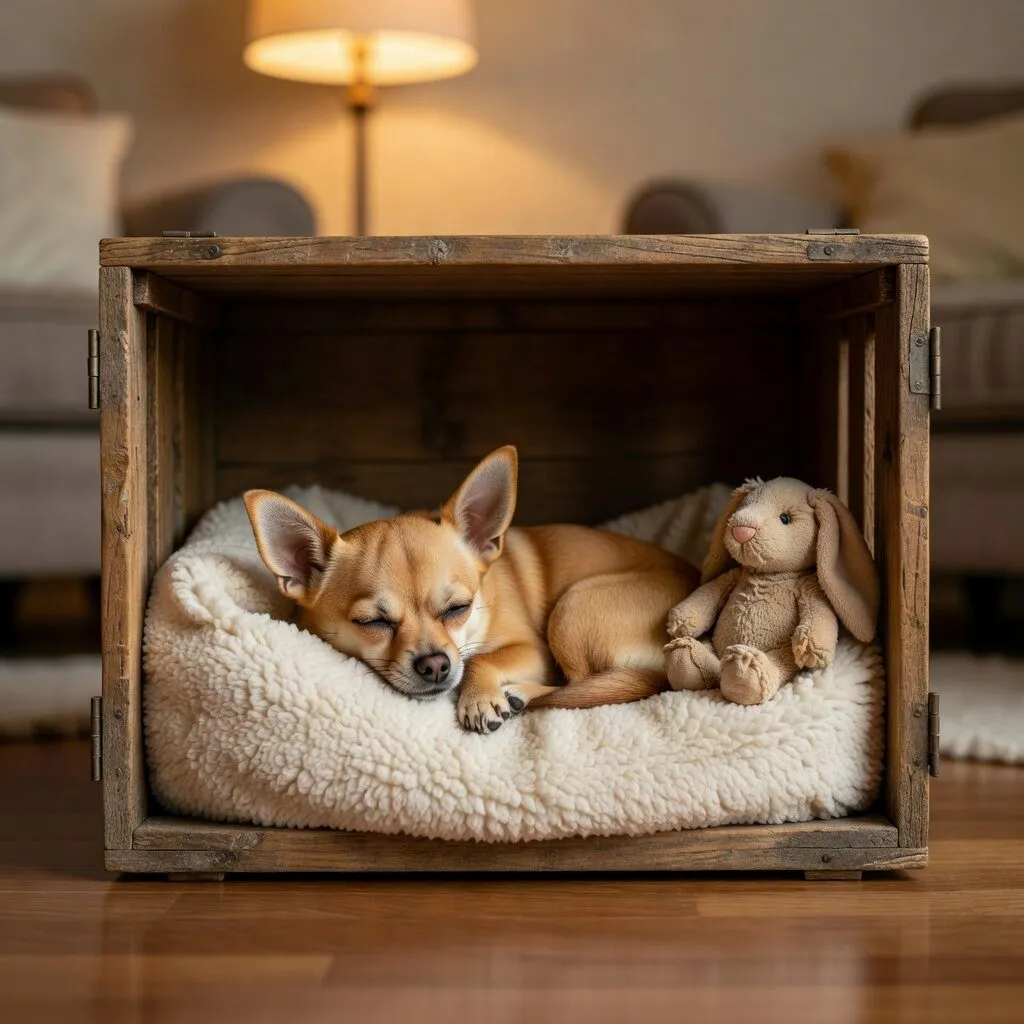
- Familiar bedding. The dog's existing bed, not a new one bought for the trip.
- The familiar fleece she sleeps with at home.
- The signature toy if she has one. A separate piece on signature toys covers why this matters.
- Maintaining the routine as much as possible: same meal times, same walk times, same evening calm period.
- Brief calm goodbyes. Long emotional goodbyes signal to the dog that something is wrong. A brief, calm "I'll be back" produces, on the available behavioral evidence, a calmer dog.
When it does not work, briefly
Sometimes the first sitter is not the right fit. Signs to watch for after the trip:
- Persistent behavioral changes that do not resolve in a week.
- Reluctance to interact with the sitter on subsequent visits.
- The dog signaling clear avoidance during the meet-and-greet for any subsequent trips.
A different sitter is the appropriate response. Some chihuahuas need a few attempts to find the right match; this is normal.
The bottom line, with the usual caveat
Finding the right pet sitter for a chihuahua is mostly about screening, the meet-and-greet, and the information package. Toy-breed experience matters; emergency procedures matter; the meet-and-greet is non-negotiable. The National Association of Professional Pet Sitters maintains a directory of bonded and insured professionals. Talk to your veterinarian about any specific medical or behavioral considerations for your dog; the local clinical relationship is the right place to refine the plan. The system, when set up well, holds across multiple trips and produces, on the dog's body language, a household that runs.
Health at a Glance: What to Watch monitor_heart
| Condition | Key Signs | Prevention Tips |
|---|---|---|
| Dental Disease | Bad breath, tartar, red gums | Daily brushing, dental treats |
| Patellar Luxation | Limping, skipping, leg lifting | Weight control, avoid high jumps |
| Tracheal Collapse | Dry cough, gagging | Harness walking, avoid smoke |
| Heart Disease | Coughing, fatigue, fainting | Regular check-ups, heart-healthy diet |
| Hypoglycemia | Shaking, weakness, lethargy | Small, frequent meals |
Community Insights – FAQ help
help_outline How much experience do you have with toy-breed dogs specifically? expand_more
Toy-breed experience is meaningfully different from general dog-sitting experience. A sitter who handles toy breeds knows about hypoglycemia risk, harness fit, the temperature math, and the specific small-dog behaviors that need management.
help_outline What is your protocol if my dog refuses to eat? expand_more
The right answer involves contacting me and the veterinarian, not "I will keep trying different foods." A chihuahua who refuses food for more than 18 hours warrants a vet call; the sitter should know this. The feeding-schedule reference covers the underlying physiology.
help_outline What is your protocol if my dog does not eliminate during a walk? expand_more
Some chihuahuas refuse to eliminate in unfamiliar environments. A good sitter has strategies; a less-prepared sitter sometimes ends up with a dog who has not relieved herself in 24 hours.
help_outline What are your emergency procedures? expand_more
The sitter should have access to my veterinarian's contact, the emergency clinic's contact, and clear authorization to seek care if needed.
help_outline How many other dogs will be in your care during my trip? expand_more
One or two is fine; six or seven is a different model and may not suit a chihuahua.
Have a health question? Ask your question in the comments. We will bring it up with the vet team.
favorite