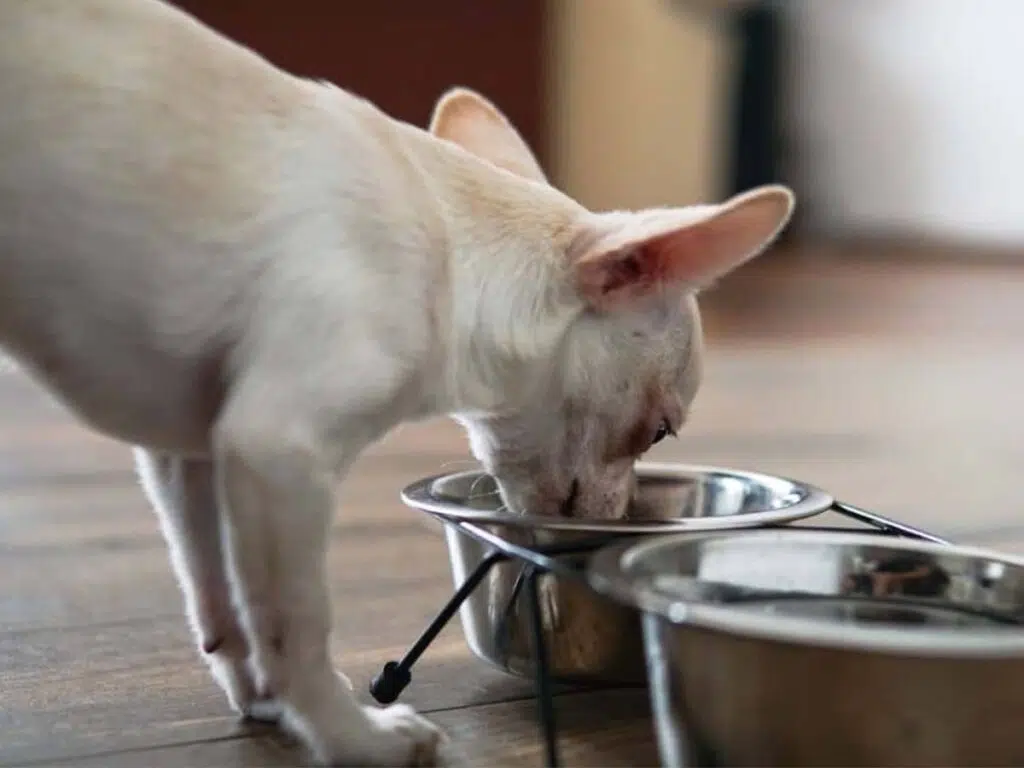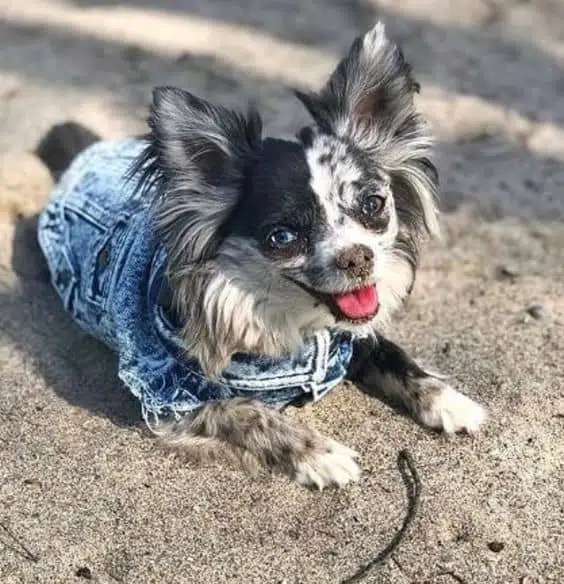


The reader's question, in plain form: my chihuahua has itchy skin, dandruff, and a coat that has gone dull. What is the one thing that helps?
The clinical answer, with its caveats, is that omega-3 fatty acid supplementation, specifically EPA and DHA from a quality fish-oil source, is the single highest-leverage at-home intervention for chihuahua itchy skin in cases that are not driven by a primary allergic, parasitic, or endocrine condition. The American Kennel Club's fish-oil explainer summarizes the supporting research; the Merck Veterinary Manual's skin chapter backs the underlying biology. None of this replaces an examination by your veterinarian.
Why Chihuahuas Are Disproportionately Prone to Itchy Skin
The chihuahua coat, particularly the smooth-coat variety, is thinner and the skin barrier is correspondingly more exposed than in heavier-coated breeds. Surface-area-to-body-weight ratio is also higher in toy dogs, which means the same low ambient humidity that a Labrador shrugs off can produce a measurable transepidermal water loss in a chihuahua.
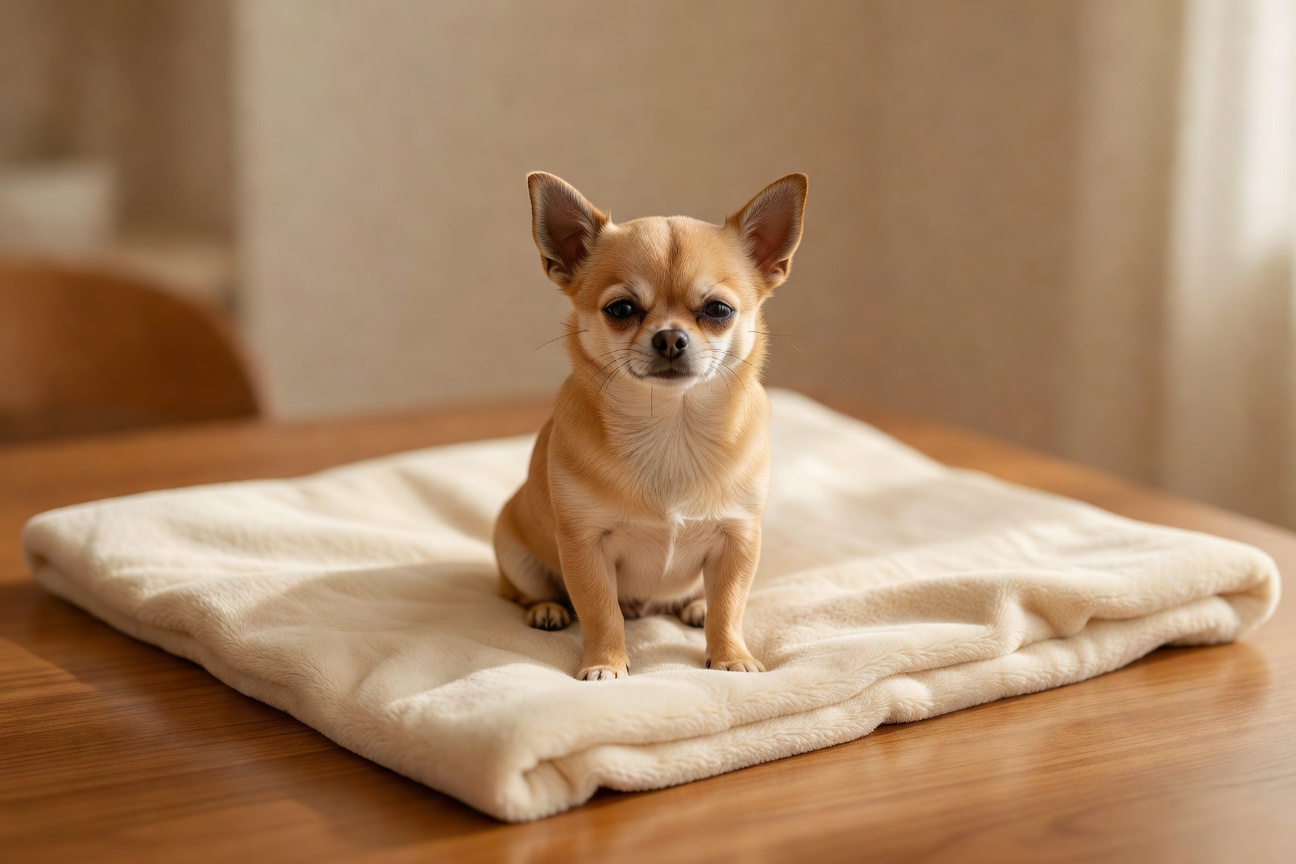
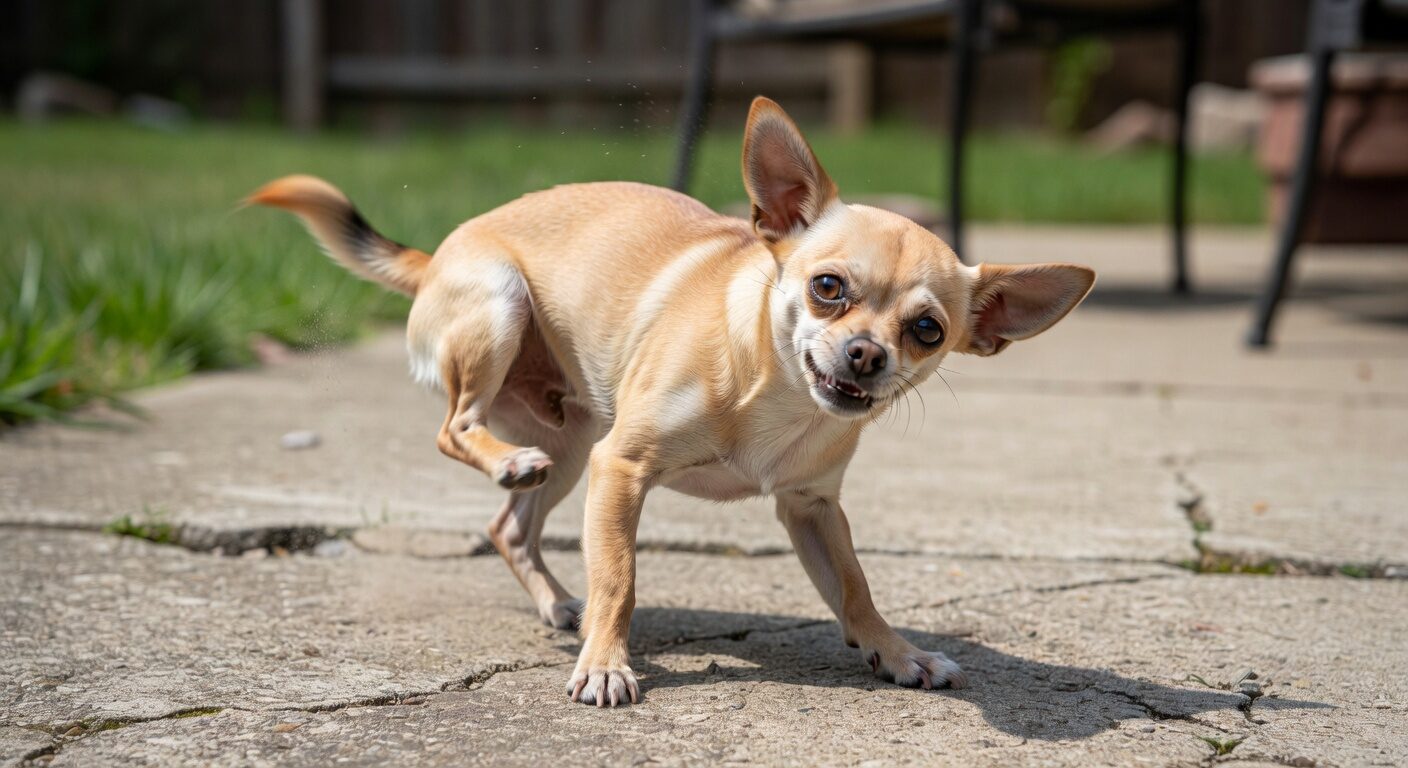
The most common at-home presentations include dry, flaky skin (the "chalkboard dust" effect on dark furniture); allergic dermatitis (atopy or food-related); contact irritation from harsh shampoos or fabric softeners; and, in older dogs, seborrhea or hypothyroidism-related coat changes. The chihuahua coat itself is also, breed-typically, less resistant to environmental insult than thicker double-coats.
What Fish Oil Actually Does for the Skin Barrier
Omega-3 fatty acids, specifically EPA and DHA, are anti-inflammatory at the cellular level; they shift the prostaglandin profile in skin and reduce the inflammatory cytokines that drive the itch-scratch cycle. The 2010 study by Mueller and colleagues, published in Veterinary Dermatology, showed clinically meaningful improvement in canine atopic dermatitis scores at twelve weeks of supplementation. The dose your veterinarian will recommend depends on body weight; for chihuahuas in the four-to-eight-pound range, the Merck dosing reference is the standard.
The good news is that this is a supplement, not a medication; the bad news is that the quality range of fish-oil products is wide. Look for a product with a Certificate of Analysis on the label, third-party verified for heavy metals, and a stated EPA + DHA milligram amount per soft-gel.
What you should see, and on what timeline
Most owners notice the first changes between three and six weeks. Dandruff visibly reduces first; itching cycles shorten next; coat sheen returns last. If you have not seen change by twelve weeks, the dog likely has a primary condition that fish oil cannot fix on its own; book a veterinary appointment. The companion chihuahua lifespan piece covers the long-arc context for the breed-typical conditions that overlap with skin presentation.
What Will Not Fix Chihuahua Itchy Skin on Its Own
The over-the-counter category that disappoints most often is medicated shampoo. Without identifying and treating the underlying cause, a medicated shampoo is a brief reset, not a solution. The other common dead end is "hypoallergenic" food trials run for fewer than eight weeks, which is too short for the gut and skin to clear and respond. The 2015 Olivry consensus paper on adverse food reactions is the standard reference here; the trial duration is the part most owners under-run.

When to Call Your Veterinarian, Not the Pet-Store Aisle
Same-day reasons: open lesions or hot spots; sudden, severe scratching that is keeping your dog from sleeping; ear discharge or odor; hair loss in patches with redness underneath. Within-the-week reasons: persistent dandruff that has not responded to four weeks of fish oil; coat thinning along the flanks (an endocrine red flag); recurrent paw chewing, particularly between the toes.
If your chihuahua is on a long-term itch-cycle, the stool-color piece is a useful adjunct; gut and skin are connected, and the inflammatory pattern often shows up in both.
A Practical Routine You Can Start This Week
One: book the vet visit. Two: ask whether fish oil is appropriate for your individual dog (it is not for dogs with bleeding disorders or those on certain medications; your veterinarian will check). Three: switch to a chihuahua-appropriate shampoo for the next twelve weeks; the companion grooming and shampoo guide covers the specifics. Four: a quiet weekly check at home for new lumps, hot spots, paw licking, or coat thinning. Knowledge is power; the reader who notices first is the reader whose dog gets the earliest care.
How to Make the Conversation With Your Vet Productive
In plain English, the omega-3 work is about lowering the inflammatory signaling in the skin that keeps the itch-scratch cycle running; the medical literature calls those signals prostaglandins and cytokines, and your dog's body responds to fewer of them. Bring the supplement bottle with you to your next visit. Ask your veterinarian to confirm the EPA-plus-DHA dose for your dog's specific weight, in milligrams, in writing on the visit summary. The owner who walks in with the bottle and the dose question is the owner who walks out with a precise number, the brand confirmation, and a re-check date.
For more clinical explainers, browse the Health desk or subscribe for the next dispatch. Talk to your veterinarian about anything that does not look right at home.
Health at a Glance: What to Watch monitor_heart
| Condition | Key Signs | Prevention Tips |
|---|---|---|
| Dental Disease | Bad breath, tartar, red gums | Daily brushing, dental treats |
| Patellar Luxation | Limping, skipping, leg lifting | Weight control, avoid high jumps |
| Tracheal Collapse | Dry cough, gagging | Harness walking, avoid smoke |
| Heart Disease | Coughing, fatigue, fainting | Regular check-ups, heart-healthy diet |
| Hypoglycemia | Shaking, weakness, lethargy | Small, frequent meals |
Community Insights – FAQ help
help_outline When should I call my vet about a behavior change? expand_more
Sooner than feels reasonable. A change in appetite, energy, or routine that lasts more than 48 hours is worth a phone call, not a wait-and-see.
help_outline How often should a healthy adult chihuahua see the vet? expand_more
Once a year through age seven. Twice a year from eight on. Dental checks are part of every visit.
help_outline Do chihuahuas need different care than larger breeds? expand_more
Yes. Smaller medication dosing, more frequent dental work, and closer monitoring for tracheal and patellar issues are standard in toy-breed care.
Have a health question? Ask your question in the comments. We will bring it up with the vet team.
favorite