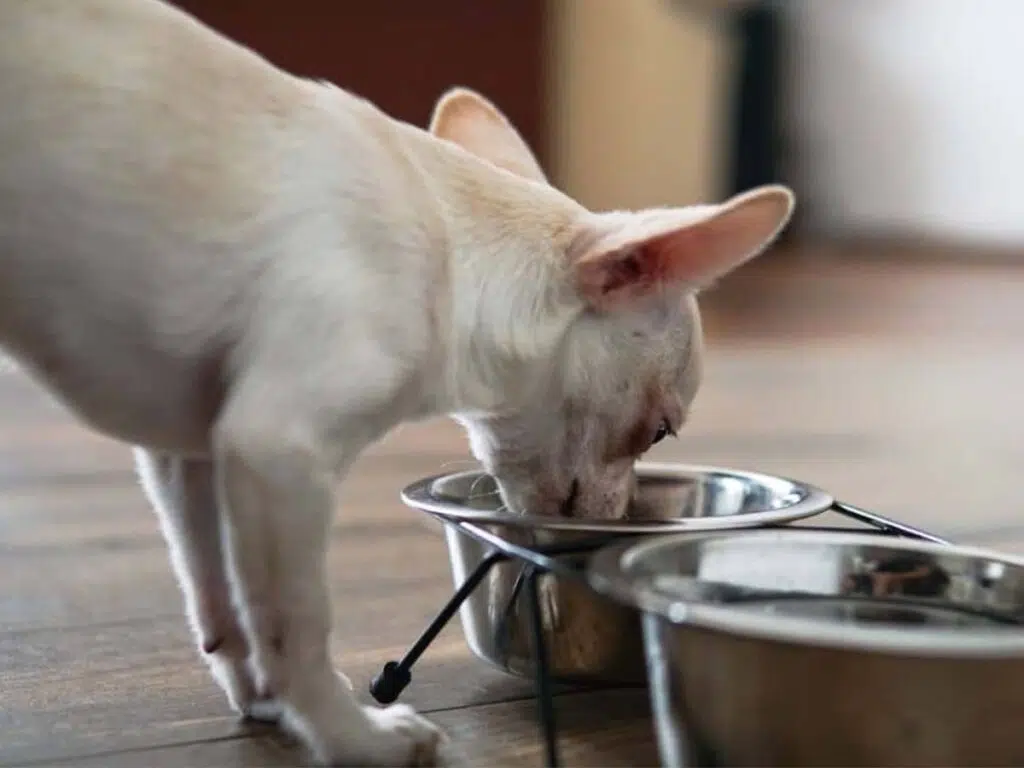


What does a chihuahua puppy actually need in the first six months? More frequent meals, a controlled environment, and a vaccination calendar that matches the breed's specific risk profile. The longer answer, which is the one your veterinarian wants you to read before the first emergency, is that the chihuahua puppy stages run faster and more vulnerable than larger-breed puppies, and the margin for error is narrower at every step.
This is the practical version. None of it replaces an examination by your own veterinarian.
The First Six Months: What Actually Changes Week to Week
Birth to eight weeks

Chihuahua puppies should remain with their mother and littermates until at least eight weeks of age, and most reputable breeders extend this to ten or twelve. AKC's puppy-development reference treats the eight-week minimum as a behavioral floor: bite-inhibition learning and species socialization happen during this window and are difficult to recover later.
Eight to sixteen weeks
The critical socialization window. Controlled exposure to new people, surfaces, sounds, and (vaccinated) other dogs is more important during these eight weeks than at any other point in the dog's life. The 2008 AVSAB position paper on socialization is the standard reference; it concludes that the behavioral cost of under-socialization in this window outweighs the disease risk for most household puppies.
Four to six months
Adult teeth come in. Hypoglycemia risk persists in the very small. Vaccination boosters complete around sixteen weeks per the standard AAHA canine vaccination guidelines. Spay or neuter is typically scheduled with your veterinarian after six months in toy breeds.
Feeding: Frequency Matters More Than Brand
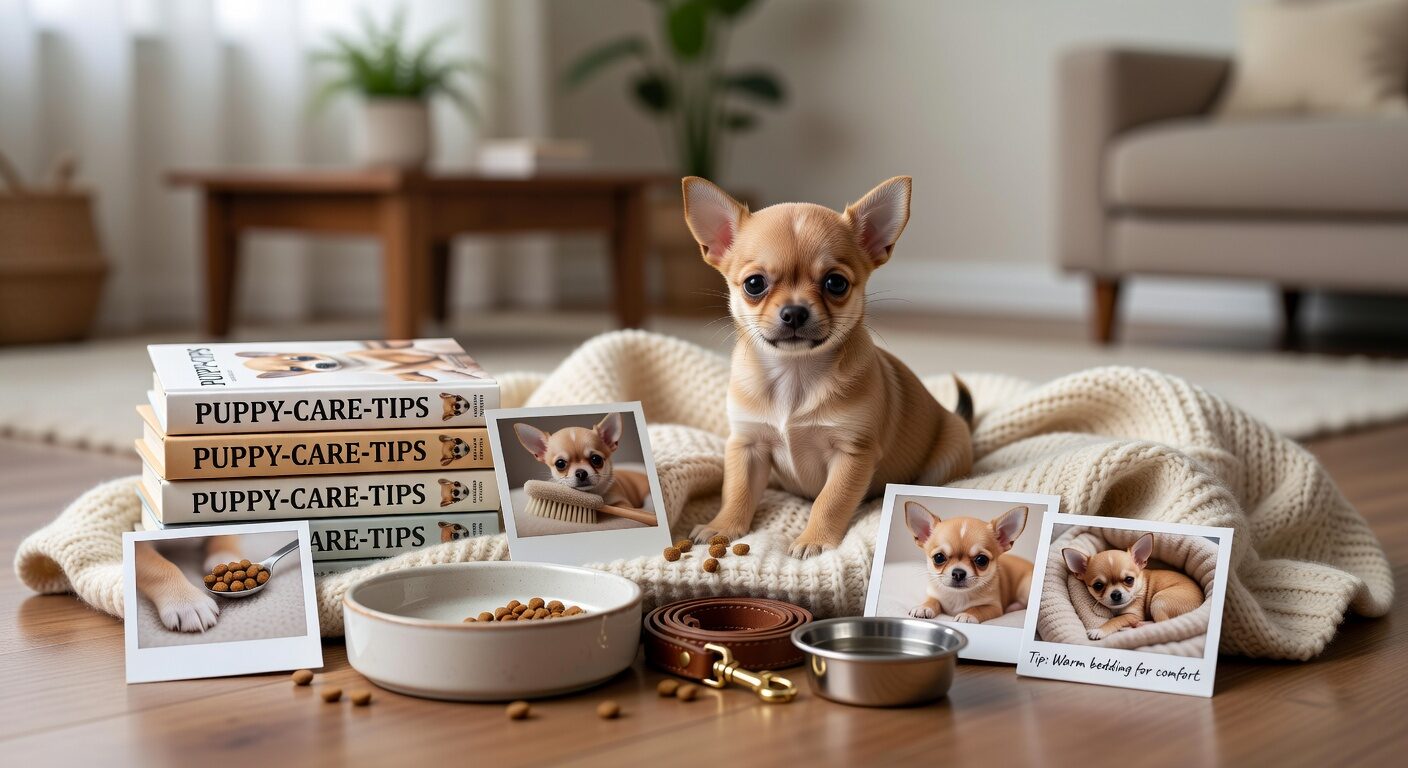
Hypoglycemia is the single most preventable veterinary emergency in chihuahua puppies. The intervention is feeding frequency, not premium kibble. Under three months: four small meals per day. Three to six months: three meals. Six months and onward: two meals per day for life.
A tube of corn-syrup or commercial glucose paste in the kitchen drawer is a cheap insurance policy; the companion piece on three things every chihuahua owner must know covers the recognition signs and the at-home response.
Environment: What Actually Hurts Toy Puppies
Drops from couch height. Doors closing on small bodies. Larger dogs in the household with no separation protocol. Stairs without traction. Open balconies. The breed-specific risk profile is largely environmental in the first year. The Merck Veterinary Manual's puppy chapter covers the broader framework; the chihuahua-specific corollary is that everything is closer to the ground and easier to step on.
The companion chihuahua paw care guide covers the at-home check; the bonding piece covers the trust-building work that pairs with early socialization.
When to Call Your Veterinarian
Same-day reasons in a chihuahua puppy: any episode of weakness, glassy eyes, or pale gums (hypoglycemia until proven otherwise); any persistent vomiting; any limp that does not resolve within an hour; any open wound. Within the week: a puppy who has gone off food for more than one meal; a puppy whose energy has dropped without obvious cause.
What to Do This Week
Three small steps. One: confirm the feeding schedule matches the puppy's age. Two: review the vaccination dates with your veterinarian and put boosters on the calendar. Three: walk through the house at puppy-eye level and remove the obvious environmental risks.
For more clinical explainers, browse the Health desk or subscribe for the next dispatch. Talk to your veterinarian about anything that does not look right at home.
Health at a Glance: What to Watch monitor_heart
| Condition | Key Signs | Prevention Tips |
|---|---|---|
| Dental Disease | Bad breath, tartar, red gums | Daily brushing, dental treats |
| Patellar Luxation | Limping, skipping, leg lifting | Weight control, avoid high jumps |
| Tracheal Collapse | Dry cough, gagging | Harness walking, avoid smoke |
| Heart Disease | Coughing, fatigue, fainting | Regular check-ups, heart-healthy diet |
| Hypoglycemia | Shaking, weakness, lethargy | Small, frequent meals |
Community Insights – FAQ help
help_outline When should I call my vet about a behavior change? expand_more
Sooner than feels reasonable. A change in appetite, energy, or routine that lasts more than 48 hours is worth a phone call, not a wait-and-see.
help_outline How often should a healthy adult chihuahua see the vet? expand_more
Once a year through age seven. Twice a year from eight on. Dental checks are part of every visit.
help_outline Do chihuahuas need different care than larger breeds? expand_more
Yes. Smaller medication dosing, more frequent dental work, and closer monitoring for tracheal and patellar issues are standard in toy-breed care.
Have a health question? Ask your question in the comments. We will bring it up with the vet team.
favorite