
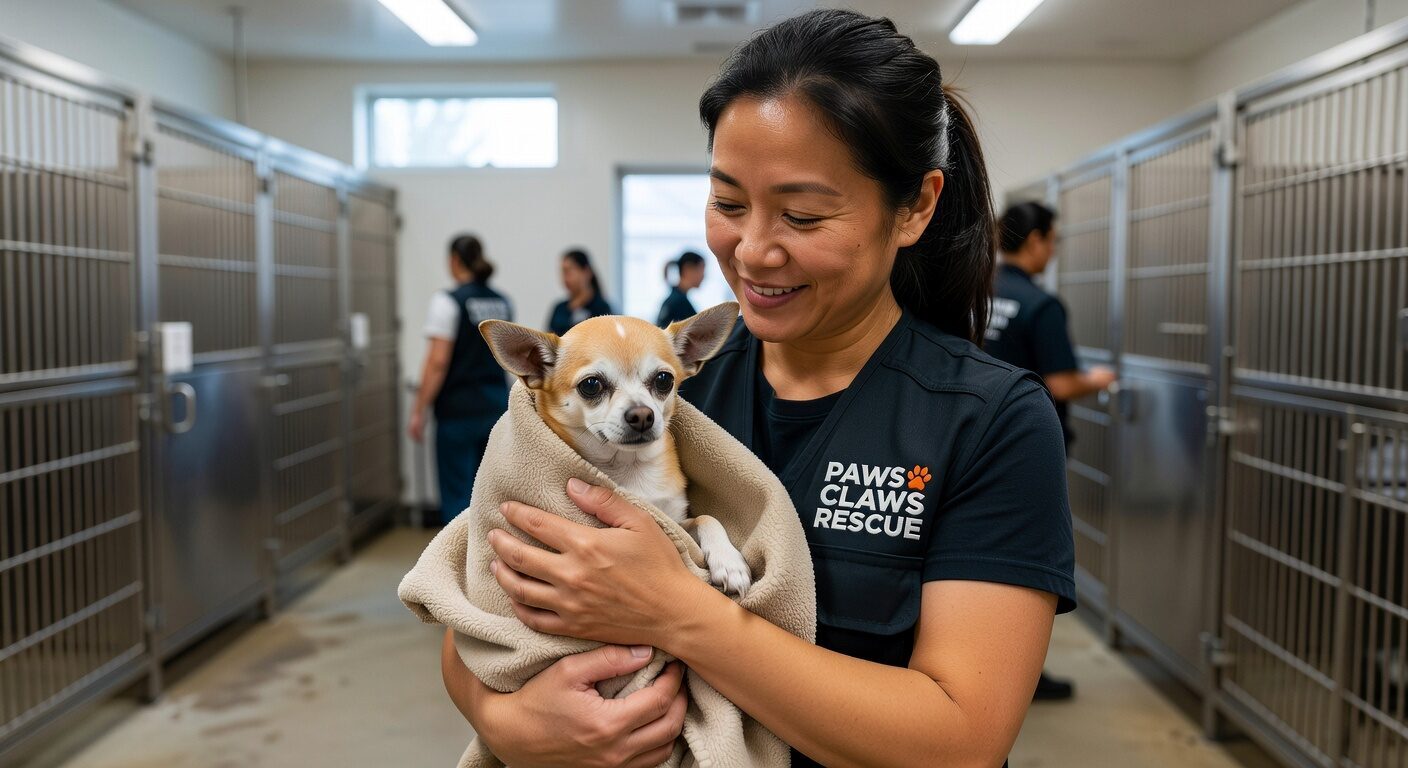

When the call came in, the rescue team thought it was a hoarding case. Understanding how to chihuahuas rescued starts with what actually happens in real life. Twenty-eight chihuahuas in a single home, ranging from puppies to seniors, some in decent shape and some barely holding on. But the truth turned out to be sadder and more complicated than hoarding. The owner had loved these dogs. She had cared for them as best she could. And then she died, leaving twenty-eight chihuahuas alone in a house with no one to feed them, no one to let them out, and no one who knew they existed.
A neighbor noticed the dogs through a window three days after the owner passed. Three days of no food, no water, and no understanding of why the person they depended on had stopped coming. The neighbor called animal control, and animal control called a chihuahua-specific rescue organization that had the capacity to take all twenty-eight dogs at once.
What the Rescue Team Found
The house was not filthy, which surprised the rescue team. It was cluttered and clearly built around accommodating dozens of small dogs, with baby gates in doorways, pee pads in every room, and food bowls stacked in the kitchen. The owner had tried. There were vet records for some of the dogs, vaccination reminders on the fridge, and a notebook with feeding schedules. She had been managing, barely, and then she was not.
Related: common Chihuahua health issues.
The dogs were frightened, dehydrated, and several had lost weight in the three days without food. A few of the older dogs had pre-existing health conditions that had gone untreated, likely because the owner could not afford veterinary care for twenty-eight animals. Two puppies were malnourished enough to need immediate IV fluids. But all twenty-eight were alive, and according to the rescue coordinator, that was more than they had expected.
Triage and support Placement
The rescue transported all twenty-eight dogs to a veterinary clinic for evaluation. Each dog received a physical exam, bloodwork, vaccinations, and treatment for any immediate health issues. The puppies went into intensive support care with experienced handlers. The seniors with medical needs were placed with supports who had the resources to manage medications and vet visits. The healthier adults were distributed among support homes across three counties.
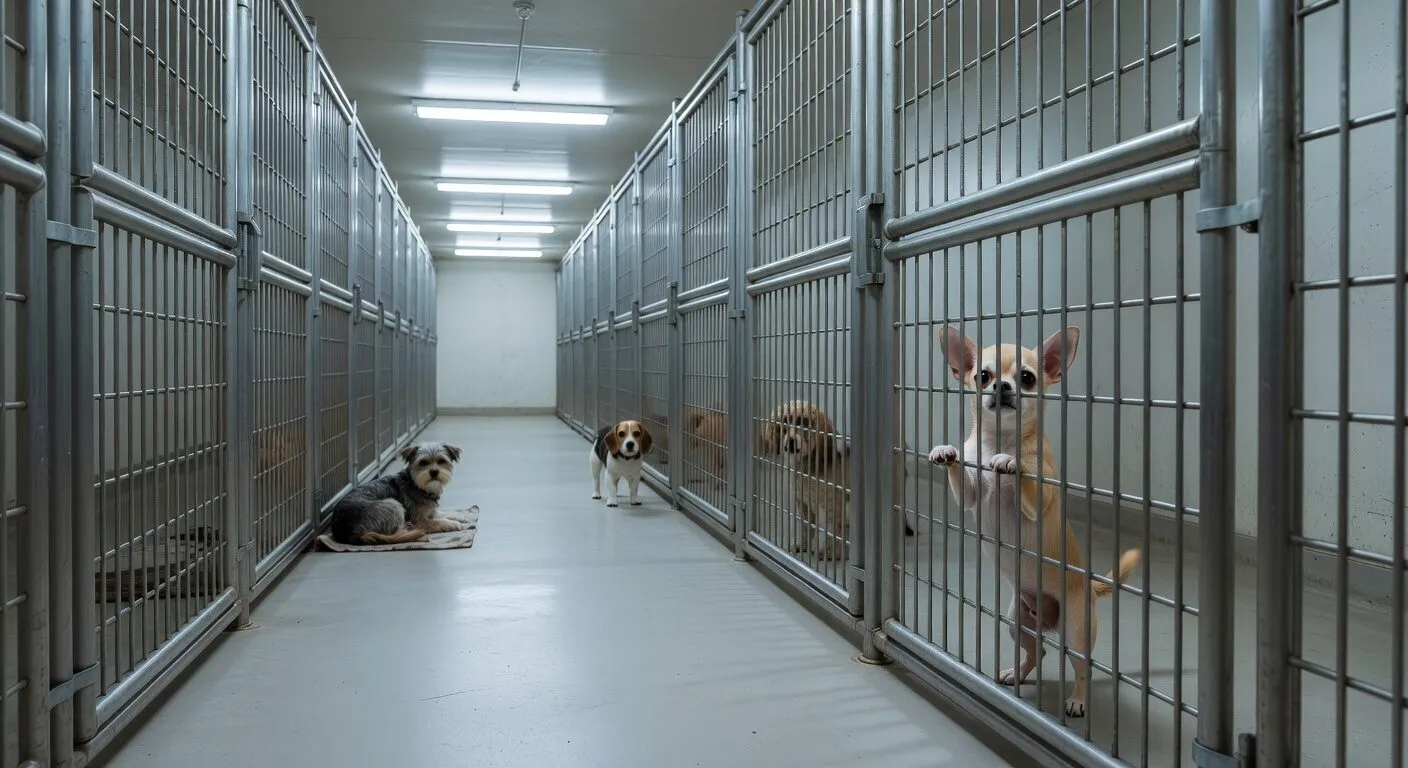
Coordinating placement for twenty-eight dogs at once is a logistical nightmare. According to iHeartDogs, small breed rescues are perpetually at capacity because chihuahuas are among the most commonly surrendered dogs in America. Taking in twenty-eight at once meant calling in every available support home and asking some to take more dogs than they normally would.
What I Wish I Knew Earlier
The support families worked patiently with each dog, introducing them slowly to the world beyond the walls they had always known. Socializing an adult chihuahua who has never experienced normal life is a slow process that cannot be rushed. Some dogs adjusted within weeks. Others took months. A few of the seniors, the support coordinator admitted, might never fully adjust, and the goal for them shifted from “,normal pet”, to “,comfortable and loved.”,
Chihuahuas Rescued: Finding Homes
The story got local media coverage, and applications started coming in. The rescue was careful about placement, screening each applicant for experience with chihuahuas, understanding of the dogs’, backgrounds, and willingness to work through behavioral challenges. Several of the dogs were adopted in bonded pairs because separating them would have caused more harm than good. Chihuahuas who have lived together often form bonds that run deeper than typical dog friendships, and respecting those bonds matters.

Within four months, all twenty-eight chihuahuas had been placed in permanent homes. Every single one.
What This Story Really Tells Us
This is not a story about a bad owner. It is a story about a person who loved dogs beyond her capacity to care for them and had no safety net when the worst happened. It is a story that repeats itself constantly in the rescue world, well-meaning people who accumulate animals without a plan for what happens when they can no longer provide care.
If you know someone who has more pets than they can reasonably manage, talk to them about contingency planning. Who will care for the animals if the owner becomes ill or dies? Is there a rescue organization they have a relationship with? Are the animals microchipped and documented? These are uncomfortable conversations, but twenty-eight chihuahuas sitting in a house with a dead owner is a lot more uncomfortable.
Every one of those twenty-eight dogs deserved better. And because a neighbor looked through a window and a rescue team answered the phone, every one of them got it.
What Happens After the Cameras Leave
The rescue itself is the dramatic part that makes the news, but the real work begins after the cameras leave and the story fades from public attention. Twenty-eight chihuahuas pulled from a single location do not just get cleaned up and adopted out the next week. Each dog needs individual medical assessment, and in cases like this, the findings are usually extensive. Dental disease, skin infections, parasites, malnutrition, untreated injuries, and sometimes organ damage from years of poor nutrition. The veterinary bills for a large-scale rescue like this can reach into the tens of thousands of dollars within the first month alone.
Then comes the behavioral rehabilitation, which is often the longest and most resource-intensive phase. Dogs that have lived in hoarding or neglect situations frequently have no socialization with humans, no exposure to normal household sounds, and no understanding of basic concepts like walking on a leash or going through a doorway. I have spoken with rescue workers who describe dogs that had never touched grass, never heard a television, and froze in terror at the sound of running water. Each of these dogs needs patient, individual work to learn how to exist in a normal home environment, and that process can take weeks or months depending on the severity of the neglect.
How Hoarding Situations Get This Bad
One of the questions I hear most often when these stories surface is how does it get to twenty-eight dogs. The answer is more complicated and more human than people expect. Animal hoarding almost never starts with bad intentions. It usually begins with one or two dogs that a person loves and wants to care for. But without spaying and neutering, the population grows. One becomes three, three becomes eight, eight becomes fifteen. The person’s financial resources and living space cannot keep pace with the growing number of animals, but by that point they are emotionally unable to give any of them up.
Hoarding is recognized as a legitimate mental health condition, and the people involved are often isolated, in denial about the conditions, and genuinely believe they are providing adequate care even when the evidence clearly shows otherwise. Neighbors may notice the smell or the noise but hesitate to report because the person seems kind or because they do not want to get involved. By the time authorities intervene, the situation has usually been deteriorating for years. Understanding this does not excuse the suffering of the animals, but it does inform how we prevent future cases, which requires mental health resources and community intervention long before the dog count reaches a crisis level.
For more detailed guidance on this topic, the PetMD offers excellent resources backed by veterinary professionals.
I have been through this with my own chihuahua. It is one of those things that looks simple on paper but gets complicated fast when you are actually dealing with a four-pound dog who has opinions about everything. com/why-chihuahuas-are-the-most-surrendered-breed-in-shelters/” title=”Why So Many Chihuahuas End Up in”>Why So Many Chihuahuas End Up in.
The truth about chihuahuas rescue survive is that there is no single right answer. What works for one chihuahua might be completely wrong for another. Mine took weeks to adjust. Some dogs figure it out in days. The size of your chihuahua matters. Their age matters. Their personality matters most of all.
Here is what I wish someone had told me earlier. Start small. Do not try to change everything at once. Chihuahuas are stubborn but they are also sensitive. Push too hard and they shut down. Go too slow and nothing changes. The sweet spot is somewhere in the middle and you have to find it yourself.
I talked to other chihuahua owners about chihuahuas rescue survive and heard the same thing over and over. Patience. Consistency. And a willingness to look a little silly in public because chihuahuas do not care about your dignity.
If you are just getting started with chihuahuas rescue survive, give yourself grace. You will make mistakes. Your chihuahua will make more of them. That is the whole process. And honestly, once you get through the hard part, it is worth it.
Chihuahuas are the most overbred small dog in the United States. Backyard breeders produce them cheaply and in large numbers. Many buyers underestimate the barking, biting, and training needs. When owners cannot handle the behavior, the dogs end up surrendered to shelters.
Start by searching Petfinder or your local shelter website for available chihuahuas. Fill out an adoption application and be honest about your living situation. Most rescues do home visits and reference checks. The process takes one to three weeks from application to bringing your dog home.
Not necessarily. Many rescue chihuahuas already know basic commands from their previous homes. Some have behavioral baggage that needs patience to work through. The key is consistency and giving them time to decompress. Most rescue chihuahuas settle into new routines within a month.
Expect your new chihuahua to be scared, quiet, or clingy. They may not eat much for the first two days. House training accidents are normal while they learn the new routine. Keep the environment calm and quiet. Let them approach you on their own terms rather than forcing interaction.
Adoption fees for chihuahuas typically range from 150 to 400 dollars depending on the rescue organization. This usually includes spay or neuter surgery, vaccinations, microchipping, and a basic health exam. It is significantly less than buying from a breeder.
Why are there so many chihuahuas in shelters?
Chihuahuas are the most overbred small dog in the United States. Backyard breeders produce them cheaply and in large numbers. Many buyers underestimate the barking, biting, and training needs. When owners cannot handle the behavior, the dogs end up surrendered to shelters.
How do I adopt a chihuahua from a rescue?
Start by searching Petfinder or your local shelter website for available chihuahuas. Fill out an adoption application and be honest about your living situation. Most rescues do home visits and reference checks. The process takes one to three weeks from application to bringing your dog home.
Are rescue chihuahuas harder to train?
Not necessarily. Many rescue chihuahuas already know basic commands from their previous homes. Some have behavioral baggage that needs patience to work through. The key is consistency and giving them time to decompress. Most rescue chihuahuas settle into new routines within a month.
What should I expect the first week with a rescue chihuahua?
Expect your new chihuahua to be scared, quiet, or clingy. They may not eat much for the first two days. House training accidents are normal while they learn the new routine. Keep the environment calm and quiet. Let them approach you on their own terms rather than forcing interaction.
How much does it cost to adopt a chihuahua from a rescue?
Adoption fees for chihuahuas typically range from 150 to 400 dollars depending on the rescue organization. This usually includes spay or neuter surgery, vaccinations, microchipping, and a basic health exam. It is significantly less than buying from a breeder.