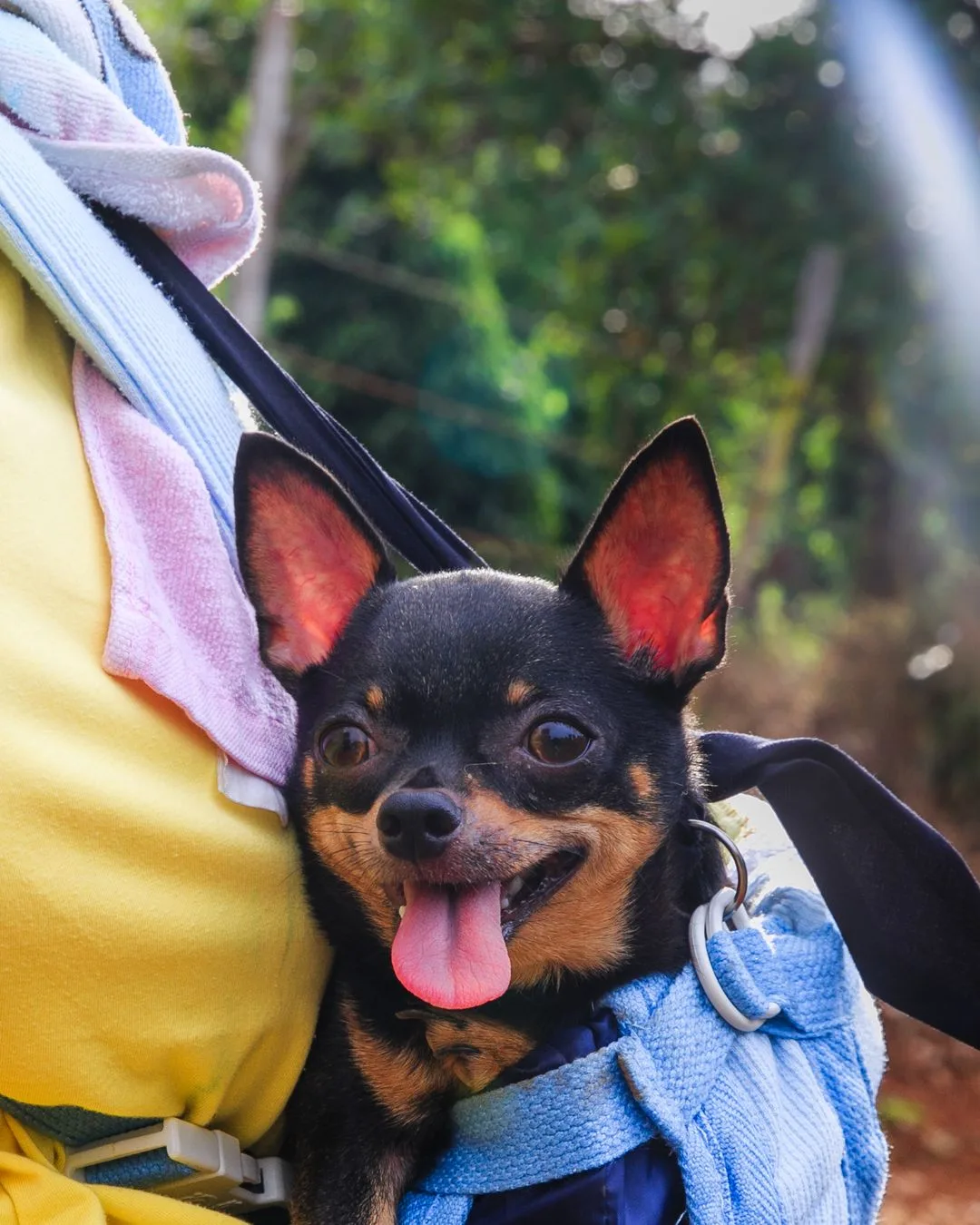
Thinking about taking your chihuahua abroad? It is very doable, and small dogs have one big advantage: many airlines let them ride in the cabin, in a carrier under the seat in front of you. But international travel runs on paperwork and deadlines, and the requirements start months before you fly. Here is how to plan it without a surprise at the border.
Quick answer: A chihuahua is small enough to fly in the cabin on many airlines, in a ventilated carrier under the seat, but cabin pet spots are limited per flight, so reserve one when you book. Requirements are set by the destination country and typically include a microchip, a current rabies vaccination, and a health certificate from an accredited veterinarian; some countries add blood tests or waiting periods measured in weeks. Start months ahead, work backward from the destination's rules, and do not sedate for a flight unless your veterinarian specifically advises it.
Start with the destination's rules, not the airline's
Every country sets its own import requirements for dogs, and they vary widely. The American Veterinary Medical Association's travel guidance is a sensible first checklist before you dig into country specifics. Some ask only for a rabies vaccination and a health certificate; others require blood tests, waiting periods, or an import permit arranged well in advance. In the United States, the USDA's Animal and Plant Health Inspection Service, known as APHIS, runs a Pet Travel website that lists requirements country by country. Read your destination's page first, because it dictates the timeline for everything else.
The paperwork that shows up almost everywhere
A few items are near-universal. A microchip, usually a 15-digit ISO-standard chip, is the identifier every other document is tied to, and it should be implanted before the rabies shot so the records line up. A current rabies vaccination is standard, and many countries want it given after the microchip and at least 21 days before travel. And most destinations require a health certificate completed by a licensed, often USDA-accredited, veterinarian shortly before departure, sometimes endorsed by a government office afterward.
Miss the order or the timing on any of these and a country can refuse entry or, in the worst case, hold the dog in quarantine. That is exactly why you start early.
Flying in the cabin
A chihuahua's size is a real advantage here. Most airlines that allow pets in the cabin require the dog to fit in a ventilated carrier that slides under the seat, and a chihuahua usually clears that bar easily. But every airline sets its own carrier dimensions, its own in-cabin pet limit per flight, and its own fee, so book the pet spot when you book your seat. Cabin slots are capped and they fill up.
Measure your dog and match a soft-sided carrier to that specific airline's under-seat limits. The dog should be able to stand up and turn around inside it. Practice at home in the weeks before so the carrier already feels like a den, not a trap. A carrier your chihuahua already naps in is a far calmer travel companion.

Make the trip itself easier on a small dog
Skip a heavy meal right before the flight, but keep water available. Do not sedate a dog for air travel unless your veterinarian specifically recommends it; sedatives can affect breathing and temperature regulation at altitude, and many vets and airlines advise against them. Pack an absorbent pad and a spare, plus a couple of poop bags, in your personal item. And build in extra time at security, where you will carry the dog through the scanner while the empty carrier rides the belt.
Do not overlook getting back home
Re-entry has rules too. The United States sets its own requirements for dogs arriving from abroad, and they have changed in recent years, so check the current rules for coming home at the same time you plan the outbound trip. Keep every original document together in one folder you carry on, never in checked luggage.
None of this is meant to scare you off. Chihuahuas make wonderful travel companions precisely because they are portable and bonded to their person. If you have already mastered the road-trip version, international travel is the same instincts with more paperwork. And if this is a first big trip, our guide to what owners wish they knew is a good grounding before you add borders to the mix. Paperwork failures have real consequences: a puppy scheduled for euthanasia in Norway over insufficient vaccination documents was saved only after a public campaign.
Frequently asked questions
Can a chihuahua fly in the cabin on international flights?
Often, yes. Many airlines allow a small dog in a ventilated under-seat carrier, and a chihuahua usually fits easily. Cabin pet spots are limited per flight and carry a fee, so reserve one when you book and confirm the airline's exact carrier size.
What documents does my chihuahua need to travel abroad?
Typically a microchip, a current rabies vaccination, and a health certificate from an accredited veterinarian, plus anything specific your destination requires. Check the USDA APHIS Pet Travel page for your country, because the details and timing vary.
How far ahead should I start planning international travel with a dog?
Months. Some countries require blood tests or waiting periods measured in weeks or longer, and the microchip and rabies steps must happen in the right order. Start with the destination's import rules and work backward from your travel date.
Should I sedate my chihuahua for a flight?
Not unless your veterinarian specifically advises it. Sedatives can interfere with breathing and temperature control at altitude, and many airlines and vets recommend against them. A carrier the dog is already comfortable in usually helps more than medication.
