

Confession to start. The first time I introduced a kitten to one of my chihuahuas, in 2014, I did almost everything wrong, including the part where I assumed the chihuahua temperament was the variable that would decide the outcome. It was not. The variable that decided the outcome was the introduction protocol, and the corollary fact that, in the chihuahua-cat household, the cat is, by mass and by claw, in slightly the stronger position.
So: are chihuahuas good with cats? On average, better than the breed's reputation suggests. The right answer is conditional, and the conditions are knowable.
Why the Match Often Works
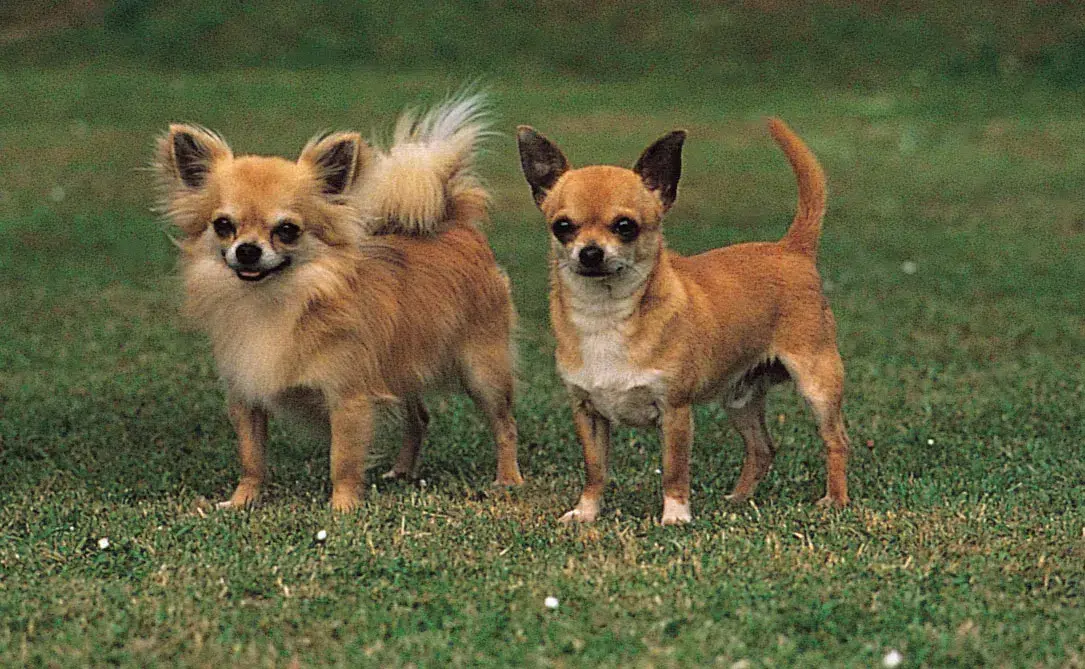
Two structural reasons. First, the chihuahua and the average house cat are within a few pounds of each other; the size-based fear response that a Maine Coon shows around a Labrador is largely absent in the chihuahua-cat dyad. The cat can hold the floor. Second, the chihuahua temperament has more in common with the cat temperament than most owners expect: both are individualists, both have strong opinions about furniture, both are independent in the routines they maintain when no one is watching.
The 2017 University of Lincoln household-pet survey, summarized in Applied Animal Behaviour Science, reported that small toy breeds and domestic cats achieve cohabitation success rates above seventy percent when proper introductions are run. The same survey treated owner-managed introduction quality, not breed identity, as the strongest single predictor. AKC has a usable summary for the home-introduction protocol.
When the Match Will Not Work
The breed is not the determining factor; the individual dog is. A chihuahua with a high-end prey drive will treat a kitten the way a terrier would, and the conventional introduction protocols will not solve that. The signs to read for, before adopting:
A chihuahua who fixates on small, fast-moving stimuli (squirrels at thirty yards, leaves blowing across the yard, the laser pointer if you have ever played with one) will likely fixate on a moving cat. A chihuahua who has shown resource-guarding around food, beds, or owner attention will, predictably, guard against the new resident in the early weeks. A chihuahua who has not been socialized to other species at all is at higher risk, particularly past the eighteen-month mark.
If you are reading the dog as you go, the field guide on the seven nervous-aggression escalation signs covers the body language. The companion three-ways-to-bond piece covers the trust-building work that makes a successful introduction possible.
The Introduction Protocol That Actually Works
The boring version is the right version. Run it slowly.
Week one: scent-only
The cat lives in one room behind a closed door for the first five to seven days. You rotate a soft cloth or t-shirt between the rooms, letting each animal investigate the other's scent without visual contact. The ASPCA reference protocol treats this stage as non-skippable.
Week two: visual through a barrier
A baby gate, with a blanket draped to half-cover the gate, allows brief visual contact with a barrier. Five-minute sessions. Both animals are fed during the session, on opposite sides of the gate, so the visual presence becomes associated with the meal.
Week three: supervised contact, leash on the dog
The chihuahua wears a Y-front harness and a six-foot leash; the cat is loose in the room with at least one elevated escape route. The handler holds the leash, not slack, not tight. Five-minute sessions, three times a day, ramping in length as both animals settle.
Week four onward: free contact, supervised
The leash comes off, but the supervision does not, for at least another two weeks. The cat retains an elevated escape route and a baby-gate-protected feeding area for as long as the cat wants one. (Why? Because the cat's sense of safety is what makes the household work. The chihuahua, in this dynamic, is the one being tolerated.)
What the Successful Households Have in Common
The cat has at least one room or shelf the dog cannot access. The cat's feeding station is dog-inaccessible. The dog has a separate sleeping spot that the cat does not invade. Both animals were introduced young if possible, but young is not strictly required; adult-to-adult introductions work, they just take longer.
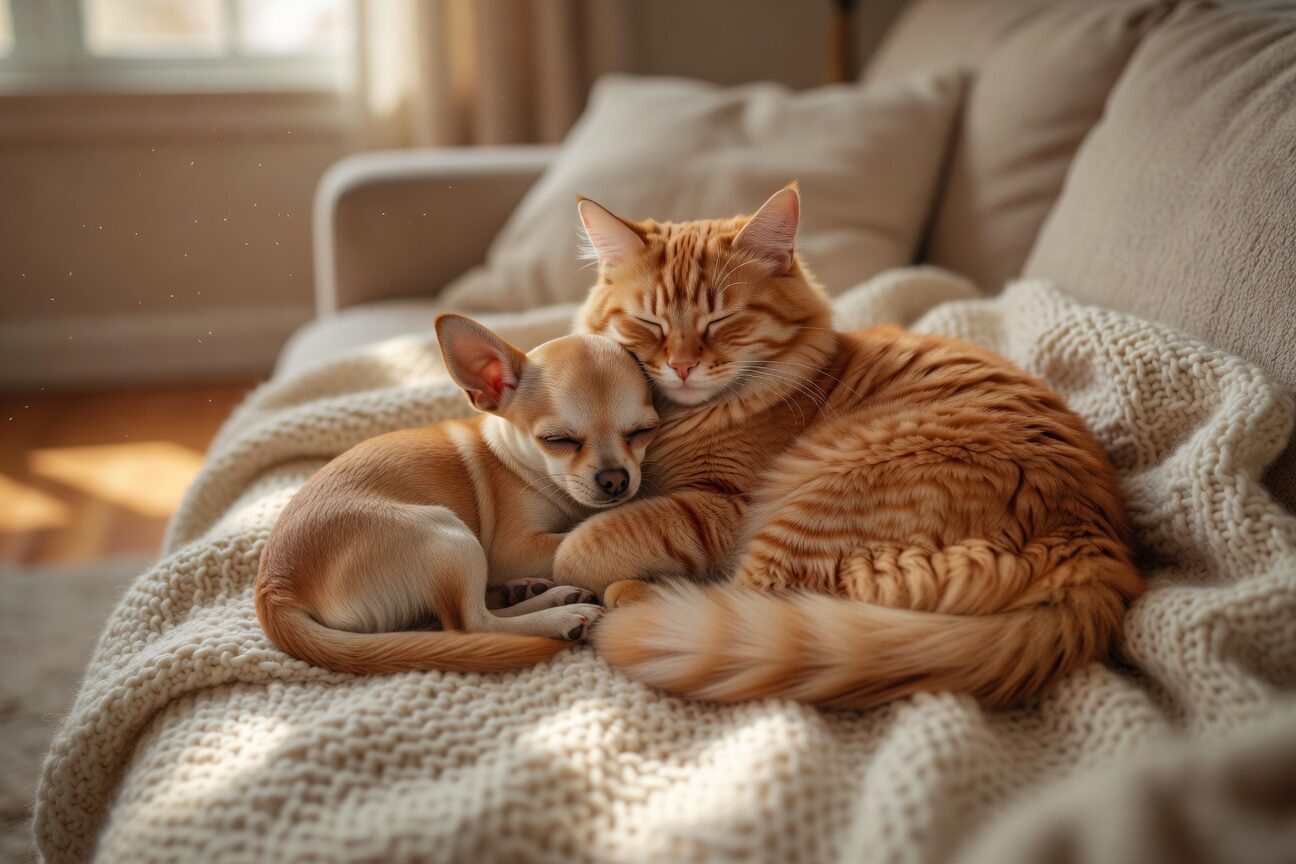
A small final observation. The chihuahua-cat household, when it lands, lands quietly. The first sign that the bond is real is not the snuggle photo; it is the fact that you stop noticing the two of them are not the same species. For more on the underlying breed temperament, the twenty-five facts piece is the reference.
For more on the breed, explore the Breed desk or subscribe for the next dispatch.
Is this Chihuahua right for you? auto_awesome
Want to learn more about your Chihuahua? Compare breeds, check the standard, and find the chihuahua that matches your home.
favorite