

Confession to start. The first time someone introduced me to a "chipin," in 2013, I asked them to repeat the breed name twice, because I had been judging chihuahuas for eight years at that point and the cross had not yet entered my working vocabulary. The chipin, miniature pinscher chihuahua mix, is now common enough in shelter intake that the major rescues have a separate filter for it. This piece is the breed-history version. The dog is not, and will not become, AKC-recognized; the cross is, however, a real and increasingly stable mix worth understanding on its own terms.
What the Chipin Actually Is
A first-generation cross between a chihuahua and a miniature pinscher. The miniature pinscher is itself an older European breed, FCI-recognized in the 1890s, descended from a small German ratting type that has no genetic relationship to the Doberman pinscher despite the visual resemblance. The chihuahua, as covered in the companion twenty-five chihuahua facts piece, is a Western Hemisphere breed with a pre-Columbian lineage. The cross is recent; the earliest documented chipin litters in U.S. shelter records appear in the late 1990s.
Physical Profile
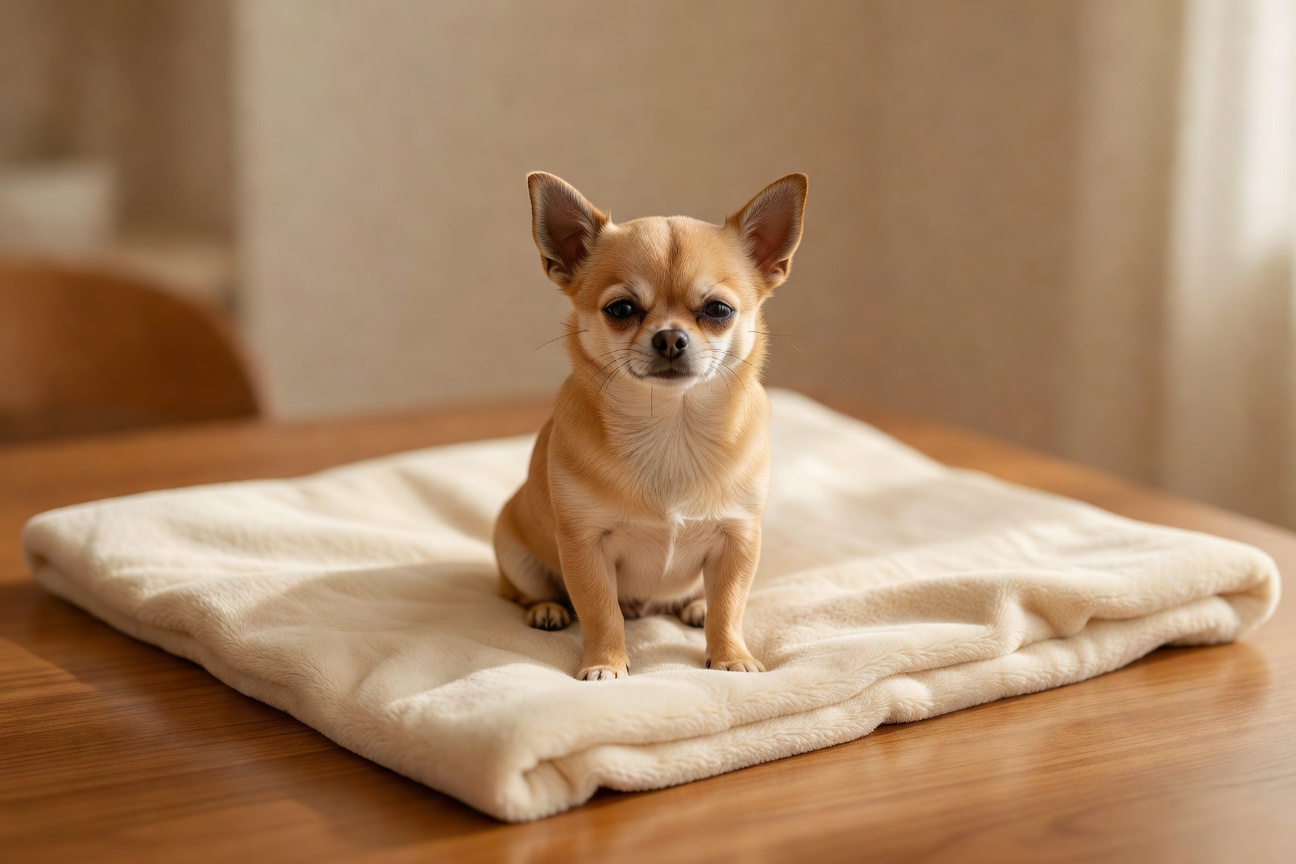
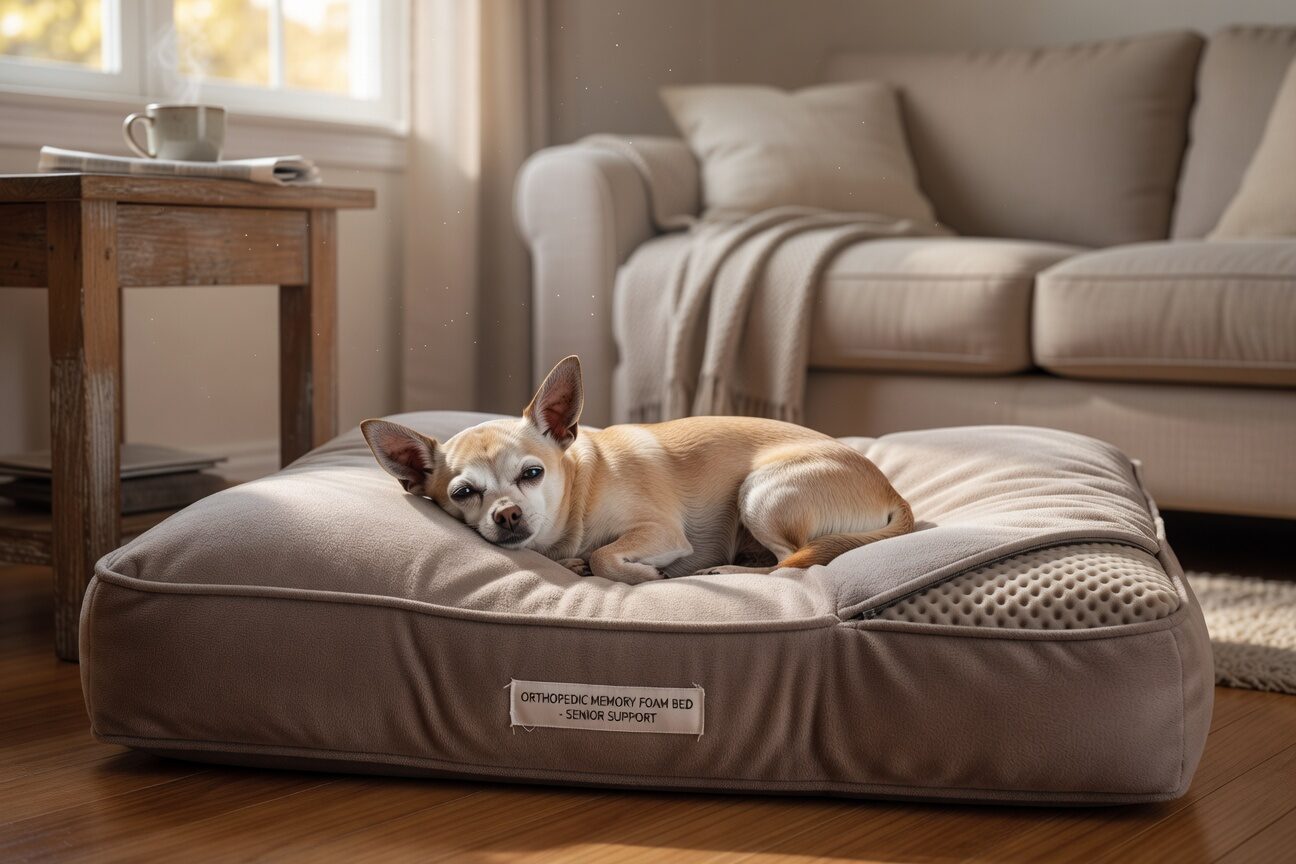
The cross produces an eight-to-twelve-pound adult, taller and longer in leg than a typical chihuahua, with the miniature pinscher's smooth, short coat in most lineages. Coat colors run black-and-rust, fawn, chocolate, and red. Both parent breeds carry the apple-dome skull tendency; the chipin's head shape sits somewhere between the chihuahua's domed apple and the miniature pinscher's flatter triangular profile, and individual variation is wide.
Temperament: What the Cross Inherits
Both parent breeds are alert, vocal, and selectively bonded; the cross compounds these traits rather than diluting them. A well-socialized chipin is confident, athletic, and intensely loyal; an under-socialized chipin is, predictably, fearful and reactive. The companion seven nervous-aggression signs piece applies to the chipin without modification.
The miniature pinscher contributes prey drive that the typical chihuahua lacks. Owners report squirrel pursuit, persistent fence-line patrol, and a willingness to chase that the chihuahua, on average, does not match. AKC's miniature pinscher breed page covers the parent-breed prey-drive profile.
Health Considerations
The cross inherits from both parent breeds. From the chihuahua: patellar luxation risk, dental crowding, hypoglycemia in puppies, mitral valve disease in older dogs. From the miniature pinscher: Legg-Calvé-Perthes disease, progressive retinal atrophy, and a cervical disc disease predisposition. The Merck Veterinary Manual breed-disorders chapter catalogues both parent profiles. A health-focused breeder, where one exists for a designer cross, will screen for both sets; the more common acquisition path, shelter or rescue, does not include this screening.
The companion three things every chihuahua owner must know covers the chihuahua-side risks; the patellar and dental work is the highest-leverage at-home protection.
Living With a Chipin
The cross is more athletic than either parent and benefits from more structured exercise than the typical chihuahua. The companion entertaining your chihuahua piece covers the enrichment framework; the chipin will use all of it and ask for more. Two walks a day, a daily training block, a puzzle feeder, and a window perch will produce a calmer adult dog by month four.
Should You Get One?
The cross is not a designer accessory; it is a small working-temperament dog in a portable package. The right home is one that wants a small dog with min-pin energy, not one that wants a chihuahua-sized lap dog with novelty styling. Adoption from a small-breed rescue is the typical path; the standard ASPCA puppy-mill guidance applies to chipin acquisition the same way it applies to either parent breed.
For more on the breed, explore the Breed desk or subscribe for the next dispatch.
Is this Chihuahua right for you? auto_awesome
Want to learn more about your Chihuahua? Compare breeds, check the standard, and find the chihuahua that matches your home.
favorite