

Two weeks before I picked up my chihuahua puppy Clover, I went to the pet store and spent approximately $400 on supplies. About $130 of that purchase went back to the store within ten days. Another $80 of it stayed in the household but, on retrospective examination, did not need to be bought before the puppy arrived; the right-fit version of those items could only be selected once Clover was actually in the house and the size and preferences were known. The remaining $190 of items were, in honest accounting, the right buy.
I am writing this column with the full benefit of having now made the same trip a second time, three years later, for my second dog Rye. The second trip cost approximately $190. I want to walk through the breakdown so other households can shop more efficiently.
What was actually needed before pickup
A short list of items that genuinely needed to be in the house on day one:
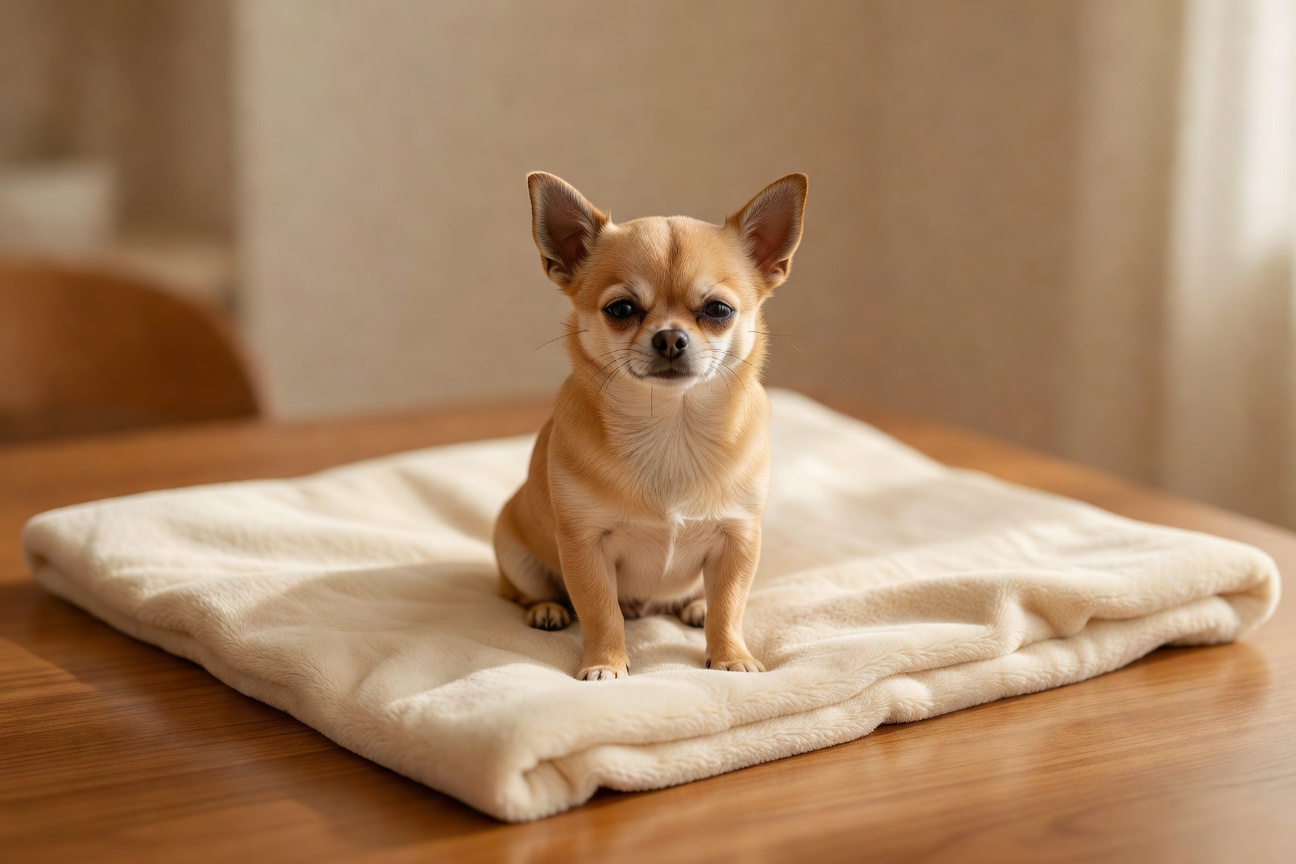
- A crate sized for the dog's expected adult weight, with a divider for use during puppyhood. A wire crate or a soft-sided travel crate; for a chihuahua, an 18-inch or 24-inch size is typical. Cost: $25 to $50.
- A small bed sized for a small dog, with low sides for easy entry. Cost: $20 to $35.
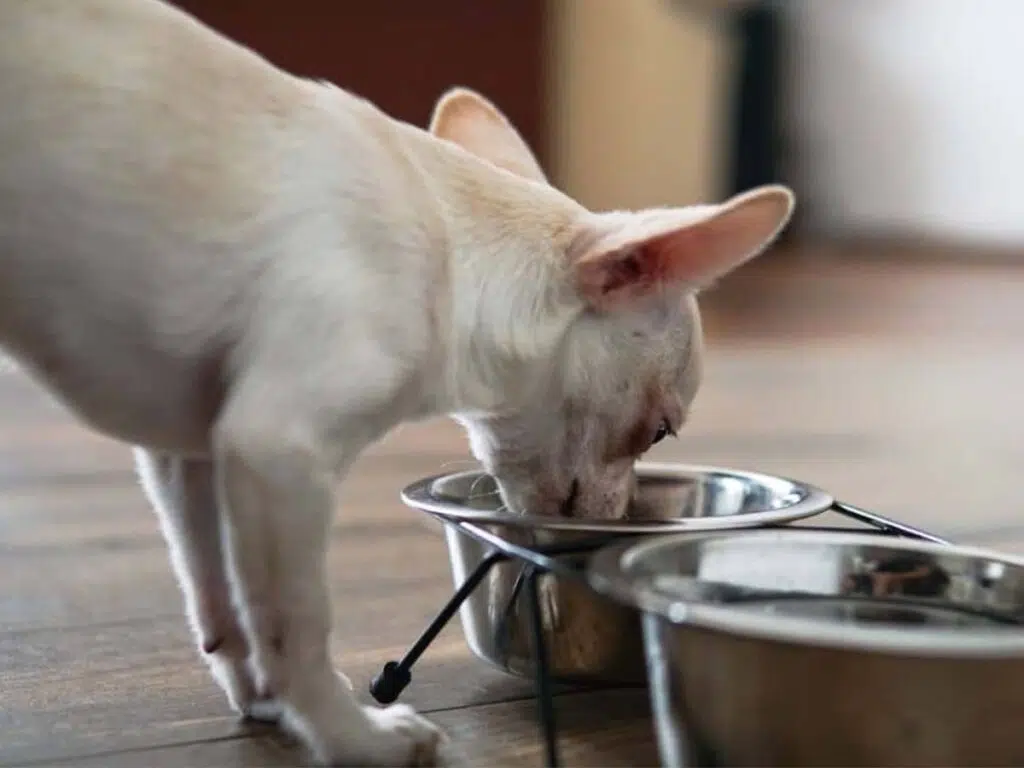
- One small ceramic or stainless food bowl and one slightly larger water bowl, on a non-skid mat. Cost: $15 to $25 total.
- The same food the breeder or rescue was already feeding, for the first two weeks. Switching foods is a stress on a small puppy's digestive system. Cost: depends on brand; $20 to $40 for a starter bag.
- A Y-front harness in an XS size, for the early walks. Cost: $15 to $30.
- A small leash, four to six feet, lightweight. Cost: $10 to $20.
- An ID tag with your phone number, attached to the harness or a thin collar. Cost: $5 to $15.
- An enzymatic urine cleaner, for housetraining accidents. Cost: $10 to $15.
- A small set of pee pads or a grass-mat tray, for early housetraining. Cost: $20 to $30.
- One or two appropriately-sized chew toys. Solid rubber, no removable parts. Cost: $10 to $20 total.
- A small treat pouch and high-value treats for housetraining and basic training rewards. Cost: $15 to $25.
Total for the right-fit version: approximately $165 to $305, depending on brand choices. The pet-store haul that produced this list inflated the spend well past the necessary.
What went back to the store
The items I bought that did not survive the first two weeks:
- The medium-sized bed the store recommended she would "grow into." She did not grow into it. Returned.
- The standard nylon collar. She slipped out of it within two days. Replaced with the harness, which I should have prioritized in the first place. Returned.
- The starter toy multipack of eight toys. Most were unsuitable; either too large, too soft, or had removable parts. I kept two; the rest were returned.
- The "puppy doorbell" the store told me would help with housetraining. Useful for some dogs; for Clover, it was an additional anxiety trigger. Returned.
- A small fleece coat purchased before knowing her actual chest girth. Did not fit. Returned.
- An expensive grooming kit that included tools I did not yet know how to use. Returned; I bought a simpler small clipper later.
- A "calming" plug-in pheromone diffuser. The evidence on these is mixed; for Clover, it produced no observable effect. Returned.
What I bought after she was home, with the right information
A few items I deliberately did not buy until Clover was actually in the house:
- The right-size sweater or coat. Measured her chest girth at home; ordered the appropriate size online. Cost: $15 to $25.
- A second toy or chew in a category she demonstrated preference for. Some chihuahuas like plush; some like rubber; you do not know until the dog is in the house.
- A car carrier or restraint. Sized once I knew her weight and preferences. A separate piece on travel covers the carrier specifics.
- Specific grooming tools based on her coat condition. A short-coat chihuahua needs different brushes than a long-coat chihuahua. The grooming primer covers the choices.
- Any health-specific items, based on the first vet visit's recommendations.
The vet-side spend, briefly
The first wellness visit, around week one or two of the puppy being home, typically includes:
- Basic exam.
- Vaccinations appropriate for the puppy's age (continuing the breeder's or rescue's series).
- Stool sample for parasite check.
- First dose of monthly preventives if appropriate for weight.
- Heartworm and tick discussion.
The first wellness visit cost is typically $150 to $300 depending on region and the vaccines needed; this is separate from the supply spend and is non-optional. The vaccination-schedule reference covers the timing.
The things I did not buy and would not
A short list of pet-store categories that I am, on the second-trip evidence, comfortable skipping entirely:
- Decorative bandanas, costumes, and themed outfits. Optional and frequently uncomfortable for the dog.
- "Training treats" branded for puppies but functionally identical to their adult counterparts. Buy regular small training treats; the puppy version is a marketing distinction.
- Nylabone-style chews sized for medium dogs. The size matters; a small-dog version is appropriate.
- Squeaker toys with multiple parts. Most chihuahuas dissect these in the first session; the parts are choking hazards. The toy-safety primer covers the broader picture.
- Bottled water for dogs. Yes, this exists. Tap water is fine for nearly all dogs.
The AKC's pre-puppy household checklist covers the broader prep beyond shopping; my list above is the shopping-specific version.
The honest bottom of the question
The right-fit chihuahua-puppy supply list is closer to $200 than to $400, and the savings come mostly from buying the right size on the first try and from skipping items the pet store recommends but the dog does not need. A separate piece on the lean accessory list covers the same ground from a slightly different angle.
If you are about to make the first trip, the honest advice is: buy less than the store recommends, buy the right size on items where size matters, and plan for a second smaller trip a week or two after the puppy is home for the items that need her actual measurements or preferences. The total spend, on this approach, is meaningfully lower; the fit is meaningfully better; the returns are meaningfully fewer. Talk to your veterinarian at the first visit about anything specific to your puppy.
Health at a Glance: What to Watch monitor_heart
| Condition | Key Signs | Prevention Tips |
|---|---|---|
| Dental Disease | Bad breath, tartar, red gums | Daily brushing, dental treats |
| Patellar Luxation | Limping, skipping, leg lifting | Weight control, avoid high jumps |
| Tracheal Collapse | Dry cough, gagging | Harness walking, avoid smoke |
| Heart Disease | Coughing, fatigue, fainting | Regular check-ups, heart-healthy diet |
| Hypoglycemia | Shaking, weakness, lethargy | Small, frequent meals |
Community Insights – FAQ help
help_outline When should I call my vet about a behavior change? expand_more
Sooner than feels reasonable. A change in appetite, energy, or routine that lasts more than 48 hours is worth a phone call, not a wait-and-see.
help_outline How often should a healthy adult chihuahua see the vet? expand_more
Once a year through age seven. Twice a year from eight on. Dental checks are part of every visit.
help_outline Do chihuahuas need different care than larger breeds? expand_more
Yes. Smaller medication dosing, more frequent dental work, and closer monitoring for tracheal and patellar issues are standard in toy-breed care.
Have a health question? Ask your question in the comments. We will bring it up with the vet team.
favorite